Archaeology
Siega Verde
Siega Verde in Salamanca, Spain: Palaeolithic engravings by the Águeda, added to the Côa World Heritage property in 2010. Discover its context and plan a visit.
- Location
- Villar de la Yegua, Salamanca
- Built
- Upper Palaeolithic
- UNESCO
- World Heritage · since 2010
Siega Verde is in Spain, in Salamanca province, beside the Águeda River. It appears in this guide because of its connection with the Côa Valley: since 2010, both ensembles have belonged to the same transboundary UNESCO property, the Prehistoric Rock Art Sites in the Côa Valley and Siega Verde. The Portuguese component was first inscribed in 1998.
A Spanish site with a shared history
The ensemble extends across Villar de la Yegua, Villar de Argañán and Castillejo de Martín Viejo, in Castile and León. The visitor address published by the site is in Villar de la Yegua. Today’s border separates the countries, while studying their engravings together allows comparison of prehistoric artistic expression across the same Iberian region.
The shared inscription does not place Siega Verde in Portugal or provide a single admission arrangement for both ensembles. If combining the destinations, check access and reservations for each separately.
Reading the rock art
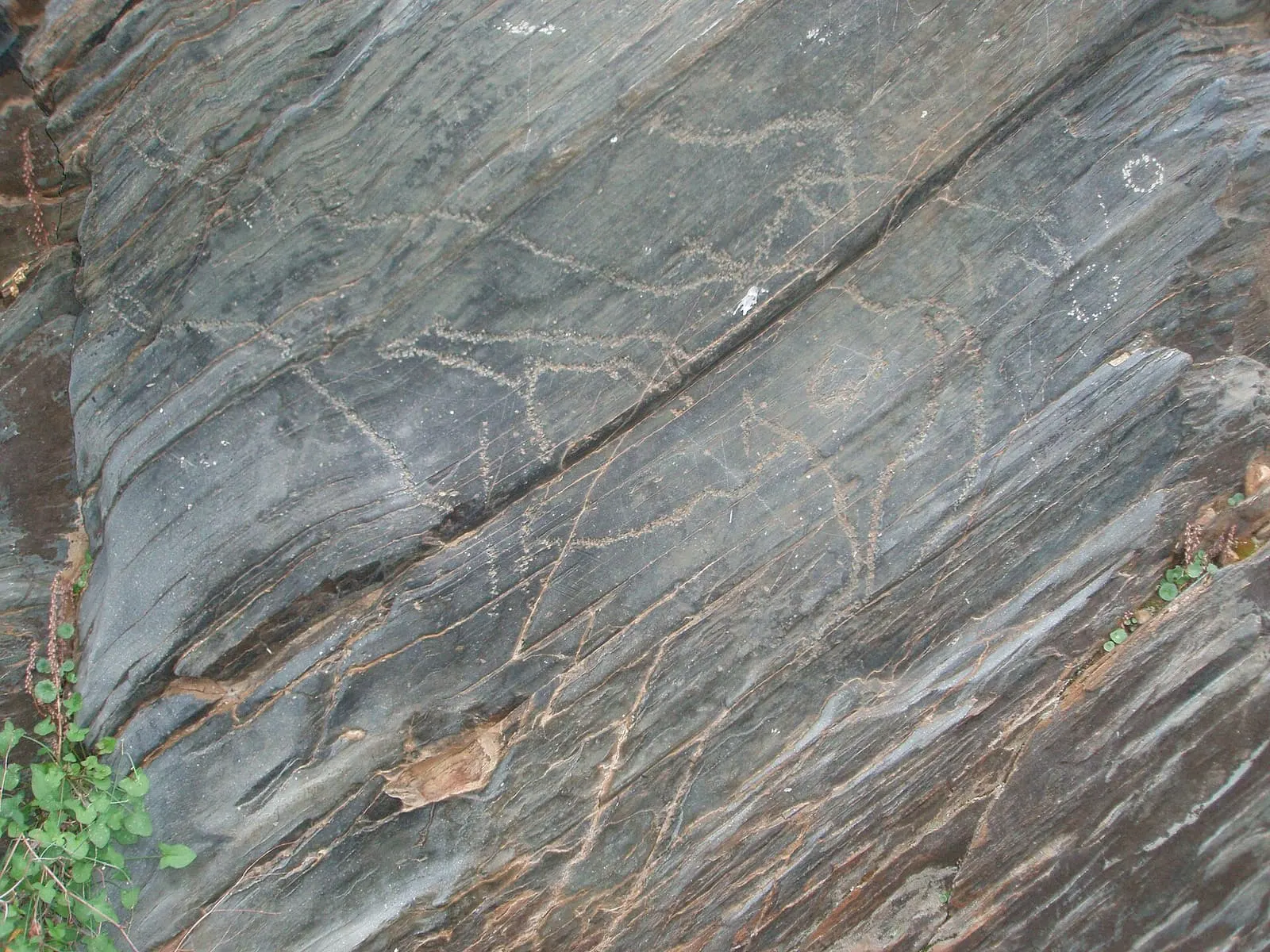
Figures were engraved outdoors on rocky surfaces beside the river. Animals predominate, alongside geometric and schematic signs. The ensemble belongs to the Upper Palaeolithic and helps explain the relationship between open-air art and art preserved in caves.
Looking at the position of figures, their outlines and their relationship with the natural rock gives a visit greater depth. Some marks are easier to recognise than others: specialist interpretation helps distinguish representations and explain questions that researchers continue to investigate.
Planning a visit
Consult the Siega Verde website and its visiting times and reservations page before travelling. The site states that capacity is limited and that a visit without a reservation is not guaranteed. Confirm the meeting point, route and access arrangements suitable for your group.
Wear comfortable footwear and follow the guides’ instructions. Published rules prohibit touching the rocks or collecting stones along the route. For more context, see the UNESCO record for the transboundary property and our guide to Palaeolithic rock art.
Frequently asked questions
- Is Siega Verde in Portugal or Spain?
- It is in Spain, in Salamanca province, Castile and León. The ensemble spans Villar de la Yegua, Villar de Argañán and Castillejo de Martín Viejo; the visitor address published by the site is in Villar de la Yegua.
- How is Siega Verde connected to the Côa Valley?
- Siega Verde joined the transboundary UNESCO property through an extension in 2010. Its Portuguese Côa Valley component had been inscribed in 1998. They are distinct places in two countries within one inscription.
- How should I prepare for a visit?
- Check schedules and reservations on the site website. Capacity is limited and a visit without a booking is not guaranteed. Confirm the meeting point and follow the guides’ instructions to protect the rocks.
Sources
Keep exploring
Heritage nearby
More places to discover from here. Approximate straight-line distances, within 50 km.