World Heritage
Côa Valley Archaeological Site
The park that protects the Palaeolithic engravings of the Côa, inscribed by UNESCO in 1998 — and a model of how to conserve open-air rock art.
- UNESCO
- World Heritage
The inscription of the Côa Valley Archaeological Site on the World Heritage List, in 1998, did more than recognise an assemblage of engravings: it consecrated a model of conservation and a civic victory. The story of the Côa engravings themselves is told separately; here what concerns us is the site — the protected territory and the way it is managed.
A park, not a museum
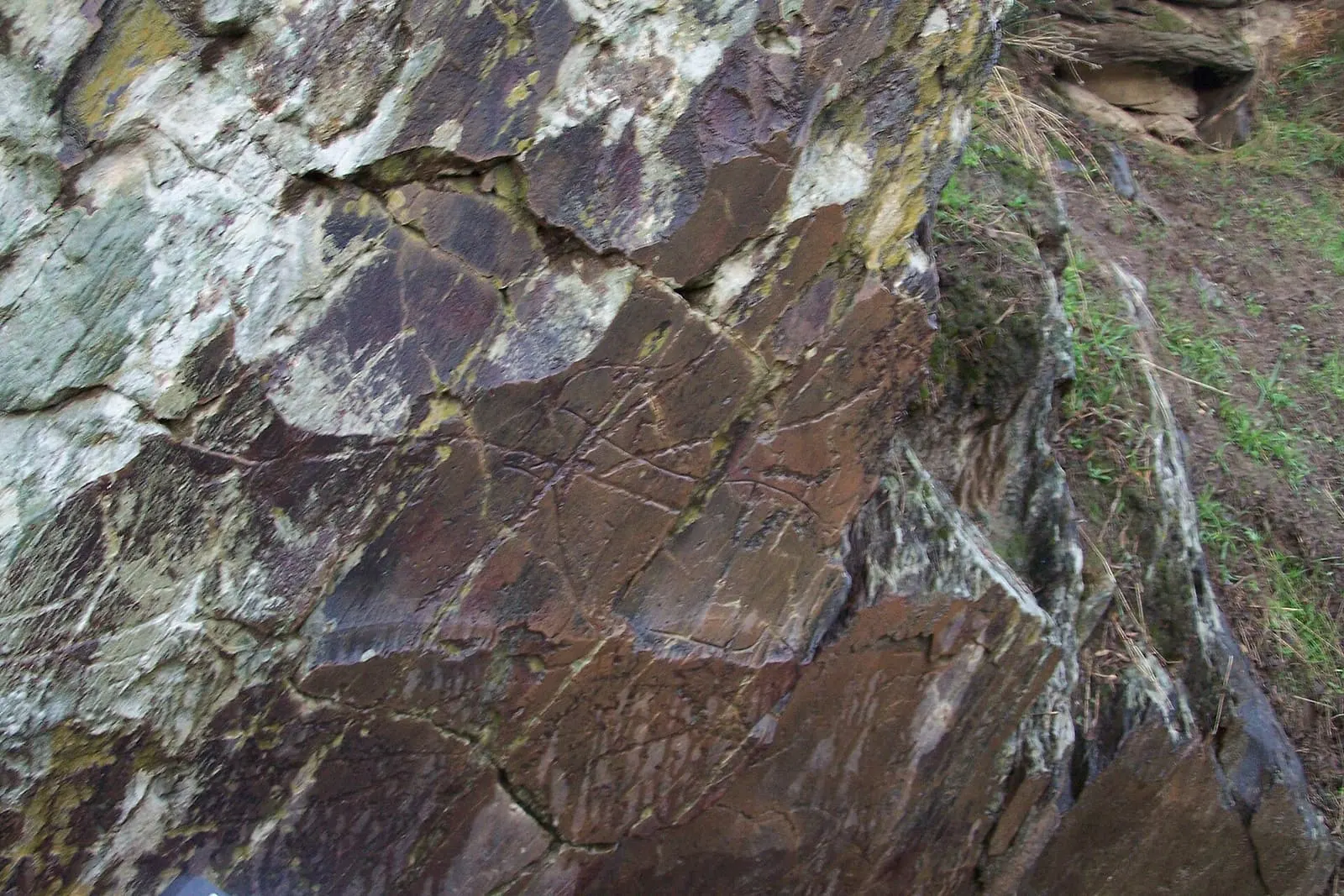
What sets the Côa apart is that the engravings were not removed from their place. Instead of taking them to a museum, an archaeological park was created which conserves the panels in situ, on the outcrops of the valley, over dozens of kilometres of the river. To conserve means, here, to manage an entire landscape — the access, the erosion, the vegetation, the light.
Sites and itineraries
The visit is organised around a few centres open to the public — Canada do Inferno, Penascosa, Ribeira de Piscos — toured in the park’s vehicles and at the end of the day, when the raking light makes visible the lines that the high sun erases. The Côa Museum, opened in 2010 in a building set into the hillside above the river mouth, provides the scientific framing without replacing the experience on the ground.
At the Côa, the monument does not fit inside a building: it is the valley. The decision to conserve it whole, and not in musealised fragments, is itself a theoretical position on what heritage is.
From dam to recognition
It is worth recalling the improbable origin of this park. It arose from the halting of a dam already under construction, in 1995, after a national mobilisation. Three years later, UNESCO’s recognition sealed the transformation of a near-loss into an international reference for conservation. In 2010, the inscription was extended to the Spanish site of Siega Verde, uniting the two banks of the same Palaeolithic culture of the Douro.
The Côa is, today, at once one of the oldest and one of the most recent heritage sites of Portugal: art twenty thousand years old, saved by a decision thirty years old.