Archaeology
Islamic Silves (Xelb)
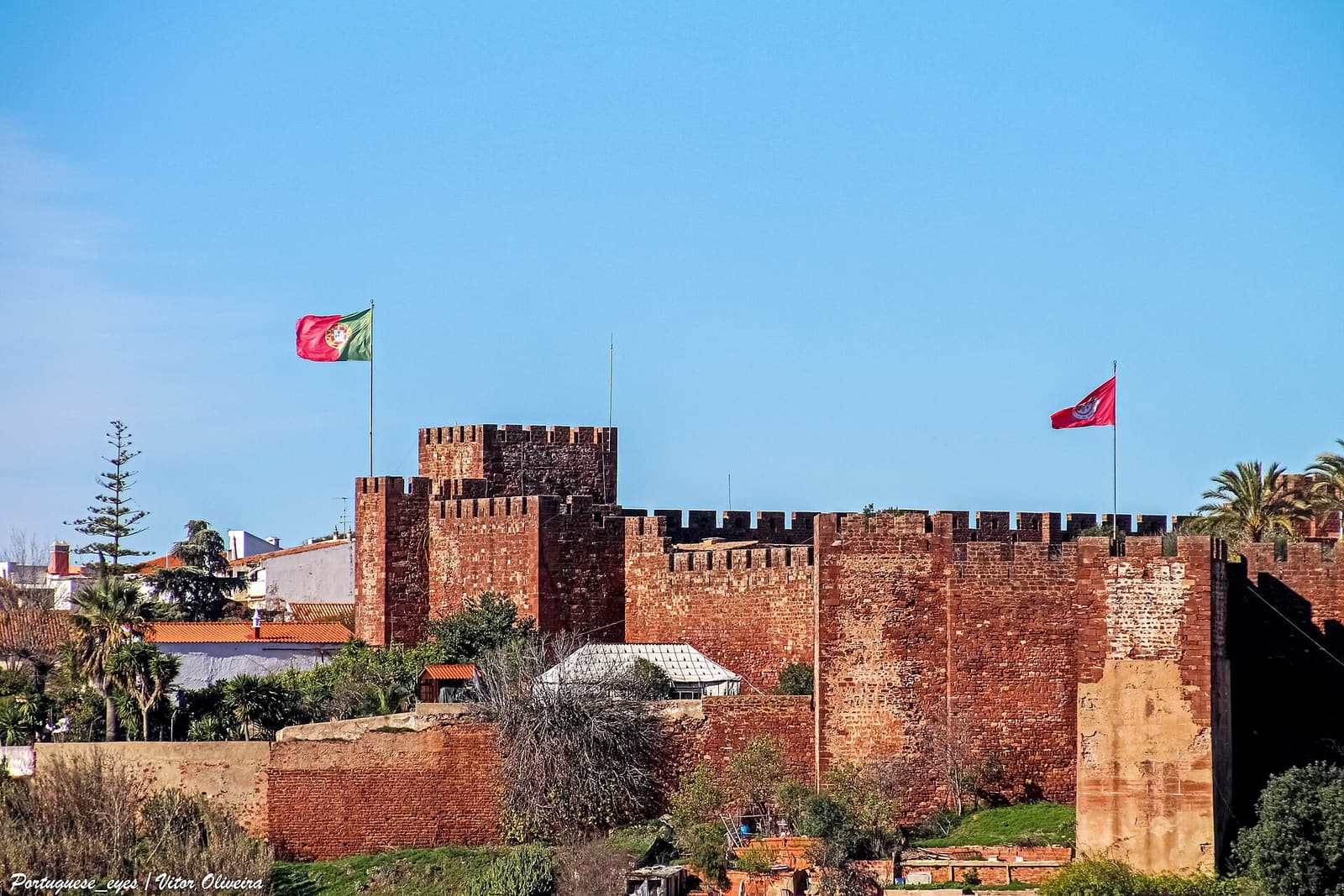
Islamic Silves (Xelb): castle, Almohad cisterns and pottery from Gharb al-Andalus, capital of Muslim Algarve and a reference for Islamic archaeology in Portugal.
- Location
- Silves, Faro
- Built
- séculos VIII-XIII (núcleo islâmico)
- Style
- Islâmico (almóada)
Perched on a hill overlooking the Arade river valley, Silves preserves in its houses and red sandstone castle the memory of having been one of the most brilliant cities of the Islamic West. Under the name Xelb, it was for centuries the head of Gharb al-Andalus, capital of a taifa and a cultural centre that Arab chroniclers compared to the great Andalusian cities. Archaeology conducted in the city since the 19th century, and especially since the systematic campaigns of the 1980s and 1990s, has made Silves one of the key sites for the study of the Islamic period in Portuguese territory.
Xelb, Capital of Gharb al-Andalus
The position of Silves explains its importance: the Arade was navigable up to the city, opening a river route connecting the Algarve interior to the Atlantic and, through it, to the Mediterranean. Conquered following the Muslim expansion that began in 711, Xelb grew as a port and administrative centre, and in the 11th century became the seat of a taifa ruled by al-Mutamide before his rise to Seville. The sources describe it as a cultured city of gardens and poets, whose eloquence in Arabic rivalled that of the great Andalusian capitals.
Arab geographers praised the purity of the Arabic spoken in Xelb and the refinement of its poets, a sign that the city was, more than a frontier fortress, a true cultural centre.
With the arrival of the Almohads in the mid-12th century, the city was strengthened and monumentalised. Most of the structures visible today date from this period, placing Silves within the broader context of Islamic archaeology in the peninsula, alongside centres such as Mértola.
The Castle and Its Hydraulic Structures
The Castle of Silves is the largest and best-preserved fortified complex of Islamic origin in the Algarve. Built from Silves sandstone and military rammed earth, its walled perimeter features eleven square towers and two albarrã reinforcements, organising an alcazaba where the city’s power and supplies were concentrated. Inside, excavations have revealed Almohad palatial remains, with traces of ablution baths and stucco decoration featuring geometric and epigraphic motifs.
The hydraulic structures are among the most notable elements of the site. The Cisterna da Moura, a vast underground cistern covered by barrel vaults resting on columns, ensured water reserves for long sieges, while the well-cistern known as the Cisterna dos Cães exceeds forty metres in depth. These structures, essential in a dry-climate city, illustrate the technical mastery of water management that characterised the urban planning of al-Andalus.
Conquest, Reconquest and the Archaeological Legacy
The medieval history of Silves is marked by a succession of sieges. In 1189, the city was taken by Christian forces led by D. Sancho I, with the support of crusaders, but returned to Almohad control in 1191; only in 1249, during the reign of D. Afonso III, was it definitively integrated into the Kingdom of Portugal. This intense stratigraphy of occupation left an exceptional legacy, now largely housed in the Municipal Museum of Archaeology, opened in 1990 and built around an Almohad well-cistern discovered during excavations in the 1980s.
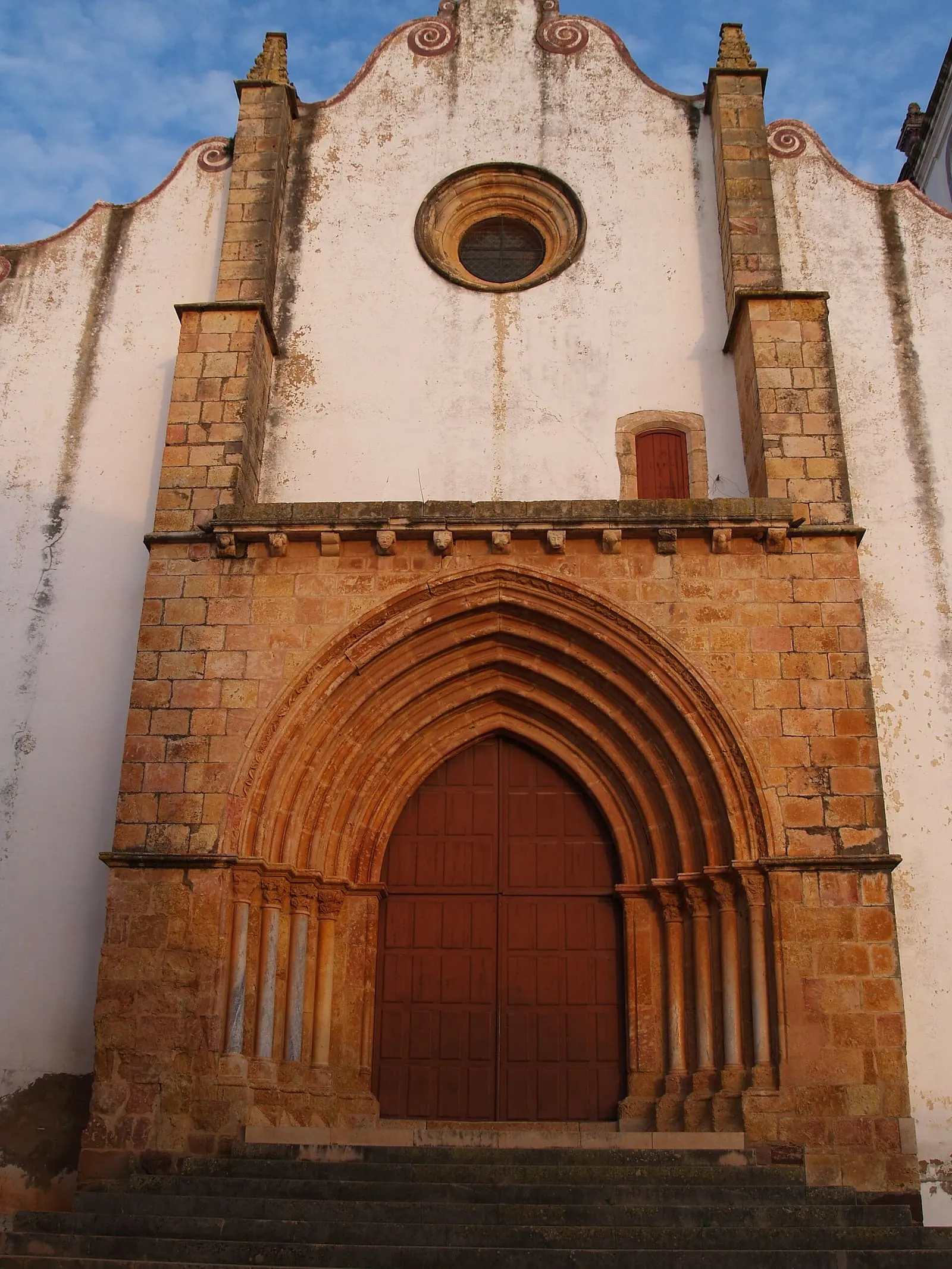
The collection of Islamic pottery from Silves — from the caliphal and taifa phases to the Almohad period — is one of the most important in the country and has become a reference for the study of Gharb productions. The collection dialogues with the panorama of Islamic art in Portugal and with the reading of the Christian city that overlaid it, of which the Silves Cathedral, built over the medieval urban fabric, is the most visible testimony. Silves thus remains a palimpsest where the memory of Xelb remains legible beneath the red stone of its castle.
Frequently asked questions
- What was Silves called during the Islamic period?
- It was known as Xelb (or Shilb, Chelb), one of the main cities of Gharb al-Andalus and capital of a taifa in the 11th century under the rule of al-Mutamide.
- What material was used for the walls of Silves Castle?
- The walls and towers are built from Silves sandstone, the local red sandstone that gives the complex its characteristic colour; most of the visible structures are Almohad constructions from the 12th-13th centuries.
- Where can archaeological finds from Islamic Silves be seen?
- At the Silves Municipal Museum of Archaeology, opened in 1990 and organised around an Almohad well-cistern, which houses one of the largest collections of Islamic pottery in the country.
Sources
Keep exploring
Heritage nearby
More places to discover from here. Approximate straight-line distances, within 50 km.