Monuments
Silves Cathedral
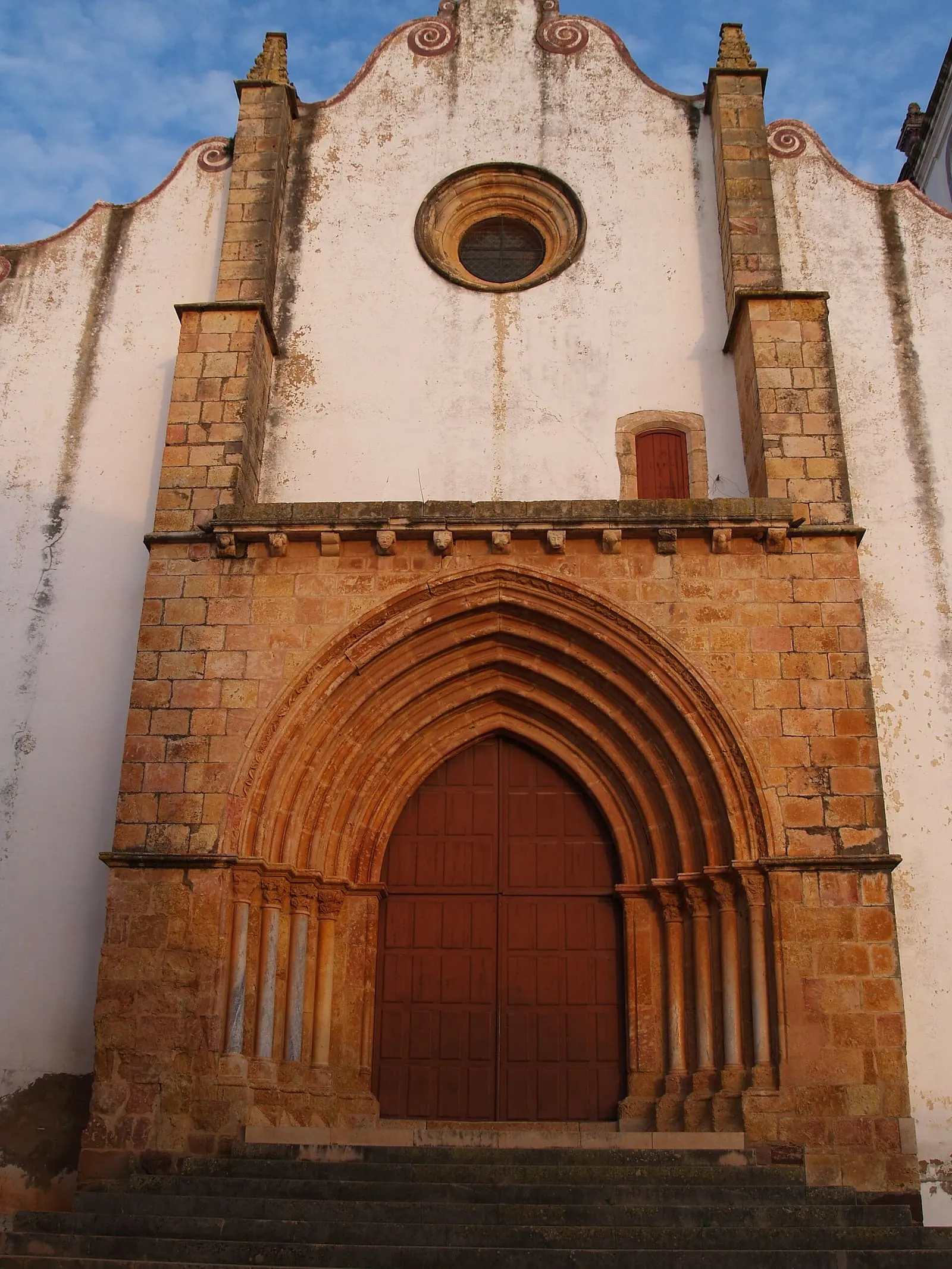
Silves Cathedral, the former Gothic cathedral of the Algarve, built atop the mosque of what was once the Muslim capital in Silves, Faro district.
- Location
- Silves, Faro
- Built
- séculos XIII–XV
- Style
- Gótico
At the heart of the ancient capital of Garb al-Andalus stands Silves Cathedral, the former cathedral of the Algarve and the most remarkable Gothic construction in the far south of Portugal. Built on the site of the great mosque of the Islamic city, the church encapsulates, in its stones, Silves’ transition from a Muslim metropolis to a Christian episcopal seat—a shift that decisively shaped the history of the Algarve region.
From mosque to cathedral
The capture of Silves by King Sancho I in 1189 paved the way for the establishment of a cathedral on the site of the former mosque, although definitive Portuguese control of the city was only consolidated from 1268 onward, during the reign of King Afonso III. The structure we see today was founded in the second half of the 13th century, but most of the building was erected from the mid-15th century onward, giving it the predominantly Gothic character that distinguishes it.
The stone tells this story: the construction primarily used Silves’ red sandstone and local dolomitic limestone, the latter reserved for the main portal. The master craftsmen who worked on the cathedral in the late 15th century left a lasting mark on the region, with clear stylistic affinities between its portal and that of the Parish Church of Portimão.
Silves Cathedral is less an isolated monument than the built memory of a city that was, successively, the capital of an Islamic kingdom and the head of the Algarve diocese.
Architecture and interior
The interior, with its three naves, octagonal pillars, pointed arches, and ribbed vaults, expresses a sober and robust Gothic style, adapted to the scarcity of light and the heat of the South. The main chapel houses tombs of noble families from the 15th and 16th centuries, and it was here that King João II was initially buried in 1495, before his remains were transferred to the Monastery of Batalha in 1499—an episode that underscores the prestige then associated with the Algarve cathedral.
The 1755 earthquake severely damaged the building, necessitating restoration campaigns completed around 1758. These introduced Baroque elements still visible today, such as the crowning of the façade and the bell tower, which coexist with the original Gothic structure without distorting it.
Significance and context
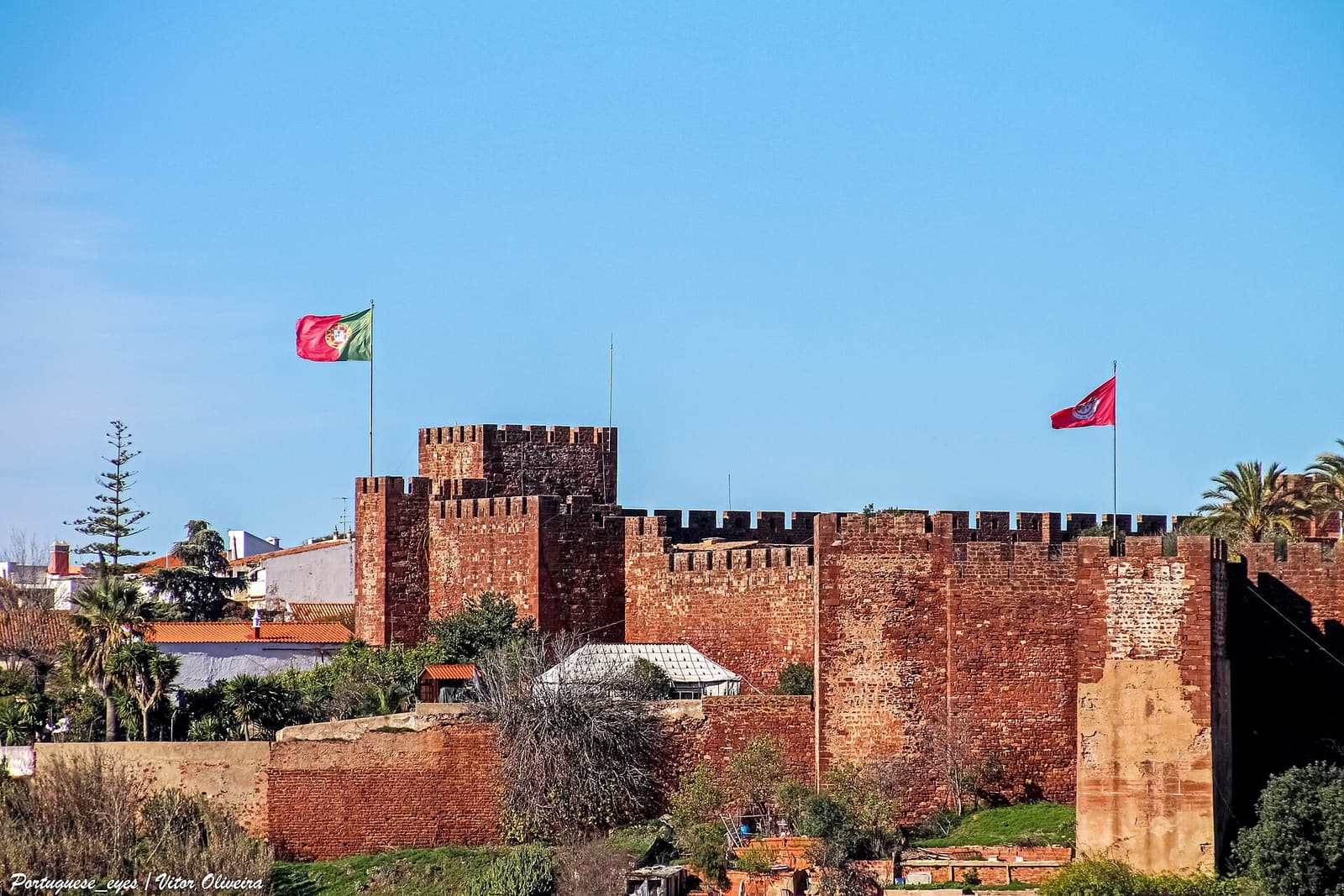
The loss of its cathedral status, with the transfer of the diocese to Faro Cathedral in 1577, did not diminish the monument’s symbolic importance. The former cathedral still dominates Silves’ urban landscape, in direct dialogue with the neighboring Silves Castle, the red sandstone military complex that once protected the city. Together, the church and fortress form the most eloquent testimony to the past of Silves, where Islamic memory also remains alive through the rich local Islamic archaeology.
Classified as a National Monument in 1922, Silves Cathedral is part of the ensemble of Portugal’s great cathedrals, distinguished as the only one in the medieval Algarve that expressed in stone the long and complex frontier between Islam and Christendom in the Iberian West.
Frequently asked questions
- Why did Silves have a cathedral before Faro?
- Silves was the capital of Garb al-Andalus and, after the Reconquista, the episcopal seat of the Algarve. The diocese was only transferred to Faro in 1577, leaving the former cathedral as a testament to that status.
- Is Silves Cathedral classified as heritage?
- Yes. It was classified as a National Monument in 1922 and is considered the most important Gothic construction in the Algarve.
- Is it true that King João II was buried in Silves Cathedral?
- Yes. The king was initially buried in the cathedral's main chapel in 1495; his remains were later transferred to the Monastery of Batalha in 1499.
Sources
Keep exploring
Heritage nearby
More places to discover from here. Approximate straight-line distances, within 50 km.