Places
North
Northern Portugal is the cradle of the kingdom and one of the regions with the highest density of heritage in the country. Broadly speaking, it corresponds to the former provinces of Minho, Douro Litoral and Trás-os-Montes e Alto Douro, and is now organised around the Porto Metropolitan Area. From the mouth of the Douro to the highlands of Trás-os-Montes, it is a territory where granite, wine and Baroque religiosity have shaped cities, monasteries and landscapes recognised by UNESCO.
One territory, multiple heritages
The North is home to five sites classified as World Heritage – a number unmatched in any other Portuguese region. On the coast, the Historic Centre of Porto, the Luís I Bridge and the Serra do Pilar Monastery condense two millennia of urban history on the slopes of Ribeira. Upstream, the Alto Douro Wine Region is the oldest demarcated wine region in the world, with terraces carved into schist over centuries. Meanwhile, the Côa Valley holds the largest known open-air collection of Palaeolithic rock art, engraved in stone over twenty thousand years ago.
Further north, the Historic Centre of Guimarães preserves the medieval houses of the city where the national identity was forged, while the Sanctuary of Bom Jesus do Monte, in Braga, elevates the Baroque-Rococo staircase to the status of a masterpiece of European devotional architecture.
In no other Portuguese region do prehistory, the birth of a kingdom and Baroque opulence coexist so closely: the North reads like a living chronology of the country itself.
Cities, cathedrals and monasteries
Beyond the UNESCO sites, the North is a succession of historic cities and first-rate religious architecture. Porto boasts the fortified Romanesque Cathedral, the Clérigos Tower and the exuberant Church of São Francisco, covered in gilded woodwork. Braga, the primatial see of the Spains, preserves one of the oldest cathedrals on the Peninsula; nearby, the Monastery of Tibães was the mother house of the Portuguese Benedictine congregation.
In Trás-os-Montes, Bragança Castle protects an intact medieval citadel, and the Palace of Mateus, near Vila Real, is one of the most famous examples of Portuguese civil Baroque. Guimarães adds the founding Castle and the Palace of the Dukes of Bragança to its classified core.
How to explore the region
The North rewards those who traverse its scales: the port and mercantile city, the terraced river valleys and the interior of granite villages. It is worth combining monumental reading with the landscape – descending the Douro by train or boat, climbing to the terrace of Bom Jesus, walking through the medieval streets of Guimarães. To place these sites in the context of Portuguese art history, also consult the Periods and Styles and the panorama of World Heritage in Portugal.
17 entries to explore
No matches in this collection. Try another word or clear your search.
In this section — 17
Castles & Fortifications
1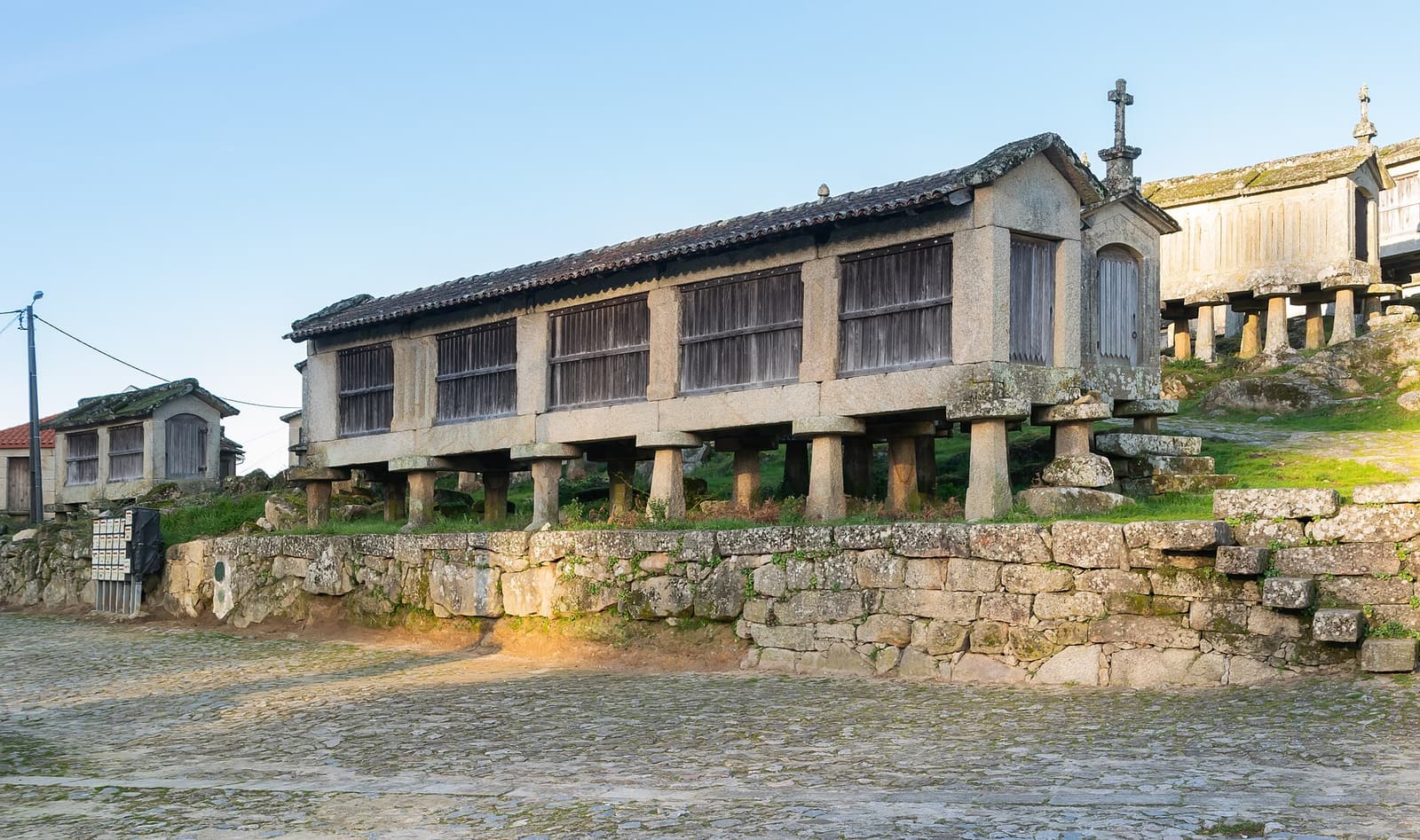
Lugares
15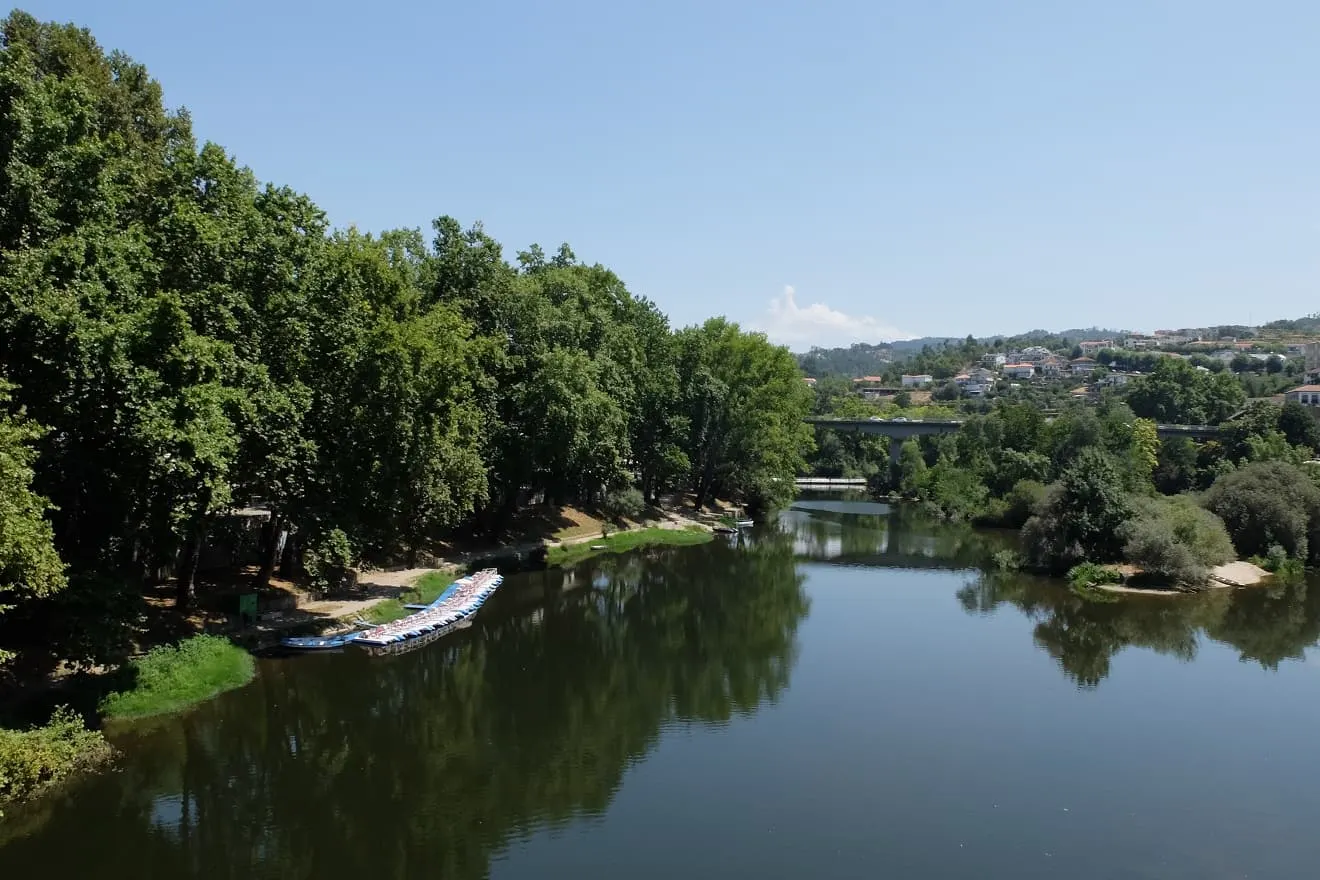 AmaranteAmarante, a town in the district of Porto on the River Tâmega, with the bridge and the monastery of São Gonçalo at the heart of its heritage.
 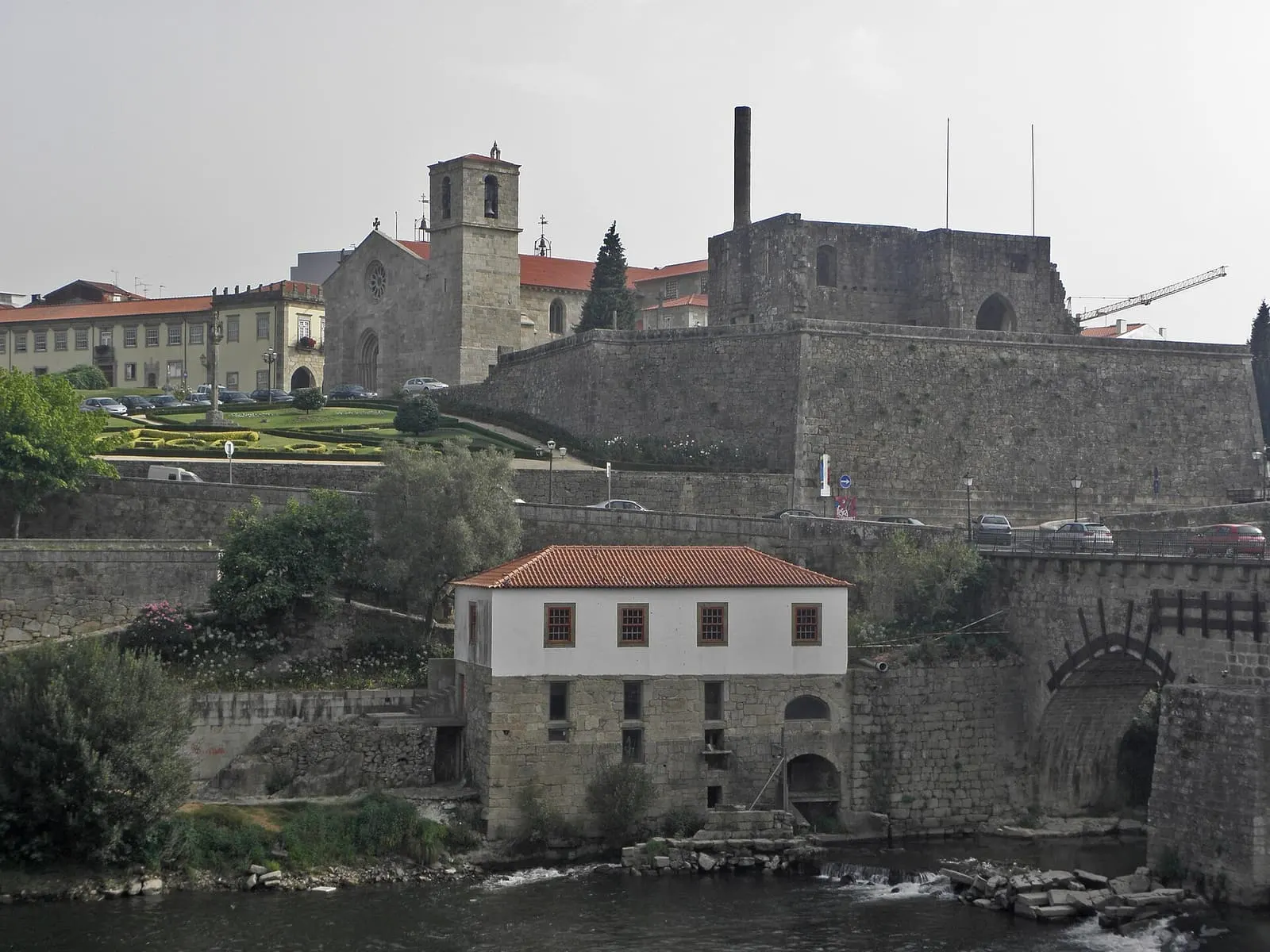 BarcelosBarcelos, the comital town of the Minho on the banks of the Cávado: the counts' palace, a medieval bridge, a weekly fair and the tradition of pottery and the…
 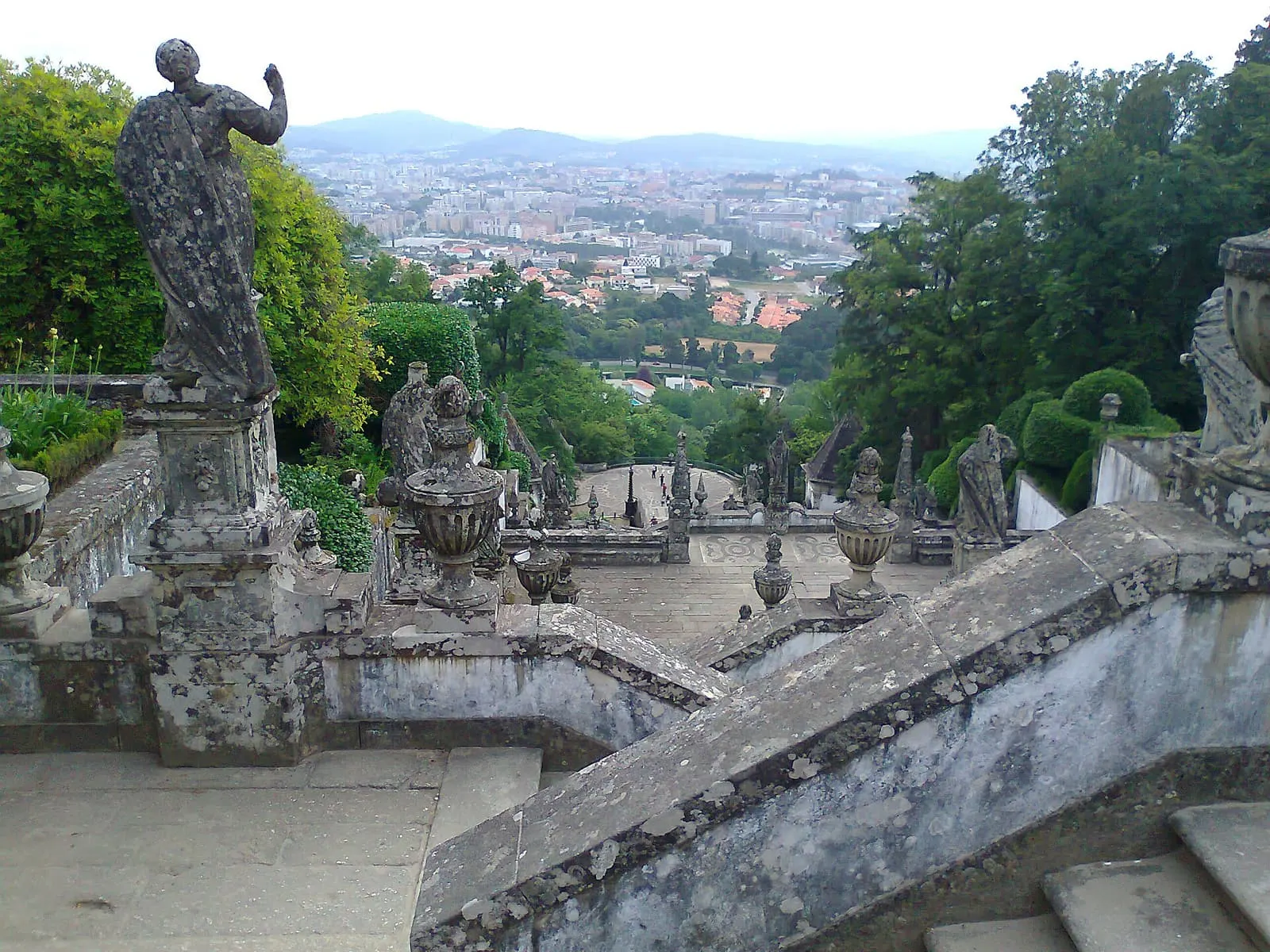 BragaThe heritage of Braga, the Roman Bracara Augusta and city of archbishops, with its Cathedral and the sanctuary of Bom Jesus do Monte, in northern Portugal.
 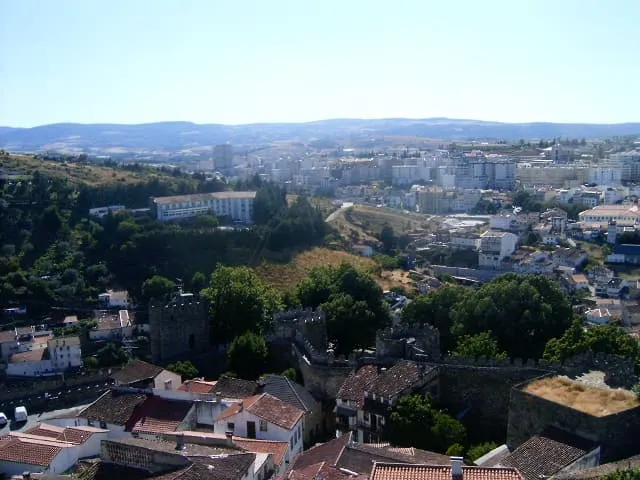 BragançaBragança, a district capital in the Trás-os-Montes region, with its medieval citadel, the castle, the Romanesque Domus Municipalis and the cradle of the House…
 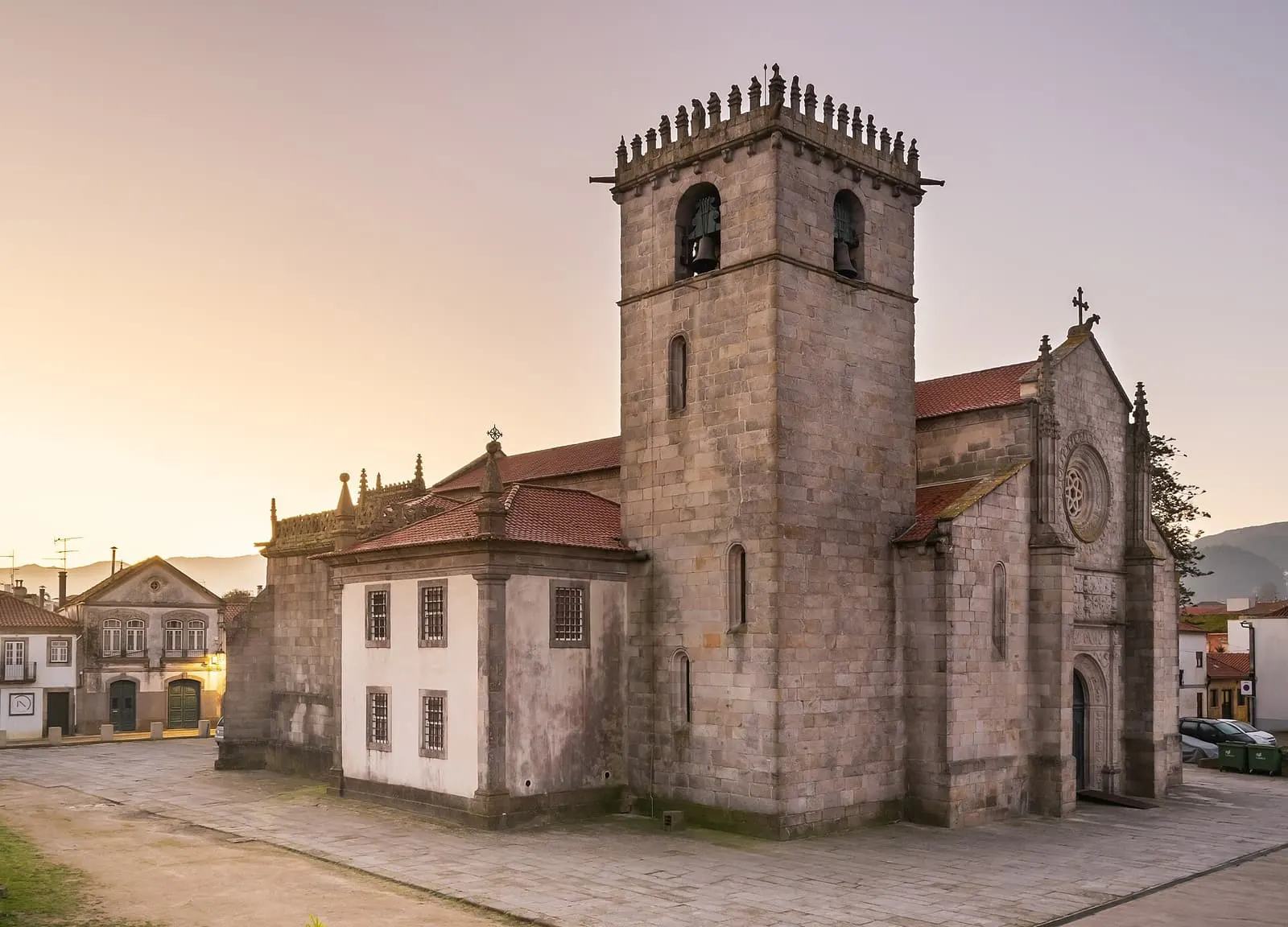 CaminhaCaminha, a historic town at the mouth of the River Minho (district of Viana do Castelo): discover the medieval centre, the Clock Tower and the Manueline parish…
 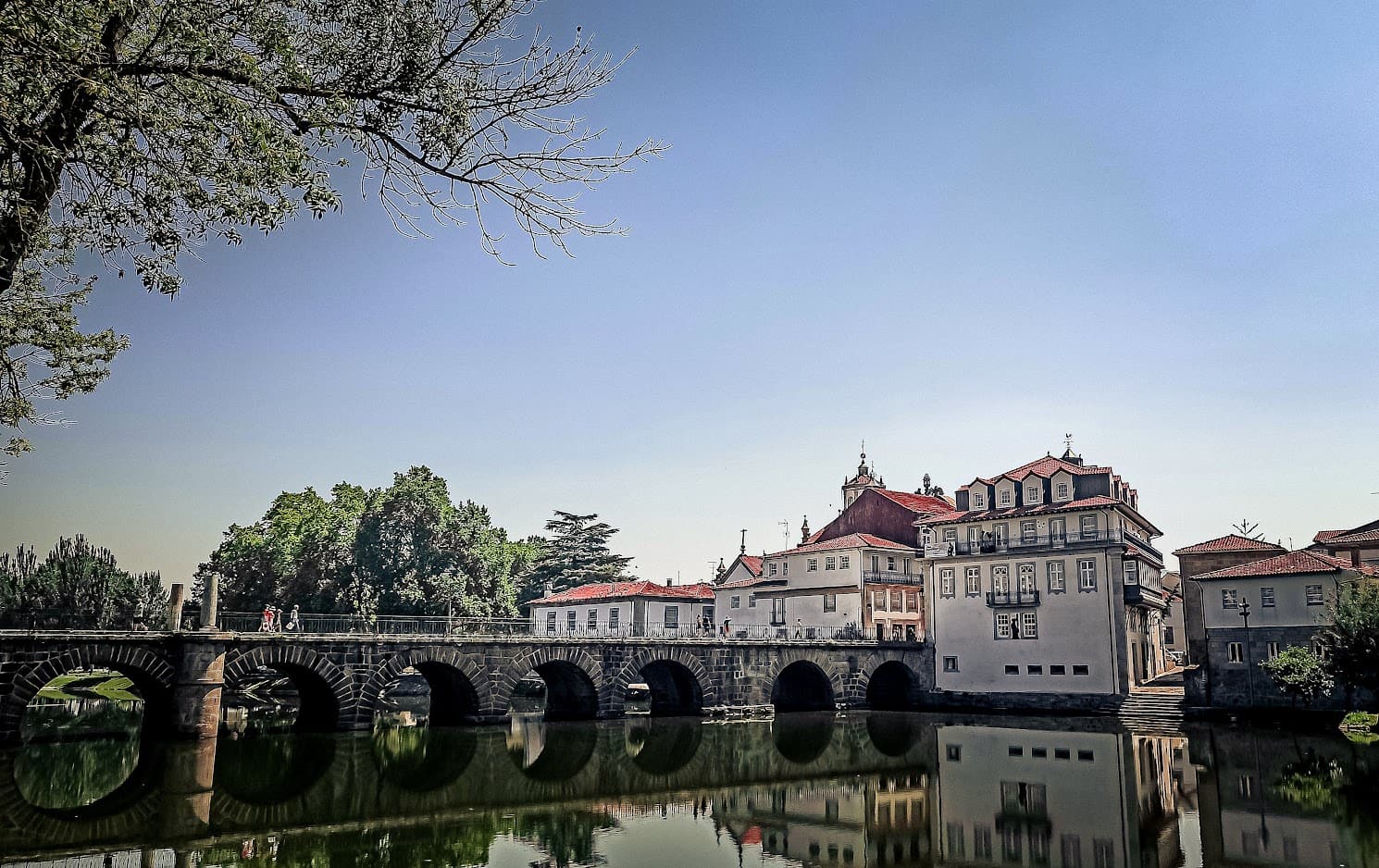 ChavesChaves, the Roman Aquae Flaviae in the district of Vila Real: Trajan's bridge, thousand-year-old thermal baths and bastioned fortifications in Trás-os-Montes.
 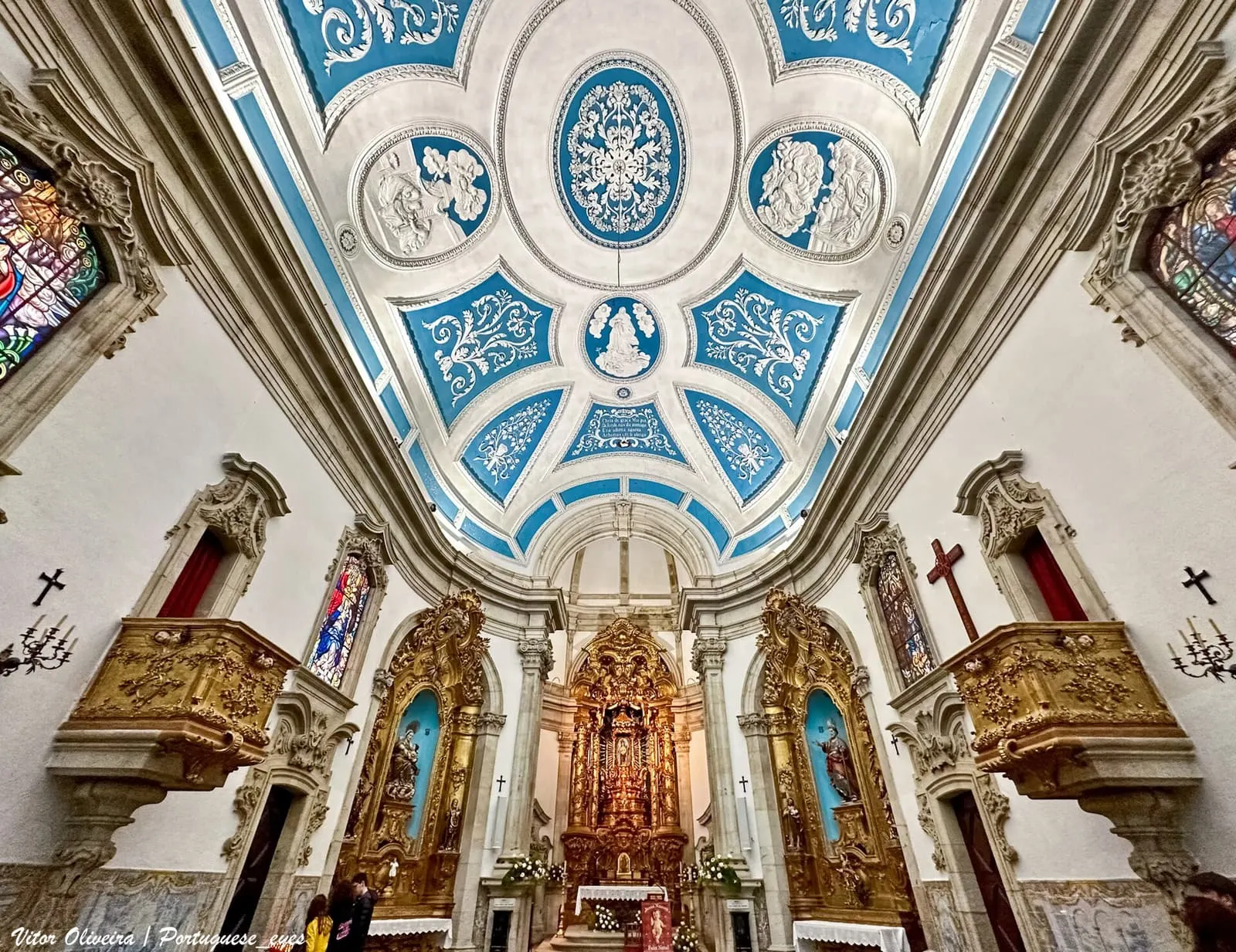 LamegoLamego, a historic town in the district of Viseu, in the Douro: a former bishopric with a medieval cathedral, a castle and the Sanctuary of Nossa Senhora dos…
 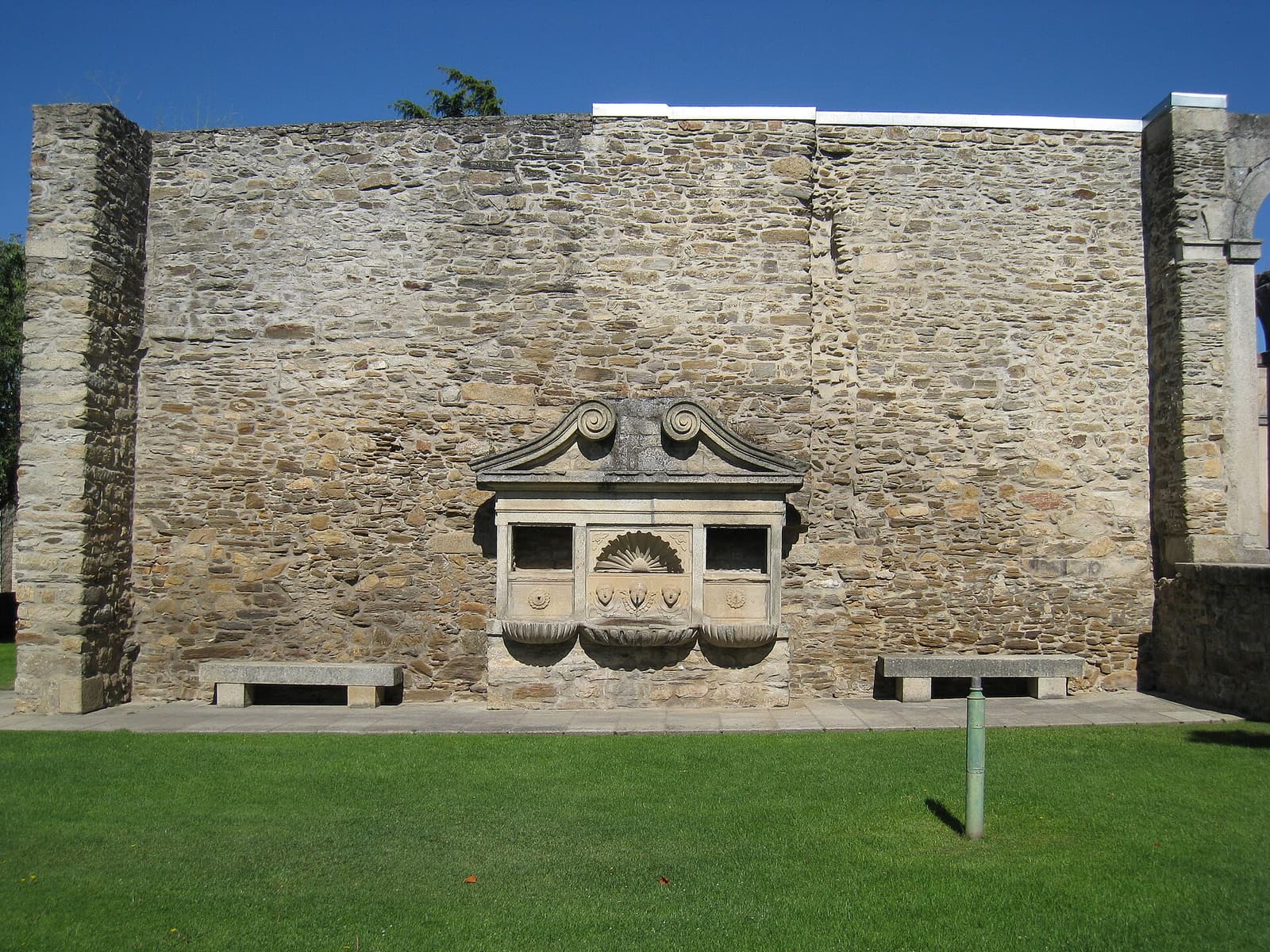 Miranda do DouroMiranda do Douro, a border town in the district of Bragança, with its Renaissance cathedral, medieval castle and the singular Mirandese culture of the plateau.
 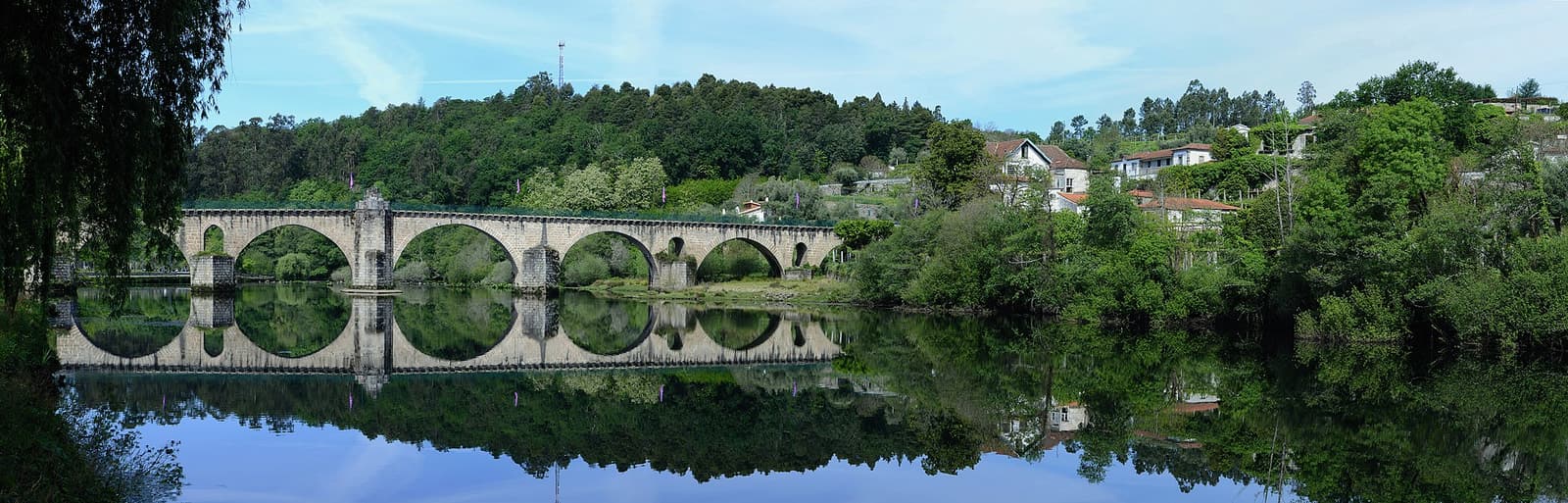 Ponte de LimaPonte de Lima, in the district of Viana do Castelo, claims the title of Portugal's oldest town, with its Roman and medieval bridge over the Lima River.
 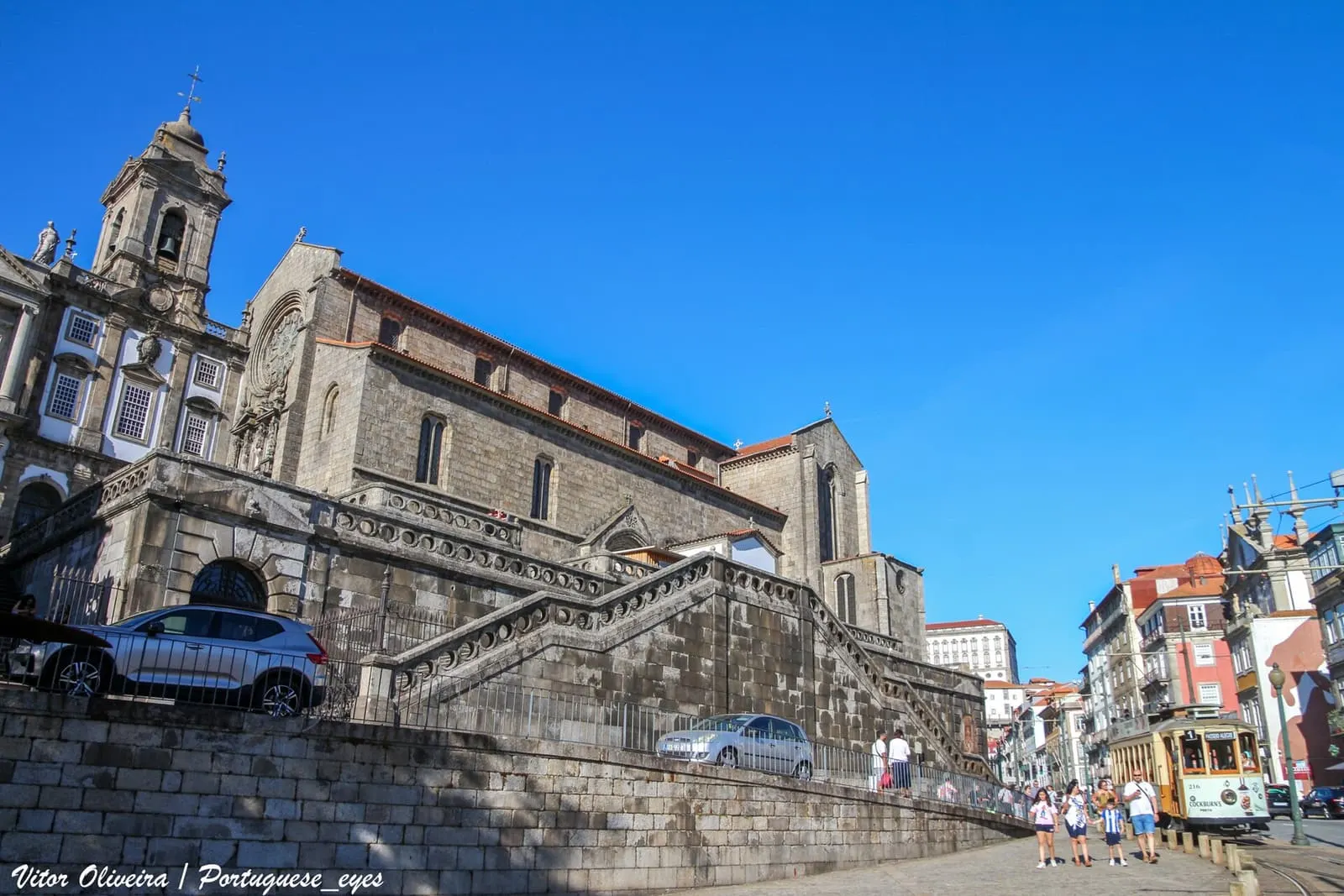 PortoPorto, a city in northern Portugal: the UNESCO-listed historic center, the Cathedral, Ribeira district, Luiz I Bridge, and the Port Wine cellars in Gaia.
  Santa Maria da FeiraSanta Maria da Feira, in the district of Aveiro: the medieval castle, the Convento dos Lóios and the largest historical re-enactment in the Iberian Peninsula.
 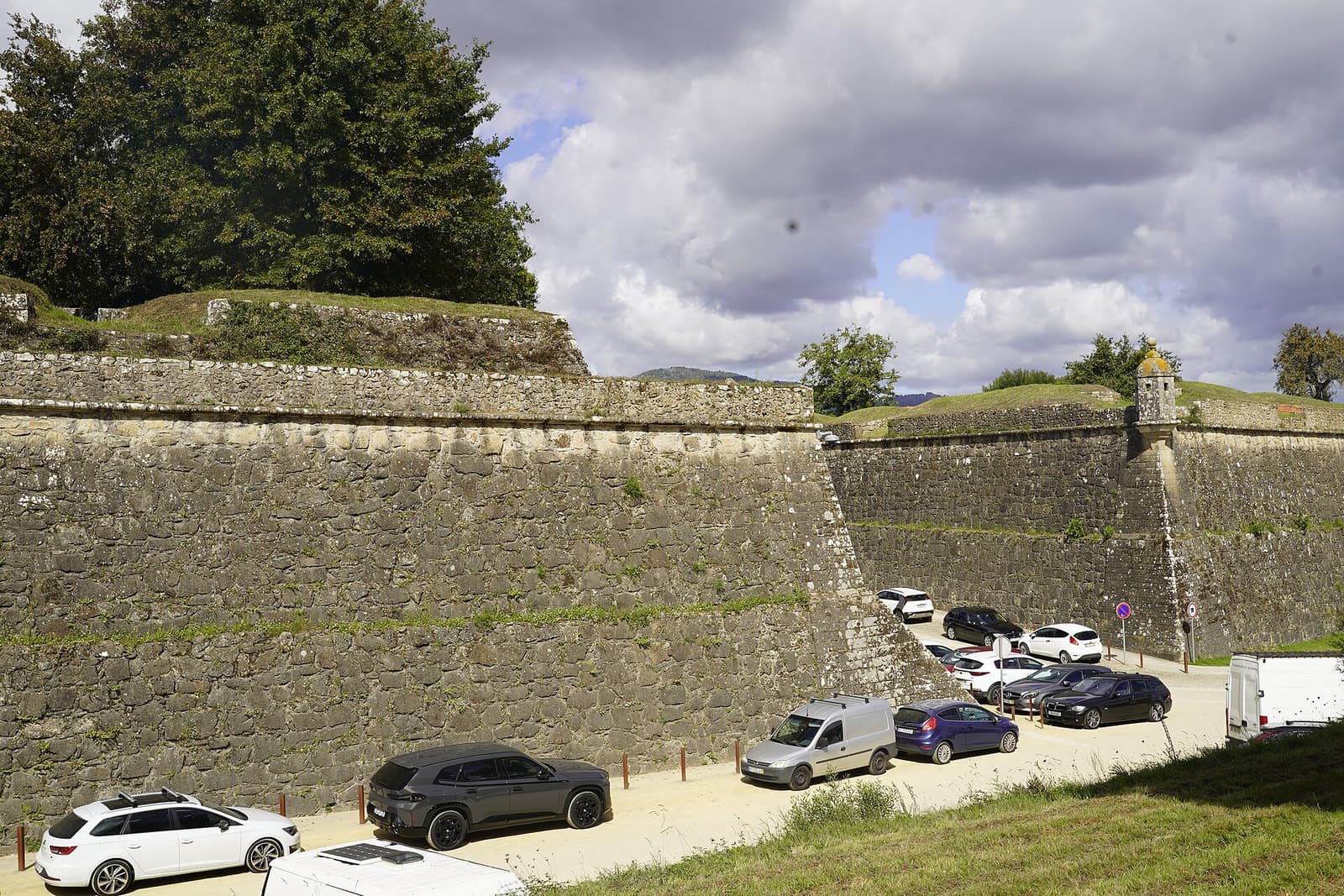 ValençaValença, star-shaped 17th-18th century bastioned fortress in Alto Minho on the Minho River, facing Tui: history, fortifications and visiting the border city.
 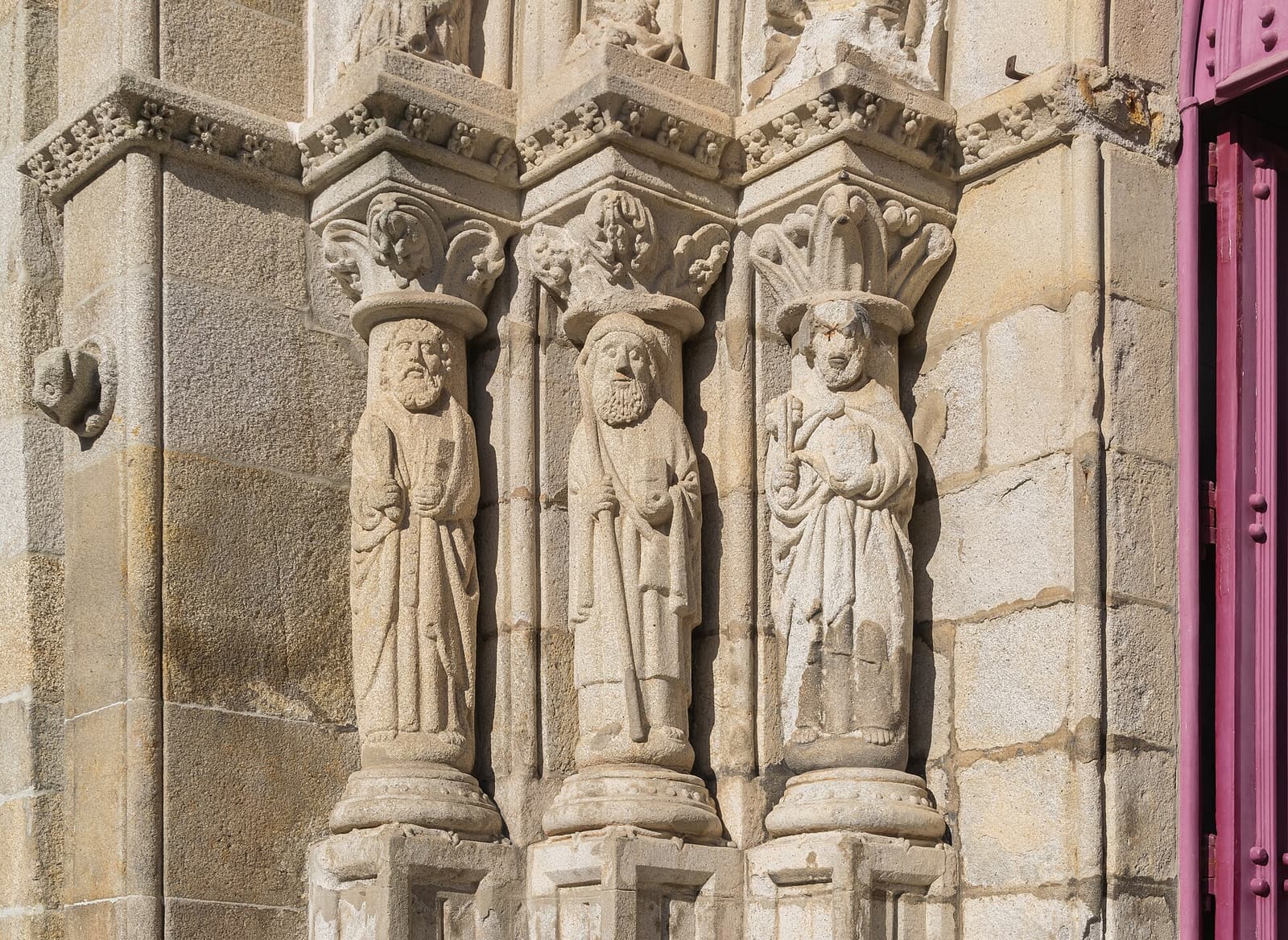 Viana do CasteloHeritage of Viana do Castelo, a Renaissance city in Minho at the mouth of the Lima River, featuring Praça da República, the Cathedral, and the Santa Luzia Sanctuary.
 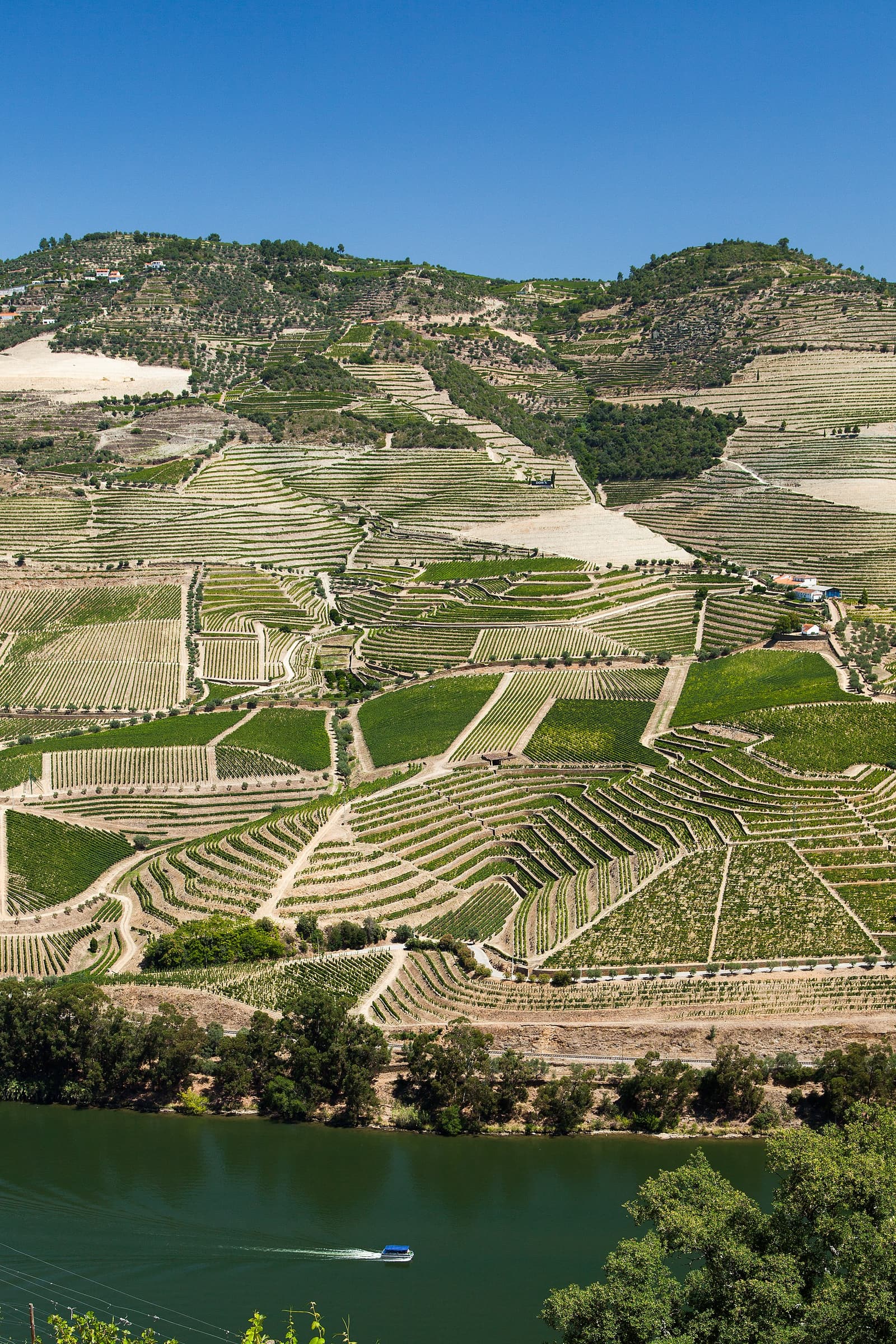 Vila Nova de Foz CôaVila Nova de Foz Côa, a city in the Guarda district of the Douro region, adjacent to the Côa Valley rock art classified as a World Heritage Site.
 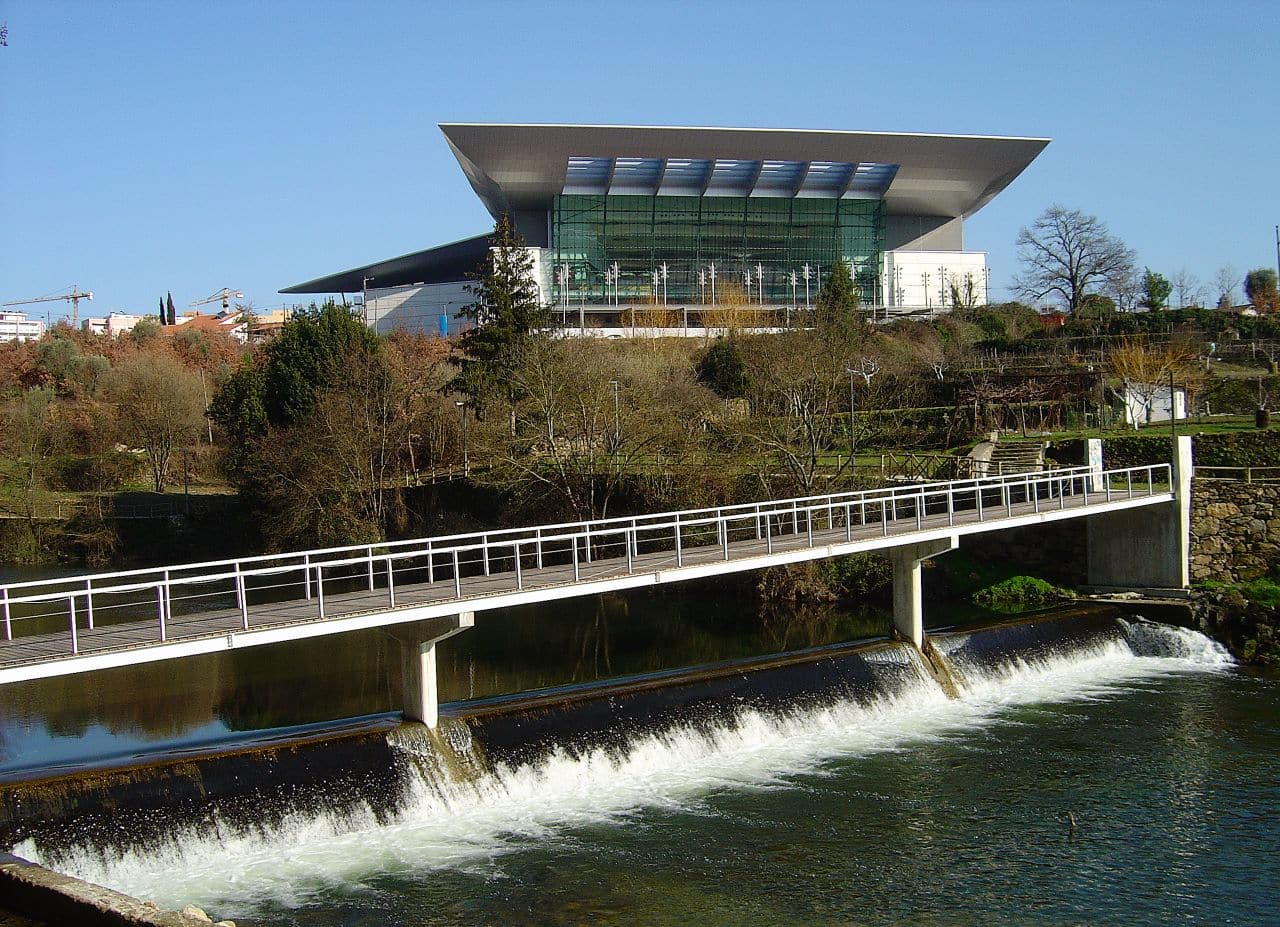 Vila RealVila Real, capital of Trás-os-Montes and Alto Douro, combines the Mateus Palace, the Gothic Cathedral, and the Roman sanctuary of Panóias near the Corgo River.
 Public Works
1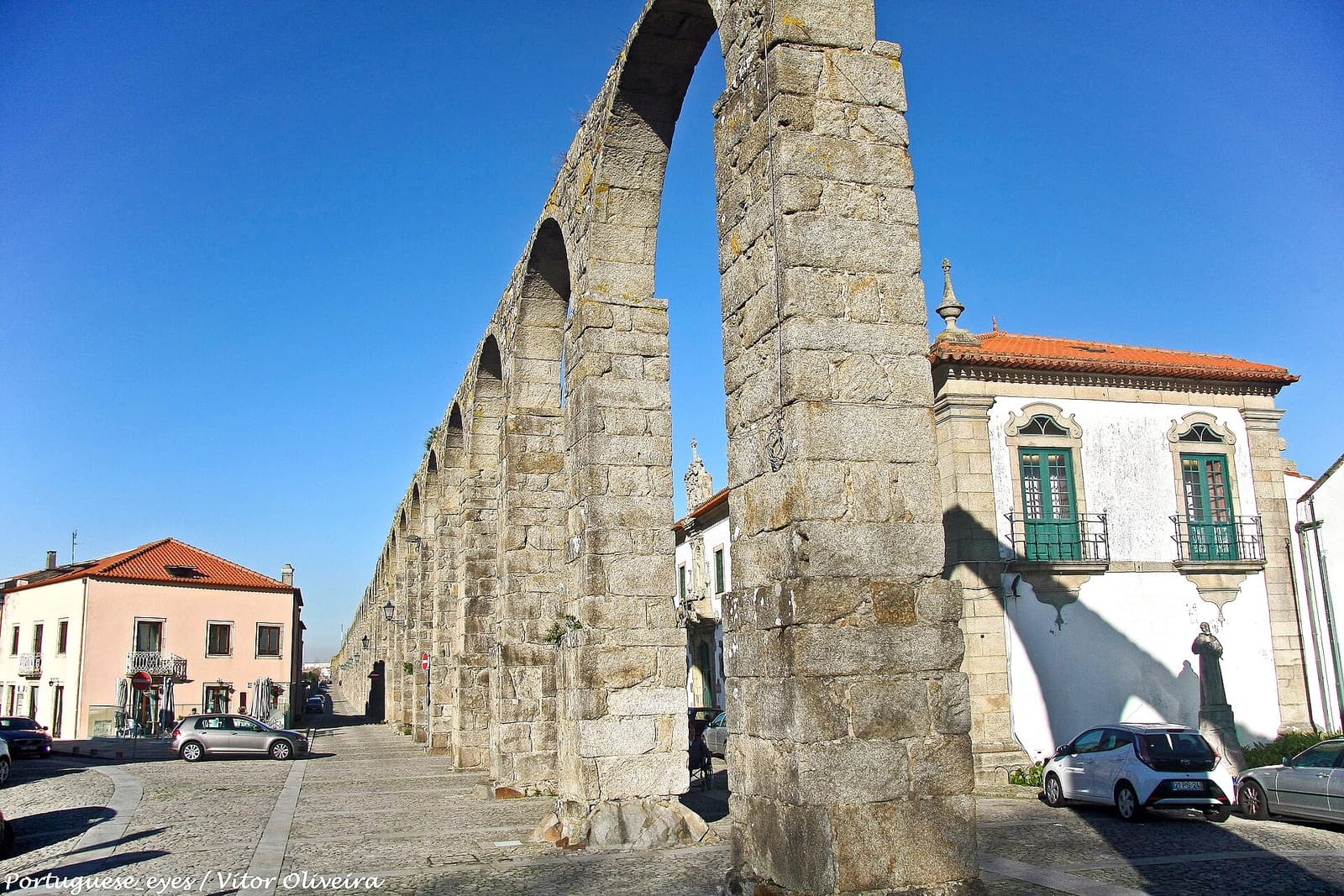
Frequently asked questions
- How many World Heritage Sites are there in Northern Portugal?
- There are five: the Historic Centre of Porto with the Luís I Bridge and the Serra do Pilar Monastery, the Historic Centre of Guimarães, the Alto Douro Wine Region, the Côa Valley (jointly with Siega Verde) and the Sanctuary of Bom Jesus do Monte in Braga.
- Which ancient provinces make up the North?
- The Northern Region roughly corresponds to the historic provinces of Minho, Douro Litoral and Trás-os-Montes e Alto Douro, traversed by the Minho and Douro rivers.
- Where was Portugal born?
- Tradition links the foundation of the kingdom to Guimarães, where Afonso Henriques was born, and to nearby Braga and the County of Portucale, in the heart of what is now the North.