Places
Vila Viçosa
Guide to Vila Viçosa, a ducal town in the Alentejo region of Évora district: the Ducal Palace of the Braganzas, the medieval castle, and the marble capital.
- Location
- Vila Viçosa, Évora
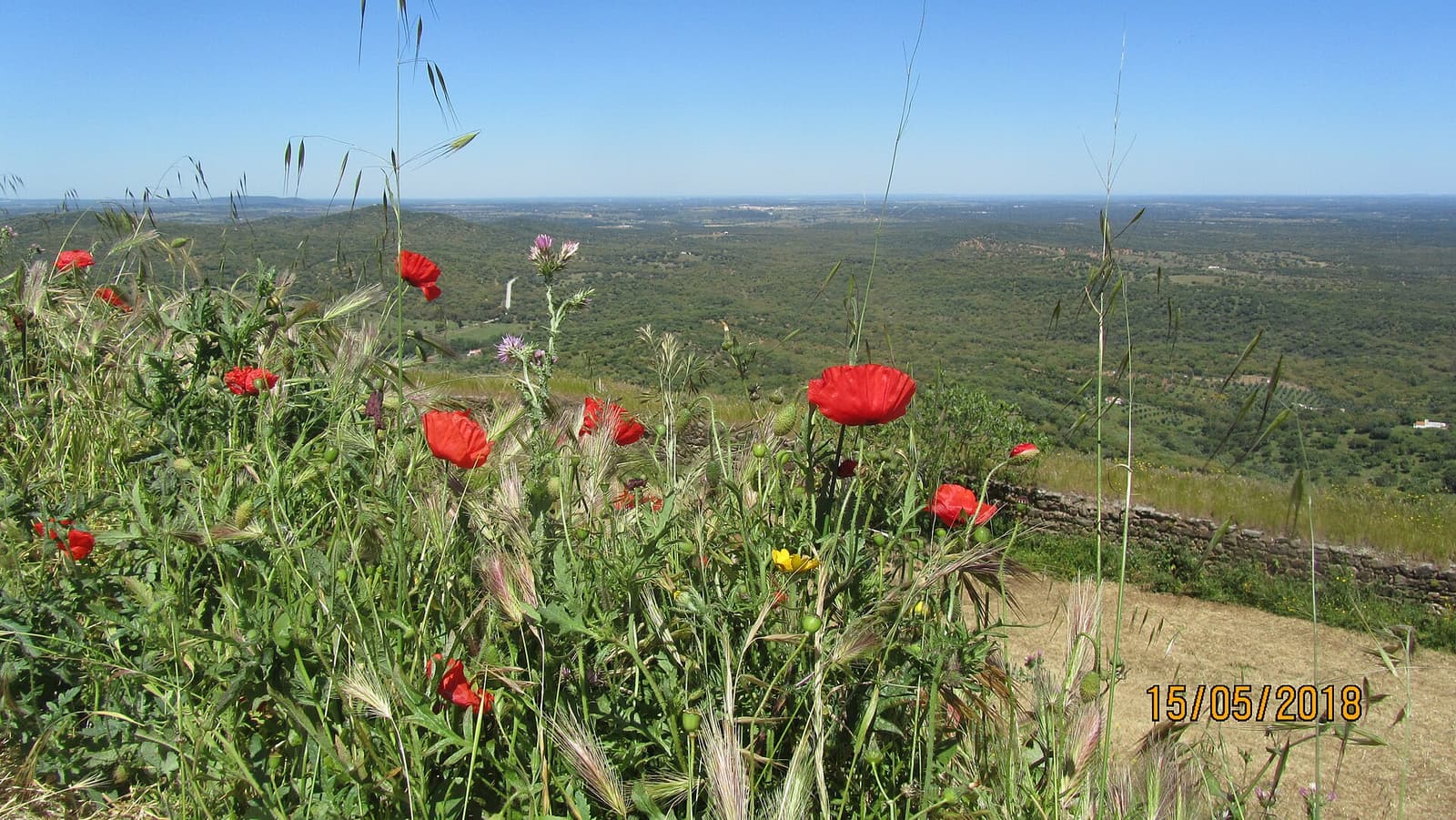
Vila Viçosa rises on a gentle hill in Central Alentejo, in the Évora district, midway between Estremoz and the border of Elvas. Its name—a corruption of Vale Viçoso (Lush Valley)—evokes the fertility of the surrounding plains, but its fame stems chiefly from two indelible marks: having been the court of the Dukes of Braganza for centuries and sitting atop one of Europe’s largest marble deposits. It is a town where the white stone and vivid red facades coexist with a monumentality that far exceeds its modest population size.
From medieval borderland to ducal court
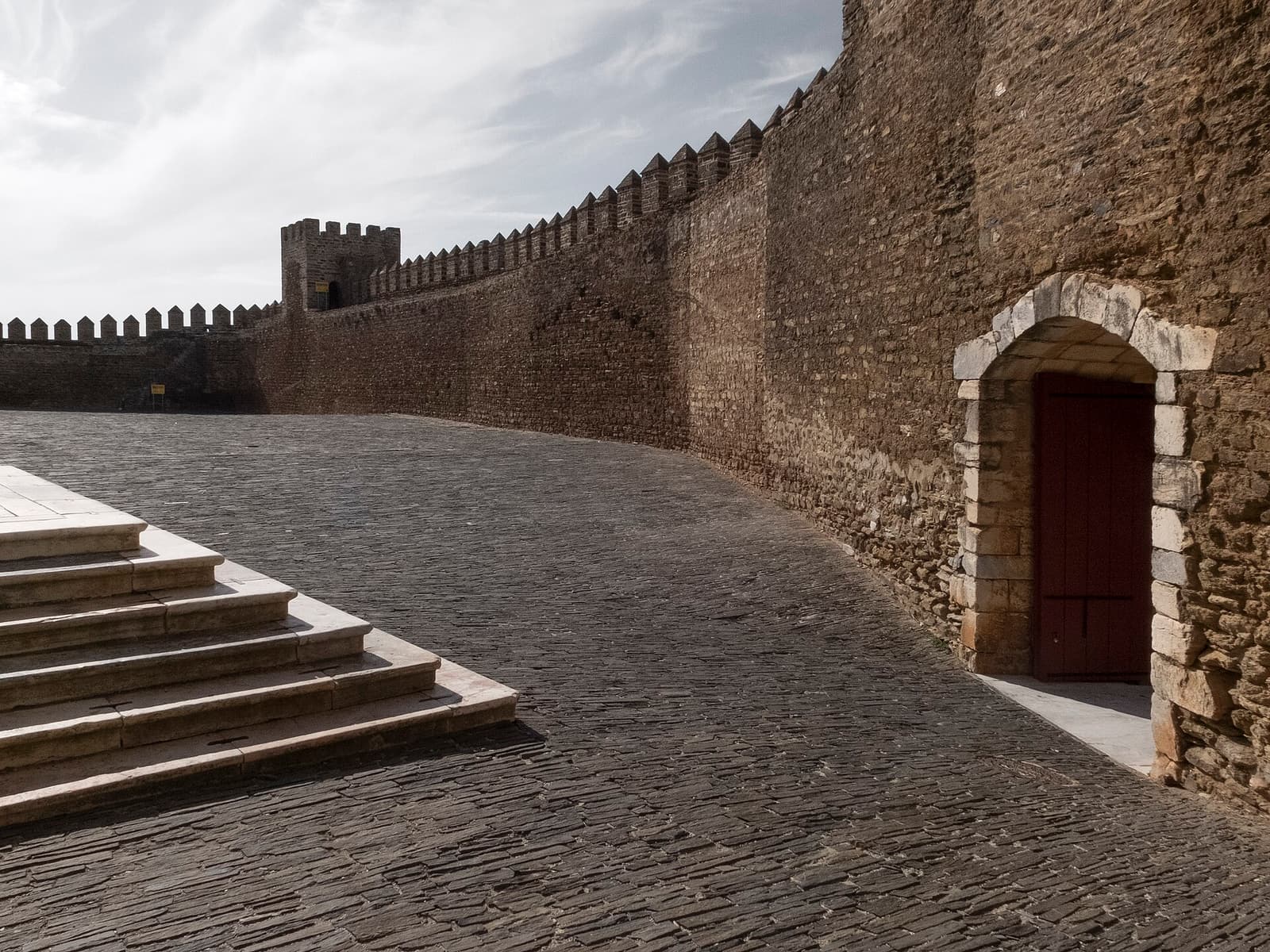
The settlement definitively entered the Portuguese sphere in 1217 during the reign of Dom Afonso II and received its charter from Dom Afonso III in 1270. Its position on the border, in territory contested between Portugal and Castile, justified the construction of a castle in the 14th century, now recognizable by its later bastioned enclosure. The true turning point came in 1461 when the town was incorporated into the Braganza lordship. From then on, and especially after the construction of the palace began in 1501 under Duke Dom Jaime, Vila Viçosa became the de facto capital of the kingdom’s most powerful noble house.
This centrality culminated in 1640 with the acclamation of Dom João IV—the eighth Duke of Braganza—as King of Portugal, marking the end of the Restoration. The Braganza dynasty would reign until 1910, and Vila Viçosa remained a symbolic royal reference, the stage for royal hunts and the place where, in 1908, Dom Carlos spent his final hours before the Lisbon regicide.
A cohesive monumental ensemble
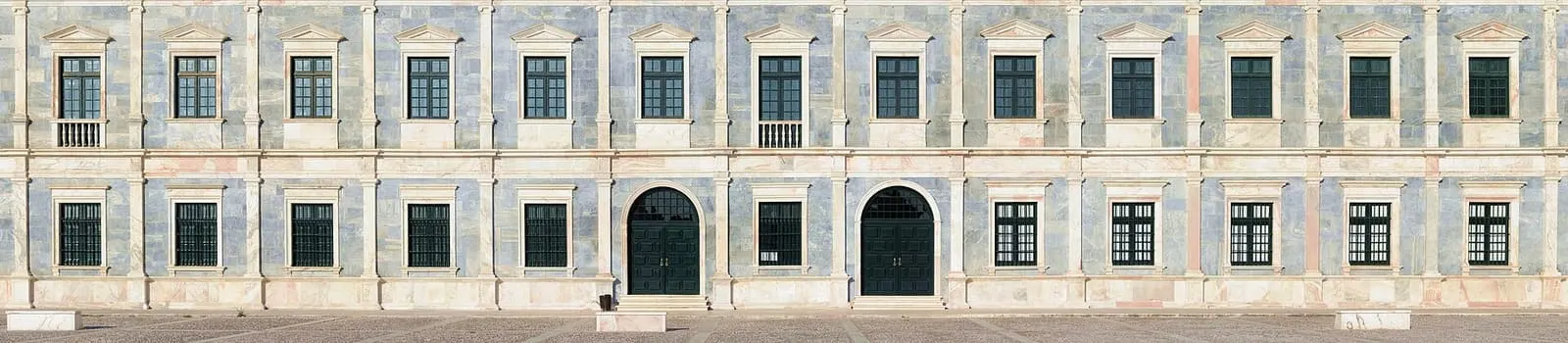
The heart of the town is the vast Terreiro do Paço, one of the largest squares in the country, dominated by the long marble facade of the Ducal Palace of Vila Viçosa, classified as a National Monument and now a museum and library of the House of Braganza Foundation. A short distance away, the Castle of Vila Viçosa encloses the old walled town, with its pillory, main church, and Hunting Museum.
Few places in Portugal blend local stone so completely with history: the same marble that clads the dukes’ palace paves the streets and frames the windows of ordinary houses.
The cohesion of this heritage led to the town’s nomination as a UNESCO World Heritage Site, included in the tentative list of Vila Viçosa as an outstanding example of a Renaissance ducal town. The ensemble is completed by the Convent of the Chagas, the pantheon of the duchesses, and the Sanctuary of Our Lady of the Conception, whose image was crowned by Dom João IV in 1646 when he consecrated the Portuguese crown to her.
The marble capital
Vila Viçosa forms, with Borba and Estremoz, the so-called marble triangle, one of the world’s most important extraction hubs. The open-pit quarries, with their turquoise-blue water pools and white slopes, create a unique industrial landscape. This abundance explains the profusion of refined stonework that distinguishes the town’s architecture and extends throughout the Alentejo, from the urban heritage of Évora to the countless whitewashed villages of the region.
Visiting Vila Viçosa is to traverse, in just a few steps, the memory of a dynasty and the materiality of stone. Those exploring the Alentejo will find here one of its most historically dense towns, where the Braganza legacy and marble tradition continue to define local identity.
Frequently asked questions
- Where is Vila Viçosa located?
- Vila Viçosa is a town and municipal seat in the Évora district of Central Alentejo, approximately 150 km east of Lisbon and close to Estremoz and Borba.
- Why is Vila Viçosa known as the marble capital?
- Due to the intensive extraction of white and pink marble from the Vila Viçosa–Borba–Estremoz triangle, one of Europe's largest marble-producing areas, which shapes the landscape and local economy.
- What is Vila Viçosa's connection to the House of Braganza?
- For centuries, it was the primary residence of the Dukes of Braganza, who built the Ducal Palace here starting in 1501; in 1640, Dom João IV, the eighth duke, was acclaimed King of Portugal.
Sources
Keep exploring
Heritage nearby
More places to discover from here. Approximate straight-line distances, within 50 km.