Epochen & Stile
Art Déco in Portugal
Art Déco in Portugal: The geometric language of the 1920s and 1930s in architecture, furniture, and graphic arts, from Lisbon to Porto.
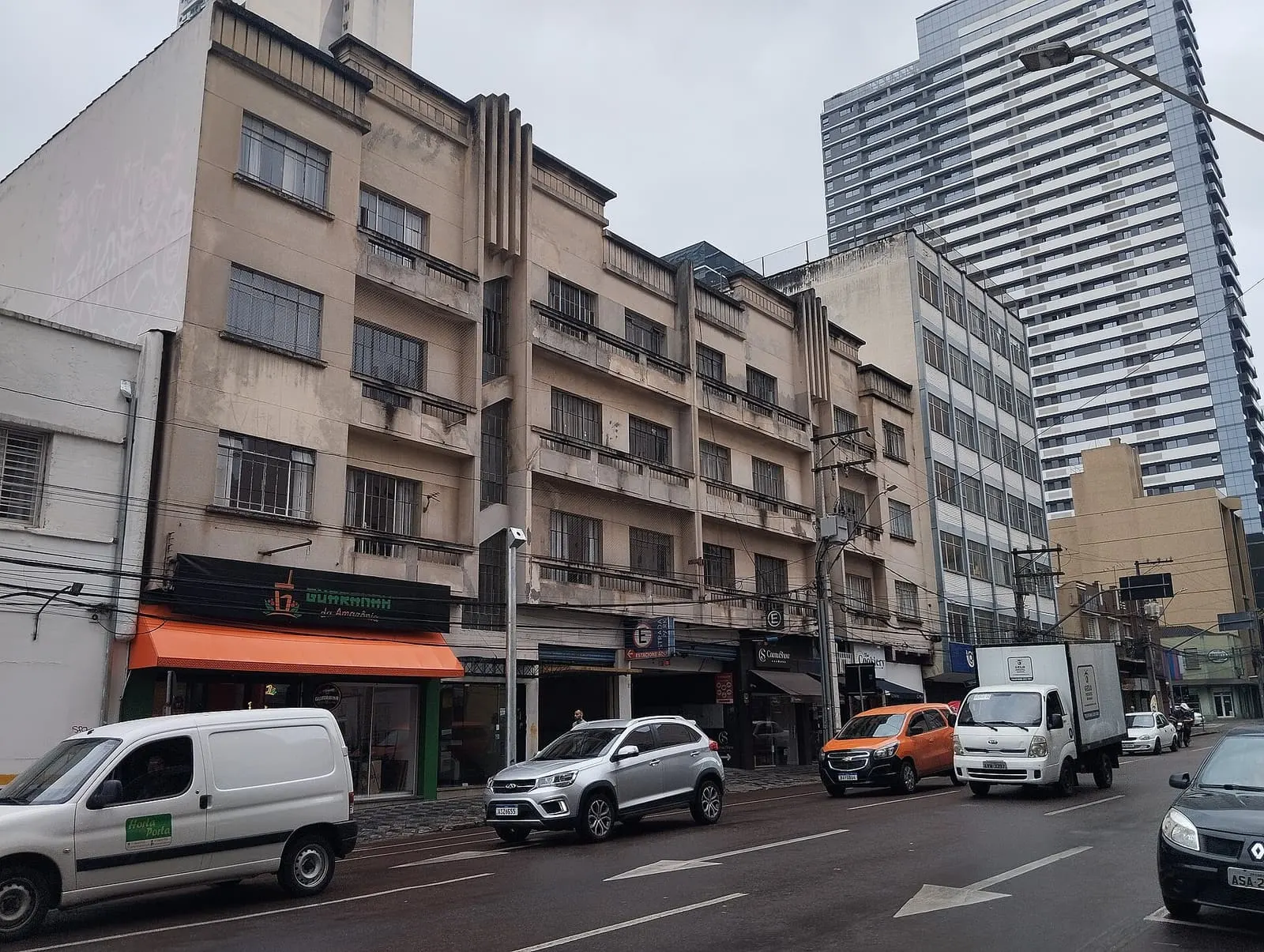
- Errichtet
- c. 1925–1940
- Stil
- Art Déco
Art Déco refers to the international decorative style that emerged from the International Exhibition of Modern Decorative and Industrial Arts, held in Paris in 1925, and which defined the aesthetics of the 1920s and 1930s. It is characterized by geometric forms, symmetry, the use of friezes, bas-reliefs, and stylized motifs—sunbursts, zigzags, fountains, slender figures—and by a blend of artisanal refinement and newfound confidence in machinery and speed. In Portugal, this vocabulary was enthusiastically received and spread from single-family homes to apartment buildings, cinemas, hotels, and public buildings.
A Transitional Language
Portuguese Art Déco occupies a pivotal place between Art Nouveau, with its organic and fin-de-siècle character, and the refined modernism that would dominate the following decade. Many architects trained at the Lisbon and Porto Schools of Fine Arts, still within the academic Beaux-Arts tradition, but encountered avant-garde movements—the 1925 Exhibition itself served as a turning point for several of them. The result is an architecture that retains classical composition and a monumental sense but replaces historical ornamentation with geometric and abstract decoration.
Art Déco was, to a large extent, the first truly global style, and in Portugal, it translated less into a rupture than into an elegant compromise between academic heritage and the desire for modernity.
Portugal was not officially represented at the 1925 Exhibition, but Portuguese art made its presence felt through the Azorean sculptor Ernesto Canto da Maia, who received an honorary diploma there. The event nonetheless left a lasting mark on the national visual culture, further fueled by the circulation of magazines, films, and imported objects.
Works and Key Figures
The figure most associated with Portuguese Art Déco is Cassiano Branco (1897–1970), a solitary and inventive architect whose work encapsulates the theatricality of the style. His designs include the Éden Cine-Theatre in Lisbon’s Praça dos Restauradores—conceived around 1931 and inaugurated in 1937, after the author withdrew and the project was completed by Carlos Florêncio Dias—and the Hotel Vitória on Avenida da Liberdade, opened in 1936. In Porto, he designed the Coliseu, completed in 1939, one of the city’s major entertainment venues.
In Porto, José Marques da Silva—creator of the São Bento Station—designed Casa de Serralves, built for the second Count of Vizela between 1925 and 1944. The villa, now part of the Serralves Museum, is a rare example of a fully Art Déco work in Portugal, benefiting from the involvement of top Parisian figures such as architect Charles Siclis, cabinetmaker Jacques-Émile Ruhlmann, glassmaker René Lalique, and metalworker Edgar Brandt.
The style was not limited to high-profile works. It spread to provincial cinemas, municipal markets, apartment facades, and commercial establishments, contributing to a certain urban image of the 1930s and 1940s. Cinemas and bandstands are, in fact, one of the areas where Art Déco taste has best survived.
Decline and Legacy
From the mid-1930s onward, Art Déco was gradually absorbed and replaced. On one hand, by the horizontal-line international modernism; on the other, by the monumental and nationalist rhetoric of Estado Novo architecture, which revived traditional Portuguese references. The Art Déco vocabulary would see brief resurgences in the 1950s and 1960s.
Its legacy remains visible across the country and is now the subject of growing heritage recognition, with works internationally acknowledged as among the finest examples of the style. More than an interlude, Art Déco was Portugal’s first major experience of architectural modernity—joyful, decorative, and cosmopolitan—paving the way for the ruptures that followed. To situate this moment within the broader arc of the country’s built history, see the overview of periods and styles in Portuguese architecture.
Häufige Fragen
- What distinguishes Art Déco from architectural modernism?
- Art Déco retains a strong decorative investment, with geometric motifs, friezes, and bas-reliefs applied to still symmetrical volumes, while radical modernism strips away ornament and prioritizes function and horizontal lines. In Portugal, both coexisted in the 1930s, sometimes within the same work.
- What are the most well-known examples of Art Déco in Portugal?
- The Éden Cine-Theatre and Hotel Vitória in Lisbon, the Coliseu do Porto, and Casa de Serralves in Porto are among the most emblematic works of Portuguese Art Déco taste.
- Who was the main architect of Art Déco in Portugal?
- Cassiano Branco (1897–1970) is the figure most associated with Portuguese Art Déco, author of the Éden and Hotel Vitória, although the style spread to many other designers and all types of buildings.