Archäologie
Penascosa
Penascosa, in Castelo Melhor, is the most visited rock art site in the Côa Valley, featuring horses and aurochs engraved on schist over twenty thousand years ago.
- Lage
- Castelo Melhor, Vila Nova de Foz Côa, Guarda
- Errichtet
- c. 22 000–10 000 a.C.
- UNESCO
- Welterbe · seit 1998
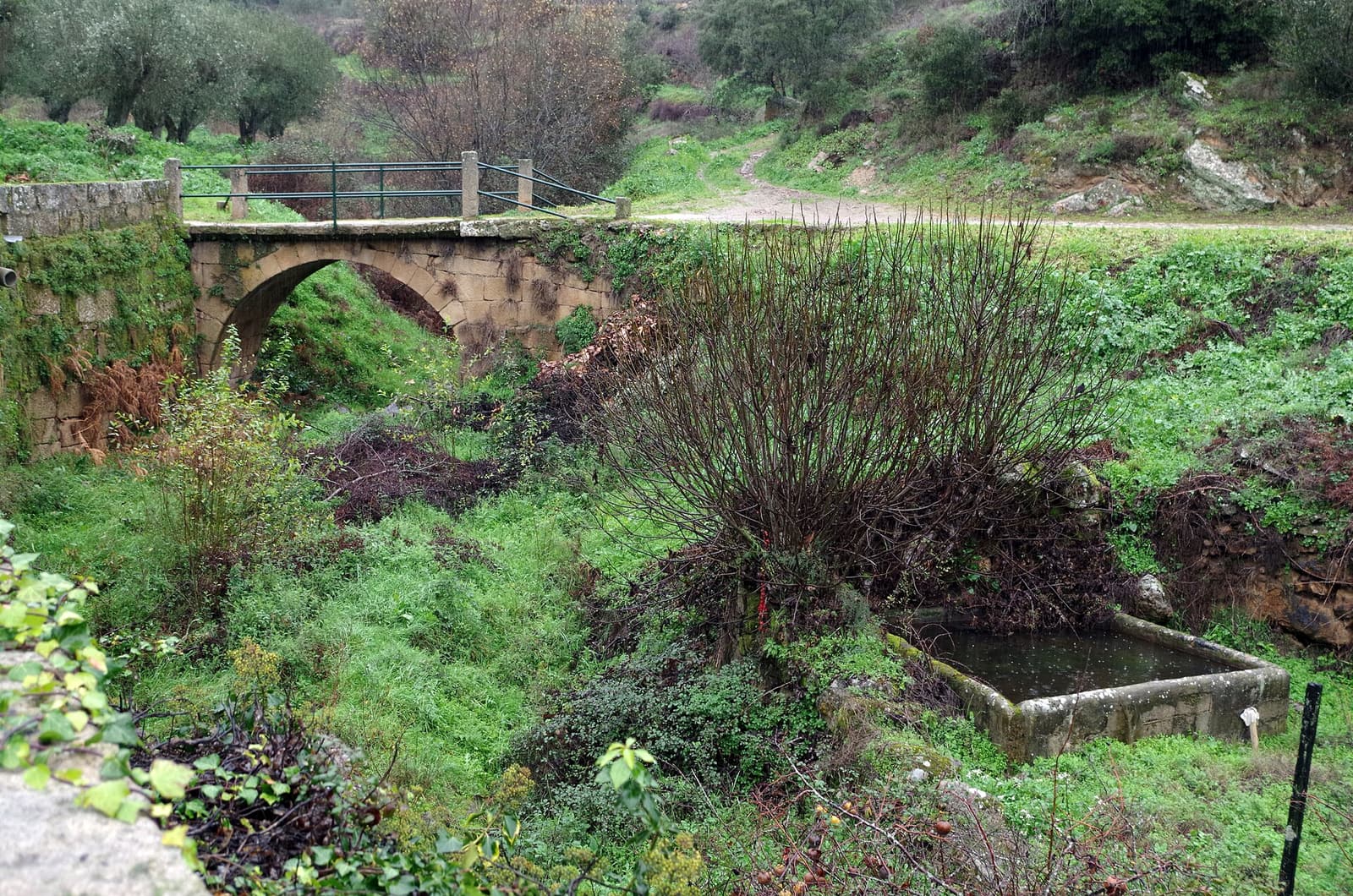
Penascosa is one of the most famous rock art sites in the Côa Valley and the most visited in the Archaeological Park, distinguished by the density of engraved rocks, the visibility of the chiseled motifs, and the serene beauty of the place. It is located on a wide river beach on the right bank of the Côa River, in the municipality of Vila Nova de Foz Côa, in the parishes of Castelo Melhor and Almendra, in the Guarda district. Visits to this site, which is part of the largest known open-air Paleolithic art complex in Europe, are organized from the village of Castelo Melhor.
A sanctuary on the banks of the Côa
The engravings of Penascosa are part of the major discovery of the Côa Valley, publicly announced in 1994, which led to the abandonment of the planned dam on the river and the creation of the archaeological park. Like the nearby Canada do Inferno, the schists of Penascosa were worked by Upper Paleolithic hunter-gatherer communities, between approximately twenty-two thousand and ten thousand years before our era, spanning all phases of the valley’s art, from the late Gravettian to the Magdalenian.
The choice of a rock near the water, facing the passage of animals, suggests that these panels were not casual drawings but a deliberate place—an open-air sanctuary revisited over millennia.
The location on a pebble beach, at the bottom of a river meander, was likely decisive: it was a passage and watering point for the fauna that the same groups hunted and chose to represent in stone.
The engravings
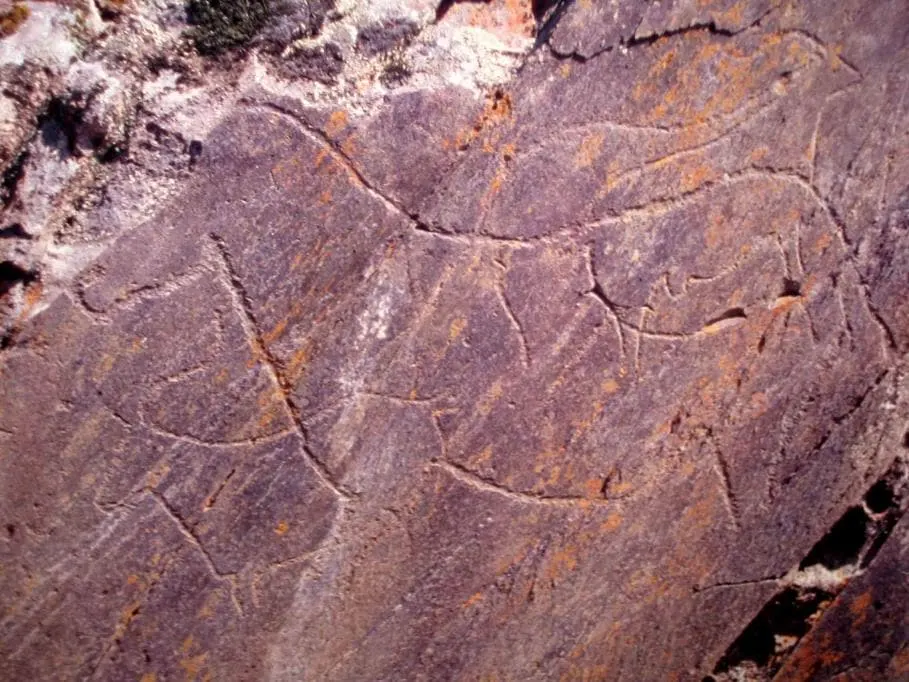
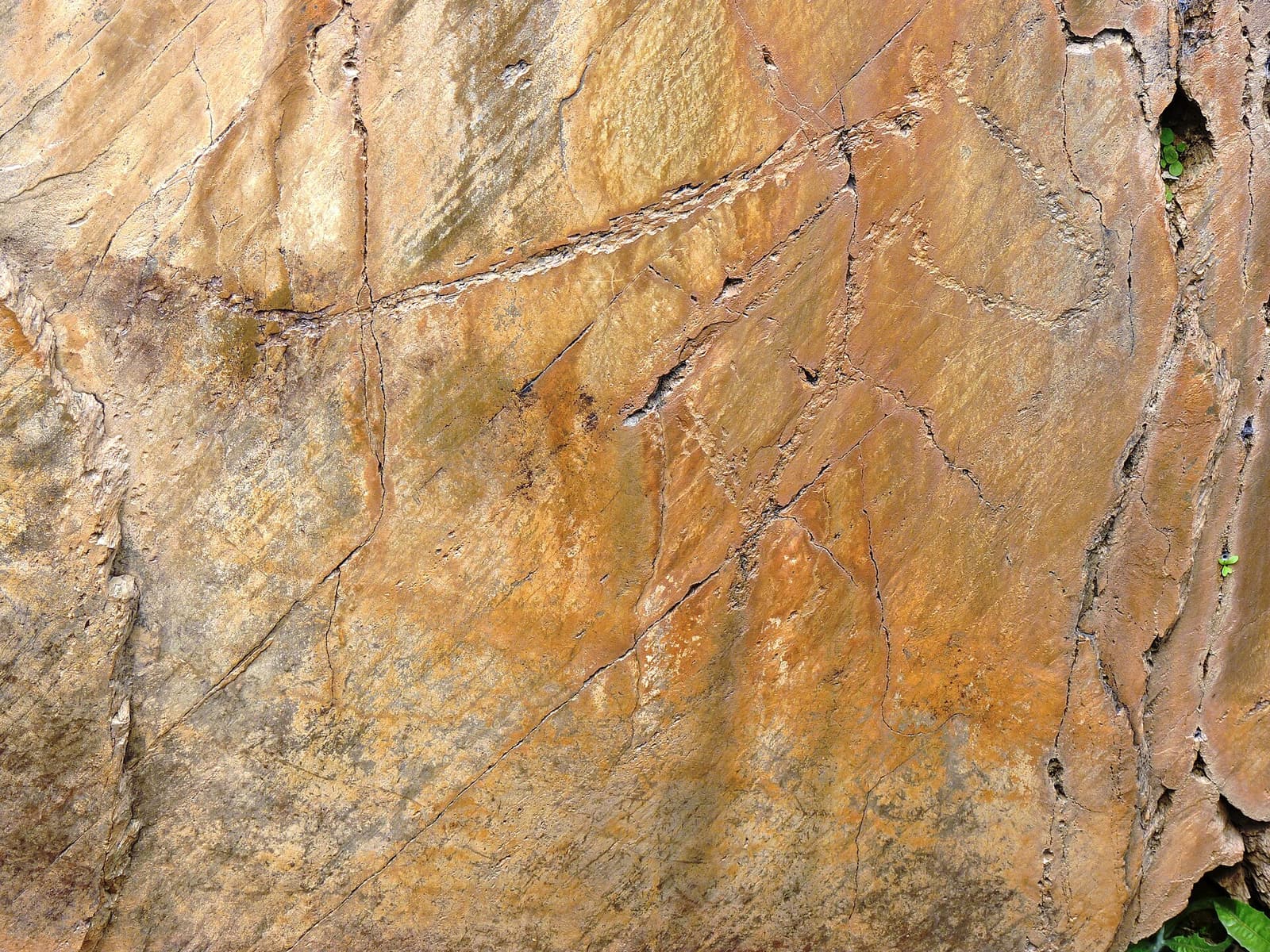
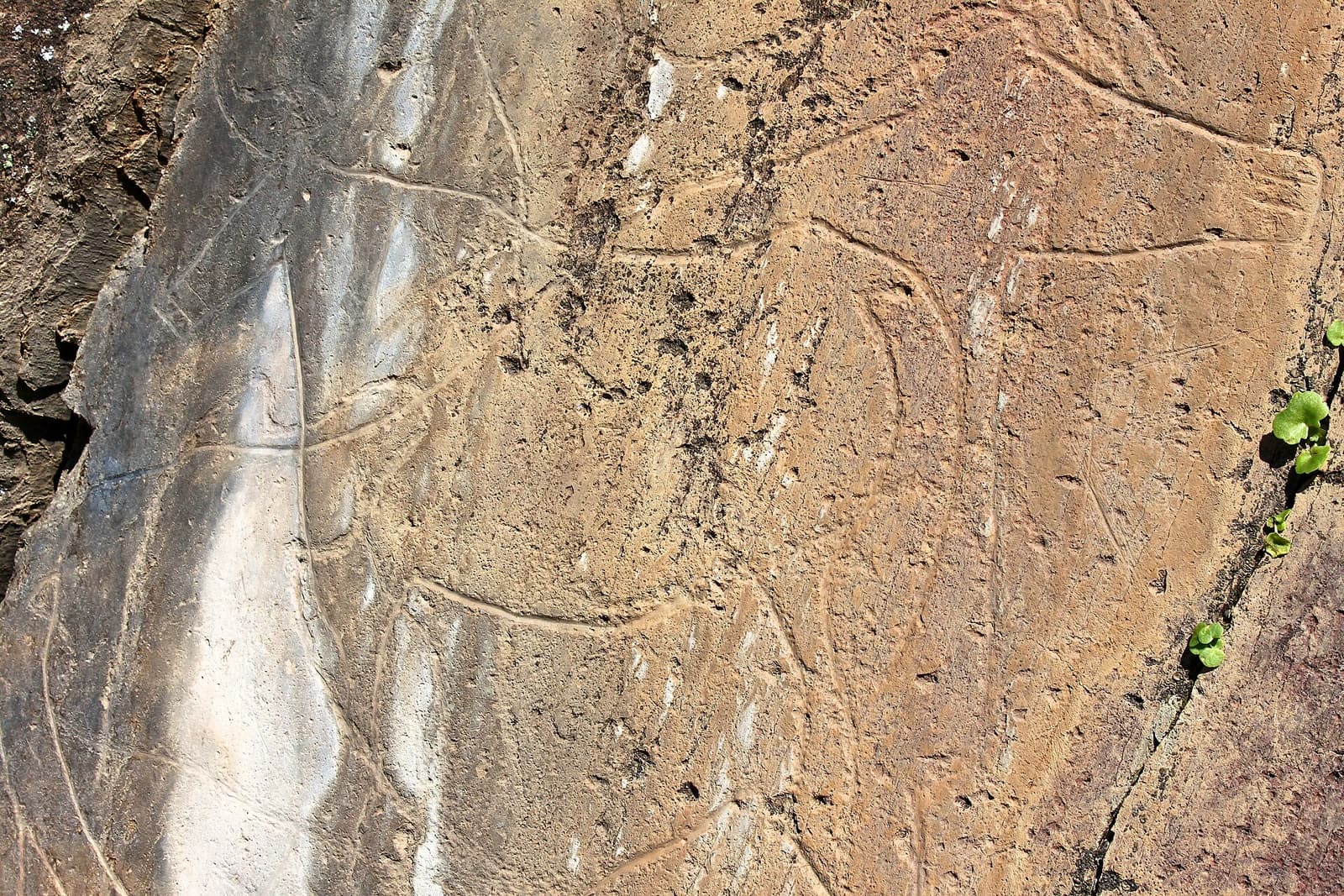
The repertoire of Penascosa is dominated by the large herbivores characteristic of the Paleolithic rock art of the Côa—horses, aurochs, deer, and ibex—along with the rarer depiction of a fish. The figures were mainly obtained by pecking, hammering the schist surface with a harder percussor, but also by abrasion and fine incised lines, techniques that sometimes appear combined and overlapping on the same rock.
Some surfaces condense dozens of animals in palimpsests that accumulated over time: on a single rock, a pecked horse’s head may coexist with groups of abraded bovids superimposed on it. Rocks 5 and 10 are among the largest panels in the park, and Penascosa also preserves famous examples of ‘graphic animation,’ where duplicated limbs or heads aim to suggest the movement of the animals.
Significance and visit
Penascosa brings together, in a setting of rare tranquility, the best of Côa’s art, making it the preferred gateway for the public to the monumental complex of the Archaeological Park. The visit starts at the Castelo Melhor Reception Center, continues in an off-road vehicle, and ends with a short pedestrian route along the riverbank, alongside other sites open to visitors like Ribeira de Piscos.
The possibility of night visits, with grazing light, adds a particular dimension: it is under oblique light that the grooves in the schist gain relief and depth, restoring the legibility the figures had for those who engraved them over twenty thousand years ago, by the flickering light of fire.
Häufige Fragen
- How do you visit the Penascosa site?
- The visit starts at the Castelo Melhor Reception Center and continues in an off-road vehicle accompanied by a guide, along approximately six kilometers of dirt road between almond and olive trees. The final pedestrian route, about 600 meters, is easy and lasts about an hour and a half in total.
- Is it possible to see the Penascosa engravings at night?
- Yes. Penascosa offers night visits where the engravings are illuminated with artificial grazing light. The oblique light highlights the chiseled grooves in the schist and allows clear viewing of figures that, in daylight, blend with the rock.
- Which animals are represented in Penascosa?
- The large herbivores of the Upper Paleolithic predominate—horses, aurochs, deer, and ibex—often overlapping on the same rock. Penascosa preserves some of the most spectacular panels in the park, such as Rocks 5 and 10.
Quellen
Weiter entdecken
Kulturerbe in der Nähe
Weitere Orte in der Umgebung entdecken. Ungefähre Entfernungen als Luftlinie, im Umkreis von 50 km.