Typologies
Architectural Tilework
Architectural tilework in Portugal: glazed ceramic coverings applied to façades and interiors, from Mudéjar tradition to modernism.
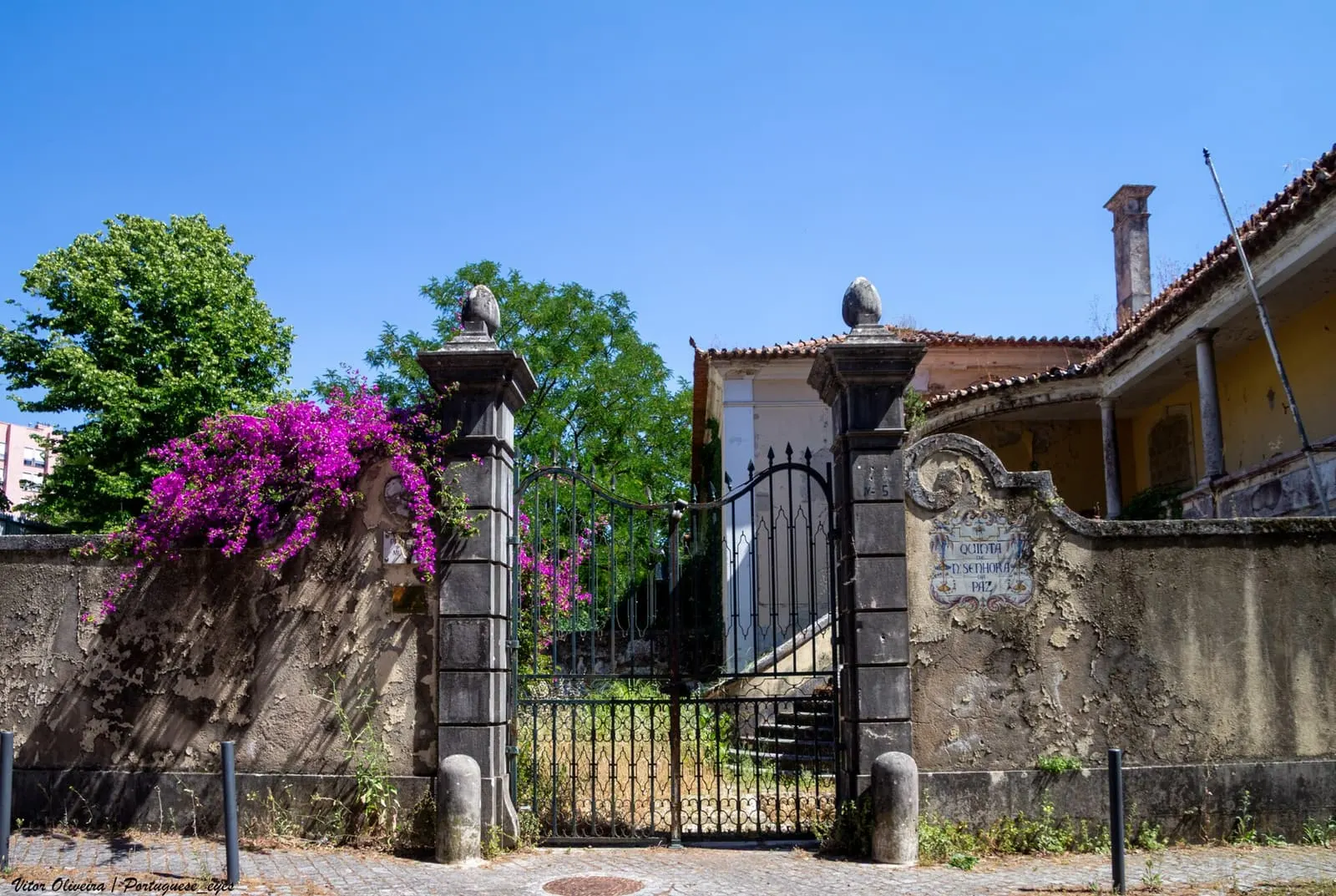
Architectural tilework refers to the ensemble of glazed ceramic coverings designed for application to building surfaces — façades, interior walls, vaults, wainscoting, staircases, fountains, and garden benches. More than a decorative technique, it constitutes a way of conceiving ornamentation in close connection with architecture: panels are not isolated but designed for specific walls, engaging with the floor plan, light, and function of the space. It is in this integration that the originality of the Portuguese tradition lies, which made the azulejo one of the most recognizable features of the country’s built heritage.
From Mudéjar Heritage to Mass Production
The first coverings arrived in Portugal in the late 15th century, imported from Seville. These were Hispano-Moresque tiles, executed using the corda seca and aresta techniques, organizing geometric patterns of Islamic origin into carpet-like compositions. Their application in palaces and churches — such as the famous coverings of the Royal Palace of Sintra — introduced a grammar that quickly became independent of the imported model.
The decisive turning point came in the mid-16th century with the arrival of Italian-inspired majolica techniques, which allowed freehand painting on the white tin-glazed surface. Tiles ceased to be merely modular patterns and became supports for imagery. Workshops then emerged in Lisbon, and tilework began to compete with frescoes and tapestries in covering large wall surfaces.
The Golden Age and Figurative Tiles
The 17th and 18th centuries represent the pinnacle of architectural tilework. The 17th-century patterns, with repeated modules, covered entire walls of churches and convents, creating surfaces of strong chromatic impact. By the late 17th century, large narrative panels became dominant, particularly in the blue-and-white palette influenced by Chinese porcelain and European engravings.
Baroque figurative tiles solved a typically Portuguese problem: covering large areas with historical scenes at a much lower cost than painting or stonework, while maintaining legibility at a distance and resistance to the humidity of the Atlantic climate.
During this phase, masters like António de Oliveira Bernardes and his workshop elevated panels to signed and dated authored works. Coverings began to adorn naves, chapels, cloisters, and monumental staircases, organizing complete iconographic programs. For an in-depth reading of these cycles and their schools, see the page dedicated to Portuguese tilework.
From Urban Façades to Contemporary Art
The 19th century brought a democratization of tile coverings. With industrial production and Brazilian influence, tiles descended from monumental interiors to ordinary façades, covering residential and commercial buildings in relief patterns and vibrant colors. This generalization gave Portuguese cities one of their most distinctive urban marks — a theme explored in greater detail in the entry on façade tiles.
In the 20th century, tilework reinvented itself in Art Nouveau, modernism, and public commissions: railway stations, markets, schools, and later the Lisbon Metro became vast surfaces for contemporary creation. The typology thus maintains a rare continuity — five centuries of uninterrupted production — making Portugal a unique case in the global panorama of ceramic coverings.
As a category of built heritage, architectural tilework requires specific conservation criteria, attentive both to the masonry support and the fixing and glazing. The study and safeguarding of this typology have their reference center at the National Tile Museum, and are part of the broader framework of Portuguese built heritage typologies.
Frequently asked questions
- What distinguishes architectural tilework from other decorative arts?
- It stands out by being conceived in relation to built space: panels and patterns are designed to cover specific architectural surfaces — façades, walls, vaults, staircases — engaging with the structure and light of the building, rather than existing as autonomous pieces.
- Why did tiles become such a widely used covering in Portugal?
- They combine durability, waterproofing, and ornamentation. The glazed surface protects walls from humidity and facilitates cleaning, while allowing large areas to be covered at relatively low cost — qualities that explain their widespread use since the 16th century.
- Where can one see good examples of architectural tilework?
- In churches, palaces, cloisters, gardens, railway stations, and urban façades throughout the country. The National Tile Museum in Lisbon houses the reference collection and occupies the former Convent of Madre de Deus.