Places
Batalha
Batalha, a town in the district of Leiria that grew up around the Monastery of Santa Maria da Vitória, a masterpiece of the Gothic and Manueline styles listed…
- Location
- Batalha, Leiria
The town of Batalha stretches across a valley of the Serra dos Candeeiros, in the district of Leiria, a few kilometres from the field where, on 14 August 1385, the independence of Portugal was decided. The seat of a municipality in the Centro region, it owes not only its name but its very existence to that military event: the urban settlement formed around the monument ordered to be raised in thanksgiving for the victory, and it has never ceased to live in the shadow of its lacelike towers.
From Aljubarrota to the royal vow
On the morning of 14 August 1385, the forces of King João I, Master of Avis, and of his constable Nuno Álvares Pereira faced the numerically superior army of Castile on the fields of São Jorge, near Aljubarrota. The Portuguese victory consolidated the new Avis dynasty and warded off the threat of union with Castile. In fulfilment of a vow made to the Virgin Mary, the king ordered the construction of a great Dominican monastery about four kilometres from the site of the battle. It was around this building site, which lasted more than a century and a half, that the population settled — stonemasons, craftsmen, religious and merchants — and the settlement was born.
Few Portuguese towns were born of a vow: Batalha is, literally, the town of a promise fulfilled in stone.
The town received its own charter in 1500, granted by King Manuel I — the same monarch whose taste for exuberant ornamentation would leave a decisive mark on the monument. For centuries, the community was organised around the building and the worship celebrated within it, and its history is bound up with the various building campaigns that spanned the reigns of seven kings.
The monastery at the heart of the town
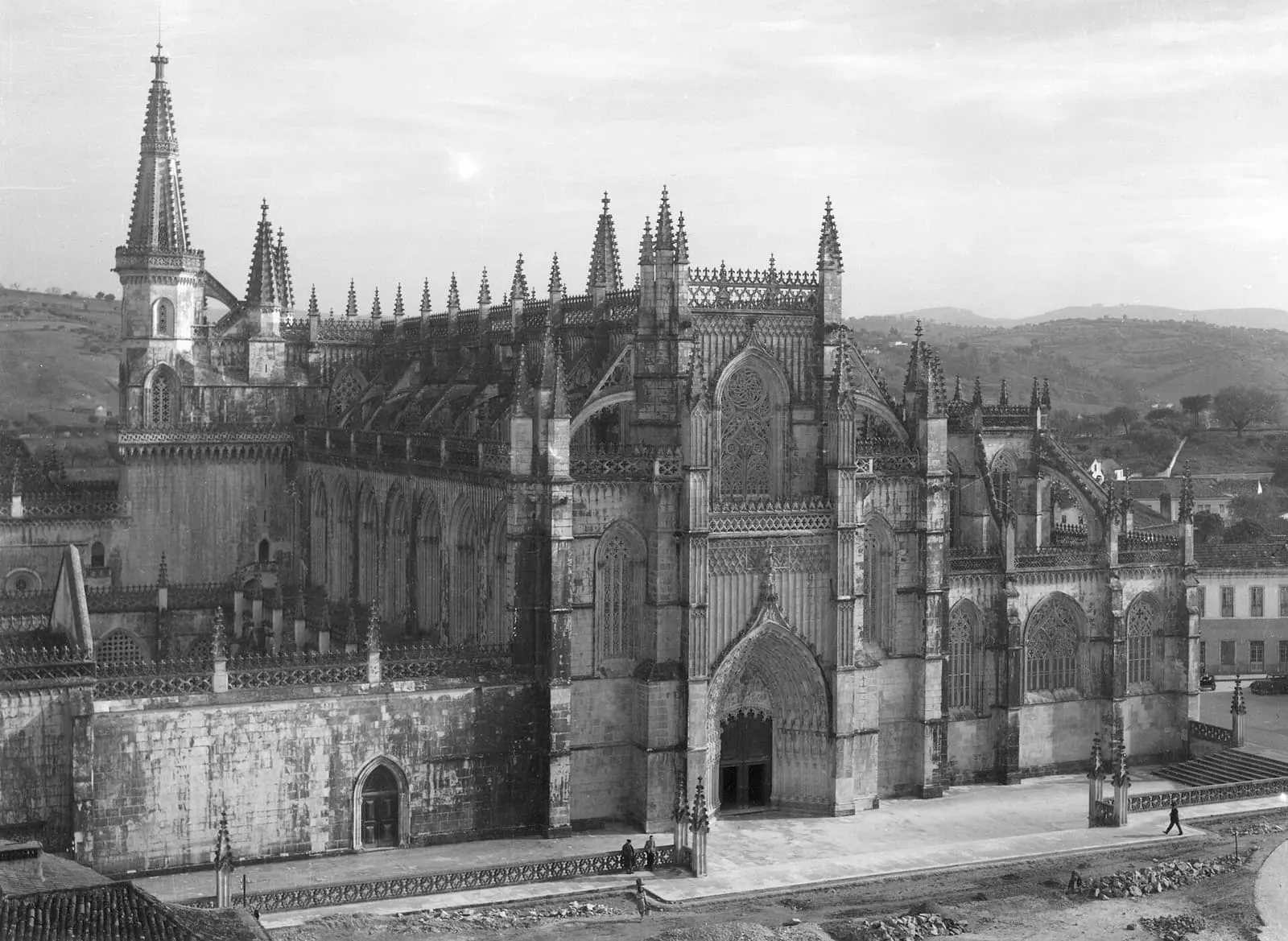
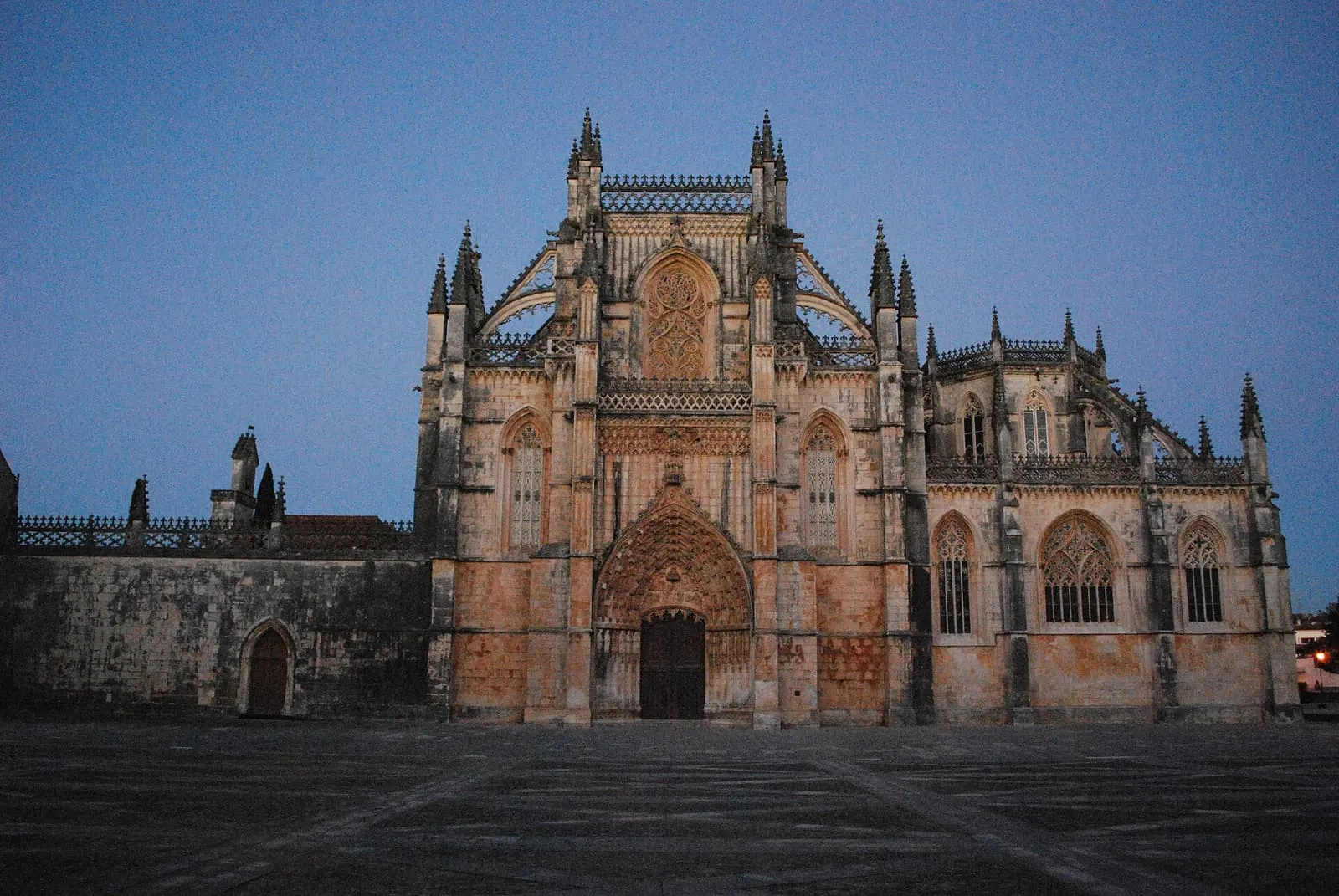
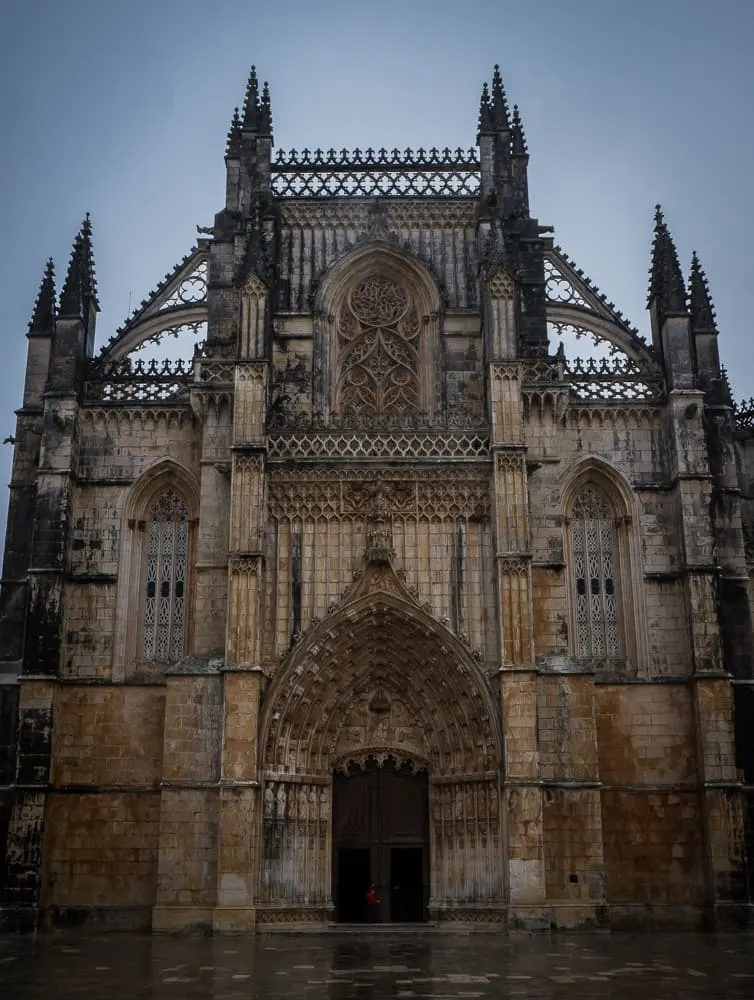
The town centre is laid out before the western façade of the Monastery of Santa Maria da Vitória, also known simply as the Monastery of Batalha and listed as a World Heritage Site by UNESCO in 1983. Begun in the late fourteenth century in a Gothic of international character, the complex was added to over generations, and in it one can recognise the transition to the Manueline style, evident above all in the portal of the Royal Cloister and in the unfinished Unfinished Chapels, whose octagon open to the sky is one of the most singular spaces in Portuguese architecture.
Inside, in the Founder’s Chapel, lie the tombs of King João I and of Queen Philippa of Lancaster, alongside their children, among them Prince Henry the Navigator. The permanent presence of the Unknown Soldier, in the Chapter House, has also made the monastery a place of national memory, linking the medieval victory to the Portuguese sacrifice in the First World War.
A territory of great medieval architecture
Batalha lies within one of the country’s densest territories in medieval religious architecture. Half an hour away rises the Cistercian abbey of Alcobaça, and to both monasteries is joined, further south, the Convent of Christ in Tomar, forming a monumental triangle that brings together three masterpieces listed by UNESCO. This concentration makes the sub-region a reference destination for the study of Iberian Gothic and Manueline architecture.
Beyond the monument, the municipality preserves a striking natural side: part of its territory extends across the Serras de Aire e Candeeiros Natural Park, with its limestone relief, caves and karst landscape. But it is the silhouette of the monastery’s pinnacles that continues to define the town. Set within the heritage ensemble of the Centro region, Batalha remains what it has always been: the settlement that grew up to guard the memory of a battle and the monument that perpetuates it.
Frequently asked questions
- Where is Batalha?
- Batalha is a town and the seat of a municipality in the district of Leiria, in the Centro region, about 120 km north of Lisbon and close to Leiria, Alcobaça and Porto de Mós.
- Why is it called Batalha?
- The place name recalls the Battle of Aljubarrota, fought in 1385, in which King João I defeated the Castilian troops. The monastery raised in thanksgiving gave its name to the settlement that grew up around it.
- What makes Batalha famous?
- It owes its fame to the Monastery of Santa Maria da Vitória, one of the summits of the Gothic and Manueline styles in Portugal, listed as a UNESCO World Heritage Site since 1983.
Sources
Keep exploring
Heritage nearby
More places to discover from here. Approximate straight-line distances, within 50 km.