Monuments
Monastery of Santa Maria da Vitória
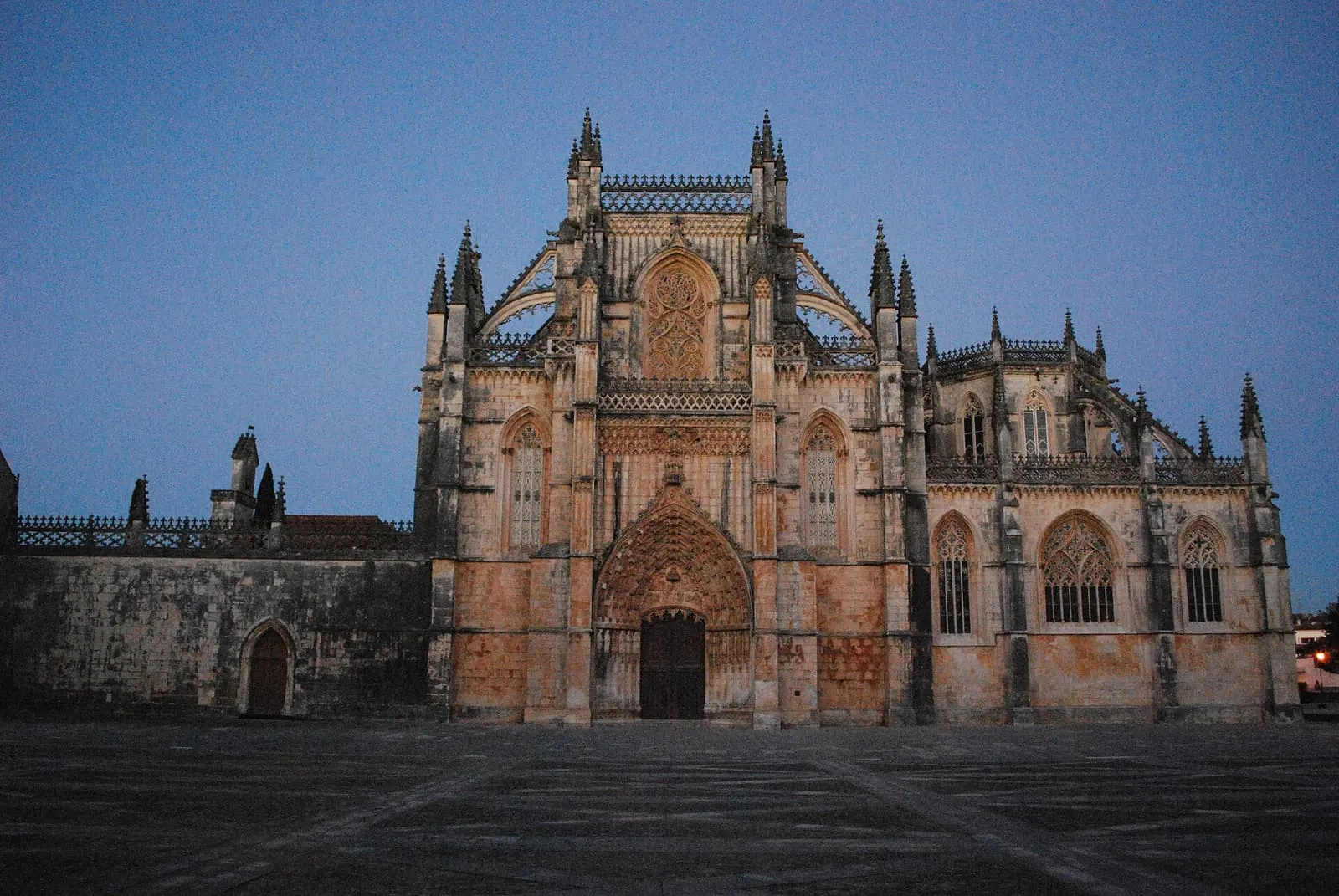
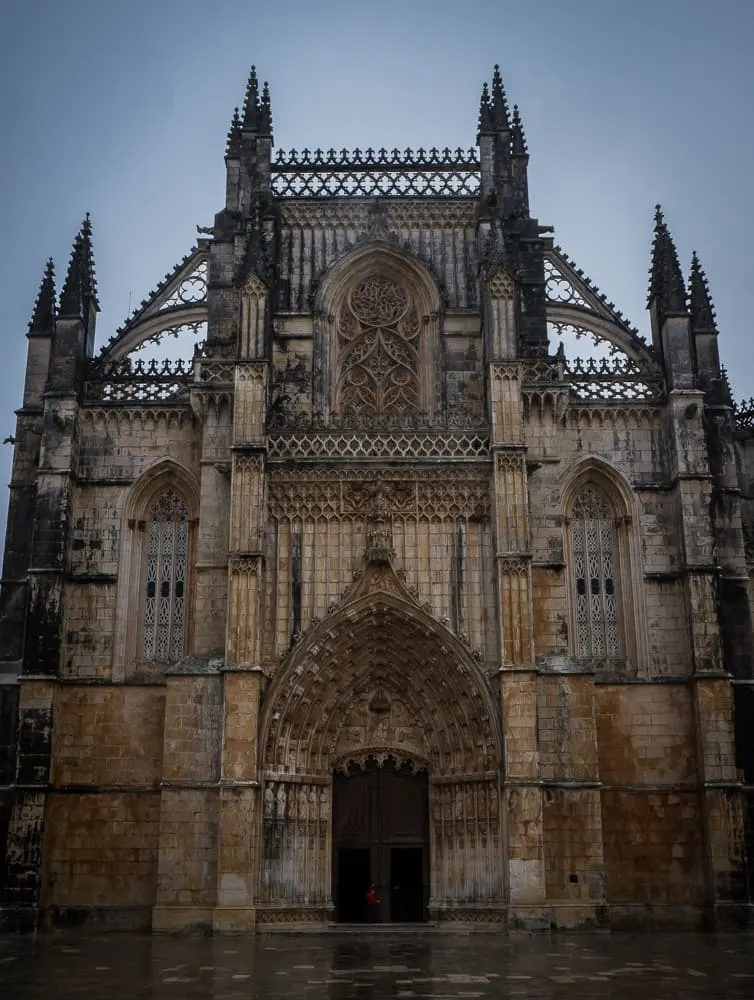
Monastery of Santa Maria da Vitória in Batalha: the historical designation and context of the foundation of the great Dominican monastery built by King João I…
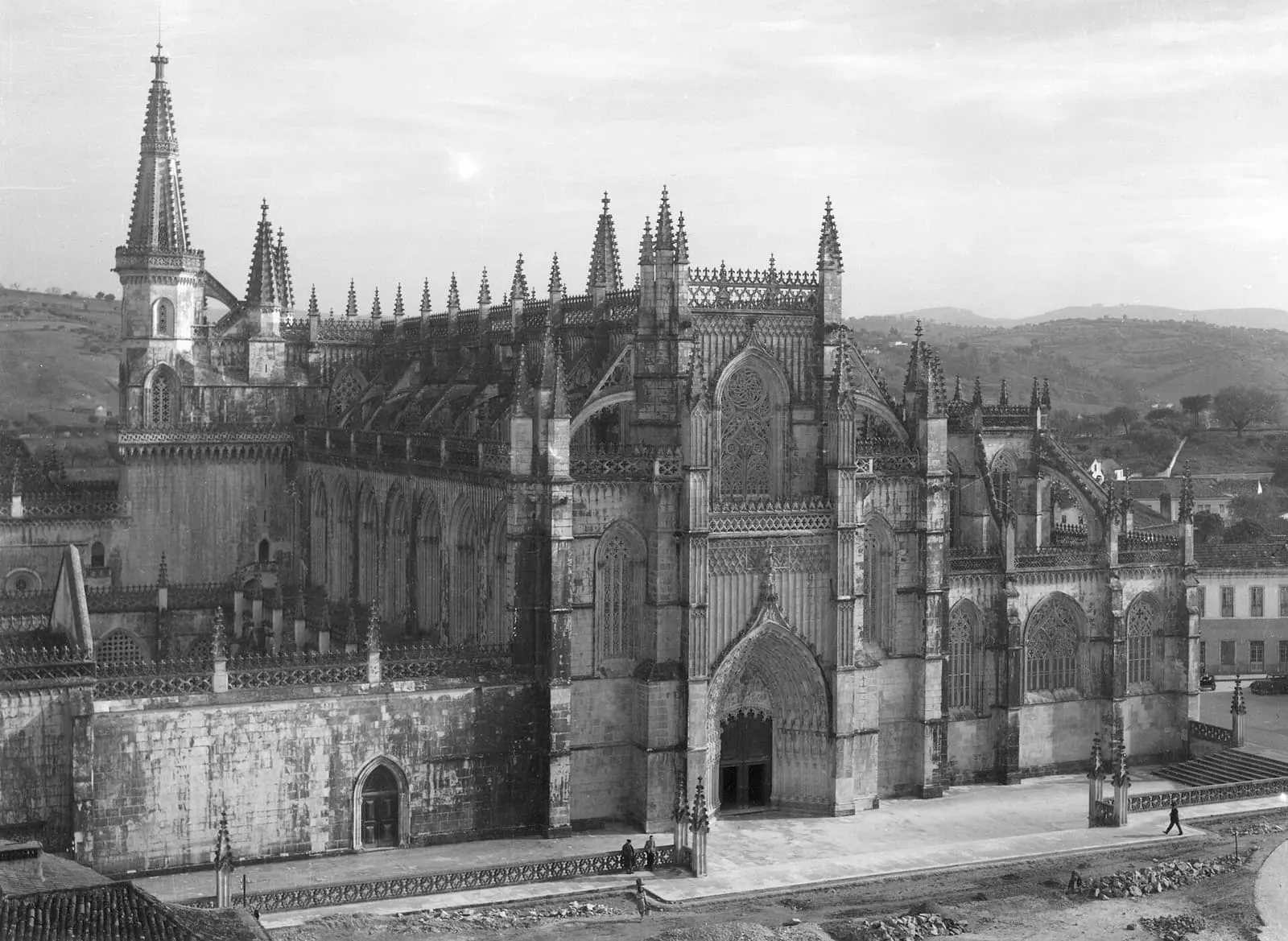
- Location
- Batalha, Leiria
- Built
- 1386–1517
- Style
- Gótico e Manuelino
Monastery of Santa Maria da Vitória is the historical and devotional designation of the great monastic complex that stands in the town of Batalha, in the district of Leiria. Although today it is universally known as the Monastery of Batalha — a name it adopted from the settlement that grew in its shadow — it was under the invocation of Santa Maria da Vitória that King João I ordered its construction and that it remained consecrated throughout its religious history.
Origin of the name
The title stems directly from the circumstances of its foundation. On the eve of the Battle of Aljubarrota, fought on 14 August 1385, King João I, then Master of Avis, is said to have vowed to build a monastery if he emerged victorious from the confrontation with the Castilian army. The Portuguese victory, decisive for the consolidation of the Avis dynasty and the kingdom’s independence, was attributed to the protection of the Virgin Mary. In fulfillment of his promise, the monarch dedicated the new temple to Santa Maria da Vitória, inextricably linking Marian devotion to the memory of military triumph.
The choice was not merely formal. The dedication to Our Lady of Victory placed the monument within a tradition of votive shrines commemorating military feats and simultaneously endowed it with the function of a dynastic memorial. The monastery became the royal pantheon of the first Avis monarchs, housing the tombs of King João I and Queen Philippa of Lancaster in the Founder’s Chapel, as well as those of the princes of the so-called ‘Illustrious Generation’.
Foundation and Dominican community
Construction began around 1386 under the direction of master builder Afonso Domingues and continued, with several campaigns and interruptions, until around 1517, spanning the reigns of seven monarchs. The long chronology explains the coexistence of the Gothic style of the early phases with the exuberance of the Manueline style in the Unfinished Chapels and the royal cloister.
The guardianship of the monastery was entrusted to the Order of Preachers, the Dominican friars, a choice that reinforced its character as a royal foundation linked to a mendicant order of great theological prestige. The community settled there from the early years of construction and remained for over four centuries, ensuring worship, the celebration of royal memorials, and conventual life until the dissolution of religious orders in Portugal in 1834. From that date, the building came under state guardianship and began a long process of restoration and heritage valorization, being recognized as a national monument in 1910.
Current designation
The dual designation reflects two interpretations of the same heritage. ‘Santa Maria da Vitória’ preserves the votive and religious dimension of the foundation; ‘Monastery of Batalha’ expresses the geographical and popular identity established by usage. Heritage inventories — from DGPC to SIPA — typically record both forms, and its inscription on the UNESCO World Heritage List in 1983 made the latter name the most widely recognized internationally. Framed within the universe of Portuguese medieval monasteries, the monument retains in its original invocation the key to understanding why it was built.
Frequently asked questions
- Why is it called the Monastery of Santa Maria da Vitória?
- This is the canonical designation of the monument, linked to King João I's vow to the Virgin Mary before the Battle of Aljubarrota (1385). The Portuguese victory was attributed to the intercession of Our Lady, and the monastery was dedicated to her in thanksgiving. The popular name 'Monastery of Batalha' derives from the toponym of the town that grew around it.
- Which religious order did the monastery belong to?
- It was entrusted to the Order of Preachers, the Dominican friars, who settled there from the beginning of construction and remained until the dissolution of religious orders in Portugal in 1834.
- Is it the same as the Monastery of Batalha?
- Yes. 'Monastery of Santa Maria da Vitória' is the formal and devotional name of the complex, while 'Monastery of Batalha' is the common designation, now also used in UNESCO's classification.
Sources
Keep exploring
Heritage nearby
More places to discover from here. Approximate straight-line distances, within 50 km.