Places
Centro de Portugal — Heritage of the Beiras
Between the ocean and the Spanish border stretches the Centro Region, the geographic heart of Portugal and, perhaps, its historic heart too. This is the land of the Beiras — Litoral, Alta and Baixa — a territory of mountains, valleys and plateaus where an extraordinary density of heritage is concentrated: thousand-year-old universities, monasteries inscribed by UNESCO, walled towns and the oldest human art in Europe, carved into the rock of the Côa.
In administrative terms, the region corresponds to the districts of Coimbra, Aveiro, Viseu, Guarda and Castelo Branco, with the addition of part of the district of Leiria. But it is the memory of the Beiras, the historic provinces that preceded it, that best explains its identity.
The coastal strip: learning and sea
Along the coast, the Centro Region is dominated by Coimbra, seat of one of the oldest universities in continuous operation in the world. The University of Coimbra — Alta and Sofia is inscribed on the World Heritage List, and the city guards around it an unrivalled ensemble: the Old Cathedral, the foremost example of national Romanesque, and the Monastery of Santa Cruz, pantheon of the first kings of Portugal. A few kilometres away, the Roman Ruins of Conímbriga preserve the most thoroughly studied Roman urban site in the country.
In just a few dozen kilometres, the Centro condenses two thousand years: from the Roman city of Conímbriga to the medieval academy of Coimbra. Few regions offer so continuous a reading of Portuguese history.
The great monasteries and the fortified borderland
North of Leiria rise two of the country’s greatest monuments: the Cistercian Monastery of Alcobaça, of an almost abstract architectural purity, and the Gothic-Manueline Monastery of Batalha, raised in memory of the victory at Aljubarrota. Both belong to the World Heritage List.
Towards the interior, the landscape changes in tone. The borderline — the raia — sowed the Beiras with castles, walls and defensive settlements. It is here that one finds the twelve Historic Villages of Portugal (among them Monsanto, Sortelha, Idanha-a-Velha and Trancoso), stone settlements that preserve centuries of frontier life, and the episcopal cathedrals of Viseu and the Guarda, the latter the highest cathedral in the country.
The oldest art
In the far north-east, in the district of Guarda, the Côa Valley holds the largest known open-air ensemble of Palaeolithic rock art — engravings tens of thousands of years old, also inscribed by UNESCO. It is the testimony that the Centro was already a place of culture long before Portugal existed.
Explore the Centro Region
26 entries to explore
No matches in this collection. Try another word or clear your search.
In this section — 26
Castles & Fortifications
1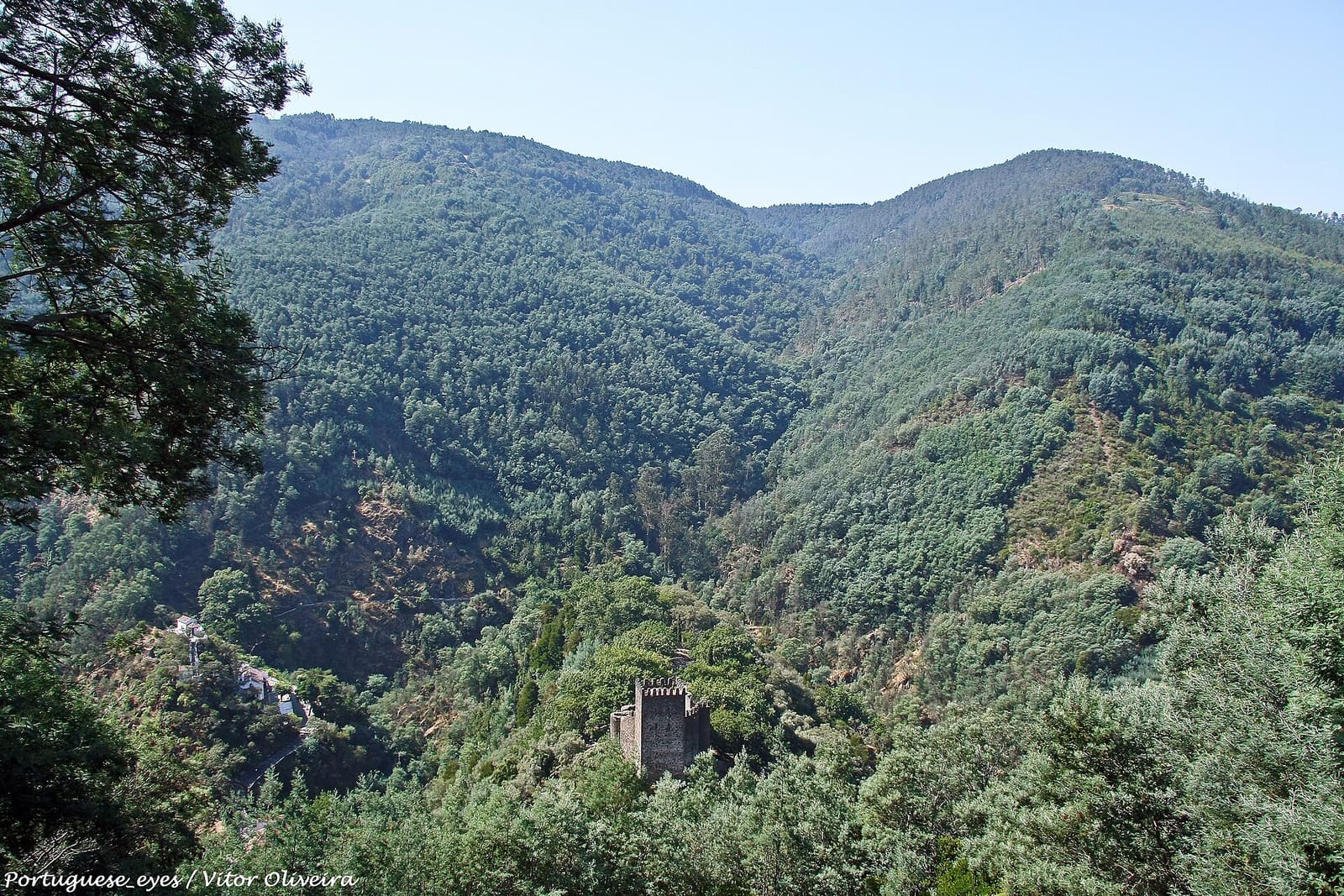
Lugares
25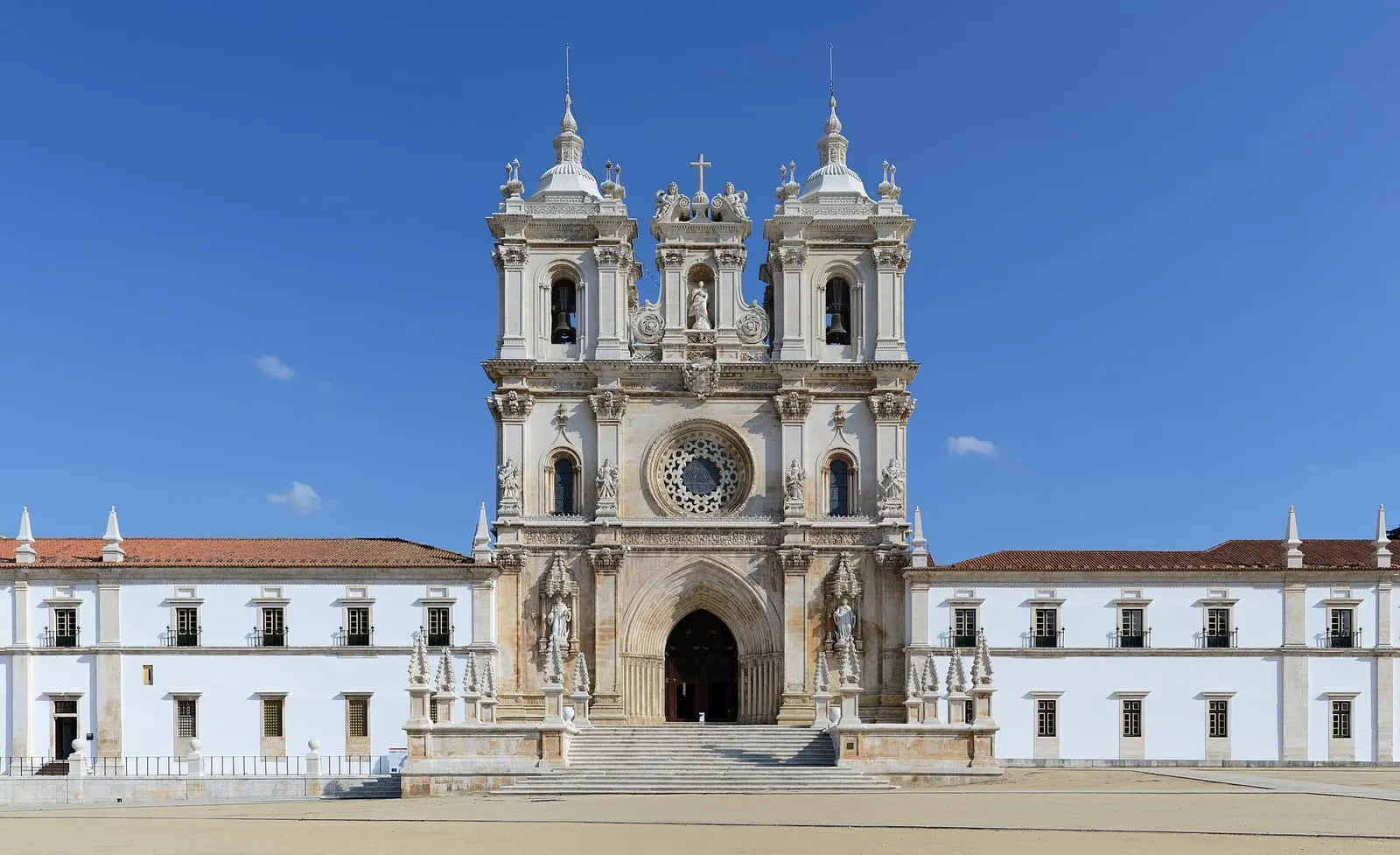 AlcobaçaAlcobaça, a town in the district of Leiria that grew up around the Monastery of Santa Maria, a masterpiece of Cistercian Gothic listed by UNESCO.
 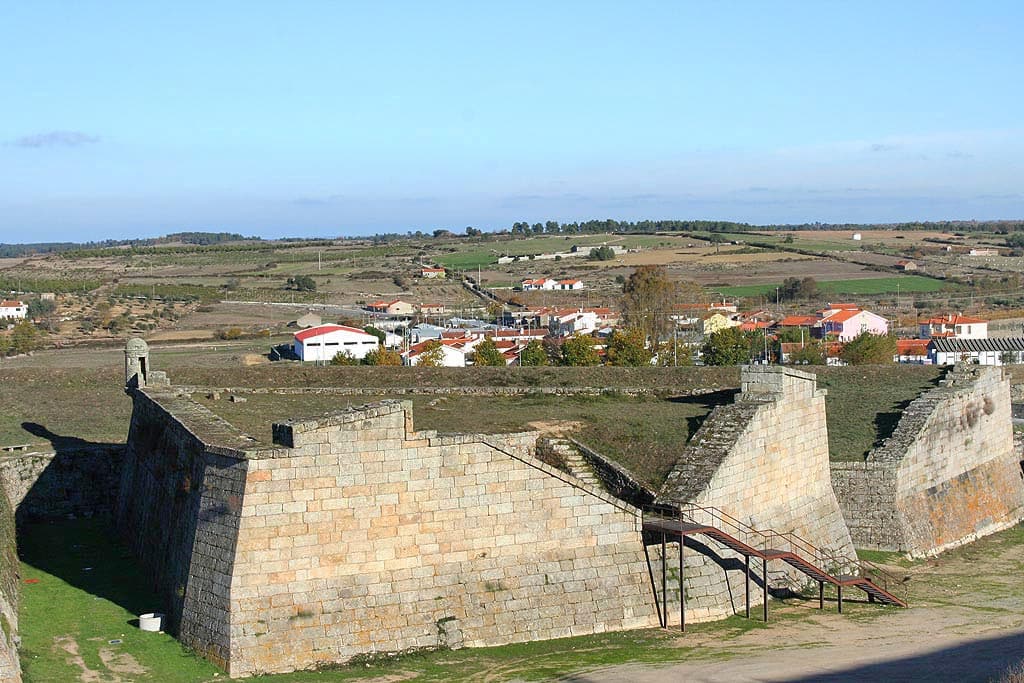 AlmeidaAlmeida, a fortified town in the district of Guarda, in the Beira Alta region: a twelve-pointed star-shaped bastioned fortress and one of the Historic Villages…
 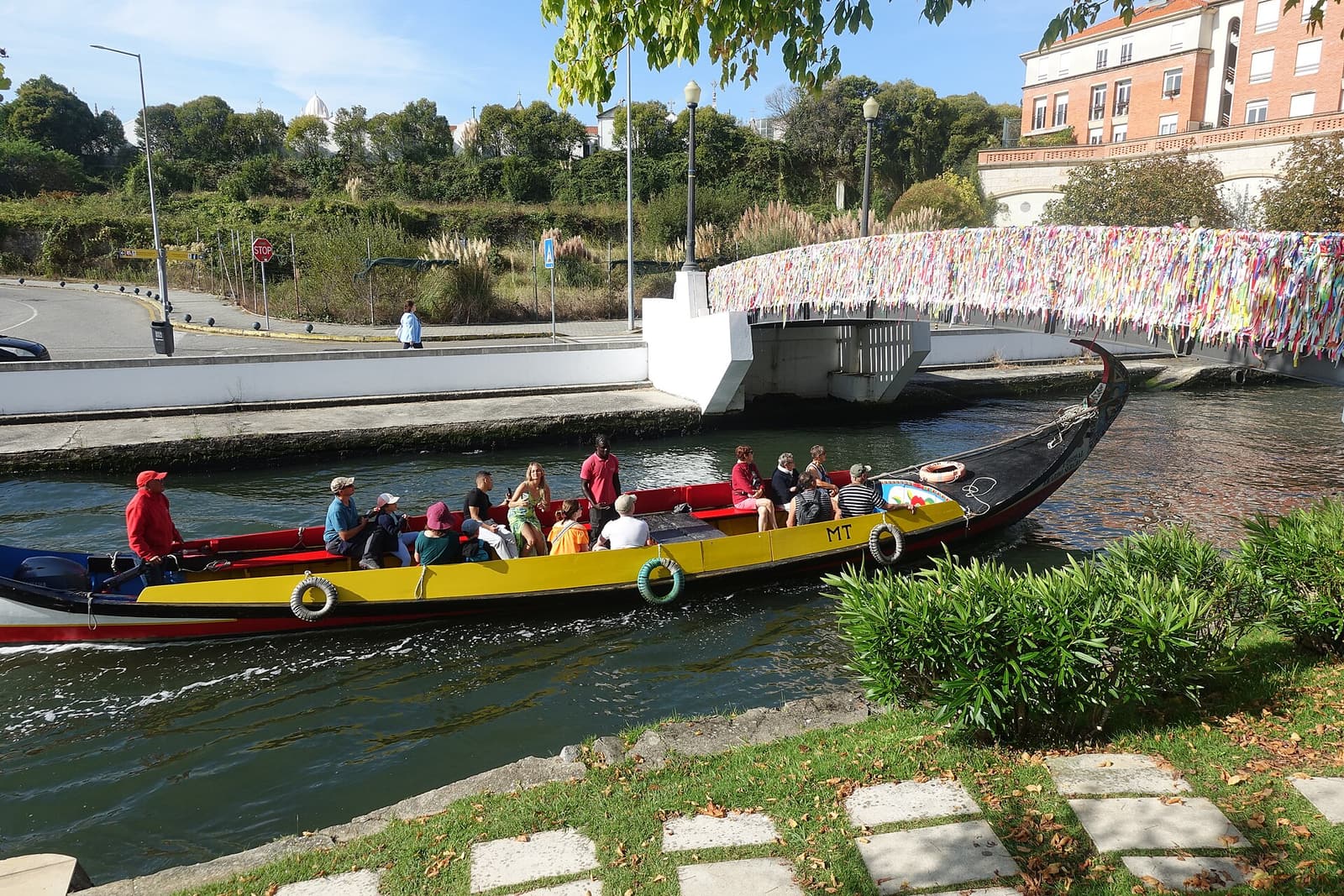 AveiroAveiro, the city of the lagoon and moliceiro boats, of salt and Art Nouveau, with the Jesus Monastery and the Cathedral, is a major heritage hub in Portugal's…
 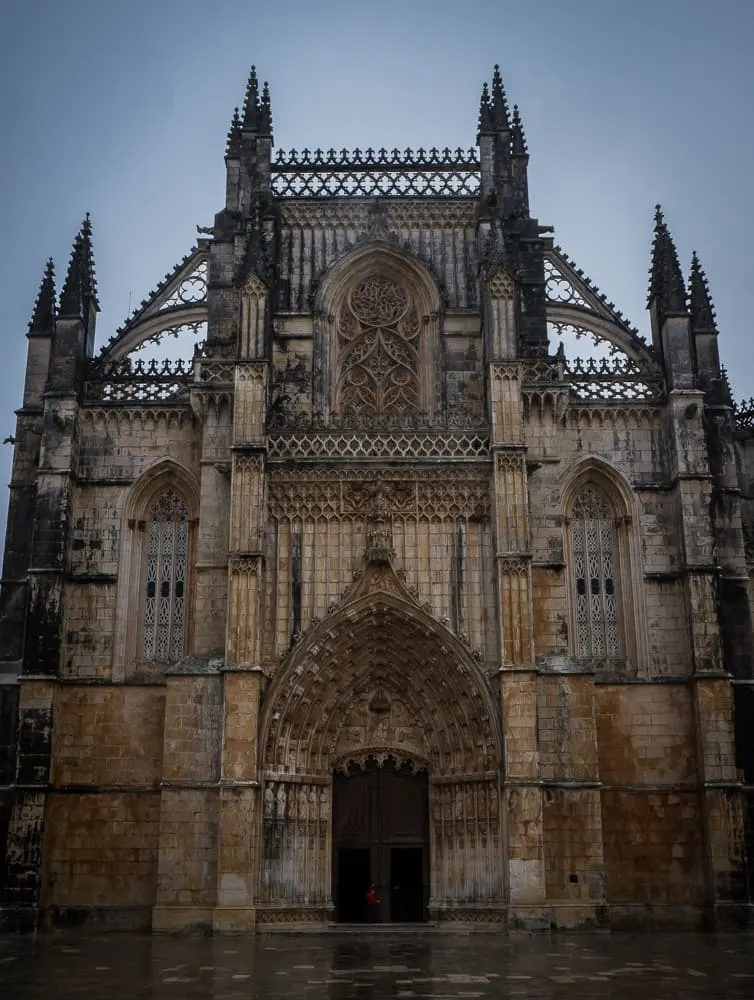 BatalhaBatalha, a town in the district of Leiria that grew up around the Monastery of Santa Maria da Vitória, a masterpiece of the Gothic and Manueline styles listed…
 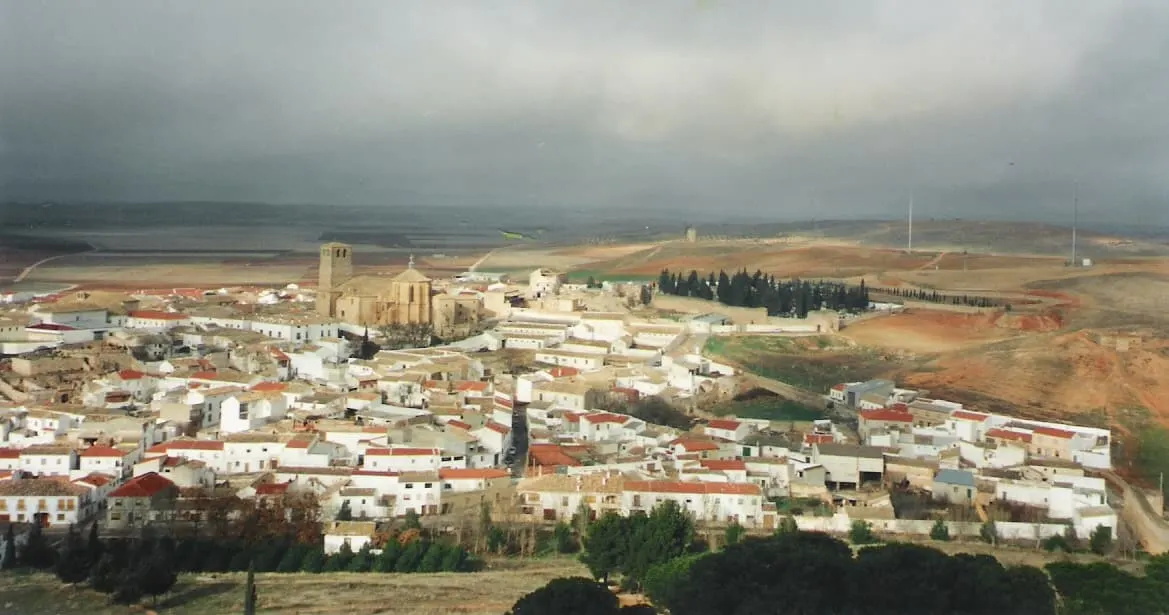 BelmonteBelmonte, a historic village in the district of Castelo Branco and birthplace of Pedro Álvares Cabral, with a medieval castle, a Roman tower and a unique…
 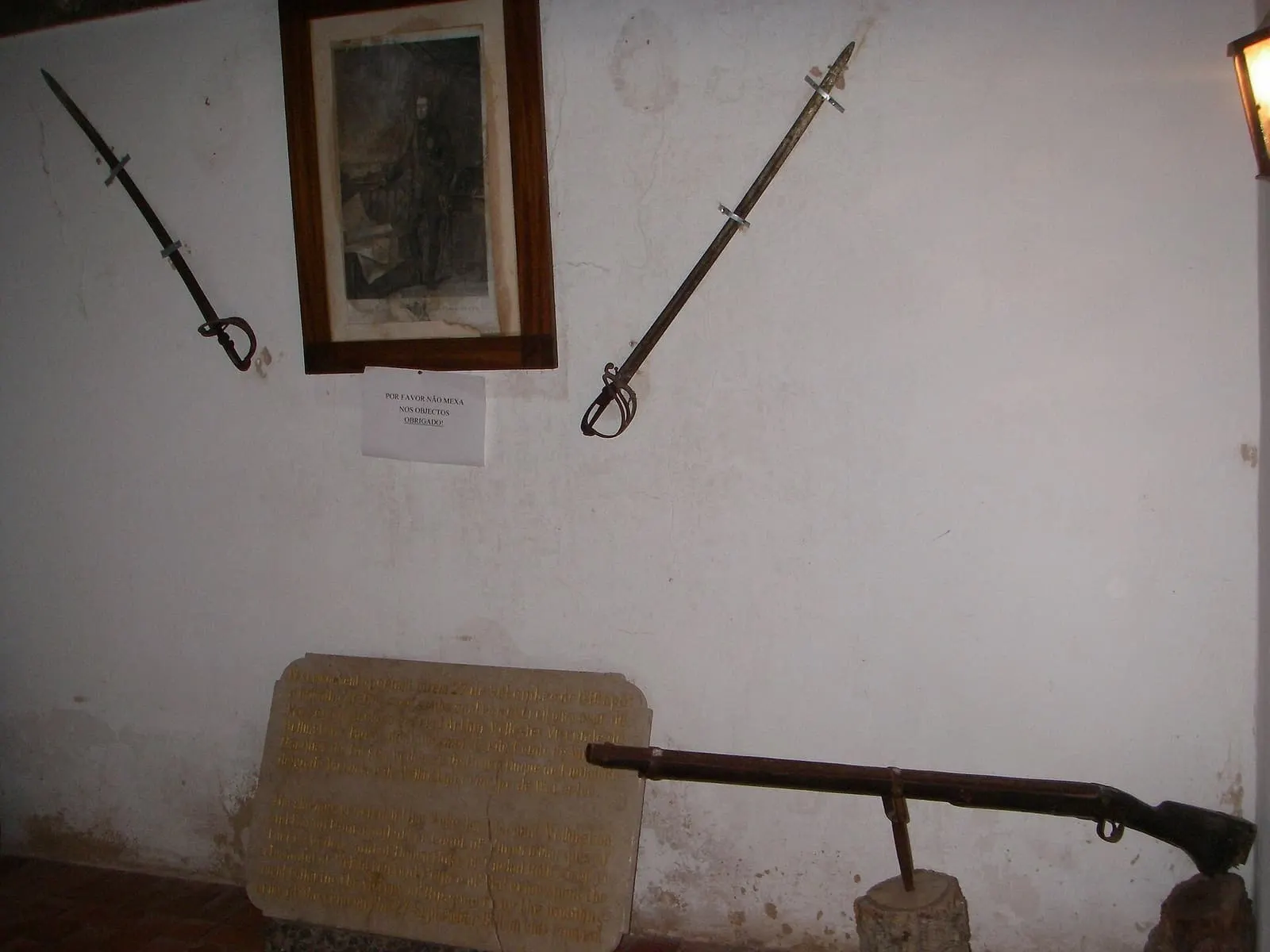 Buçaco Forest and PalaceThe Buçaco National Forest in Luso (Mealhada) combines Carmelite woodland, a convent, and a neo-Manueline palace - a romantic jewel in central Portugal.
 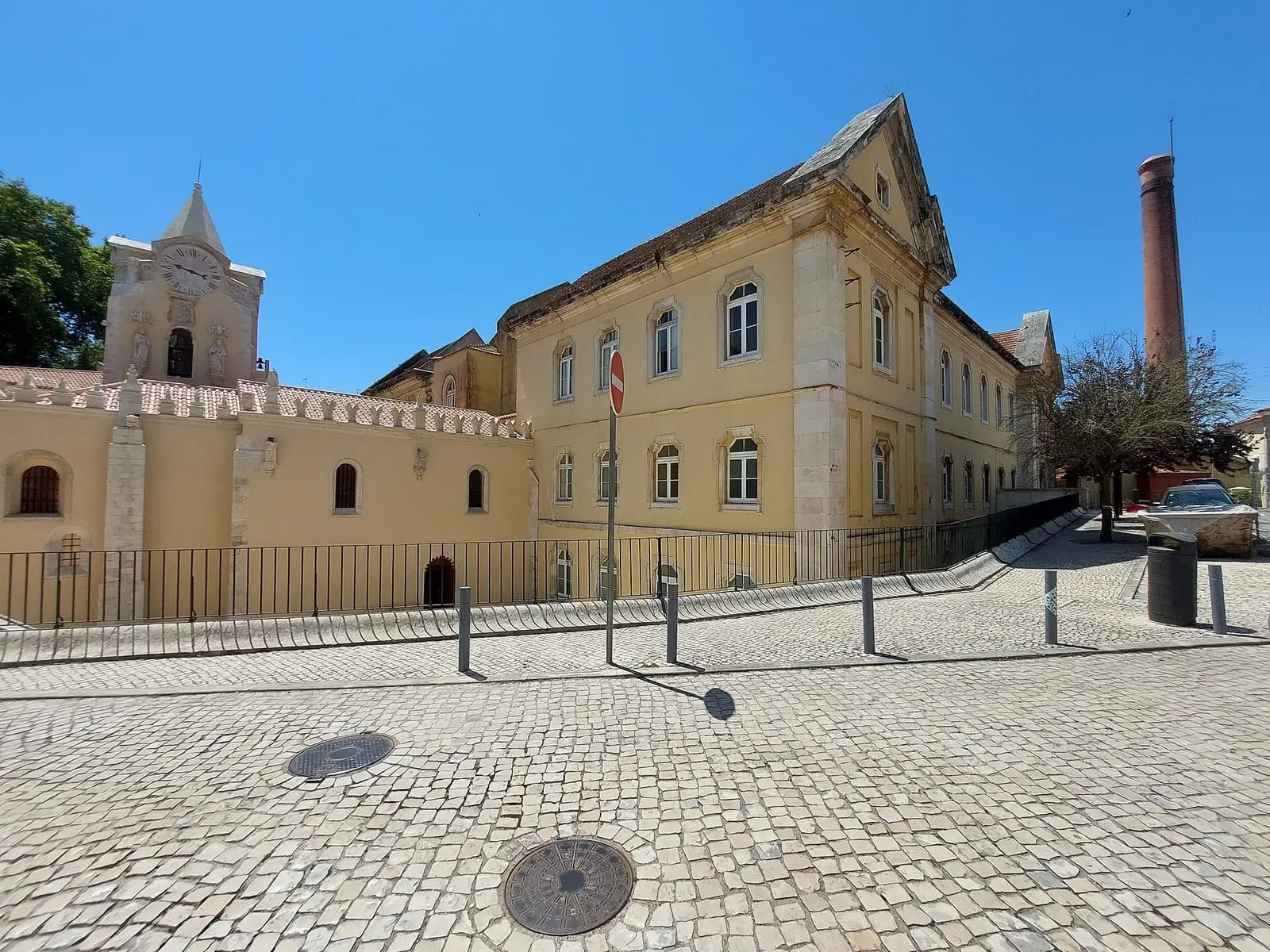 Caldas da RainhaCaldas da Rainha, a spa town in the district of Leiria founded by Queen Leonor, home to the Thermal Hospital, the Dom Carlos I Park and the celebrated Caldas…
 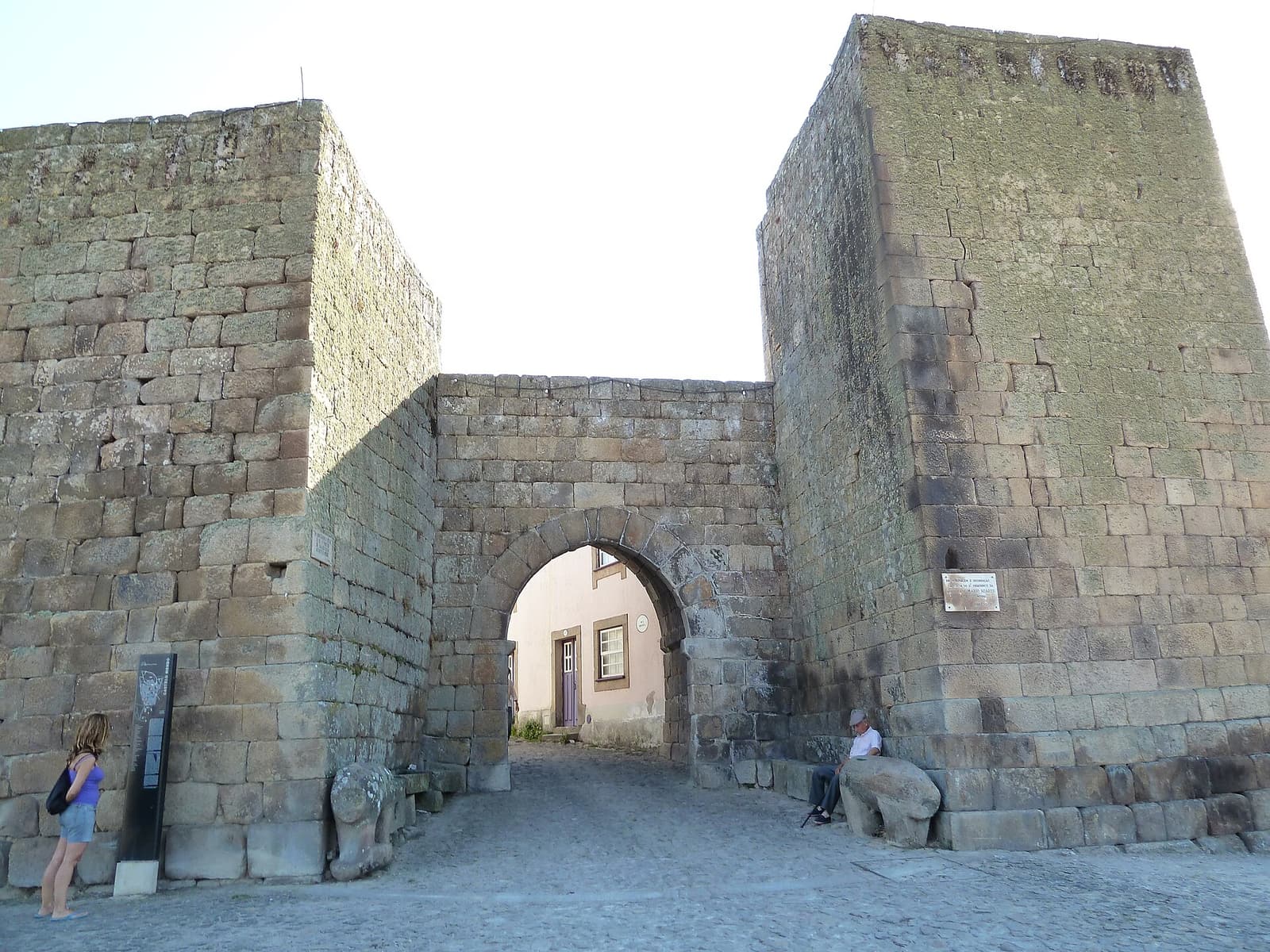 Castelo MendoCastelo Mendo, a historic walled village in the municipality of Almeida, in the Guarda district: castle, medieval gates, pillory and the first fair of the kingdom.
 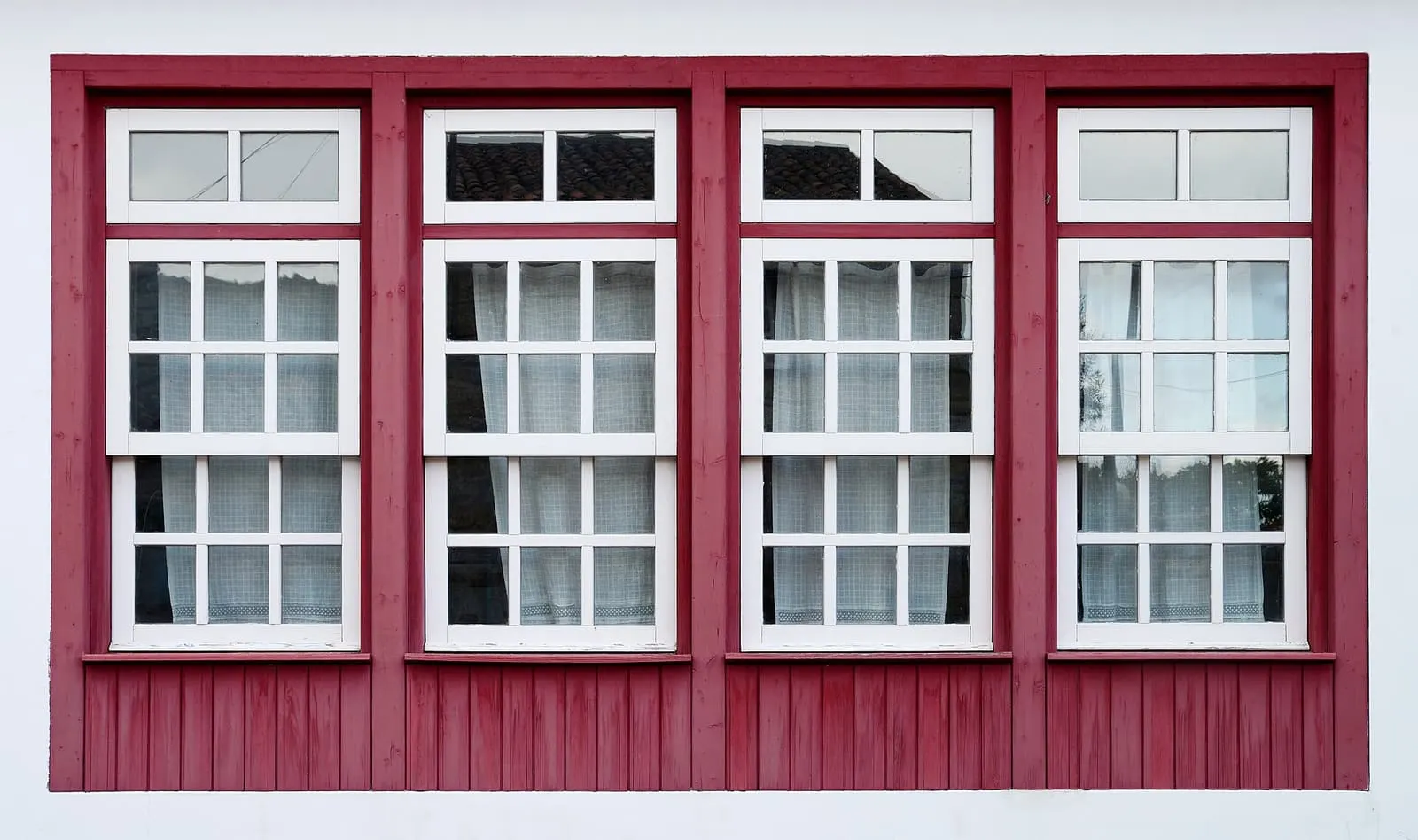 Castelo NovoCastelo Novo, a historic granite village in the Serra da Gardunha, municipality of Fundão, with a castle of Templar origin, a Manueline pillory and royal fountains.
 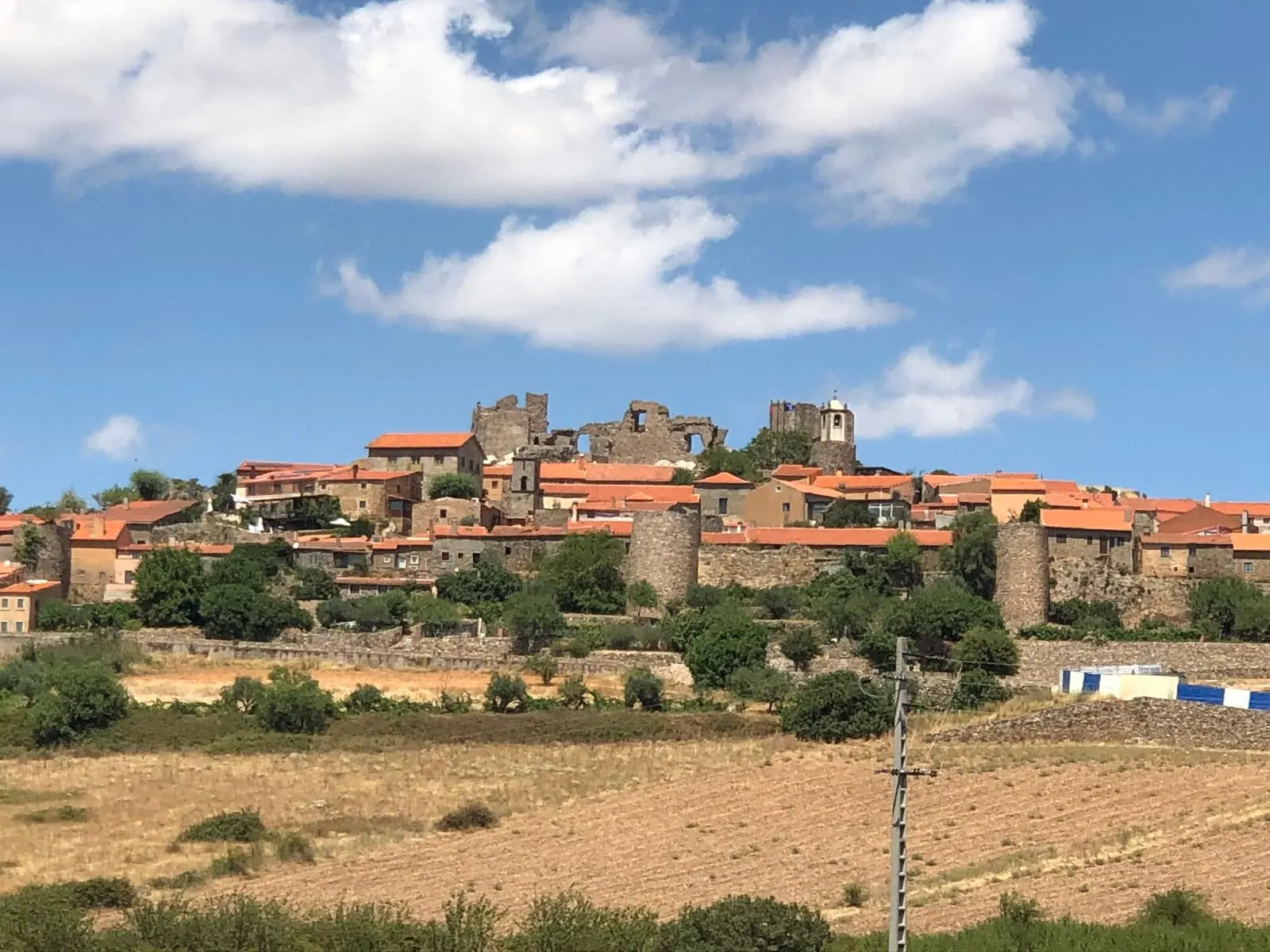 Castelo RodrigoCastelo Rodrigo, a historic walled village atop the Serra da Marofa, in the district of Guarda, close to the borderland frontier with Spain.
 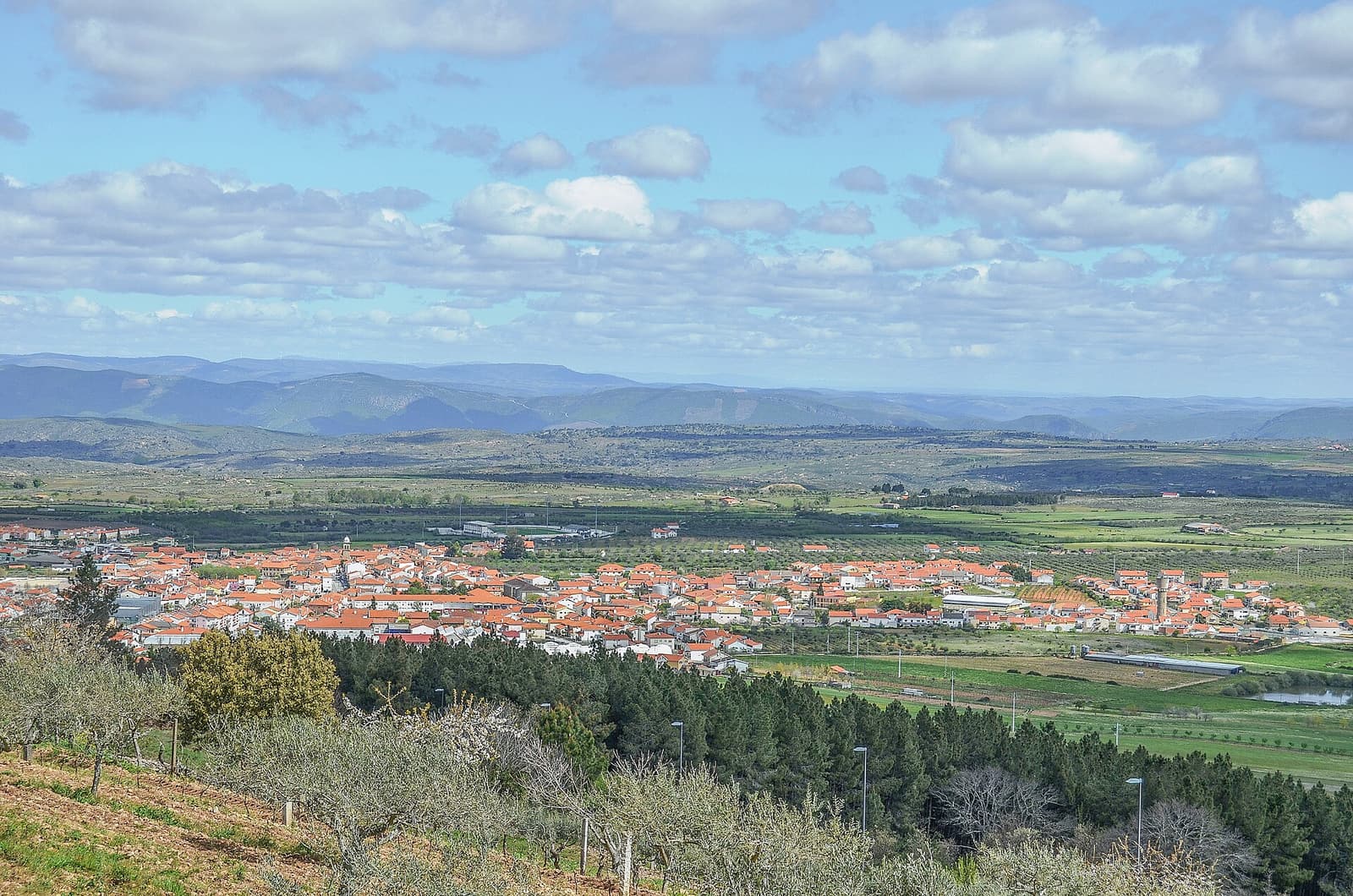 Figueira de Castelo RodrigoFigueira de Castelo Rodrigo, a border municipality in the district of Guarda, in the Riba Côa region, home to the historic village of Castelo Rodrigo and the…
 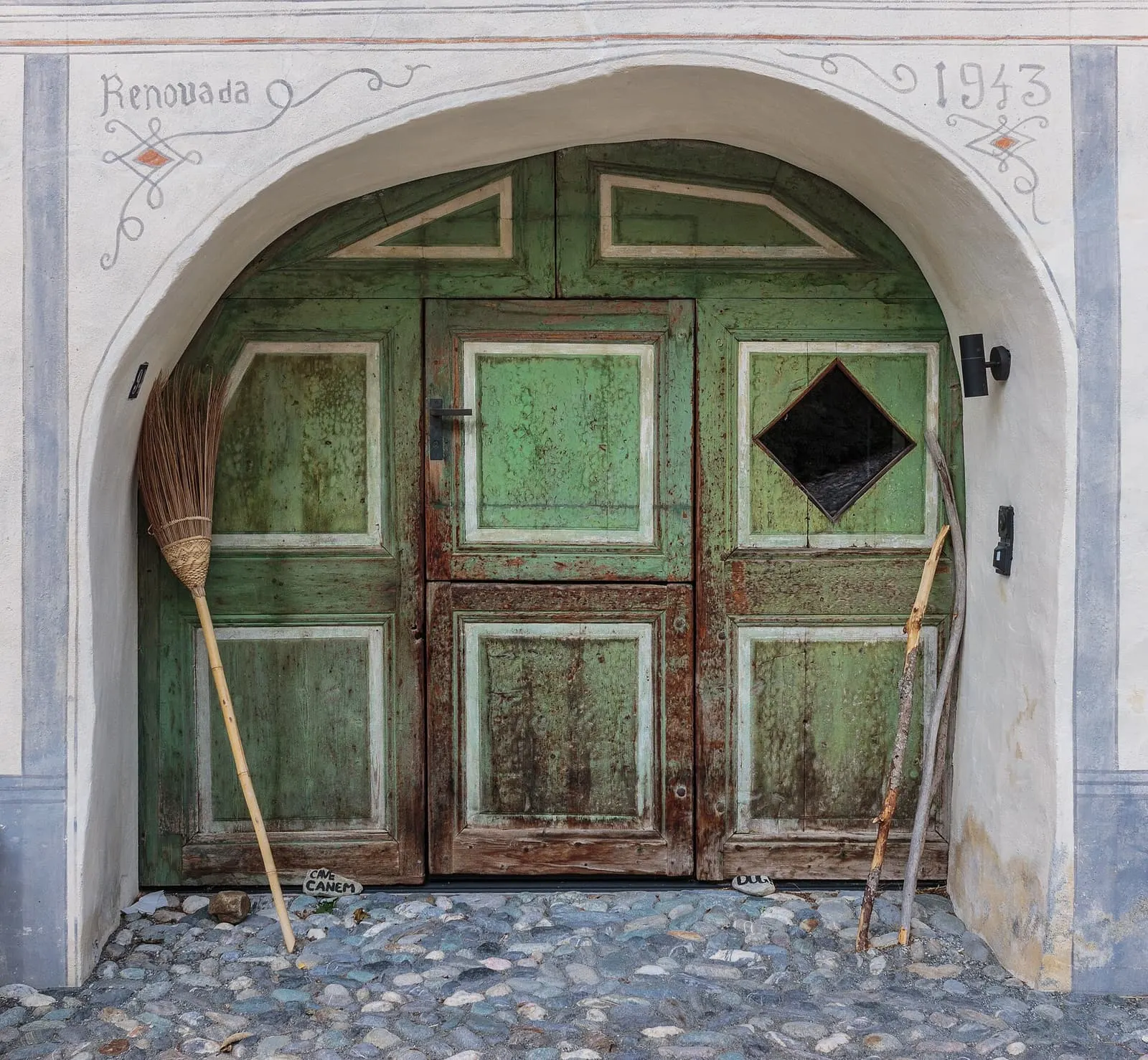 GuardaGuarda, the highest city in Portugal, in the Serra da Estrela: the Gothic fortress-cathedral, the medieval Jewish quarter and the walls that guarded the Beira…
 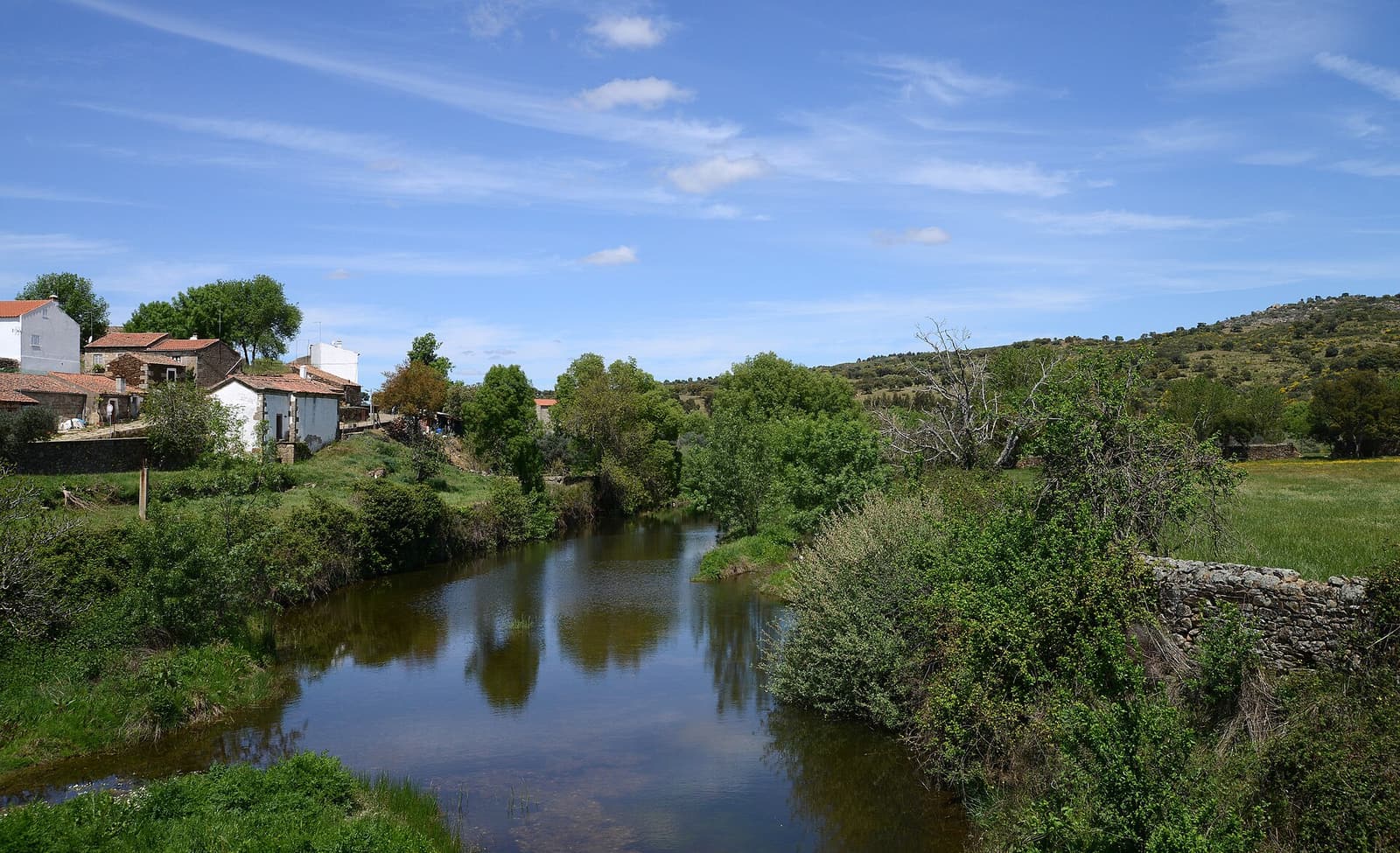 Idanha-a-VelhaIdanha-a-Velha, a historic village in the municipality of Idanha-a-Nova, built upon the Roman town of Egitânia, with an Early Christian basilica and walls.
 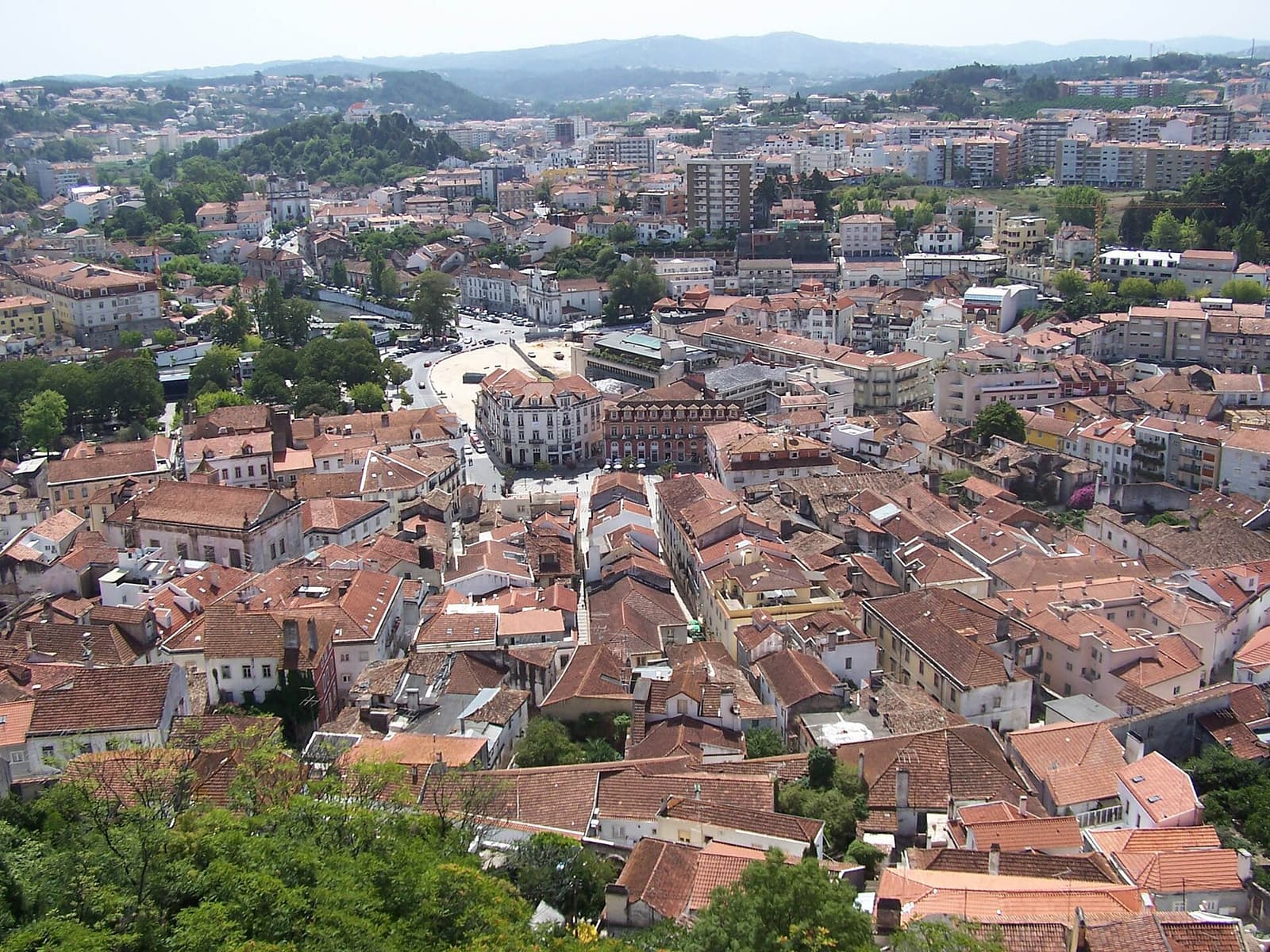 LeiriaLeiria, a city in the Centro region: a medieval castle of palatial character above the River Lis, the Renaissance cathedral and a historic centre linked to the…
 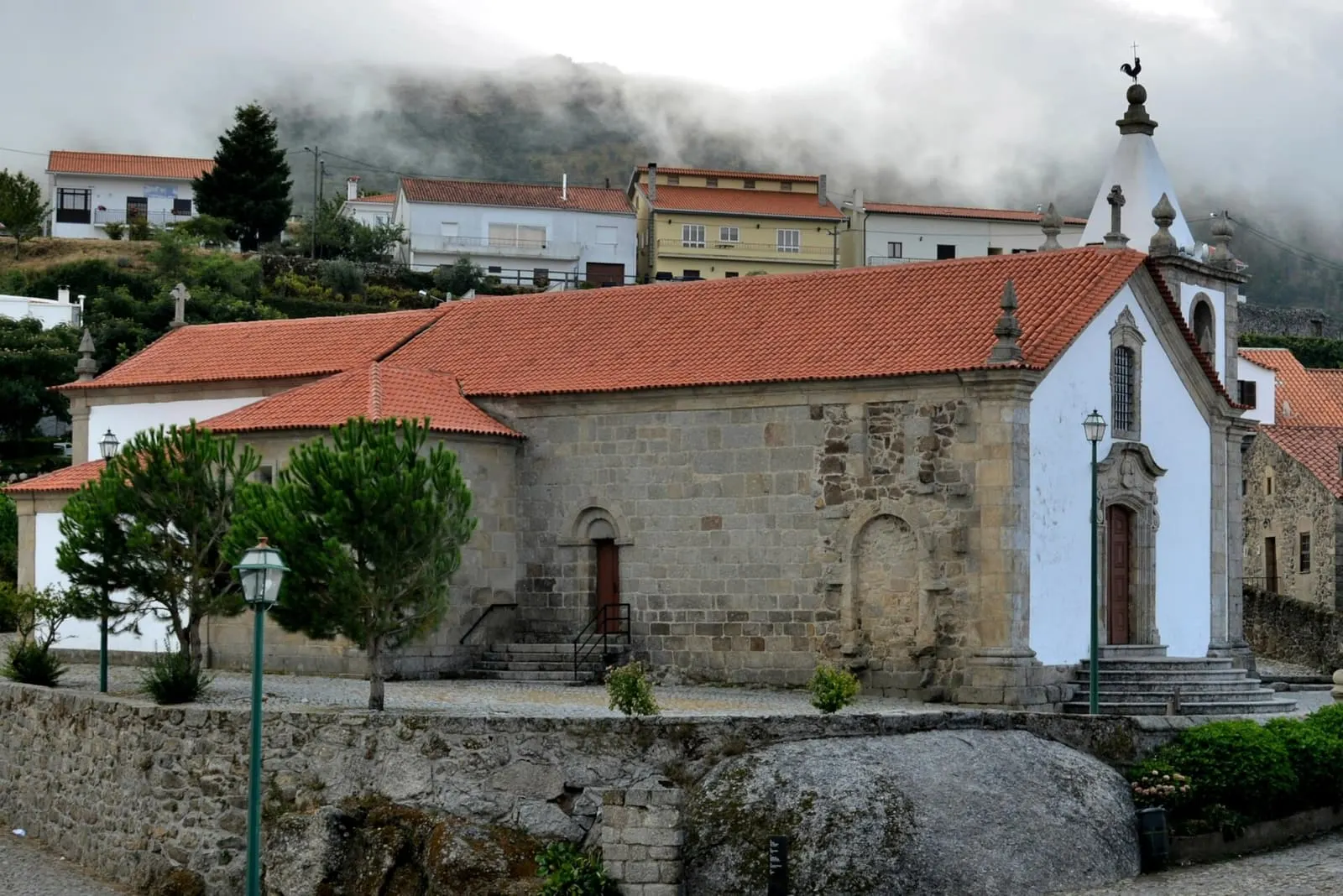 Linhares da BeiraLinhares da Beira, a historic village in the municipality of Celorico da Beira, on the slopes of the Serra da Estrela, with a medieval castle, pillory and forum.
 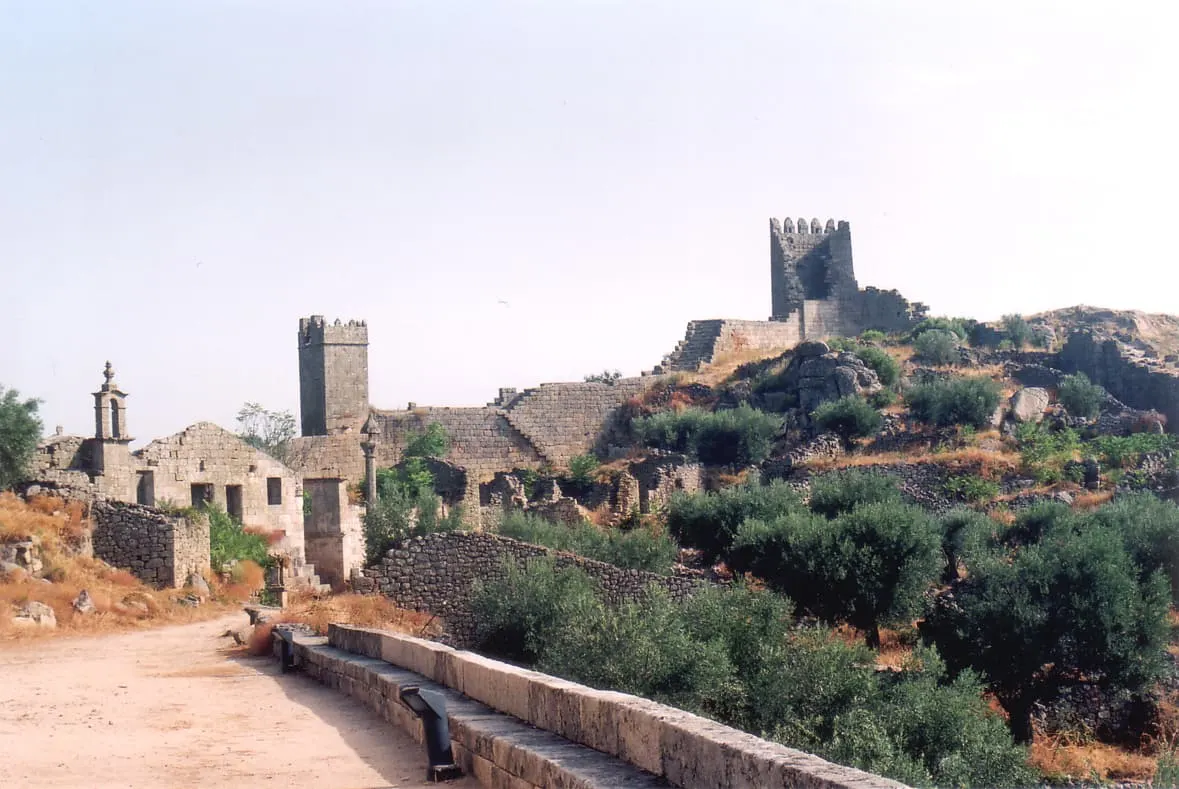 MarialvaMarialva, a historic village in the municipality of Mêda, Guarda district: a ruined walled citadel, a medieval core and Roman roots on the Beira plateau.
 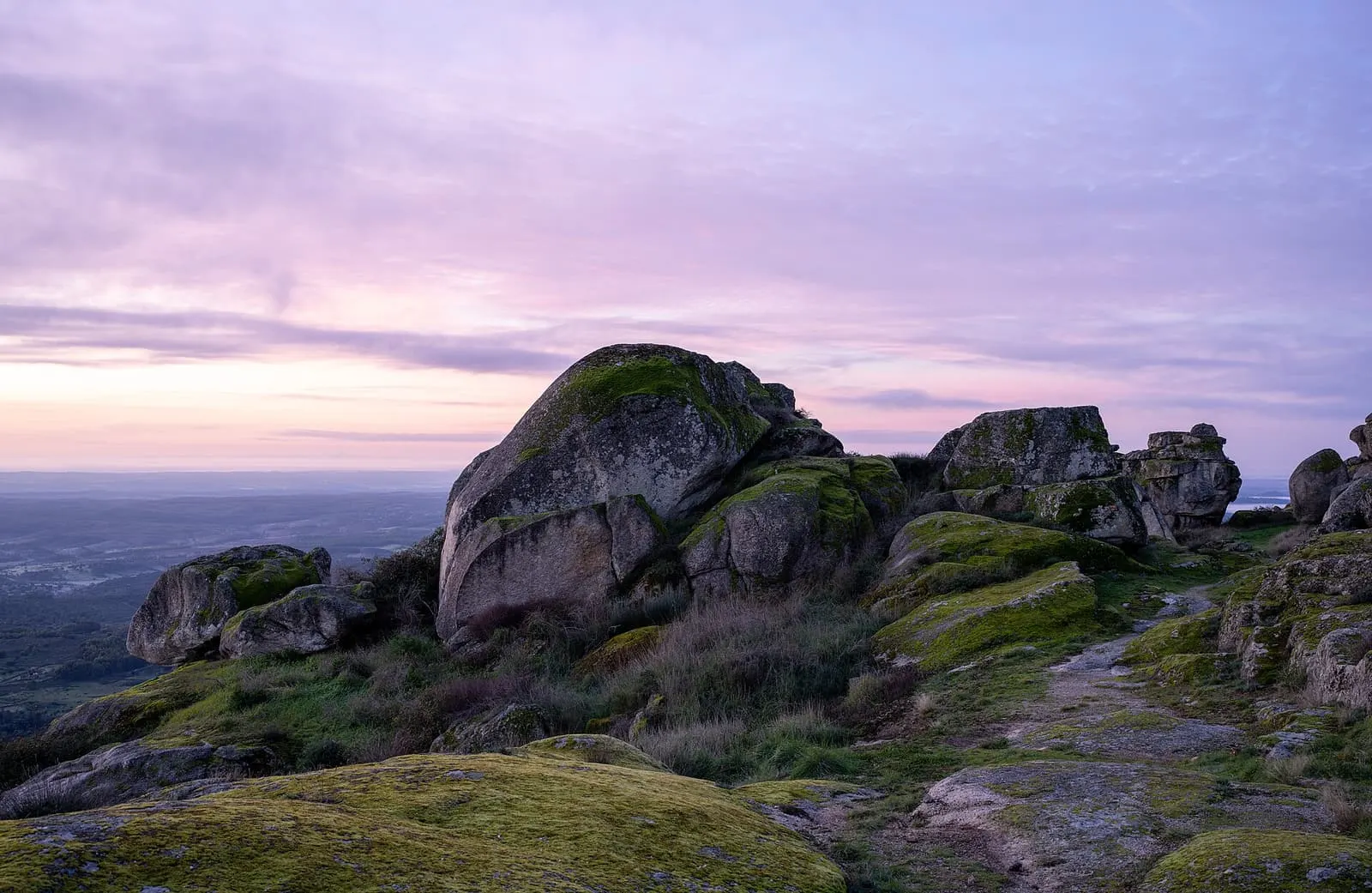 MonsantoMonsanto, the historic village of Idanha-a-Nova perched among granite boulders, with its Templar castle and houses fused into the stone of the Beira Baixa.
 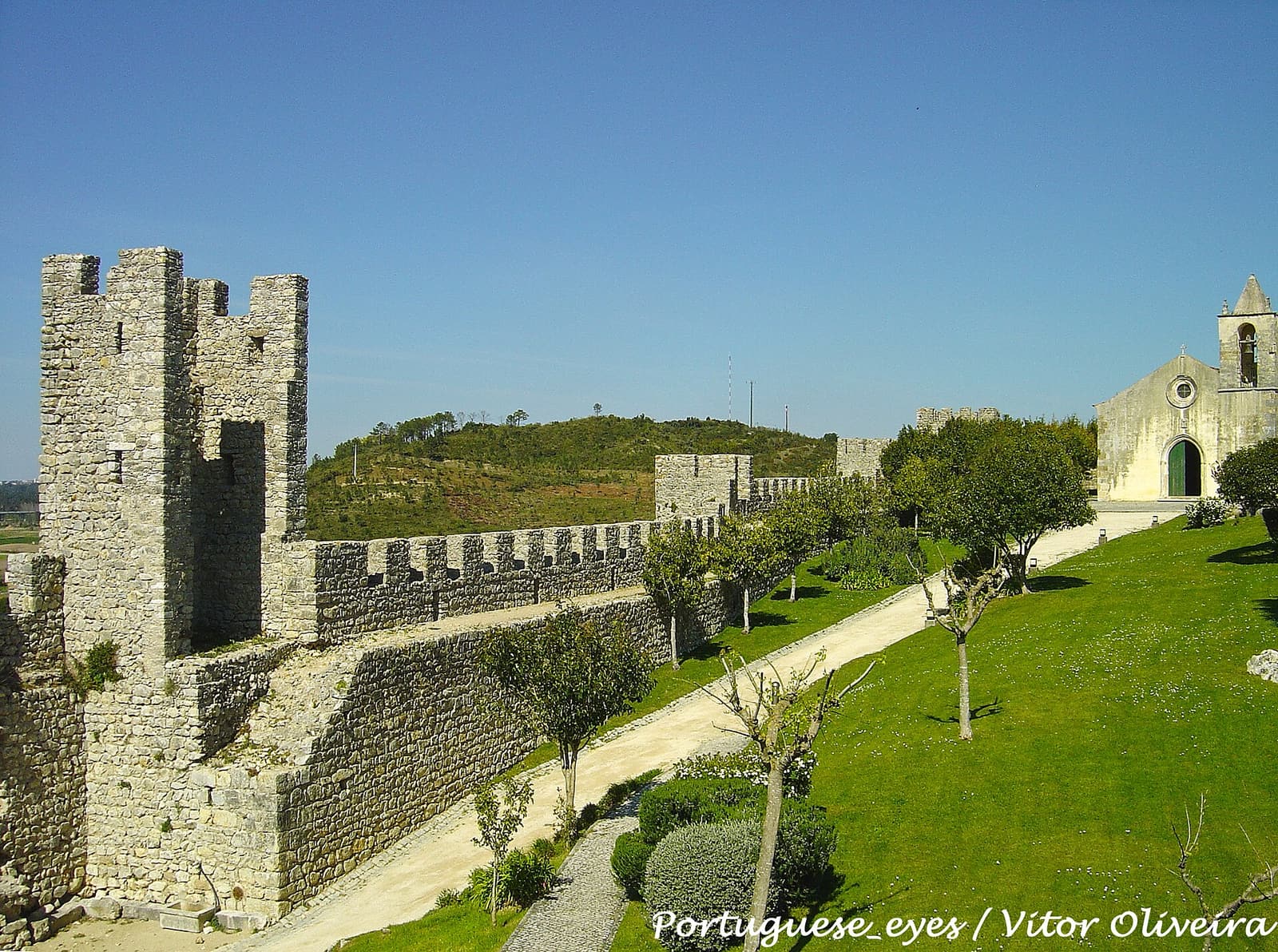 Montemor-o-VelhoMontemor-o-Velho, a town in the Coimbra district dominated by an extensive medieval castle overlooking the Mondego valley, land of rice, Tentúgal pastries and… Óbidos — The Walled Town of QueensÓbidos, a medieval walled town in the Leiria district: castle, intact urban walls, whitewashed houses, and the tradition of the Town of Queens.
 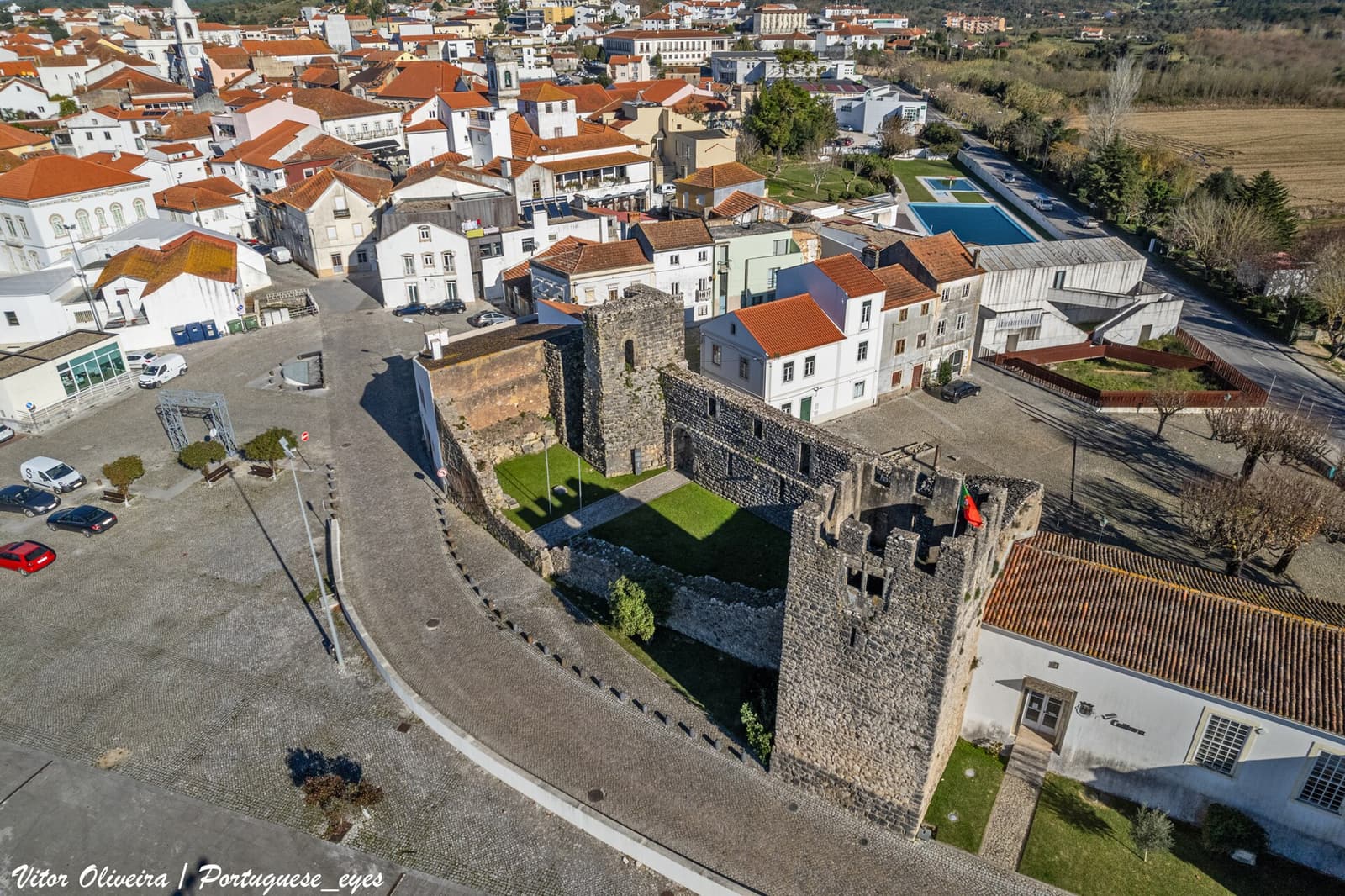 PenelaPenela, a town in the Coimbra district with a medieval castle from the Mondego defensive line and the historic village and Roman villa of Rabaçal.
 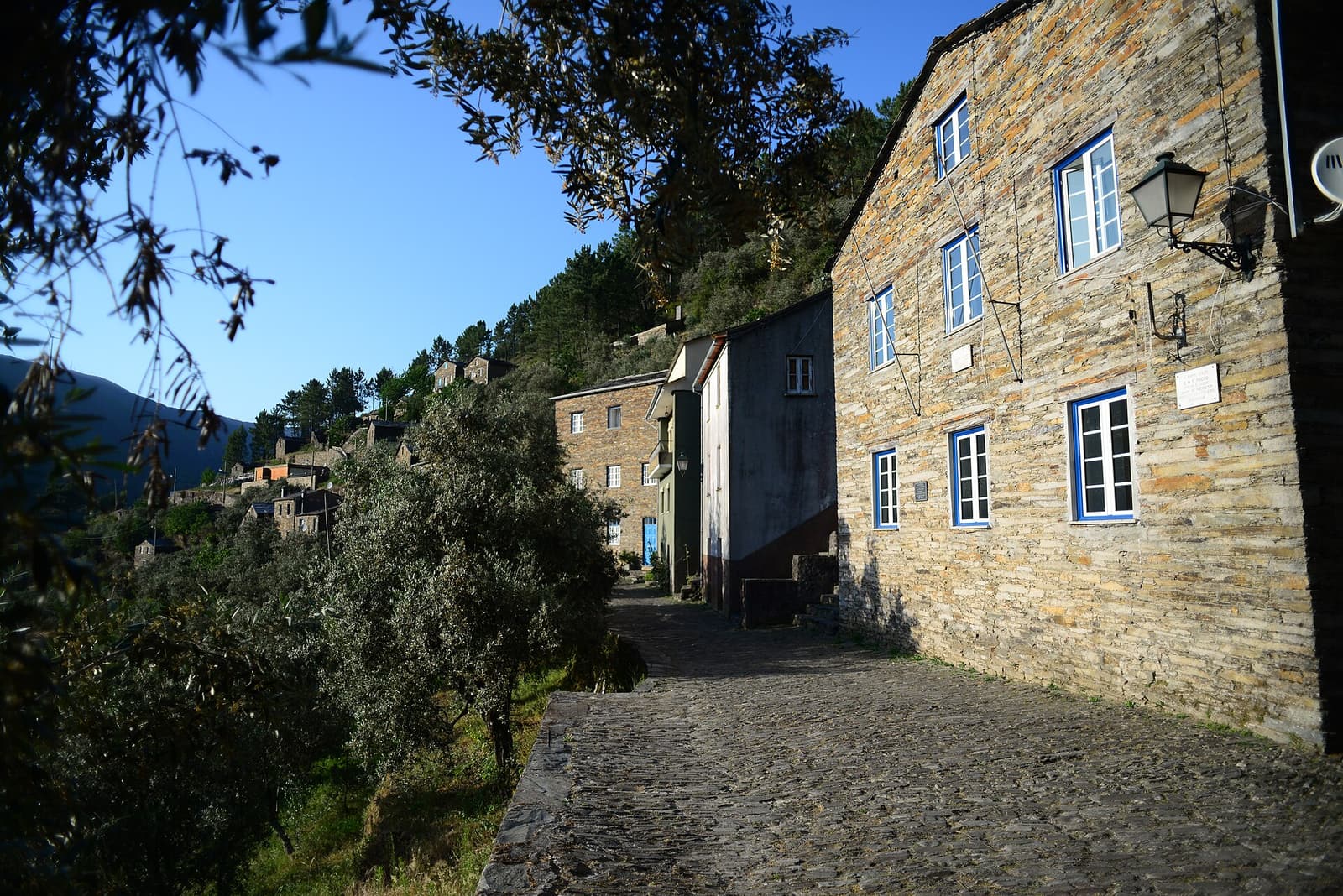 PiódãoPiódão, a historic schist village nestled in the Serra do Açor, in Arganil, Coimbra district: an amphitheater-like cluster of houses with a blue parish church.
 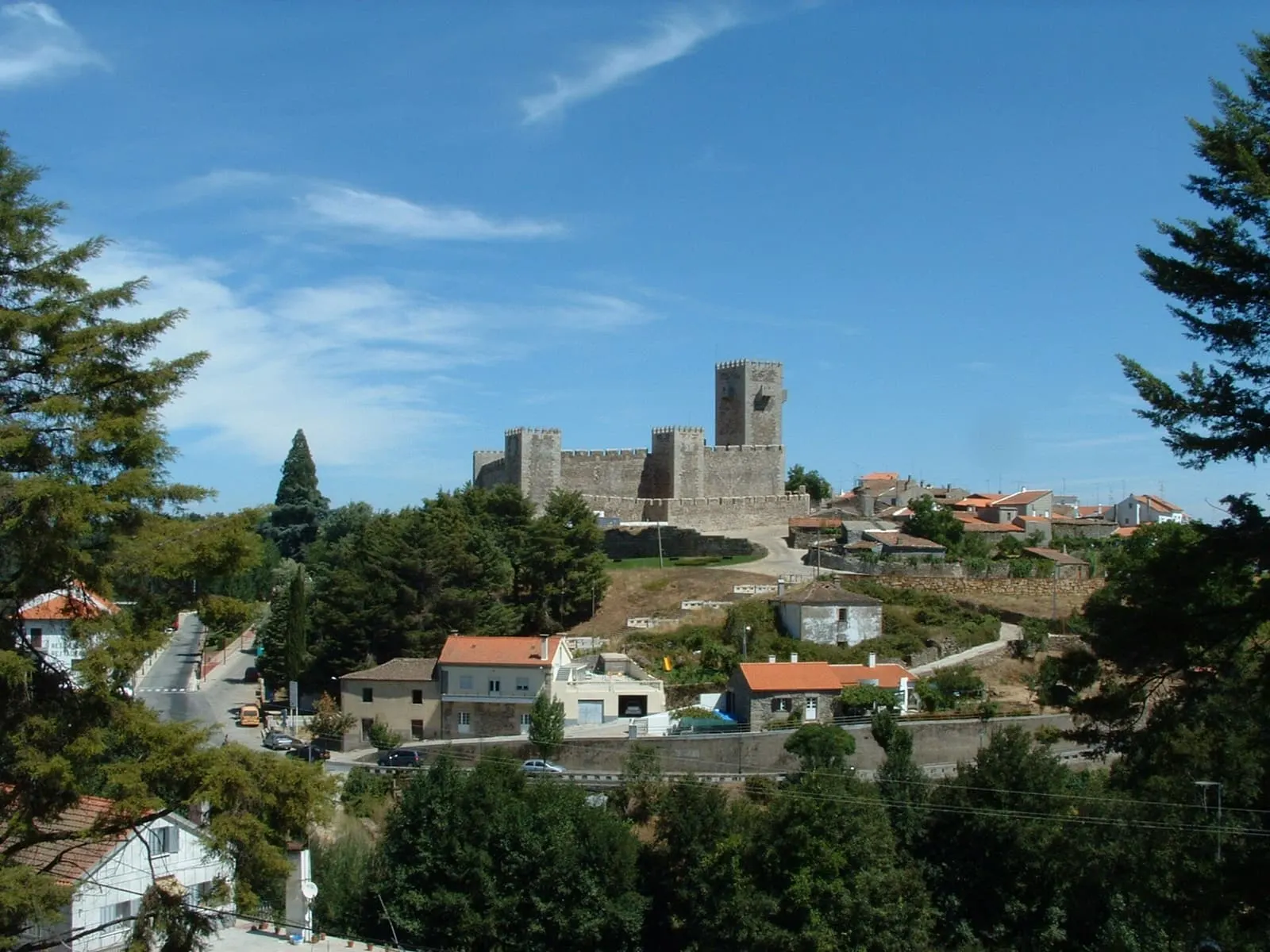 SabugalSabugal, a border town in the Guarda district, at the heart of Riba-Côa: the castle of the Five Quinas, Dinis's pentagonal tower, and the Côa valley.
 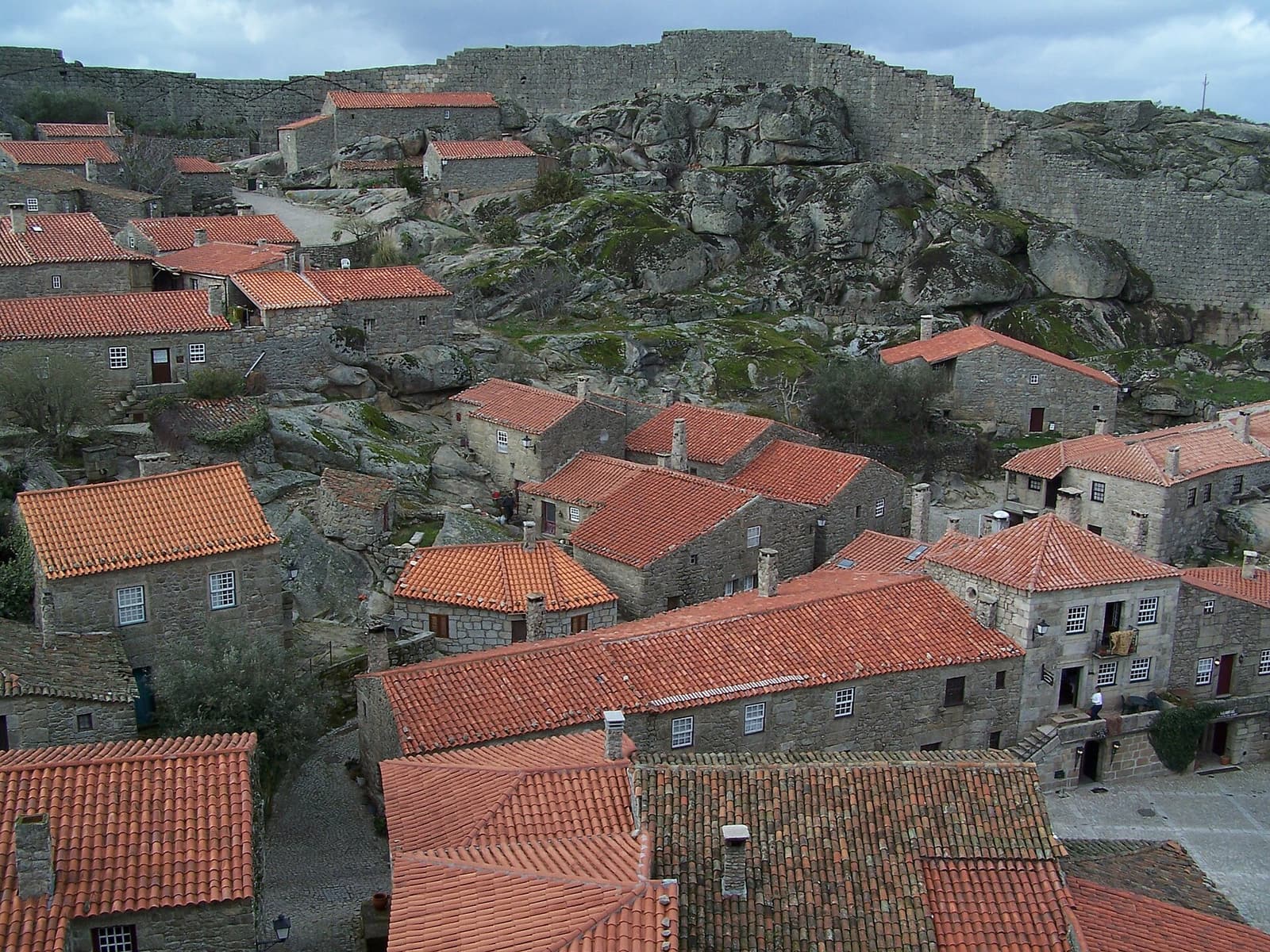 SortelhaSortelha, a historic walled village in the municipality of Sabugal, with a medieval castle and granite houses on a massif in Beira Interior, Guarda district.
 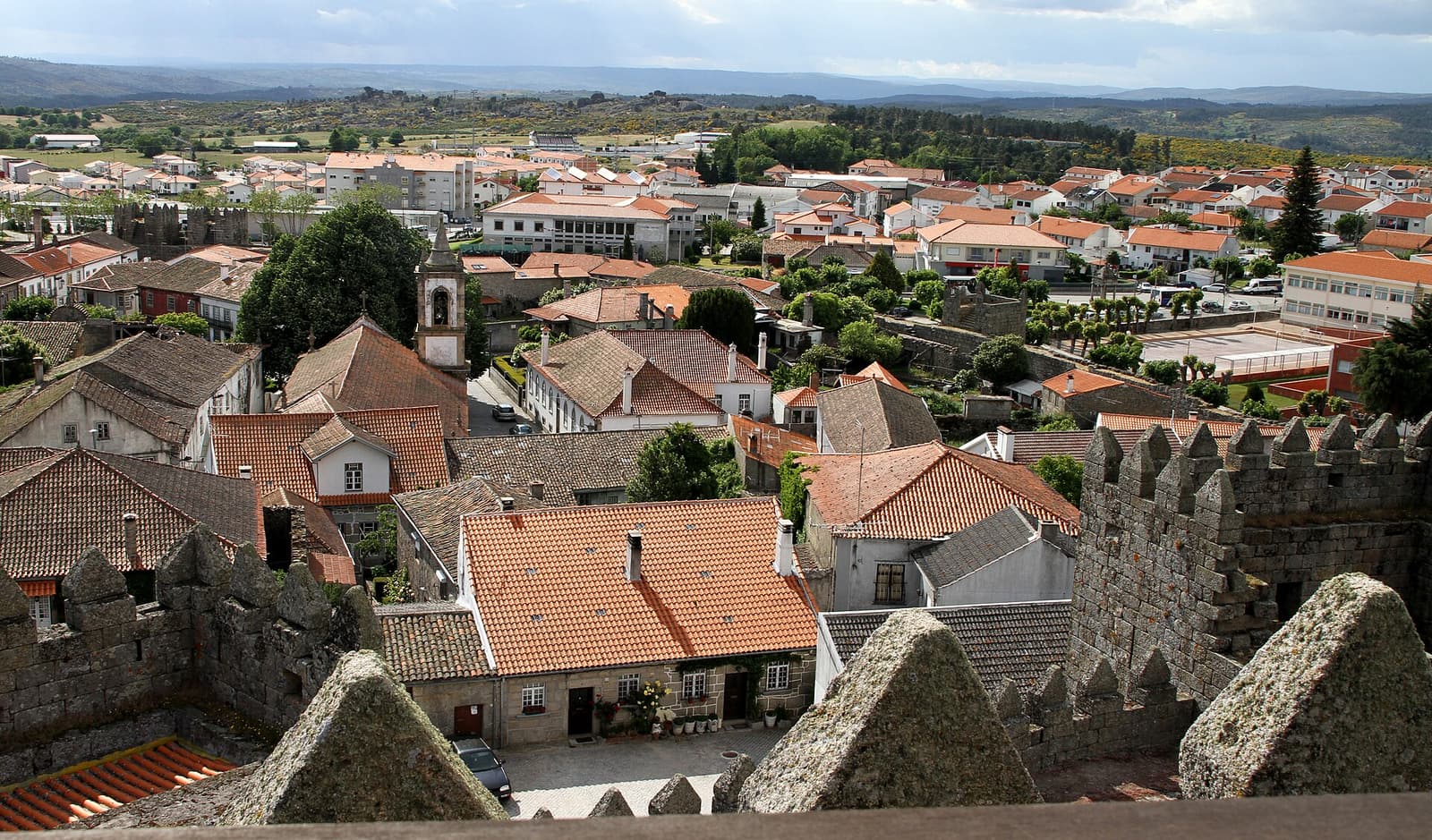 TrancosoTrancoso, a walled city in the Guarda district, with its medieval castle, Dinisian walls, and one of the most important Jewish heritages in Beira Alta.
 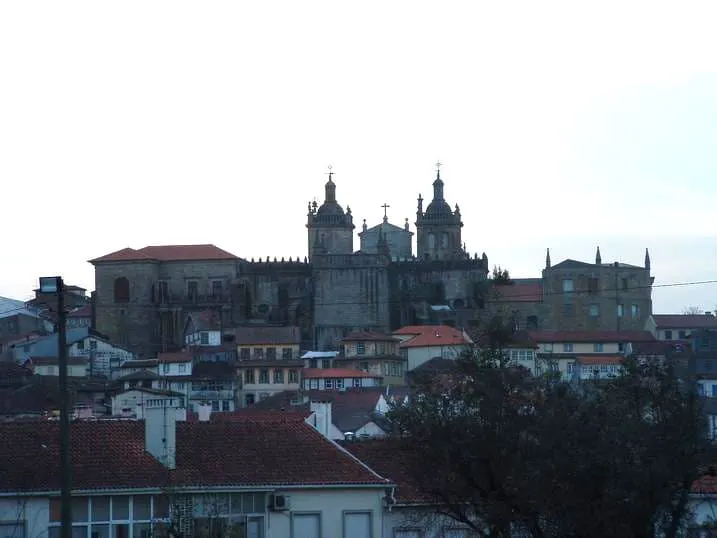 ViseuGuide to Viseu, district capital in the Centro region: its cathedral, the medieval core of Rua Direita, the Grão Vasco painting school, and the Cava de Viriato.
 Frequently asked questions
- Which districts make up Portugal's Centro Region?
- The Centro Region (NUTS II) covers the districts of Coimbra, Aveiro, Viseu, Guarda and Castelo Branco, as well as part of the district of Leiria. It corresponds, broadly speaking, to the historic territory of the Beiras.
- What are the Historic Villages of Portugal?
- They are twelve villages of the Beira interior: Almeida, Belmonte, Castelo Mendo, Castelo Novo, Castelo Rodrigo, Idanha-a-Velha, Linhares da Beira, Marialva, Monsanto, Piódão, Sortelha and Trancoso, almost all marked by castles and frontier walls.
- Which properties in the Centro Region are on the World Heritage List?
- The University of Coimbra (Alta and Sofia), the Monastery of Alcobaça, the Monastery of Batalha and the rock art of the Côa Valley appear on the UNESCO World Heritage List.