Monuments
Beja Castle
Beja Castle, in the Baixo Alentejo, rises above one of the tallest Gothic keeps on the Iberian Peninsula, built by King Dinis.
- Location
- Beja, Beja
- Built
- 1253–1310
- Style
- Gótico
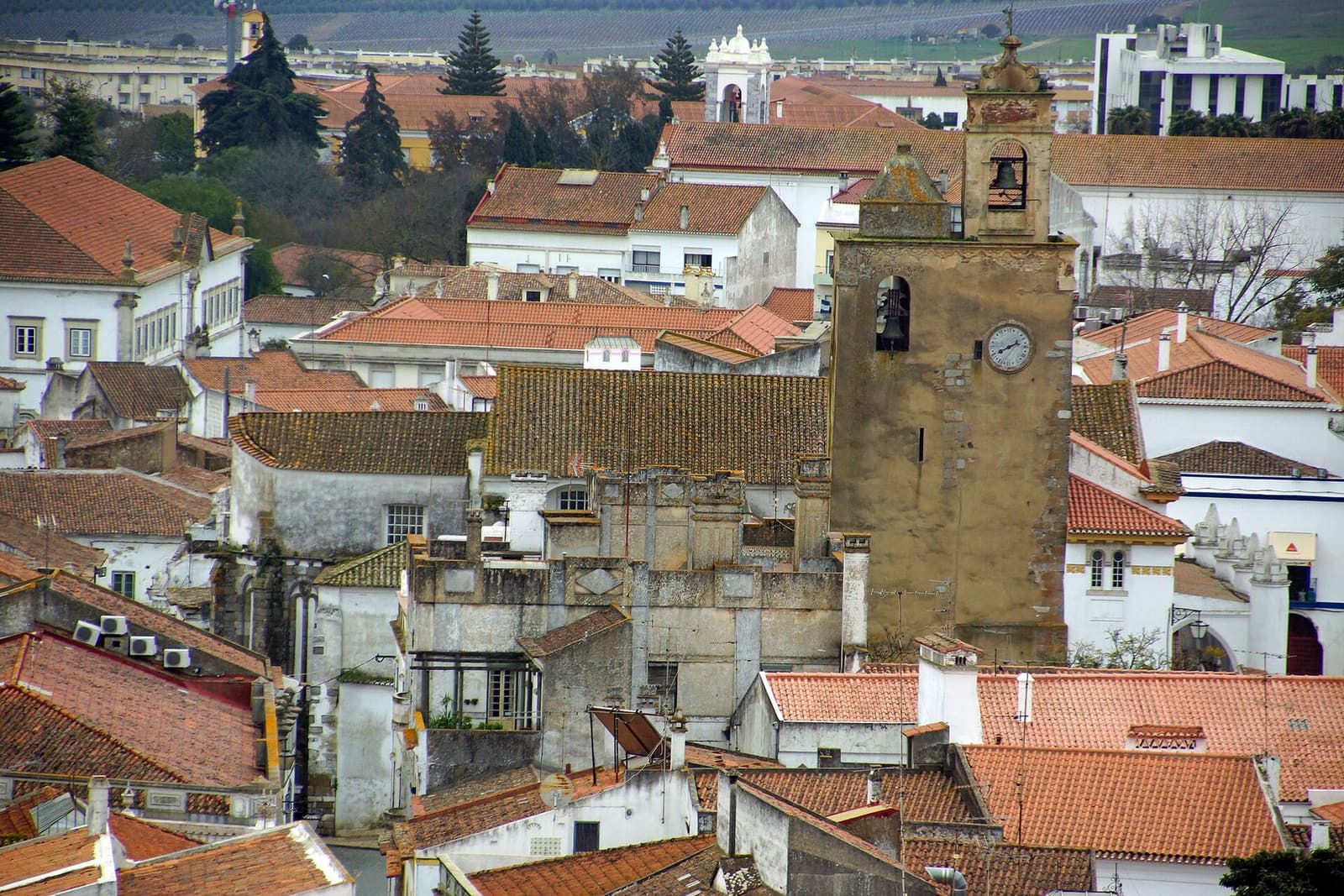
Beja Castle dominates the highest point of the city, in the heart of the Baixo Alentejo, announcing itself from afar by the silhouette of its keep, one of the tallest and most celebrated in Portuguese medieval military architecture. Raised upon the remains of Roman and Islamic fortifications, the monument condenses centuries of history on a plateau that always held strategic value over the vast Alentejo plain.
From its origins to the Christian reconquest
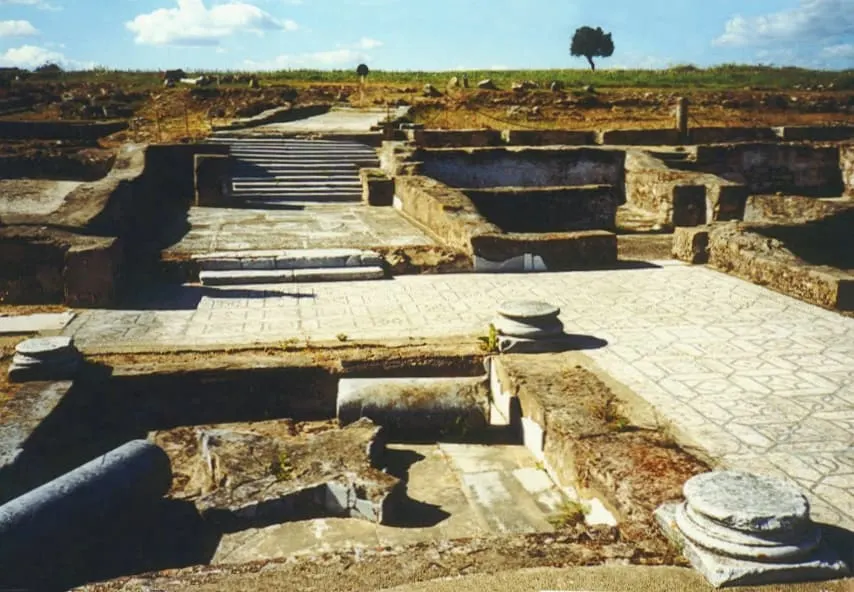
Beja — the Roman Pax Iulia — was an important stronghold throughout the Middle Ages, disputed between Christians and Muslims during the long phase of the Reconquista. The city was definitively taken by Christian forces in 1162, in the context of the kingdom of Portugal’s expansion to the south. The walls we see today rest, in large part, upon earlier layouts, reusing defensive lines inherited from the Roman and Andalusi periods.
The first major campaign to rebuild the walled enclosure dates from the reign of King Afonso III, who from 1253 ordered the walls to be rebuilt and reinforced. It was, however, his successor who endowed Beja with the element that would make it unmistakable.
The keep of King Dinis
In 1310, King Dinis ordered the construction of the keep, the largest piece of the complex and a masterpiece of Portuguese military Gothic. Rising to about 40 metres in height, it is traditionally presented as one of the tallest keeps on the Iberian Peninsula. Quadrangular in plan and with three storeys, it was built in large part using marble from the region, a material that lends its stones a particular luminosity.
The virtuosity of the tower lies not only in its height: it lies in the contrast between the stony mass of the base and the ornamental delicacy of the crowning, where defensive engineering approaches sculpture.
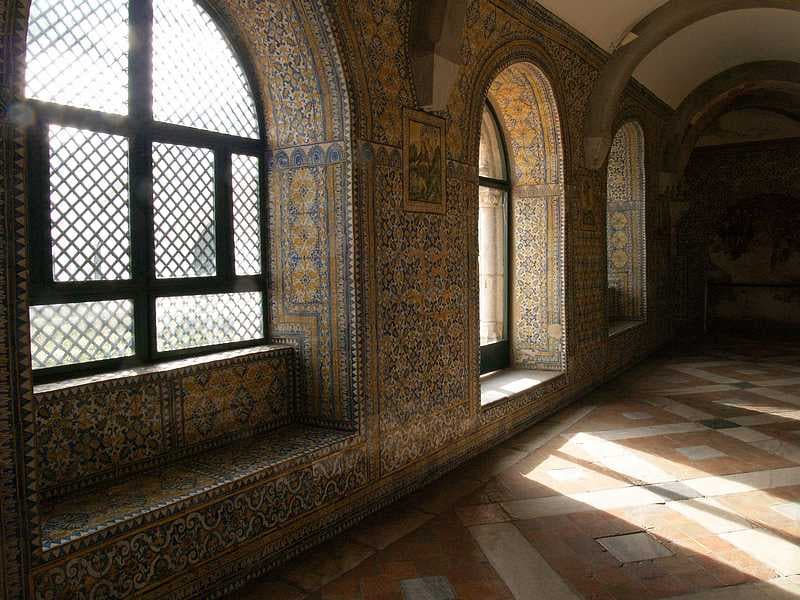
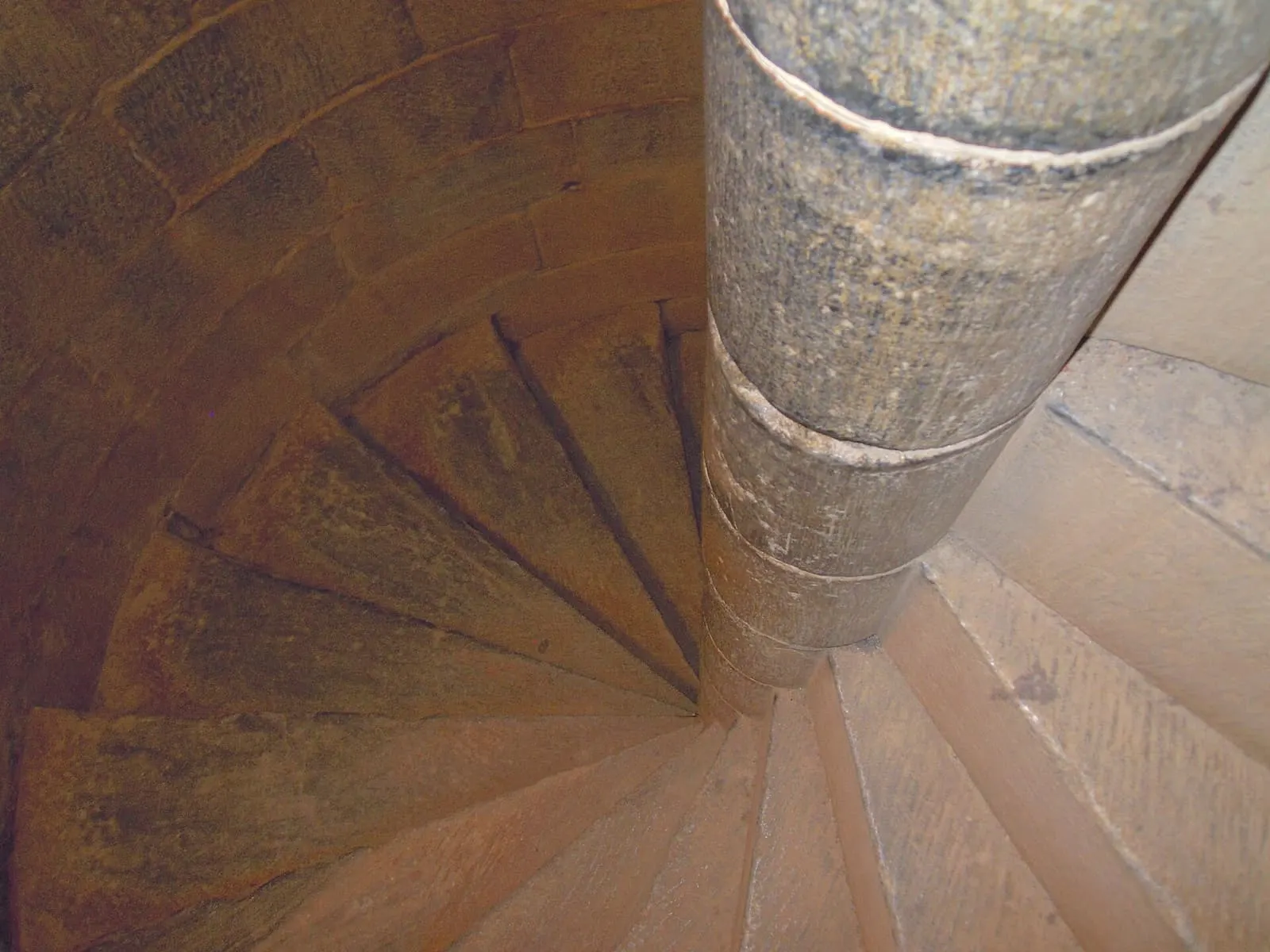
The crowning reveals corner balconies resting on machicolations, joined by walkways protected by pyramidal merlons. The walls are pierced by pointed-arch doorways and mullioned windows, and the interior rooms, vaulted with ribbed cross-vaulting, convey a decorative care unusual in a primarily military structure. The climb to the terrace, by a narrow stone staircase, rewards the visitor with a sweeping panorama over the city and the surrounding Alentejo.
Overlapping styles and classification
Beja Castle is not the work of a single moment. To the Gothic matrix were added later interventions, with Romanesque traces, Manueline touches and Mannerist additions, in a palimpsest that reflects the fortress’s long useful life. The plan of the enclosure, of irregular outline, follows the relief and the urban fabric that over the centuries grew denser alongside the walls.
Recognised as a fundamental piece of the national built heritage, the complex of the castle and the urban wall of Beja was classified as a National Monument in 1910, joining the first great roster of properties protected by the Portuguese State. Today, the keep houses a small museum nucleus and remains open to visitors, being the ideal starting point for discovering the rest of Beja’s heritage and the landscape of the Alentejo.
Those who travel through the region will find, a short distance away, other testimonies of the southern medieval defensive network, such as Serpa Castle, while in the city itself the impressive Convent of the Conceição of Beja completes a heritage route of remarkable historical and artistic density.
Frequently asked questions
- Who ordered the construction of the keep of Beja Castle?
- The keep was commissioned by King Dinis in 1310, atop the walls that King Afonso III had begun to restore from 1253 onwards.
- How tall is the keep of Beja?
- The tower rises to about 40 metres and is often cited as one of the tallest Gothic keeps on the Iberian Peninsula.
- Is Beja Castle a National Monument?
- Yes. The complex of the castle and the urban wall of Beja has been classified as a National Monument since 1910.
Sources
Keep exploring
Heritage nearby
More places to discover from here. Approximate straight-line distances, within 50 km.