Monuments
Convento da Conceição (Beja)
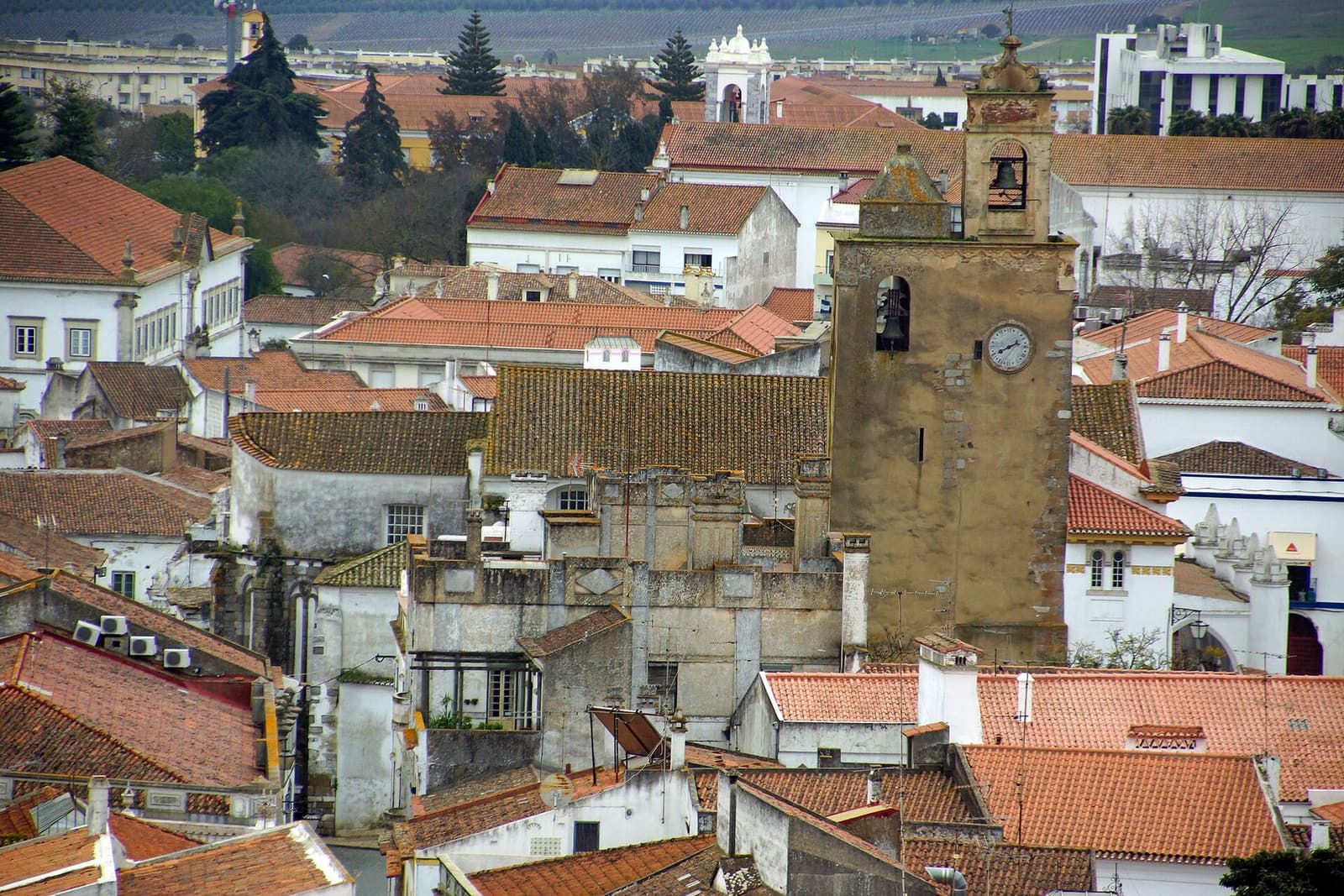
The Convento da Conceição in Beja, a Poor Clare monastery founded in 1459, today the Museu Rainha Dona Leonor, setting of the legend of Mariana Alcoforado in…
- Location
- Beja, Beja
- Built
- 1459
- Style
- Gótico, manuelino e barroco
In the heart of Beja, capital of the Baixo Alentejo, stands one of the richest monastic complexes in southern Portugal. The Royal Monastery of Nossa Senhora da Conceição, commonly known as the Convento da Conceição, was founded in 1459 by the Infante Dom Fernando — brother of Dom Afonso V and father of the future Dom Manuel I — and his wife, the Infanta Dona Beatriz. Intended for the Poor Clares, of the Order of Saint Clare, it quickly became one of the most opulent female religious houses in the kingdom, benefiting from royal patronage and the devotion of the Alentejan nobility.
A palimpsest of styles
The building’s long life left it marked by centuries of successive artistic campaigns. From the fifteenth-century foundation survive late-Gothic traces, to which, in the transition to the sixteenth century, was added an exuberant Manueline grammar visible in portals, windows and stone decoration. The interior of the church, however, is above all Baroque: the gilded carving lining the chancel and altars, the painted ceiling and the decorative profusion belong to the campaigns of the seventeenth and eighteenth centuries, when the community was at its material apogee.
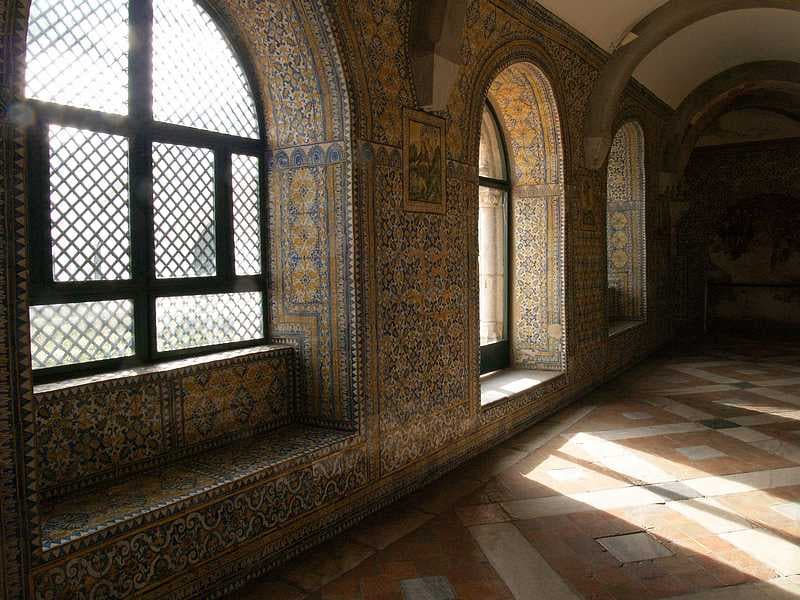
But it is the tilework that gives the convent a place of distinction in the national panorama. The walls preserve an almost complete journey through the art of the azulejo in Portugal, from sixteenth-century examples of Mudéjar tradition to the great figurative panels of the seventeenth century. Particularly notable are the Hispano-Moresque azulejo revetments, of geometric matrix and arista (ridged) technique, which document the phase prior to the spread of the single-figure tile.
The Convento da Conceição is, in effect, a museum of the very history of the azulejo: to walk through its rooms is to traverse three centuries of technical and ornamental evolution without leaving the same building.
The legend of Mariana Alcoforado
No history of the convent is told without the figure of Mariana Alcoforado, a nun said to have lived here in the seventeenth century. Tradition attributes to her the authorship of the Letters of a Portuguese Nun, five letters of passionate love addressed to the French cavalier Noel Bouton de Chamilly, published in Paris in 1669. According to the legend, Mariana would have caught sight of him from the so-called Janela de Mértola, a Gothic opening that visitors still seek out today. The authorship of the letters remains debated by critics — many consider them a French literary creation — but the episode became fixed in the city’s imagination and made the convent a landmark of European sentimental literature.
From monastery to museum
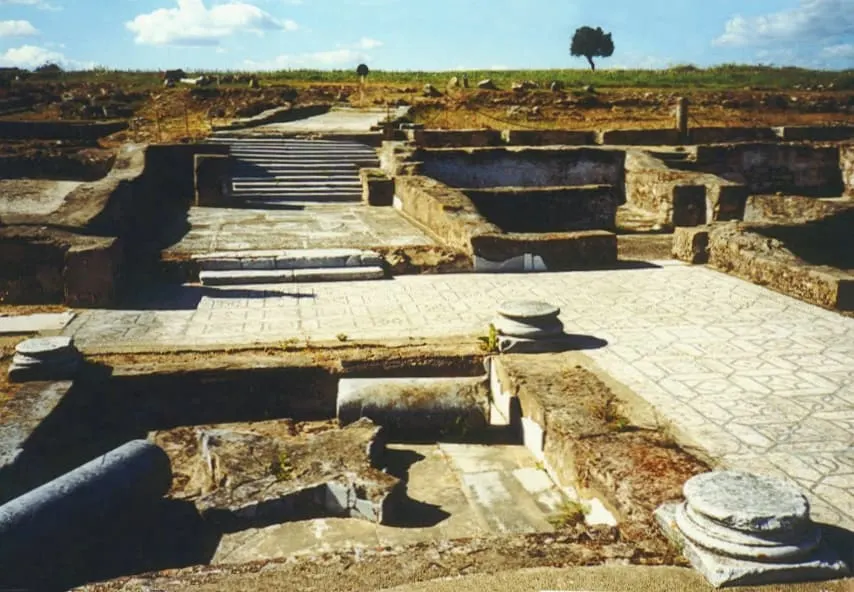
With the suppression of the female religious orders in the nineteenth century, the convent lost its monastic function. Part of the outbuildings was demolished or adapted to other uses, but the essential core — church, cloister and chapter rooms — was preserved. In 1922 it was classified as a National Monument, in recognition of its heritage value. Since 1927 the building has housed the Regional Museum of Beja, today designated the Museu Rainha Dona Leonor, whose collections encompass tilework, painting, carving, goldsmithing and archaeology, the latter bringing together materials ranging from Prehistory to the Roman and medieval periods.
A few steps away stands the Castelo de Beja, with its Gothic keep, forming with the convent the historical axis of the city. For those exploring the Alentejan monastic heritage, it is also worth visiting the Mosteiro de São Bento de Cástris, near Évora, another testimony to Cistercian and Poor Clare life in the region. Together, these monuments reveal the religious and artistic density that marked the Alentejo in the centuries of the great conventual expansion.
Frequently asked questions
- Who founded the Convento da Conceição in Beja?
- The monastery was founded in 1459 by the Infante Dom Fernando, brother of Dom Afonso V, and his wife, the Infanta Dona Beatriz, for the Order of Saint Clare.
- What can be visited at the convent today?
- The building houses the Museu Rainha Dona Leonor (Regional Museum of Beja), with a remarkable collection of tilework, painting, gilded carving and archaeology.
- What is the connection to Mariana Alcoforado?
- Tradition associates this convent with the nun Mariana Alcoforado, to whom the 'Letters of a Portuguese Nun' are attributed, and the celebrated Janela de Mértola, from which she is said to have watched the French cavalier.
Sources
Keep exploring
Heritage nearby
More places to discover from here. Approximate straight-line distances, within 50 km.