Monuments
Leiria Castle
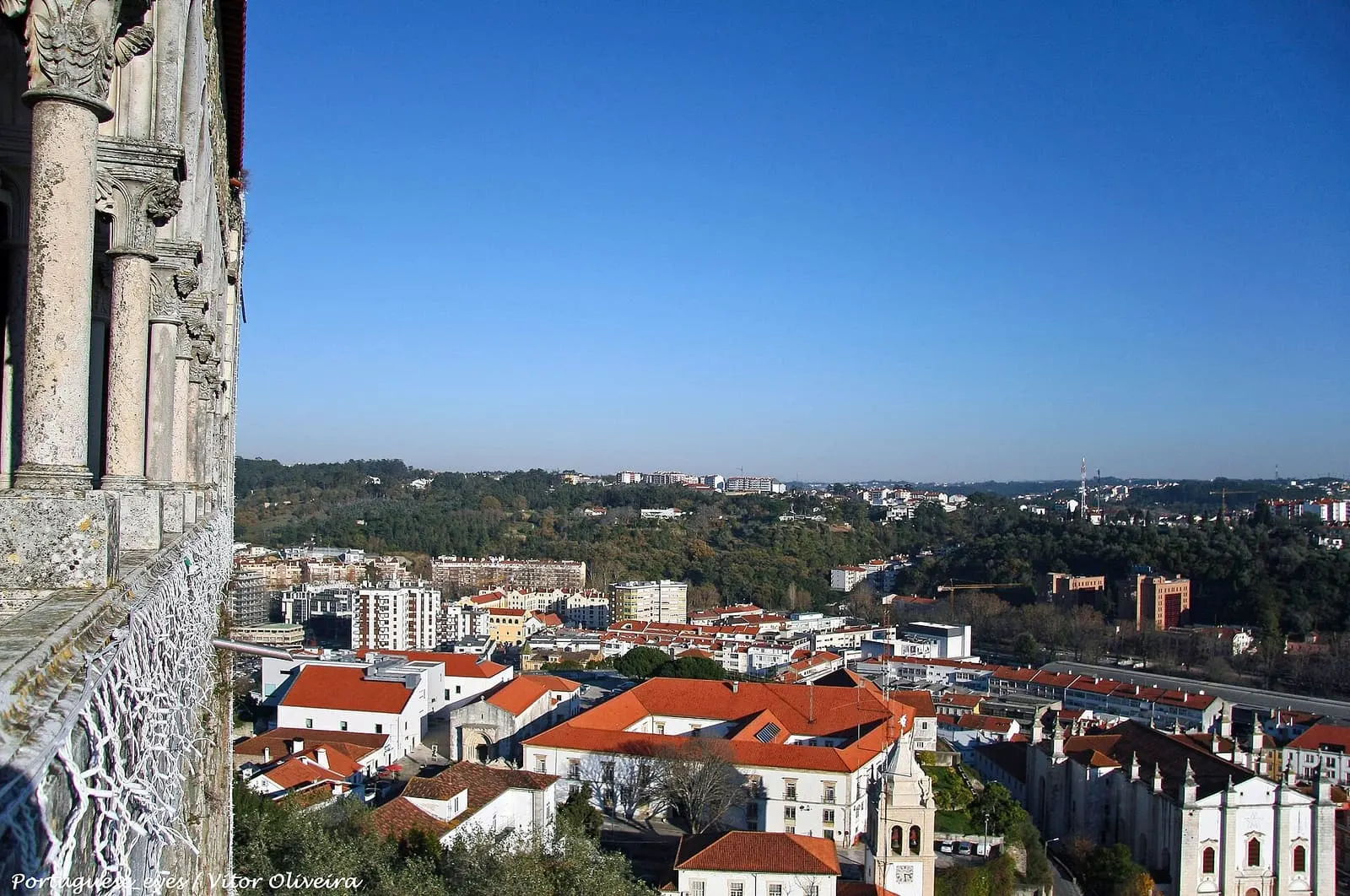
Leiria Castle, the palace-castle of King Dinis overlooking the city, with the famous Gothic loggia of the royal palace, a National Monument since 1910.
- Location
- Leiria, Leiria
- Built
- 1135; Torre de Menagem iniciada em 1324
- Style
- Românico e Gótico
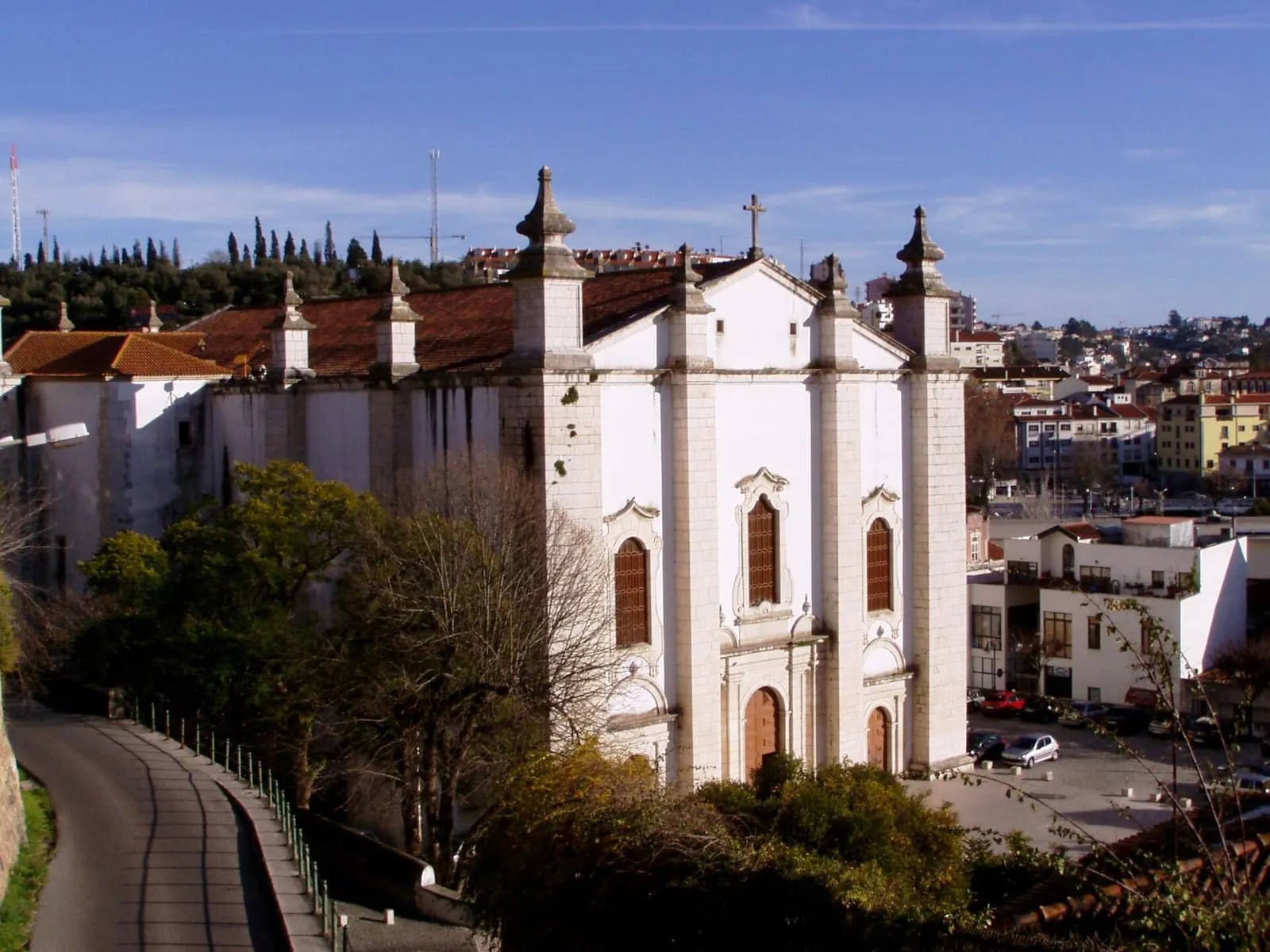
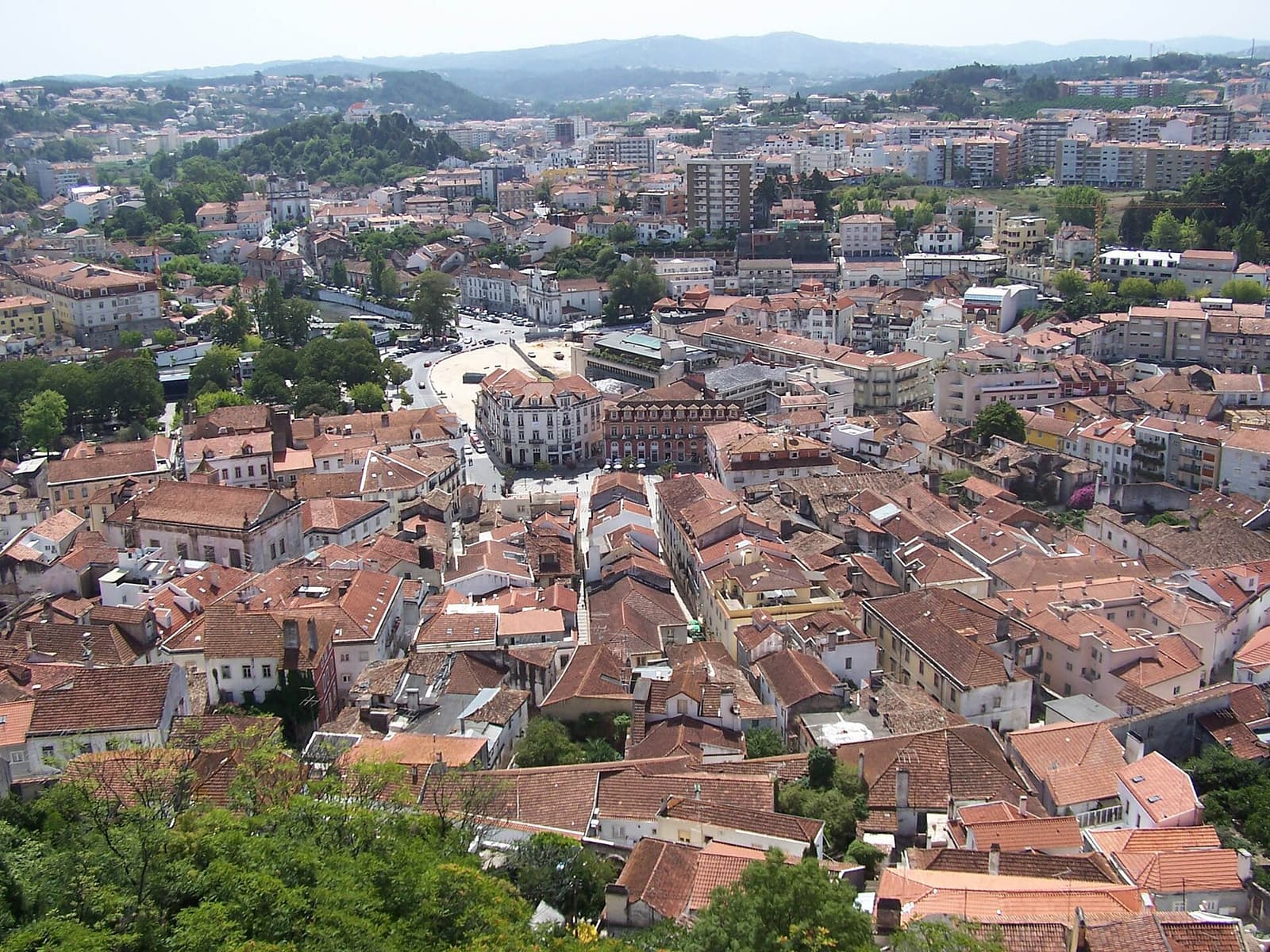
Rising on a rocky hill that commands the bank of the River Lis, Leiria Castle is one of the most striking examples of the transition from medieval frontier castle to palatial residence. Its silhouette, outlined by the arcading of the royal palace, has become an emblematic image of the city and a testament to almost nine centuries of Portuguese history.
From the frontier of the Reconquest to the royal palace
The original fortress was ordered built by King Afonso Henriques around 1135, at a strategic point between Coimbra and Santarém, intended to secure the Christian presence along the advancing line of the Reconquest. Its forward and exposed position meant that the stronghold changed hands more than once before being definitively consolidated as Portuguese territory.
With the frontier stabilised to the south, the castle lost its military primacy and gained new functions. It was within its walls that, in 1254, the Cortes summoned by King Afonso III assembled — an assembly traditionally regarded as the first to which, alongside the nobility and the clergy, representatives of the municipalities were also called. This institutional vocation foreshadows the transformation that the following reign would bring about.
The work of King Dinis and Queen Saint Isabel
It was under King Dinis that the austere military enclosure was turned into a palace. The Farmer King, who had one of his seasonal residences in Leiria, ordered work to begin on the mighty Torre de Menagem (keep) on 8 May 1324, a few months before his death, and drove the residential works that would also make the castle the dwelling of Queen Saint Isabel. The royal predilection for the region is further linked to the coastal pine forest planted in the vicinity, today known as the Pinhal de Leiria.
Leiria Castle was not merely a fortress adapted into a residence: it is one of the rare complexes where the medieval Portuguese palatial function can still be clearly read in the architecture itself.
The so-called Paços Novos, square in plan, link lateral towers with a central body. On the lower floor opens a vast hall supported by sturdy Gothic arches; on the upper floors stood the royal apartments and the Great Hall, which communicated with the famous loggia — a gallery of eight pointed arches leaning out over the city. Much of what can be admired today is owed to the restoration campaign carried out in the early twentieth century by the Swiss architect Ernesto Korrodi, who rebuilt ruined elements while seeking to restore the complex’s Gothic dignity.
Significance and classification
Classified as a National Monument in 1910, Leiria Castle is part of the network of medieval Portuguese castles that structured the territory during the Middle Ages. Its palatial dimension brings it typologically close to the royal palaces, while the arcading of the palace places it among the most notable achievements of civil Gothic in Portugal.
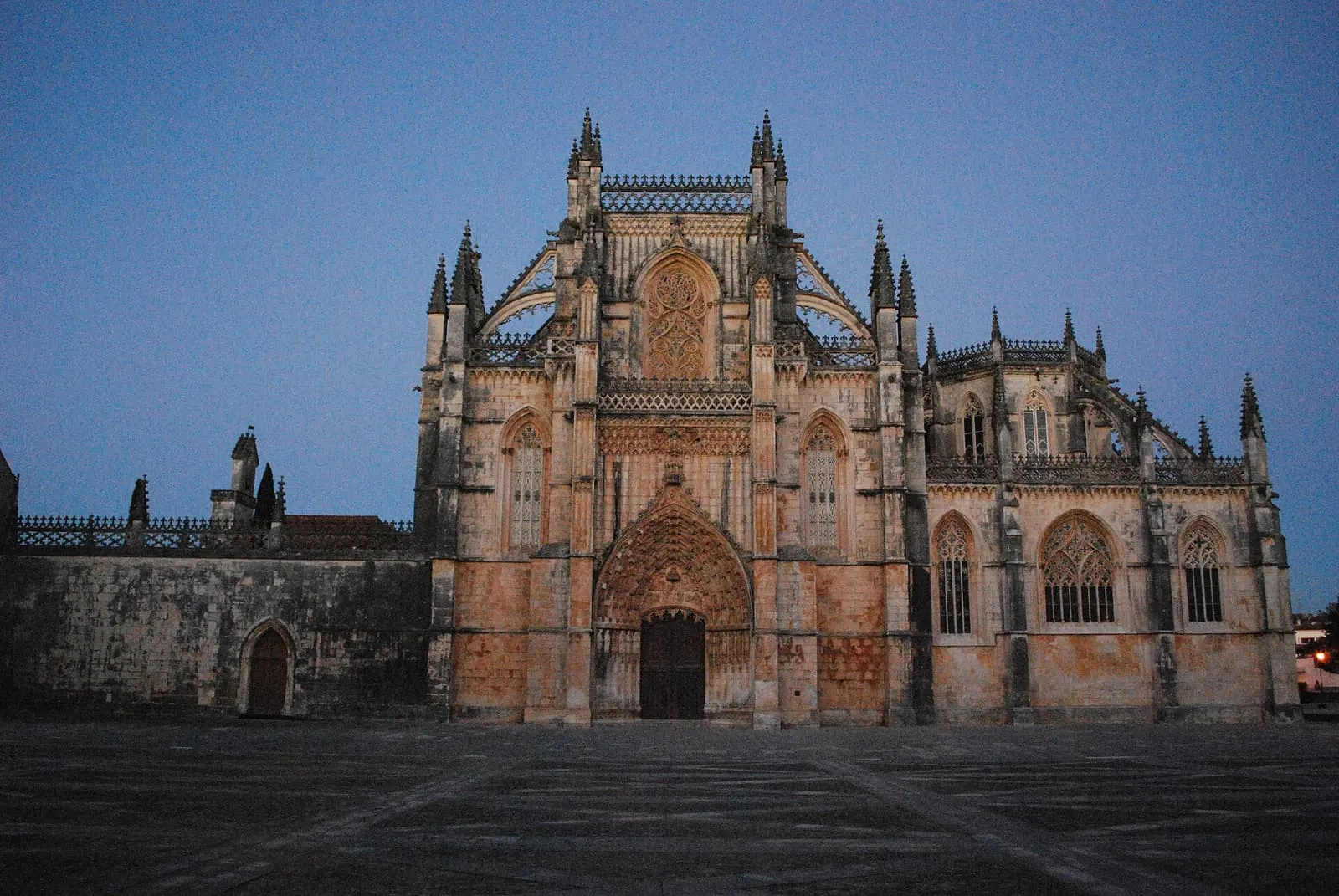
Within the region, the castle converses with other nearby landmarks from the same period of royal affirmation, such as the neighbouring Batalha Monastery, built by King João I, or, in the realm of Dinisine fortifications and walled towns, Óbidos Castle. Together they help us understand how the Portuguese crown used architecture — military, religious and palatial — to inscribe its power upon the landscape.
Open to the public today, the complex includes the keep (Torre de Menagem), the Paços Novos and the church of Nossa Senhora da Pena, offering from the hilltop one of the most recognisable panoramas of the city of Leiria.
Frequently asked questions
- Who ordered the building of Leiria Castle?
- The original fortress was raised by order of King Afonso Henriques around 1135, along the frontier line of the Reconquest. It was, however, King Dinis who turned it into a royal residence, ordering the construction of the keep (the Torre de Menagem, begun in 1324) and the royal palace.
- What is the loggia of the royal palace of Leiria?
- It is a gallery of Gothic arcading, with eight pointed arches, which opened onto the Great Hall of the Paços Novos, offering sweeping views over the city. The feature was partly reconstructed in the early twentieth century by the architect Ernesto Korrodi.
- Can Leiria Castle be visited?
- Yes. The fortified complex is classified as a National Monument and is open to the public, with access to the keep (Torre de Menagem), the Paços Novos and the church of Nossa Senhora da Pena.
Sources
Keep exploring
Heritage nearby
More places to discover from here. Approximate straight-line distances, within 50 km.