Monuments
Castle of Guimarães
The Castle of Guimarães, in Braga: the comital fortress linked to Afonso Henriques, with its keep, regarded as the cradle of the Portuguese nation.
- Location
- Guimarães, Braga
- Built
- Séc. X (núcleo primitivo); torre de menagem e torreões séc. XIII
- Style
- Românico e Gótico
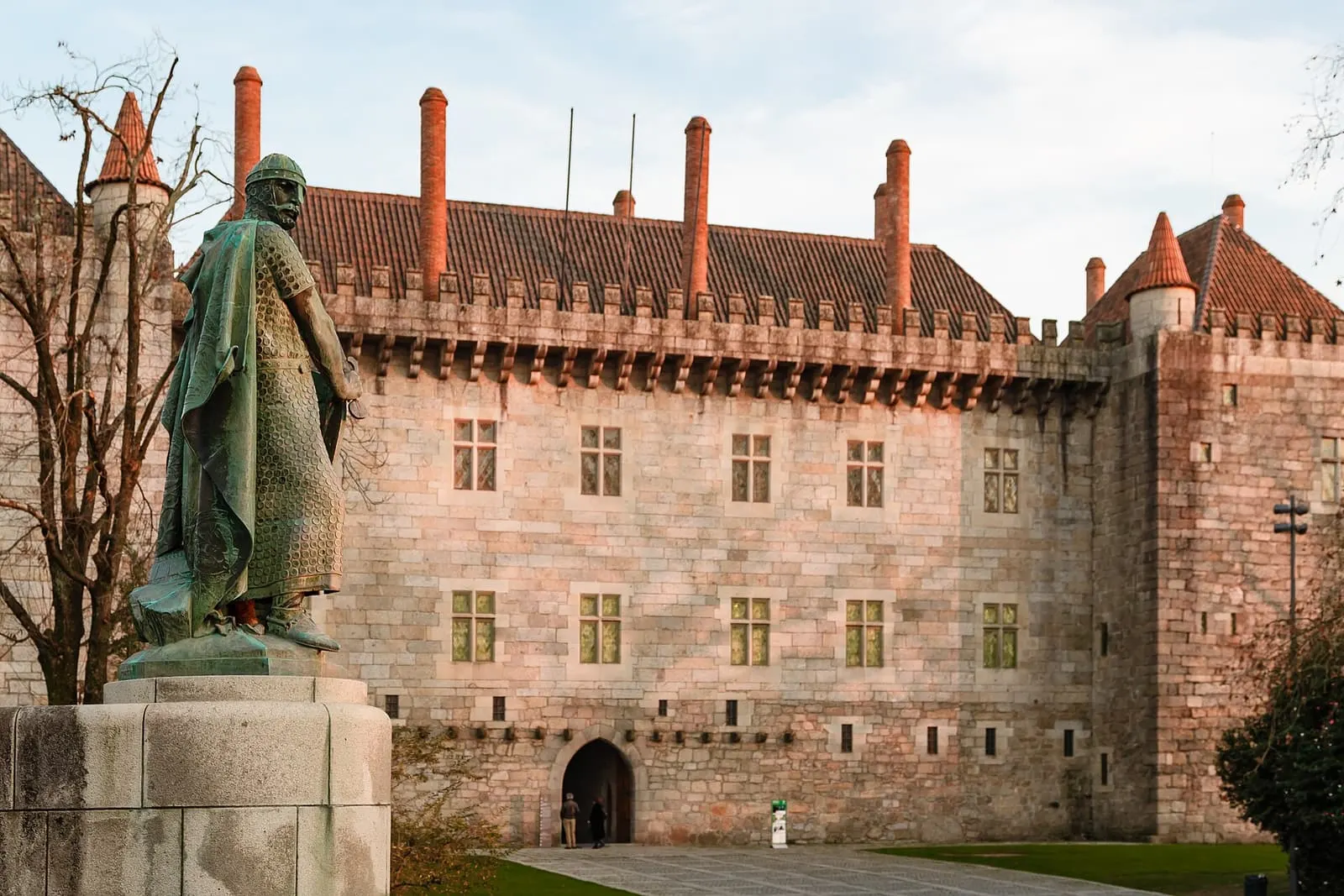
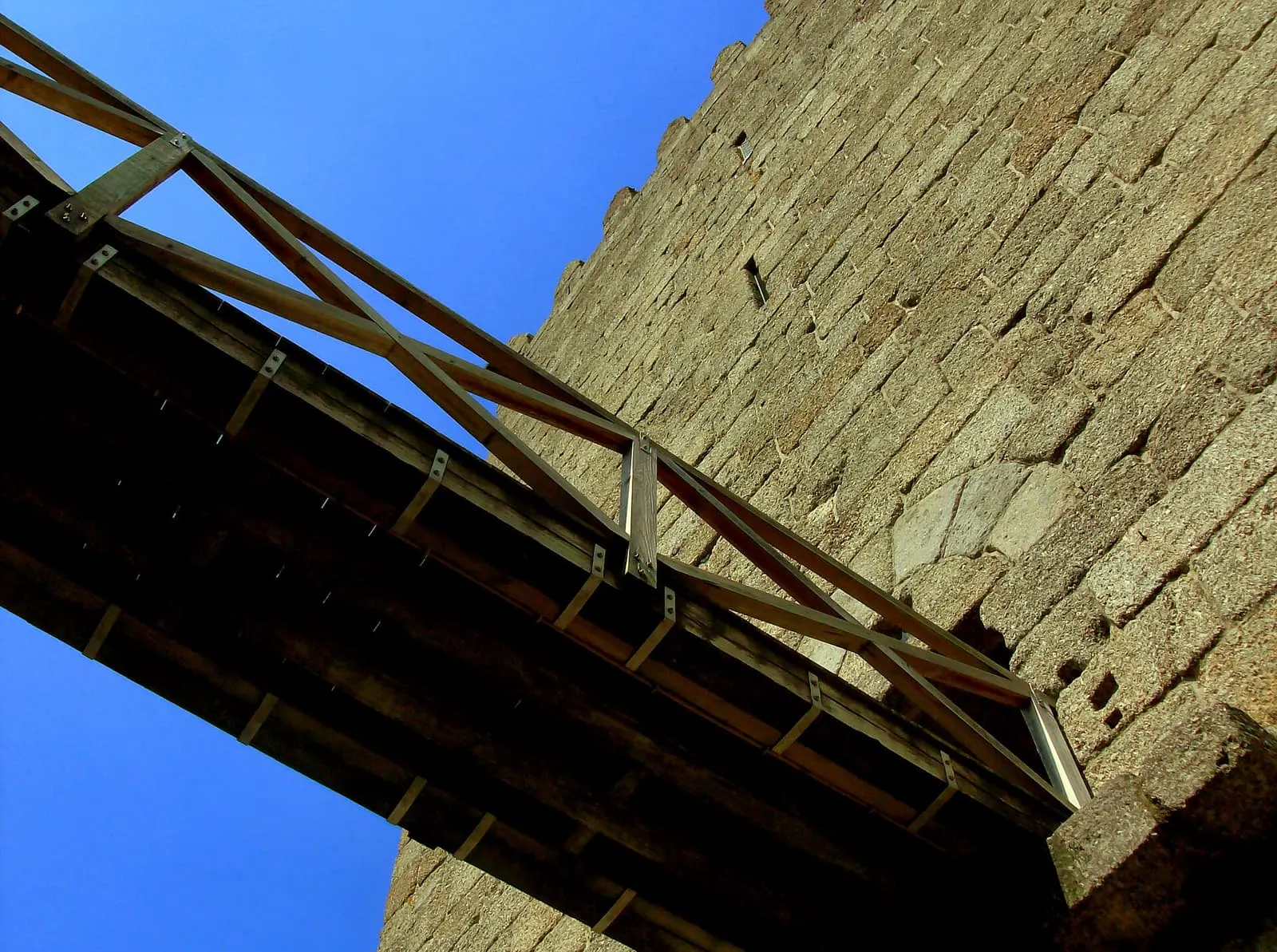
High on the Colina Larga, overlooking the city that was born from it, the Castle of Guimarães is one of the monuments most laden with symbolism in Portuguese history. Its austere granite silhouette, dominated by the keep flanked by eight towers, condenses centuries of memory and has become fixed in the national imagination as the “cradle” of Portugal.
From comital foundation to Gothic fortress
The castle’s origin dates back to the tenth century, when Countess Mumadona Dias, widow of Count Hermenegildo Mendes, had a primitive fortification built — probably of earth and timber — to protect the monastery she had founded and the settlement growing at its feet. It was still a modest structure, serving the defence against Norman and Muslim raids.
The decisive transformation came at the end of the eleventh century, with Counts Henry of Burgundy and Teresa of León, who chose Guimarães as their residence. The primitive construction was replaced by a sturdier structure of stone. It was, however, over the course of the thirteenth century — above all in the reigns of Afonso III and Dinis — that the castle acquired the Gothic form we still know today: the tall central keep, the towers set against the wall, and the walled perimeter that adapts to the rocky outcrop.
Few monuments so well sum up the founding of a kingdom: the castle is, at one and the same time, a military fortress and a reliquary of an identity.
The cradle of the nation
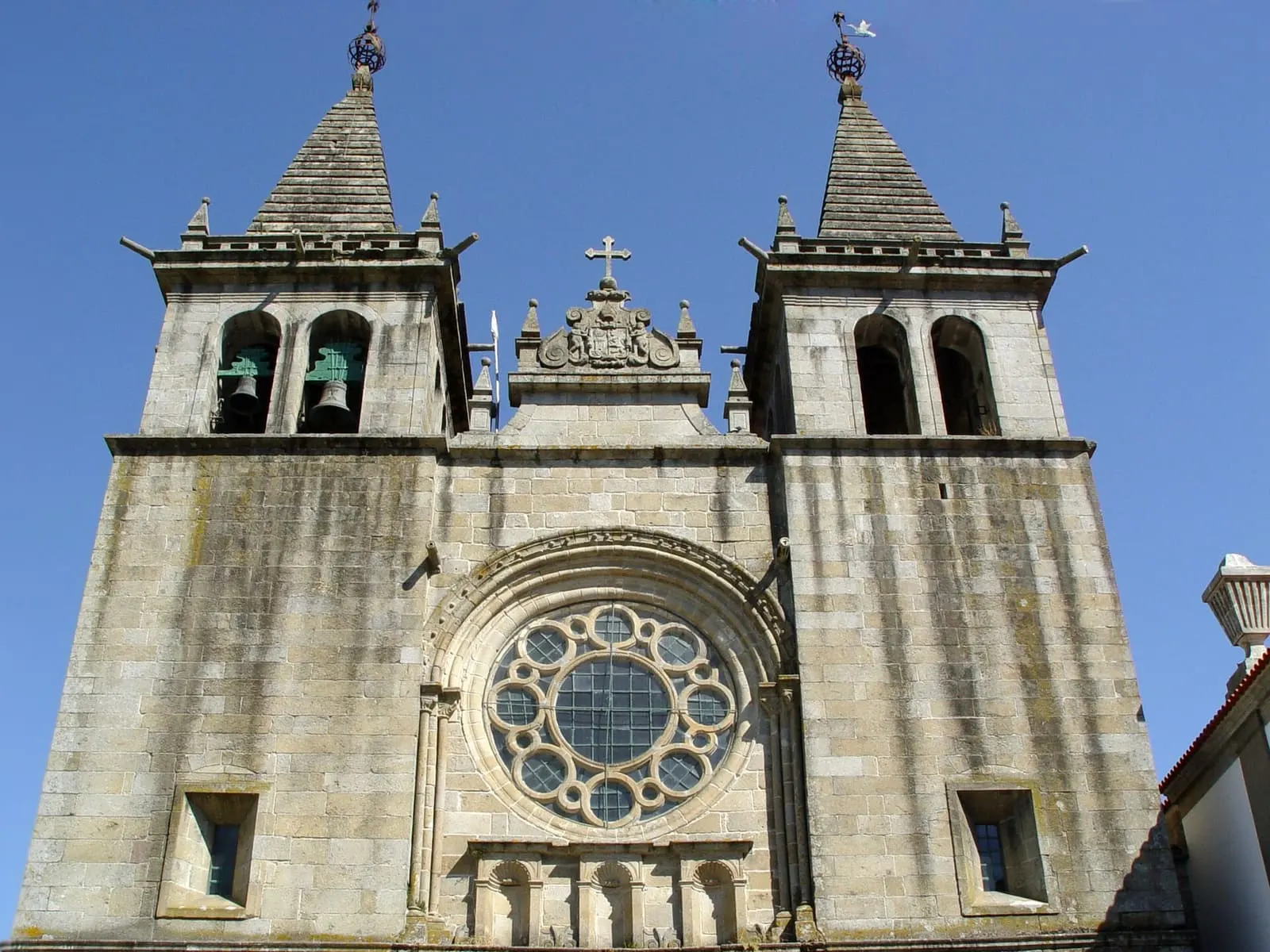
The castle’s fame is inseparably linked to Afonso Henriques, the first king of Portugal. Tradition holds that he was born here and baptised in the nearby Romanesque church of São Miguel do Castelo, although contemporary documentation does not confirm it. What history establishes with certainty is the centrality of Guimarães in the process by which the County of Portugal gained its autonomy: nearby, in 1128, the Battle of São Mamede was fought, in which Afonso Henriques defeated the forces loyal to his mother, Teresa, giving the decisive impetus to the formation of the independent kingdom.
This symbolic density explains why the castle remains a place of civic pilgrimage. Beside it rises the fifteenth-century Palace of the Dukes of Bragança, and the ensemble is part of the historic centre of Guimarães, classified by UNESCO as a World Heritage Site in 2001.
Conservation and classification
Over the centuries the castle lost its military importance and fell into decay, even serving as a quarry and a prison. In the early twentieth century, amid the debate on national memory, it was the object of far-reaching restoration campaigns that restored its medieval reading. Classified as a National Monument in 1910, it became one of the most visited heritage sites in the country and, in 2007, was voted one of the Seven Wonders of Portugal.
As a foremost example of our medieval fortifications, the Castle of Guimarães converses with other strongholds of the North, such as the Castle of Bragança, and holds a prominent place among the monuments of Portugal that underpin the country’s foundational narrative.
Frequently asked questions
- Was Afonso Henriques born in this castle?
- Tradition associates the birth of Portugal's first king with Guimarães and its castle, but no contemporary document confirms it. What is historically established is his connection to the region and the Battle of São Mamede, fought nearby in 1128.
- Who ordered the Castle of Guimarães to be built?
- The original core is owed to Countess Mumadona Dias, in the tenth century, to defend her monastery. The imposing fortress seen today results above all from the works of Counts Henry and Teresa and from the Gothic building campaigns of the thirteenth century.
- Is the Castle of Guimarães a World Heritage Site?
- The castle is part of the Historic Centre of Guimarães, classified by UNESCO as a World Heritage Site in 2001. The monument itself has been a National Monument since 1910.
Sources
Keep exploring
Heritage nearby
More places to discover from here. Approximate straight-line distances, within 50 km.