World Heritage
Historic Centre of Porto, Luís I Bridge and Monastery of Serra do Pilar
Historic Centre of Porto, Luís I Bridge and Monastery of Serra do Pilar, an urban landscape above the Douro inscribed on the UNESCO World Heritage List since 1996.
- Location
- Porto, Porto
- Built
- Origens medievais; Mosteiro da Serra do Pilar 1538–1670; Ponte Luís I 1881–1886
- Style
- Tecido urbano medieval, barroco e arquitetura do ferro do séc. XIX
- UNESCO
- World Heritage · since 1996
Overlooking the mouth of the Douro, the Historic Centre of Porto is one of the most expressive urban landscapes of Atlantic Europe: a dense fabric of narrow streets descending amphitheatre-like to the river, crowned by churches, palaces and warehouses that document more than a thousand years of continuous settlement. Inscribed on the UNESCO World Heritage List in 1996, the property was later extended, in the designation approved in 2016, to explicitly include the Luís I Bridge and the Monastery of Serra do Pilar, on the opposite bank.
A city that grew upon the rock
The original nucleus formed on the hill of the Sé, where there are traces of human occupation dating back to the first millennium BC. From there the city expanded towards the Ribeira, beside the water, organising itself into a medieval layout of alleys, stairways and blocks that still structures the district today. The classified area covers around 130 hectares and encompasses the territories of the former parishes of the Sé, São Nicolau, Vitória and Miragaia.
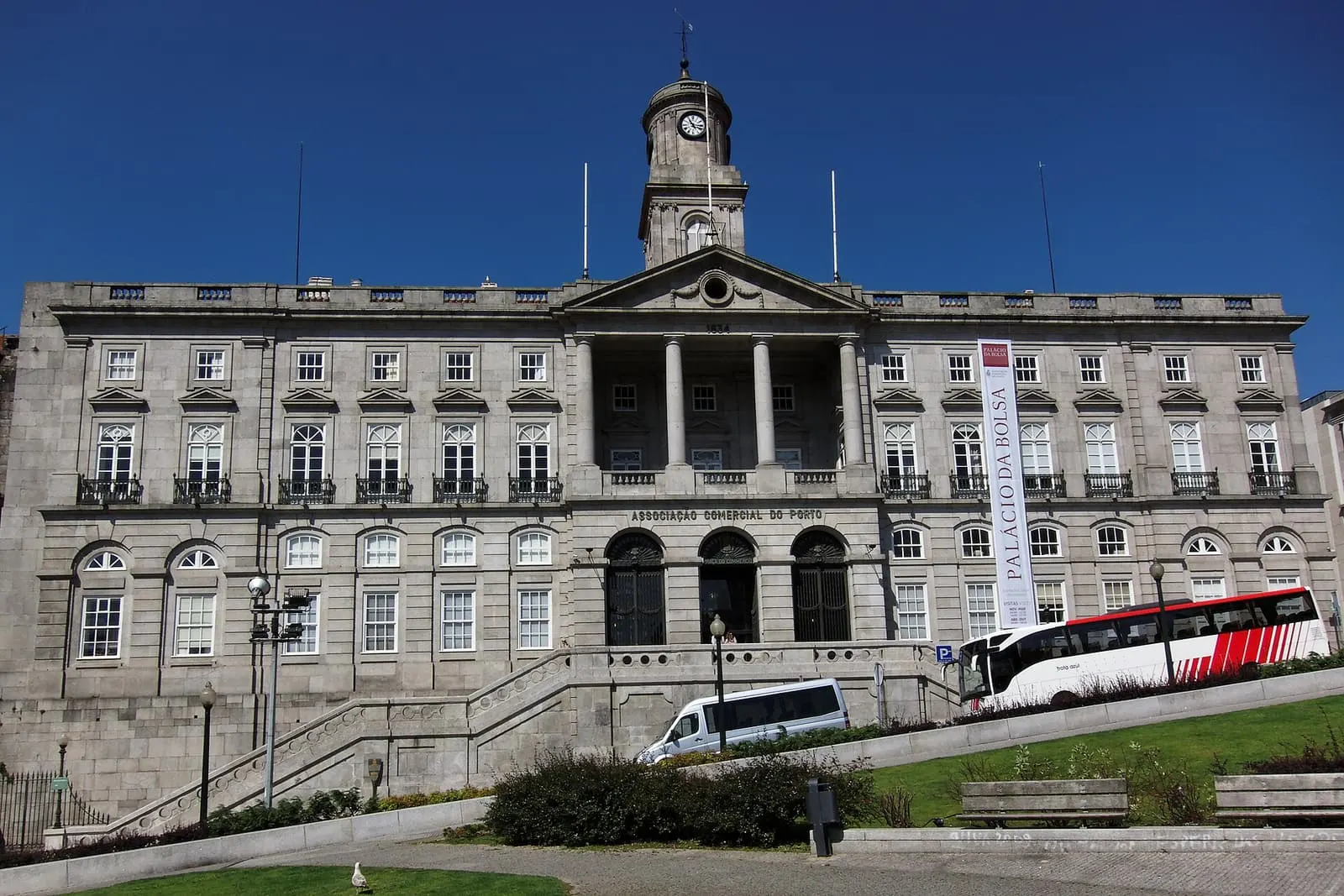
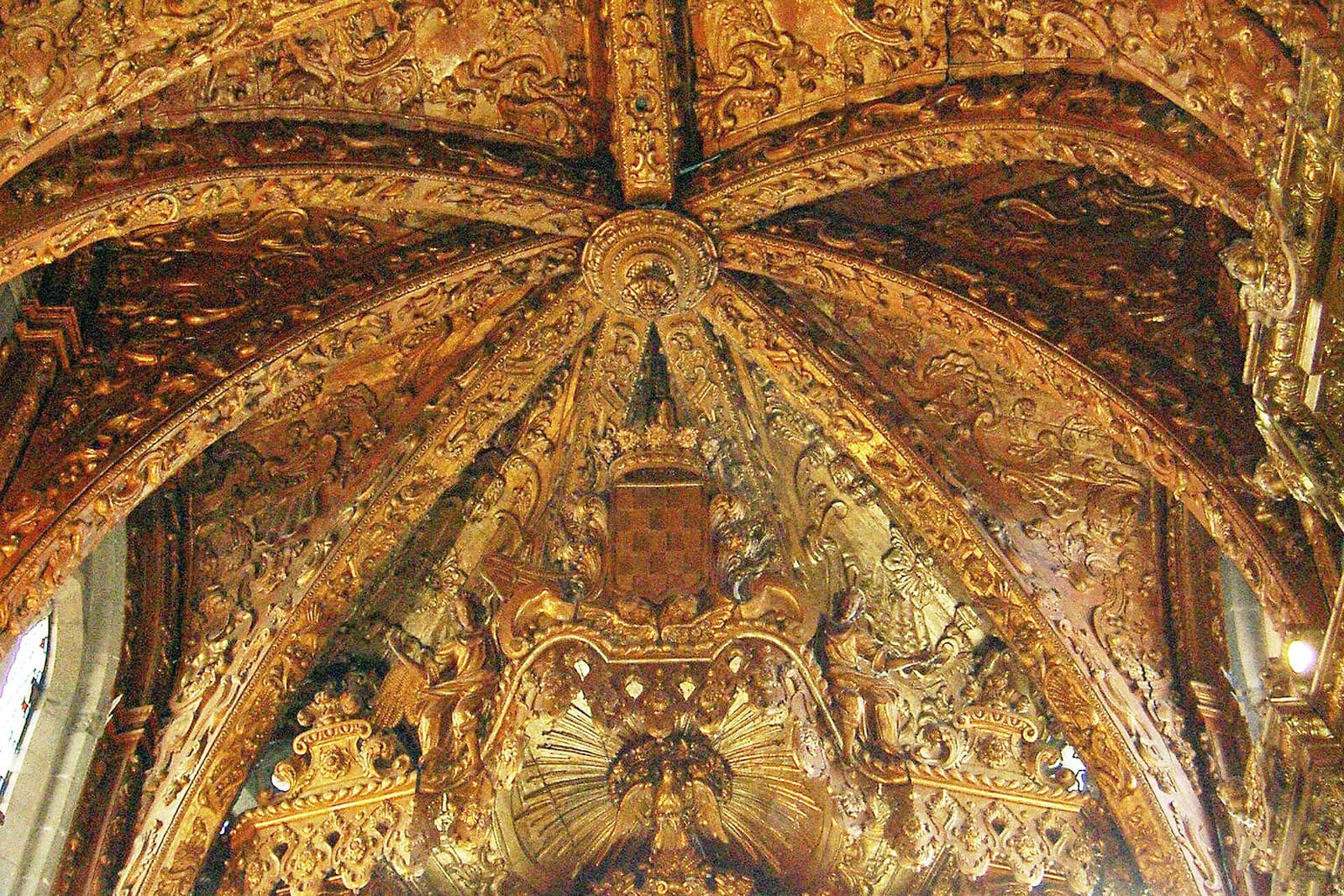
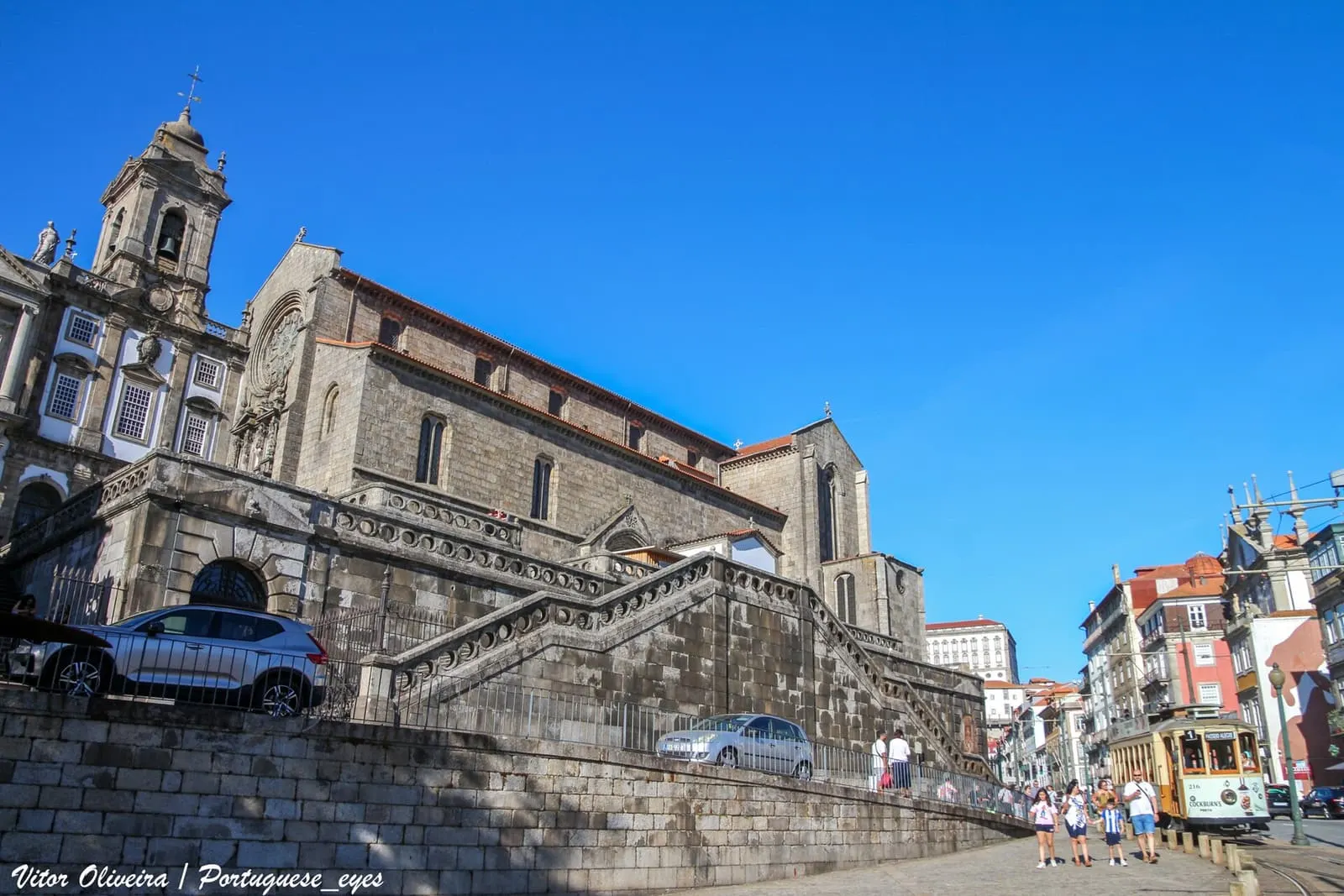
Above this cluster of houses rises the Sé do Porto, a fortress-church of Romanesque origin that dominates the hill, and, descending to the river, the Church of São Francisco, whose Gothic interior was clad in one of the most opulent gilded carvings in the country. The mercantile vigour of the nineteenth century left equally remarkable marks, such as the Palácio da Bolsa, seat of the former Commercial Association, and the Baroque verticality of the Torre dos Clérigos, a visual reference for the whole city.
The value of Porto lies not in an isolated monument but in the continuity of an ensemble: UNESCO distinguished the coherence of an urban landscape in which each era left a layer over the previous ones, without ever erasing the medieval design.
The bridge and the monastery: the two banks
The Luís I Bridge, opened in 1886, is a work of iron engineering designed by the Belgian engineer Théophile Seyrig, a former collaborator of Gustave Eiffel. Its great arch spans 172 metres and supports two superimposed decks linking Porto to Vila Nova de Gaia. It belongs to the same aesthetic family of iron architecture that transformed European cities in the second half of the nineteenth century.
On the south bank, overlooking the river, stands the Monastery of Serra do Pilar, whose construction advanced mainly between 1538 and the second half of the seventeenth century. It is one of the most singular examples of European classical architecture, on account of its church and its circular-plan cloister, rare within the monastic panorama. Its strategic position made it a decisive military point, notably during the Siege of Porto in the Liberal Wars.
Criterion of classification and context
The property was inscribed under criterion (iv), as an example of an urban landscape of outstanding universal value, a testimony to more than a millennium of development of a European port city. The classification belongs to the set of Portuguese properties recognised as World Heritage, which ranges from monasteries and historic centres to cultural landscapes.
Porto is also the gateway to another landscape distinguished by UNESCO, the Alto Douro Wine Region, from where the wine descends to age in the cellars of Gaia, right there, under the gaze of the Monastery of Serra do Pilar. To visit the historic centre is therefore to traverse simultaneously a living city and a built archive of Portuguese history.
Frequently asked questions
- When was the Historic Centre of Porto classified as World Heritage?
- It was inscribed on the UNESCO World Heritage List on 5 December 1996, with reference number 755, under cultural criterion (iv).
- Is the Monastery of Serra do Pilar in Porto or in Gaia?
- It is in Vila Nova de Gaia, on the south bank of the Douro, facing the city of Porto. Even so, it forms part of the same property inscribed by UNESCO, on account of its visual and historical relationship with the ensemble.
- Why is the Luís I Bridge part of the classification?
- The bridge, opened in 1886 and designed by Théophile Seyrig, is a landmark of nineteenth-century iron architecture and symbolically links the two banks that make up the listed landscape.
Sources
Keep exploring
Heritage nearby
More places to discover from here. Approximate straight-line distances, within 50 km.