Places
Constância
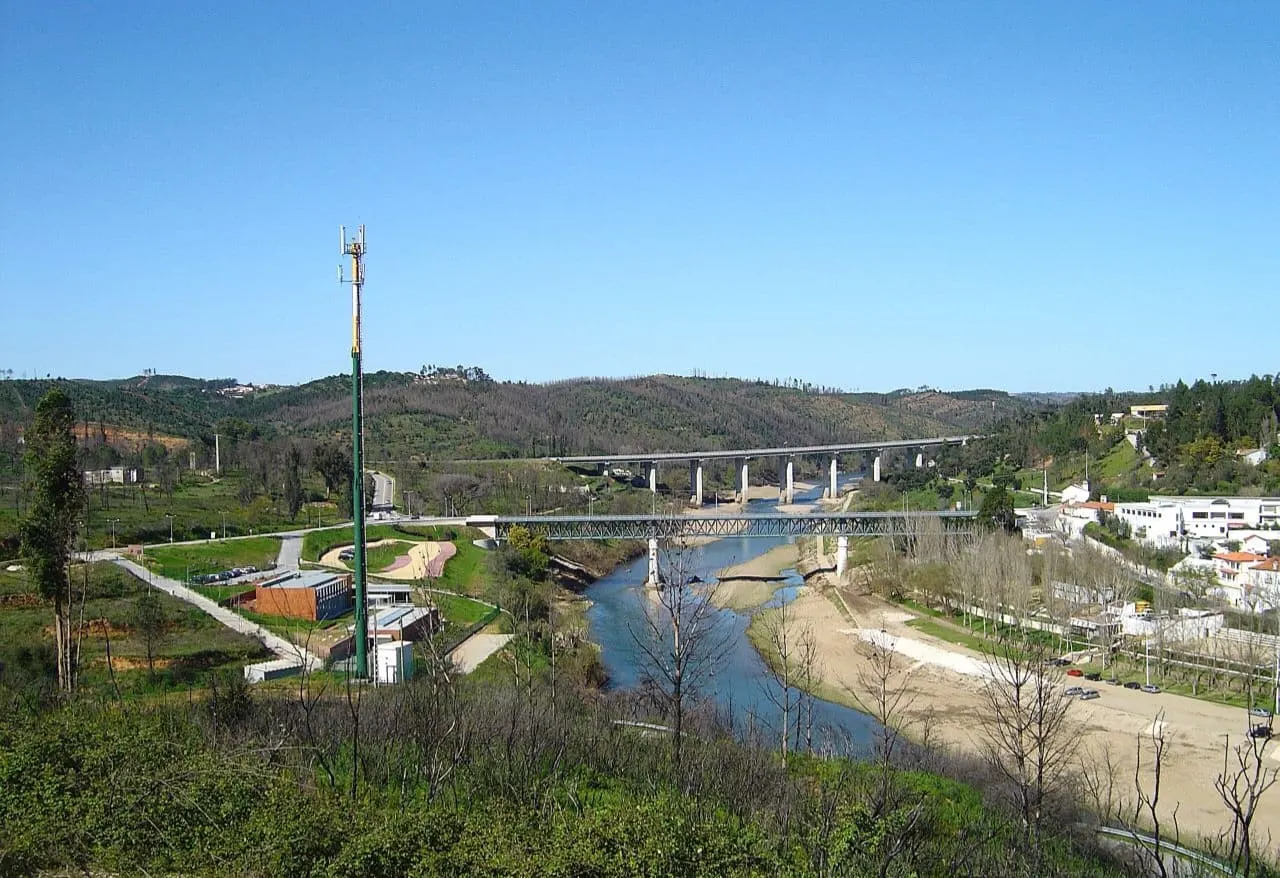
Constância, a riverside town of the Middle Tagus (Santarém), at the confluence of the Zêzere and the Tagus and linked to the memory of Luís de Camões.
- Location
- Constância, Santarém
- Built
- 1571 (foral e elevação a vila)
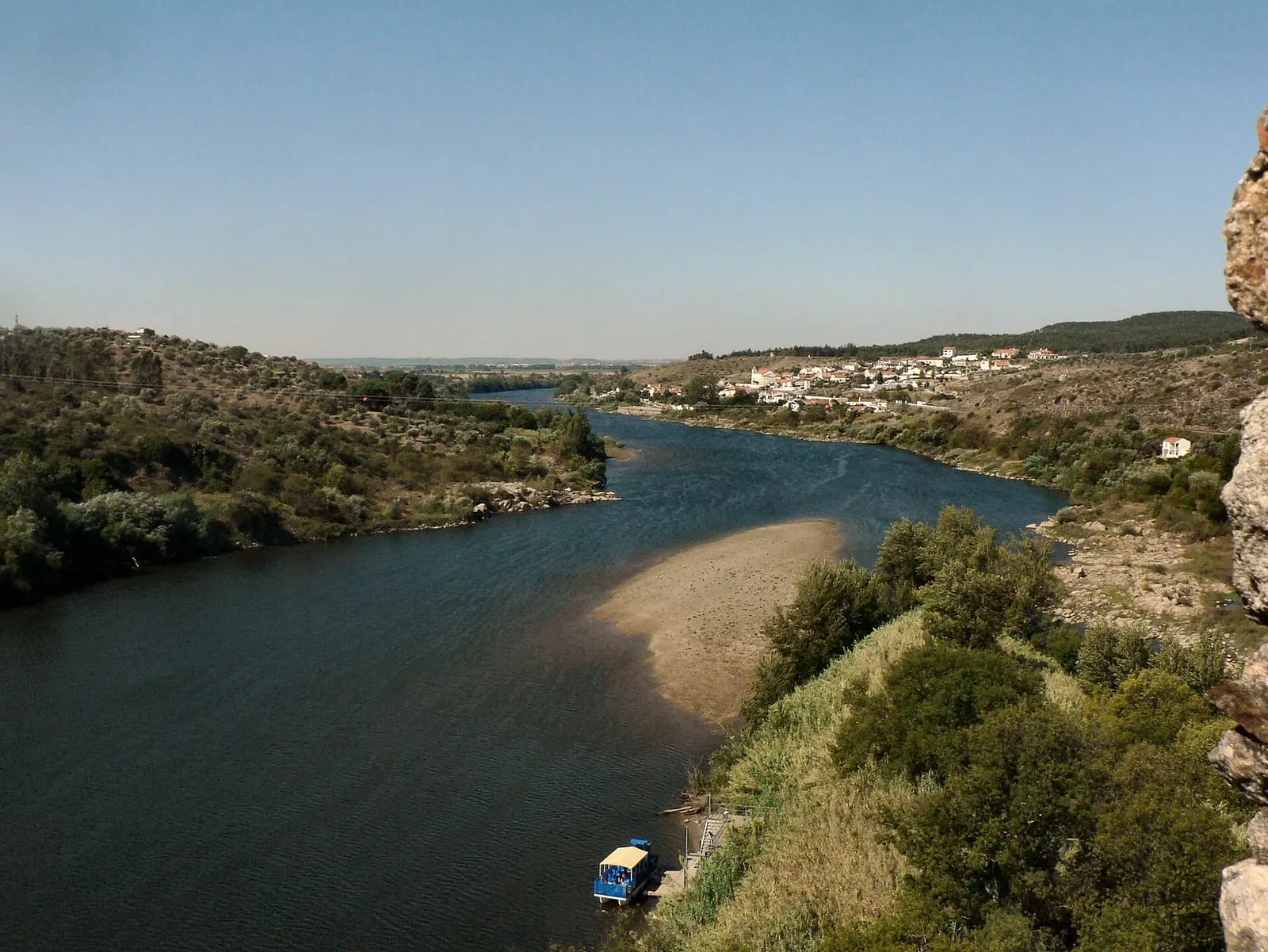
Where the green waters of the Zêzere mingle with the broad current of the Tagus rises Constância, one of the most scenic riverside towns of the Middle Tagus. Its white houses, trimmed with coloured bands, descend in terraces to the river, forming an amphitheatre that earned the settlement the renown of a “poem-town”. The seat of a municipality in the district of Santarém, Constância owes its identity to a singular geography — that of a crossroads of waters — and to a literary memory that fixed it in the Portuguese imagination: that of having been the dwelling place of Luís de Camões.
From a river confluence to the town of Dom Sebastião
Constância’s riverside vocation long predates its existence as a town. Known for centuries by the name of Punhete, the settlement grew in the service of the river — of fluvial transport, of the crossing, of fishing and, above all, of the shipbuilding and repair that supplied the traffic between the Beira interior and Lisbon. The mouth of the Zêzere made it a natural staging point for navigation on the Tagus, channelling timber, salt and the produce of the upland ranges towards the capital.
It was this importance that led Dom Sebastião to grant it a charter (foral) and raise it to the status of a town, creating the municipality in 1571. The settlement kept the name of Punhete until 1836, when Queen Maria II, by decree, replaced it with Constância — a choice that rewarded the steadfastness (“constância”) with which the inhabitants had supported the Liberal cause during the civil wars. The town prospered while the river was a road; the railway, in the nineteenth century, and later the road network and the dams of the Zêzere stripped it of its fluvial prominence, opening the way to the cultural and tourist vocation that defines it today.
The poem-town of Camões
No reference defines Constância as much as the memory of Luís de Camões. According to tradition, the poet is said to have lived here for part of his youth, in the mid-sixteenth century, composing lyric verses in the shade of the riverbanks. The town has cultivated that heritage with care: the Jardim-Horto de Camões, overlooking the confluence of the rivers, evokes in stone and flora the motifs of Camonian poetry, while the Casa-Memória de Camões safeguards the epic poet’s bond with the place.
Few Portuguese towns have made a literary tradition the very heart of their urban identity, turning the river and the garden into a monument to the word.
This poetic imagery coexists with a heritage of human scale: the parish church (Igreja Matriz), the Church of the Misericórdia, the pillory and the sixteenth- and eighteenth-century houses that step down the hillside. To the memory of Camões was added, in the twentieth century, that of the poet Alexandre O’Neill, whose personal library is now in the keeping of the municipality.
In the heart of the Middle Tagus
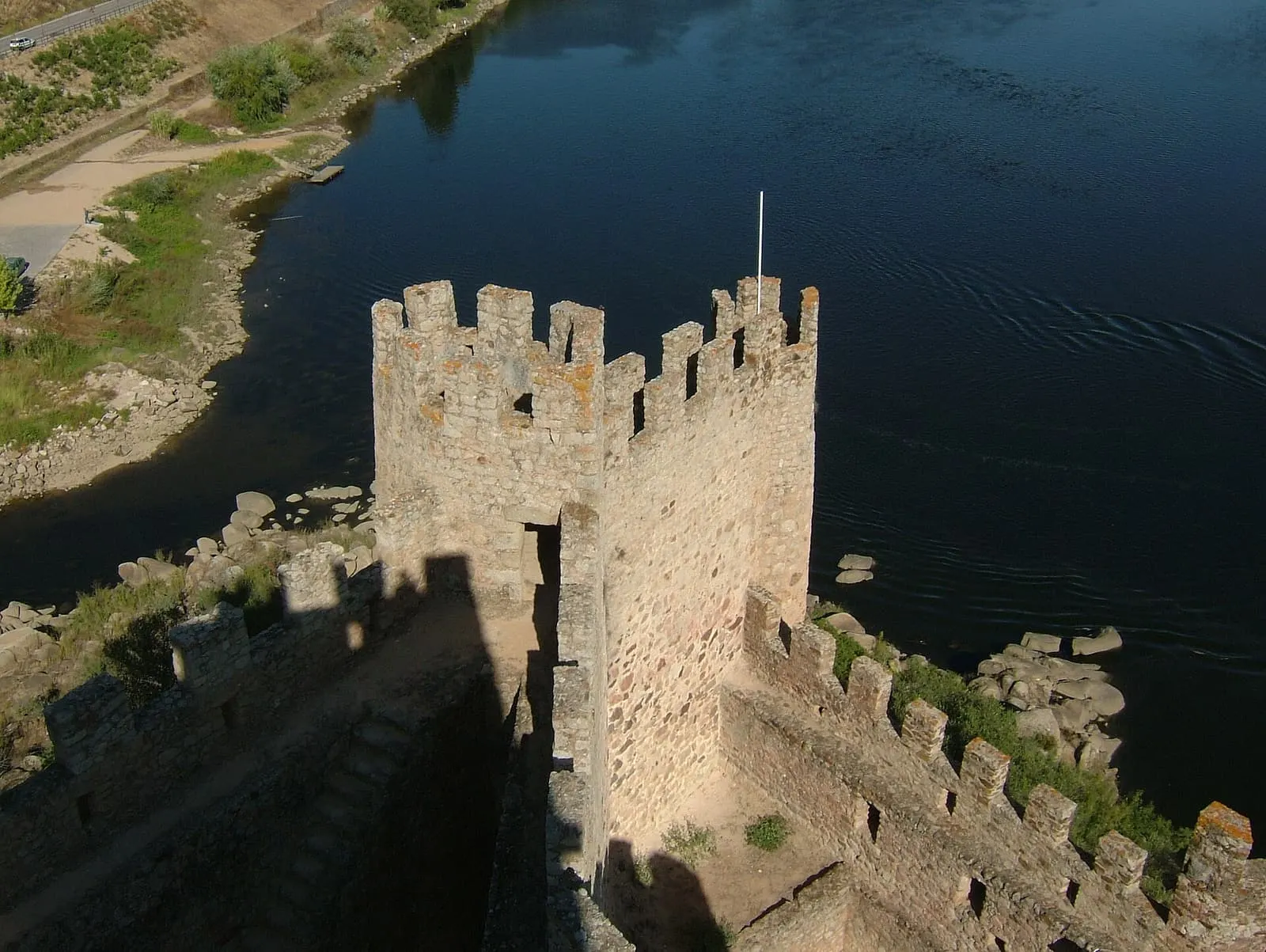
Constância is also a gateway to a region dense with history. A few kilometres away, on an islet in the bed of the Tagus, rises the Castelo de Almourol, one of the most iconic images of medieval and Templar Portugal. Upstream, the town of Abrantes watches over the passage of the river from atop its hill; to the north, the Templar city of Tomar extends the region’s web of military and religious memories. This network of places — castles, riverside towns and historic cities — makes Constância one of the most evocative starting points for discovering the heritage of Lisbon and the Tagus Valley.
Today, the town combines the tranquillity of its riverbanks with cultural facilities such as the Centro Ciência Viva, set up by the confluence, in a dialogue between fluvial tradition and scientific curiosity. Constância thus continues to live from the meeting — of rivers, of eras and of words — that has always defined it.
Frequently asked questions
- Where is Constância?
- Constância lies in the district of Santarém, in the Middle Tagus sub-region, at the exact point where the river Zêzere flows into the Tagus, about 12 km west of Abrantes.
- Why was Constância called Punhete?
- Until 1836 the town was called Punhete, a place name of ancient origin often associated with a river confluence. Queen Maria II changed its name to Constância in recognition of its inhabitants' loyalty to the Liberal cause.
- What is Constância's connection to Luís de Camões?
- Tradition links the poet to a stay in Constância in the mid-sixteenth century, during his youth. The town preserves that memory in the Casa-Memória de Camões and the Jardim-Horto de Camões, on the riverbank.
Sources
Keep exploring
Heritage nearby
More places to discover from here. Approximate straight-line distances, within 50 km.