Places
Lisbon and the Tagus Valley
Between the mouth of the Tagus and the Sintra range stretches one of the densest heritage regions in Portugal. Lisbon and the Tagus Valley is organised around the riverside capital, but it extends through the royal towns and fortresses that, over the centuries, guarded the river’s entrance and the court. It is here that the greatest number of Portuguese properties inscribed on the World Heritage List are concentrated, from the Manueline Gothic of Belém to the monumental Baroque of Mafra.
The region does not correspond to a single administrative district: it is rather a cultural arc linking the estuary, the Lezíria and the Middle Tagus. Within it the maritime memory of the Discoveries, the Templar heritage and the scenographic taste of the nineteenth-century royal villégiatures intersect. The monuments below provide an entry point into the principal ensembles of this landscape.
The region’s great ensembles
From the capital to the river valley
Lisbon concentrates the most visible monumental core, with the Castle of São Jorge crowning the founding hill and the Cathedral marking the Christian reconquest of the city. Along the Belém riverfront, the Jerónimos Monastery and the Belém Tower form the most celebrated testimony of the Manueline, the national style that translated the oceanic ambition of the sixteenth century into stone.
To the north and west, the heritage territory extends to the towns where the monarchy raised its residences and its pantheons of devotion. Sintra, classified as a cultural landscape, brings together palaces of various eras in a range that became the setting of European Romanticism. Mafra imposes the scale of the Joanine Baroque, while Tomar preserves, in the Convent of Christ, one of the most complete archives of Templar architecture and Renaissance art in Portugal.
Few regions of Europe gather, within so short a radius, monuments of so many eras: the Romanesque of the Cathedral, the Manueline of Belém, the Baroque of Mafra and the romantic eclecticism of Sintra coexist within a day’s journey.
Engineering, faith and memory
A reading of the region is not exhausted by its greater monuments. The Águas Livres Aqueduct recalls the ambition of eighteenth-century engineering, capable of bringing drinking water to the capital through monumental arcades over the Alcântara valley. Alongside it, churches, convents and fortifications weave a fabric of religious heritage and military heritage that defines the visual identity of the Tagus. This concentration makes Lisbon and the Tagus Valley the natural point of departure for anyone wishing to understand the great periods and styles of Portuguese architecture within a single territory.
12 entries to explore
No matches in this collection. Try another word or clear your search.
In this section — 12
Lugares
12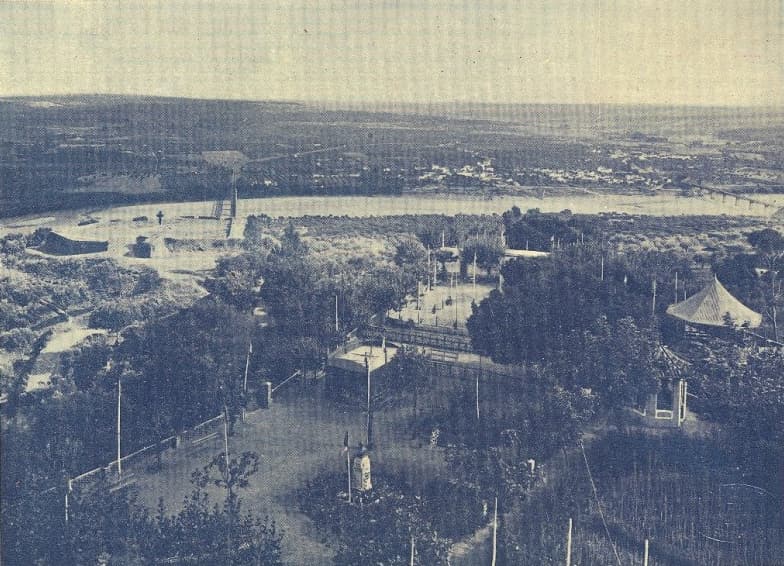 AbrantesAbrantes, a town of the Médio Tejo in the district of Santarém: a medieval castle above the river, the Church of Santa Maria do Castelo and a frontier historic…
 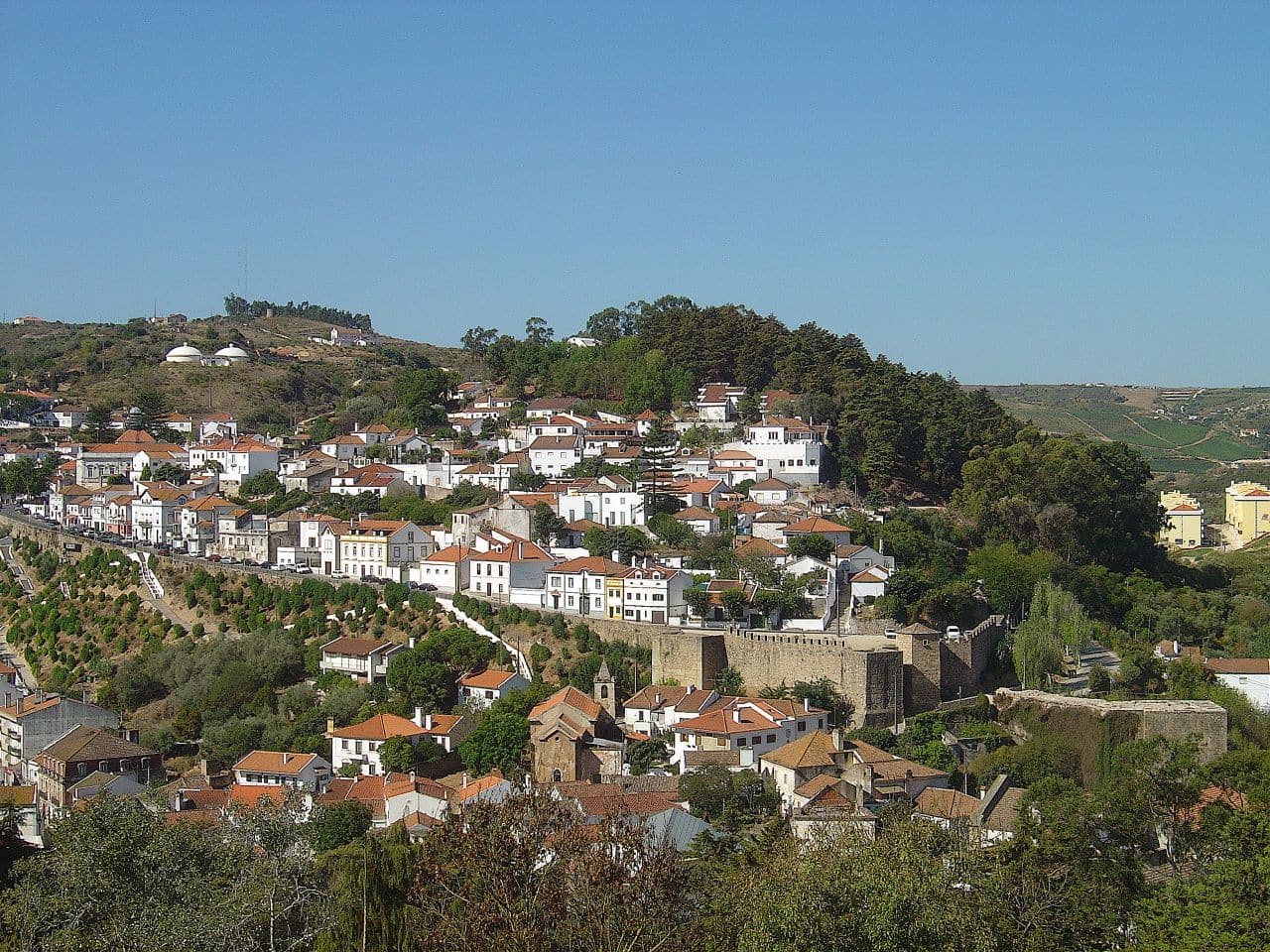 AlenquerAlenquer, a historic town in the district of Lisbon within the Tagus basin: medieval castle, Franciscan convent and birthplace of the humanist Damião de Góis.
 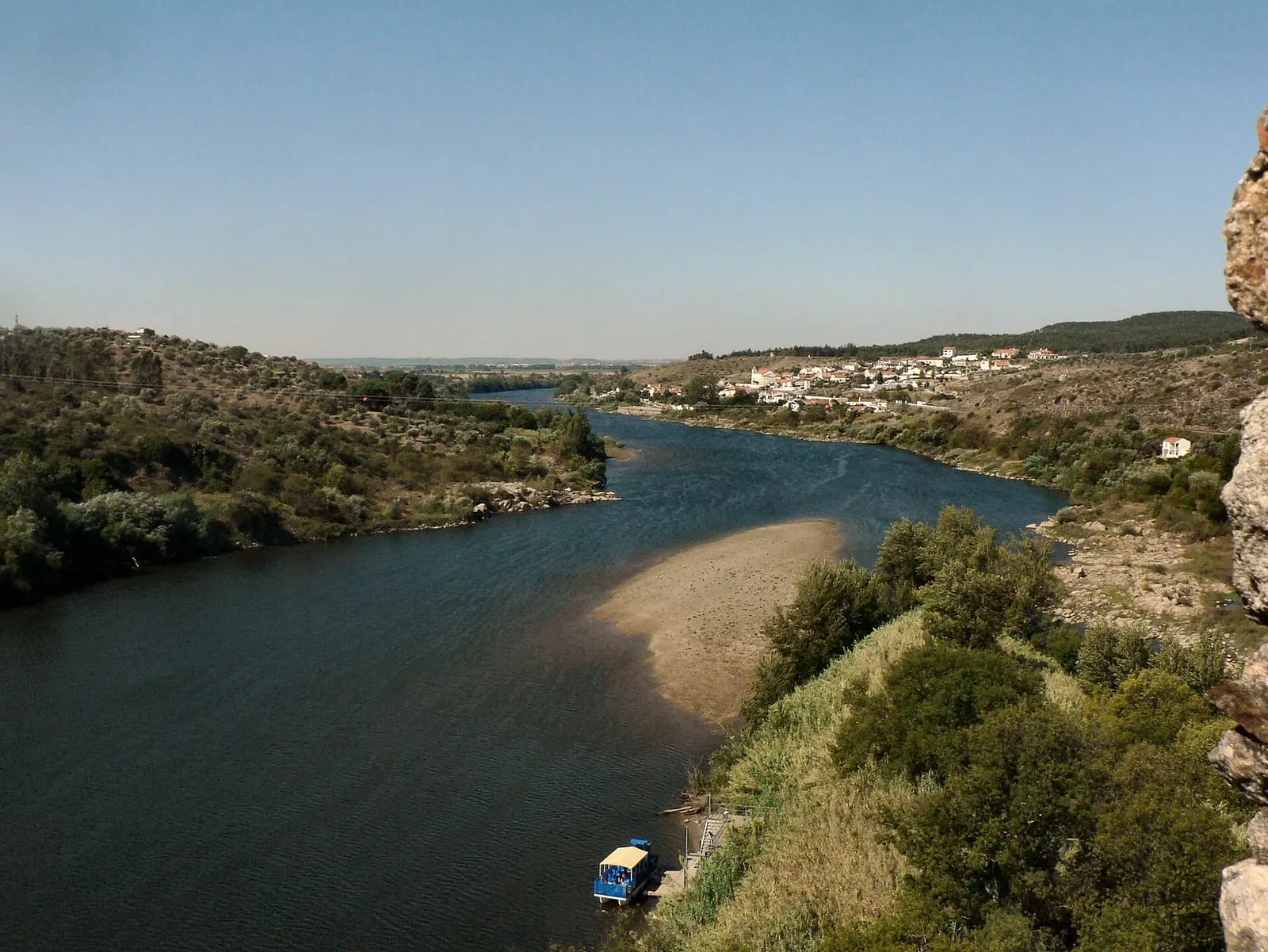 Almourol and Vila Nova da BarquinhaVila Nova da Barquinha and the Castle of Almourol, a Templar fortress on an island in the Tagus River, in the Médio Tejo region, Santarém district: history…
  CascaisThe town of Cascais, in the district of Lisbon: a former fishing settlement that, from 1870 onwards, the royal court transformed into a seaside summer resort.
 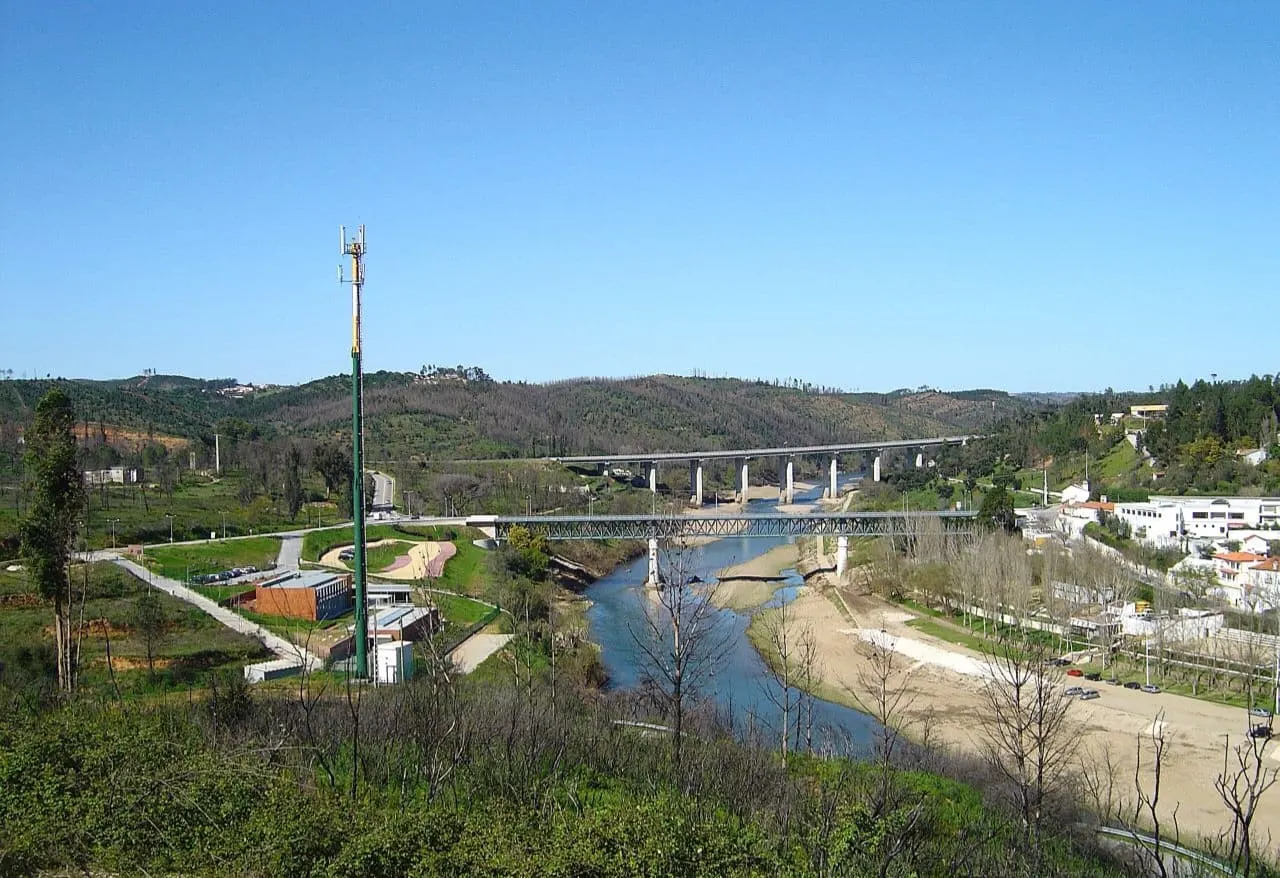 ConstânciaConstância, a riverside town of the Middle Tagus (Santarém), at the confluence of the Zêzere and the Tagus and linked to the memory of Luís de Camões.
 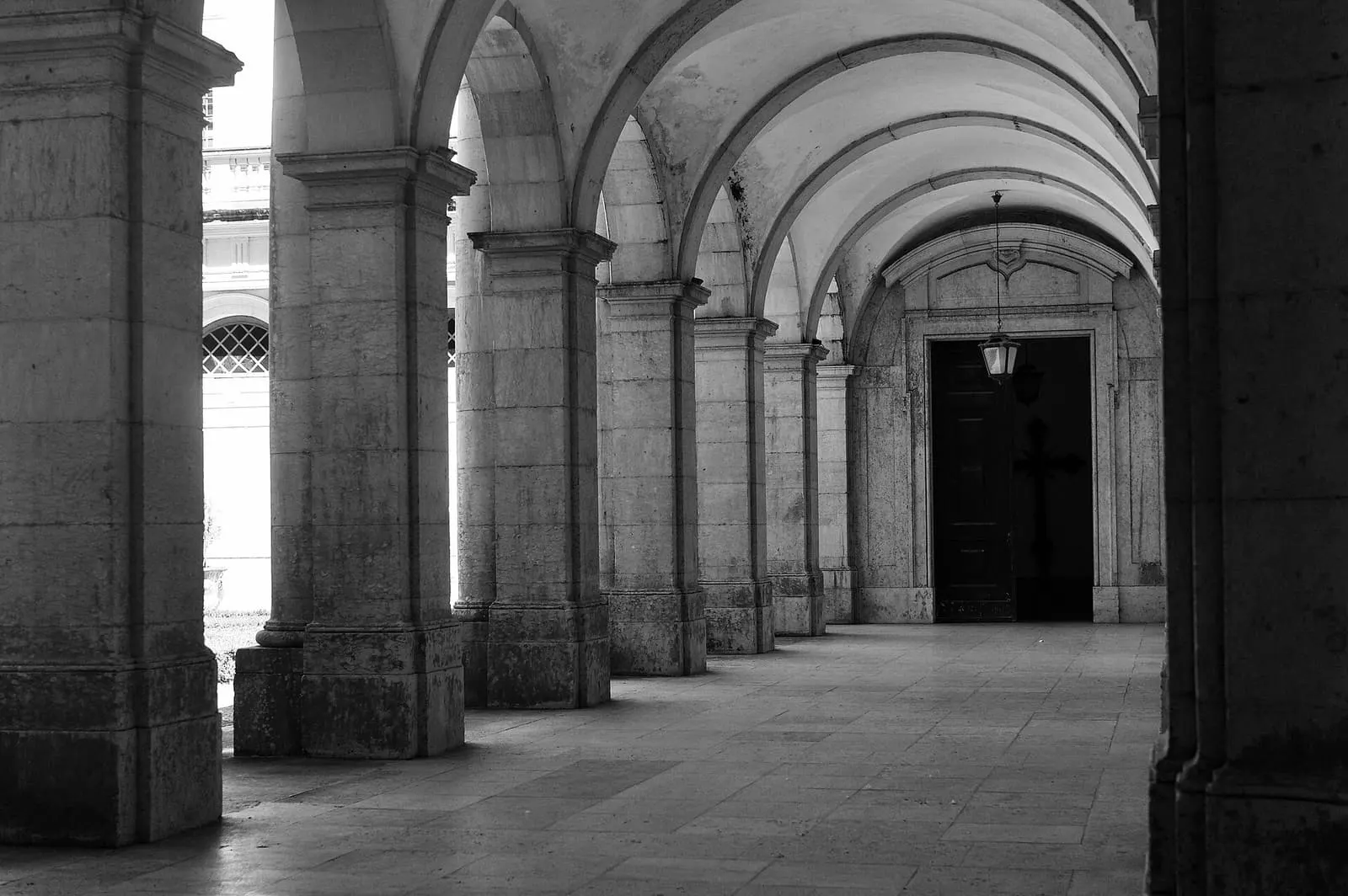 MafraMafra, a town in the district of Lisbon, famous for its monumental Baroque Palace-Convent listed by UNESCO and for the Tapada Nacional.
 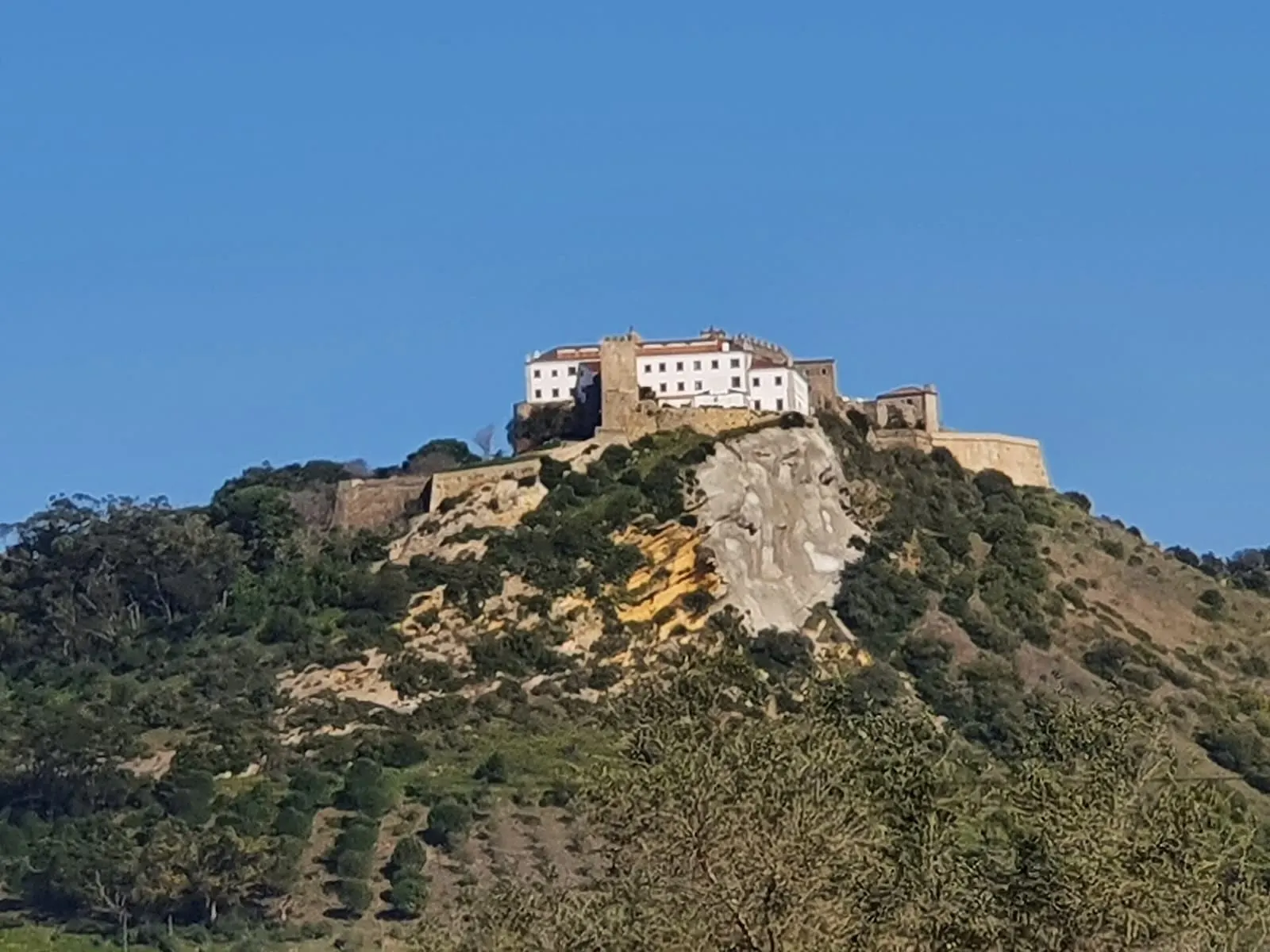 PalmelaPalmela, a town in the Setúbal district within the Arrábida mountain range, featuring a castle and convent of the Order of Santiago, Moscatel wines, and a…
 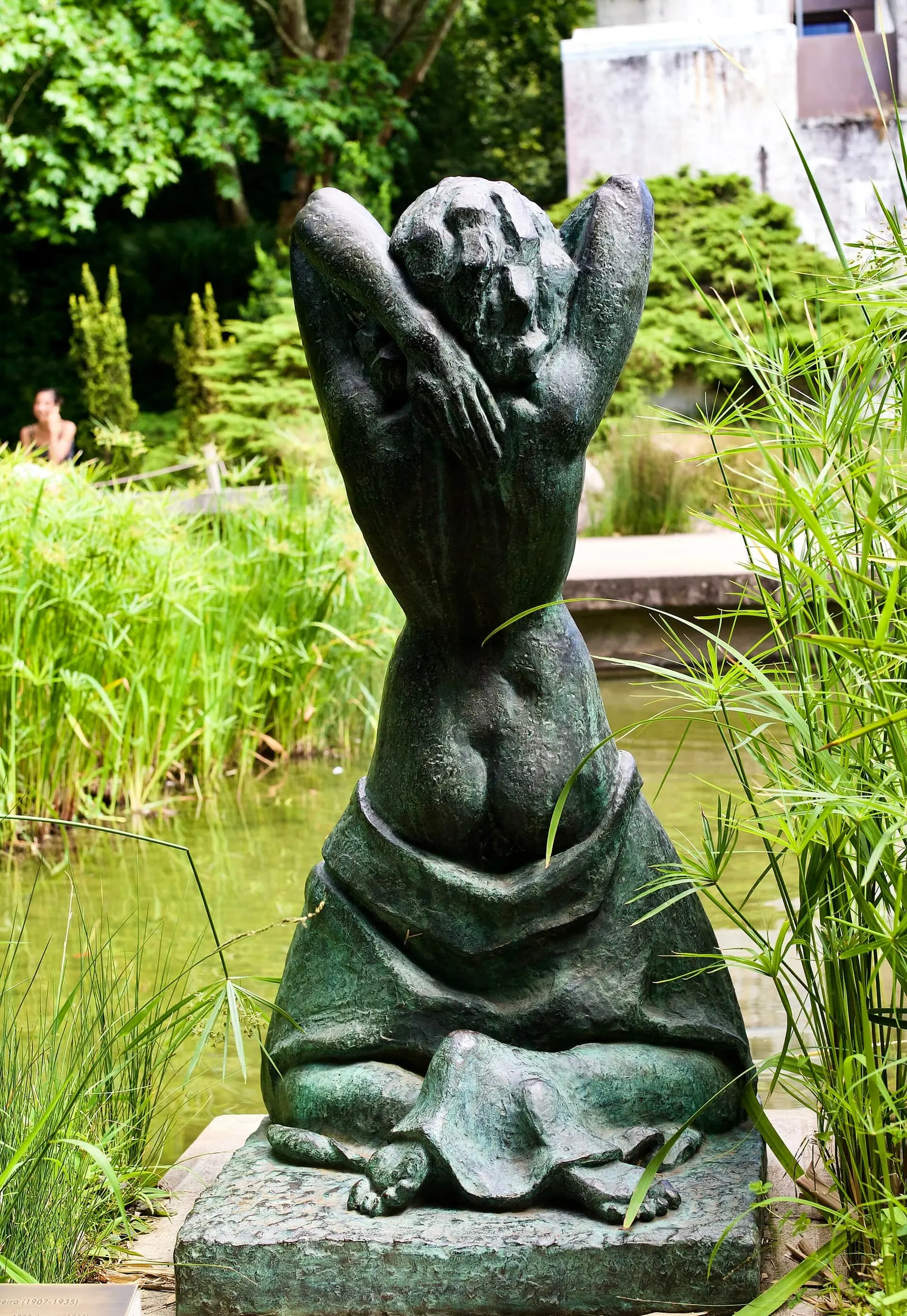 Santarém, Capital of Portuguese GothicSantarém, capital of Portuguese Gothic in Ribatejo: medieval churches, the Portas do Sol overlooking the Tagus, and the tomb of Pedro Álvares Cabral.
 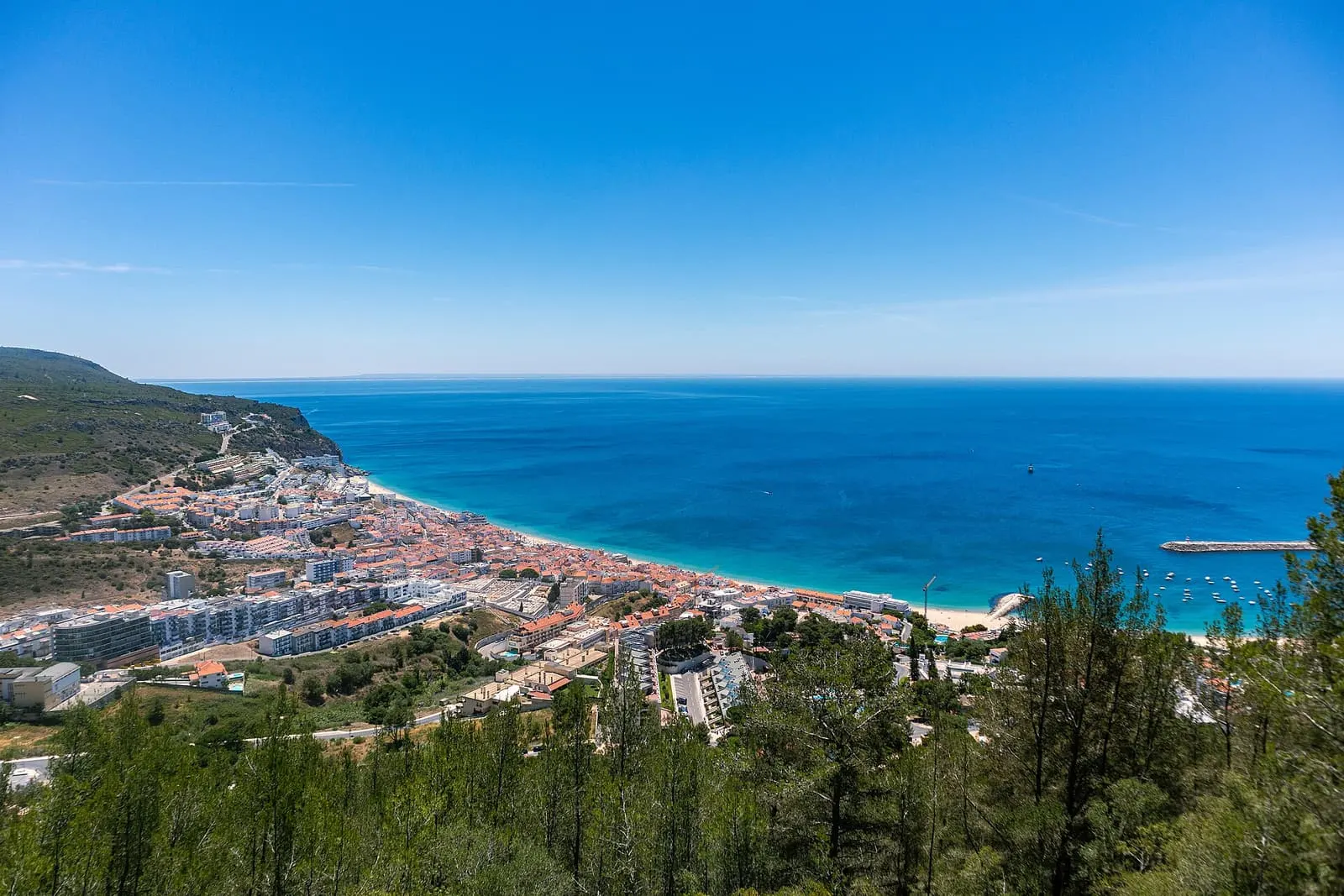 SesimbraSesimbra, a fishing village in Arrábida within Setúbal district, featuring a Moorish castle, Santiago Fortress, and maritime traditions.
 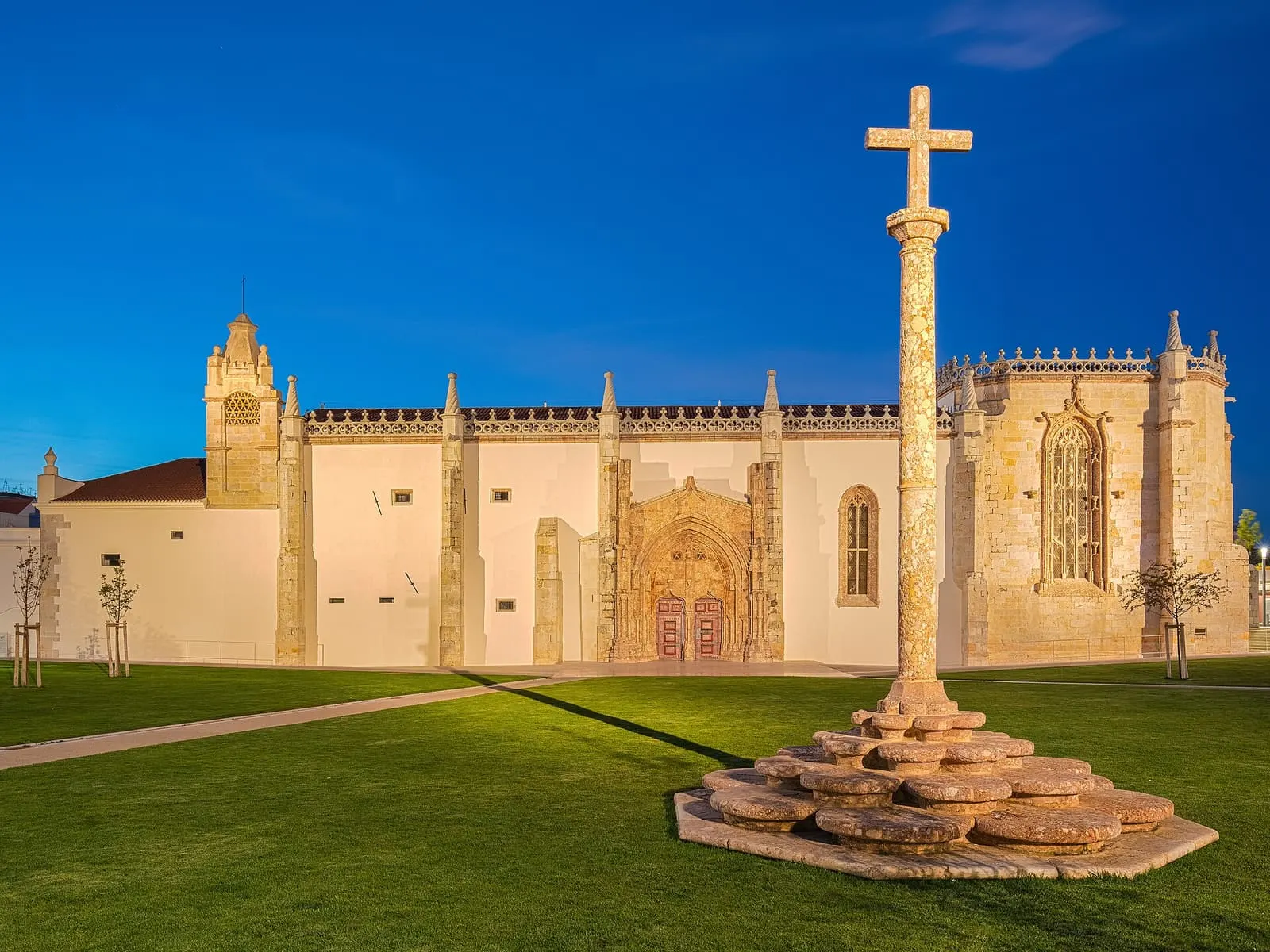 SetúbalSetúbal, a port city on the banks of the Sado estuary: birthplace of the Manueline style at the Convent of Jesus and guarded by the Fort of São Filipe.
 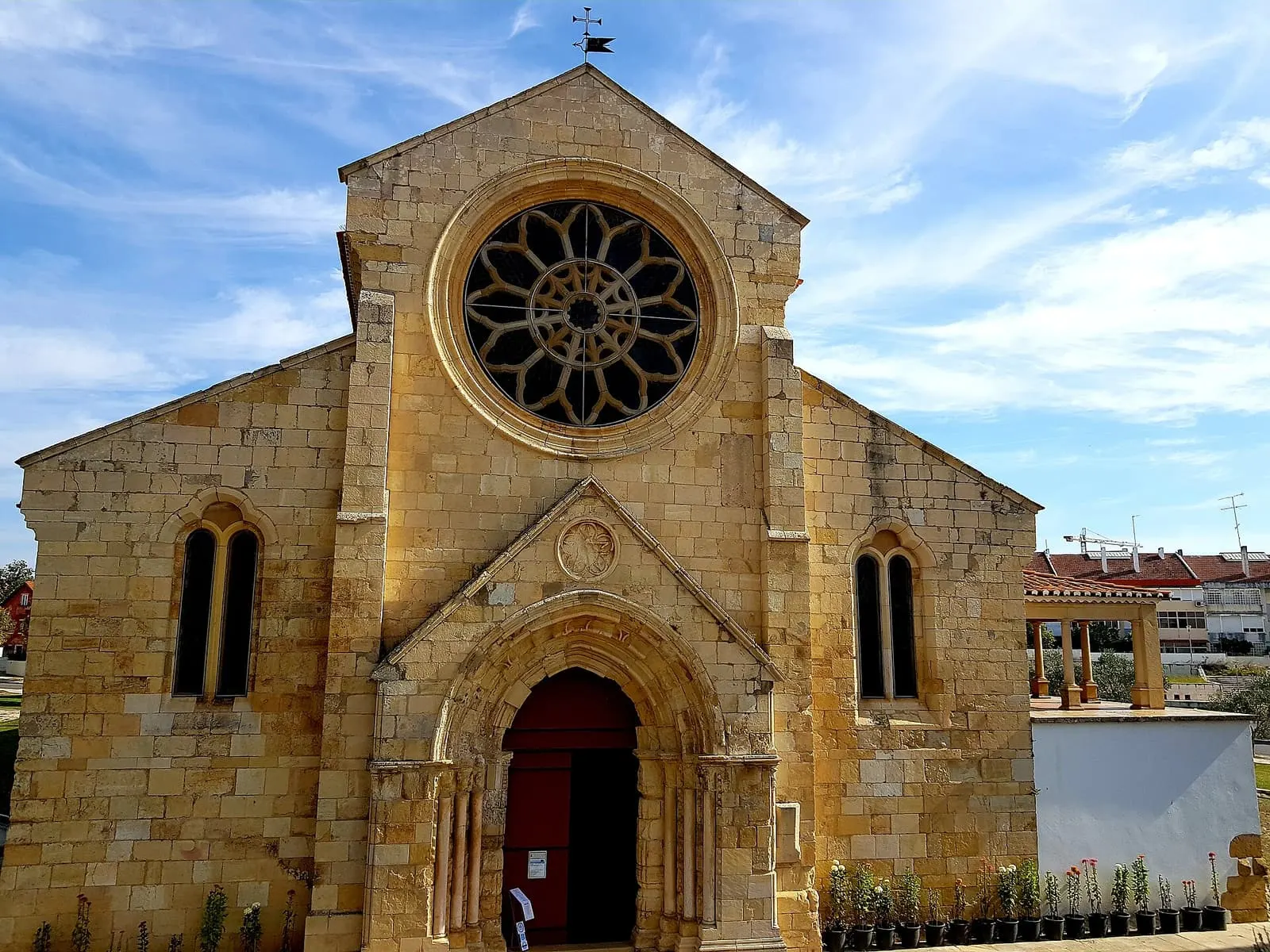 TomarTomar, in the Santarém district, is the historic city of the Templars, with the UNESCO-listed Convent of Christ and the Festa dos Tabuleiros.
 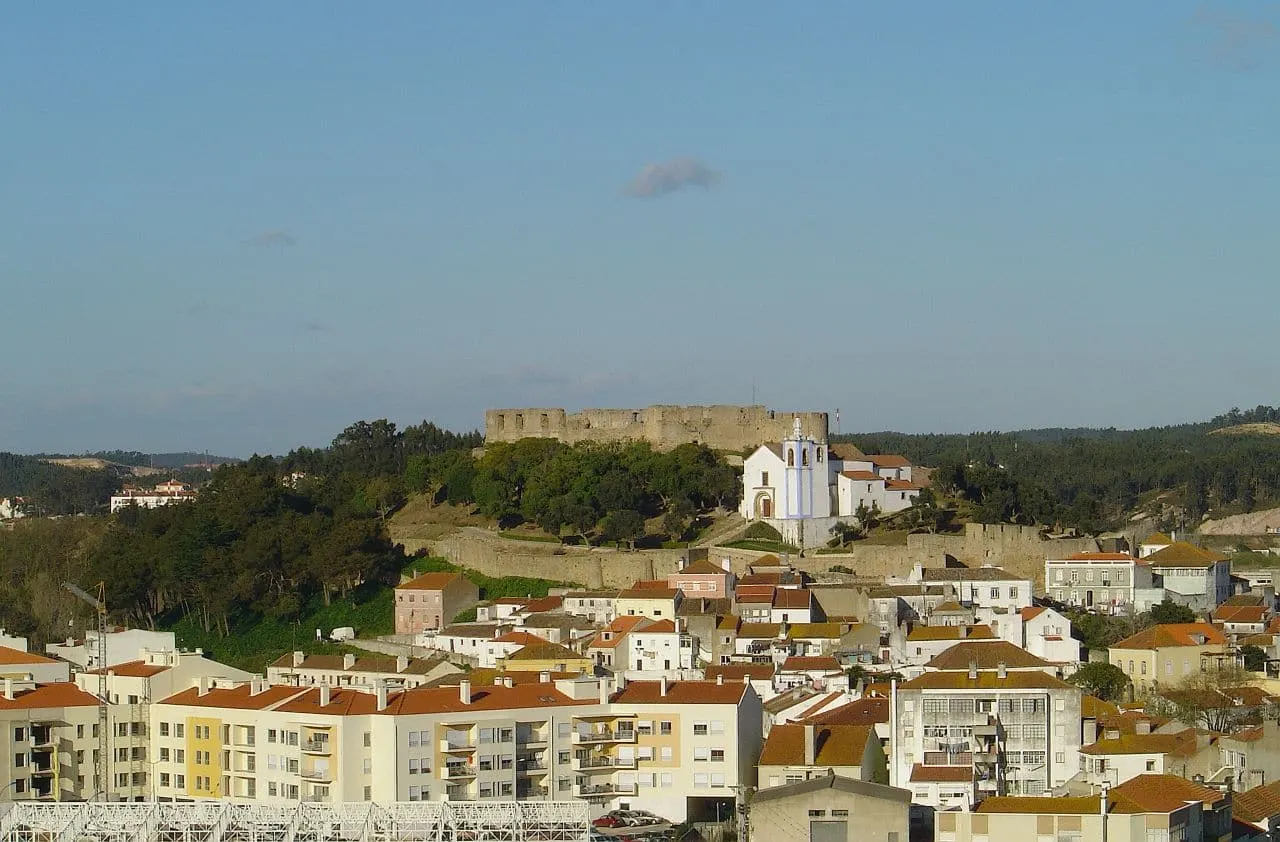 Torres VedrasTorres Vedras, a city in the Lisbon district marked by its medieval castle and the famous Lines of Torres Vedras from the Peninsular War.
 Frequently asked questions
- Which UNESCO monuments are found in Lisbon and the Tagus Valley?
- The region brings together the Jerónimos Monastery and the Belém Tower, the Convent of Christ in Tomar, the Royal Building of Mafra and the cultural landscape of Sintra, all inscribed on the World Heritage List.
- Which territories does this heritage region cover?
- It covers the capital and its surrounding Tagus valley, including the Sintra range, Mafra, the Lezíria and the Middle Tagus, with Tomar and Santarém as historical centres.