Places
Tomar
Tomar, in the Santarém district, is the historic city of the Templars, with the UNESCO-listed Convent of Christ and the Festa dos Tabuleiros.
- Location
- Tomar, Santarém
- Built
- 1160
On the banks of the Nabão River, in the Santarém district and the former province of Ribatejo, Tomar is one of Portugal’s most distinctive historic cities. Its origins are intertwined with the very foundations of the kingdom: born from the Order of the Temple, it preserves an unparalleled monumental ensemble and an identity inseparable from Templar memory, which still marks the urban landscape and the collective imagination of the city today.
From Templar foundation to the Order of Christ
In 1159, Afonso Henriques donated the vast Termo de Ceras to the Templars, a strategic territory midway between Coimbra and Santarém, on the still-unstable border with Muslim domains. Gualdim Pais, master of the Order in Portugal, laid the first stone of the Templar Castle in 1160, around which the settlement grew. The choice of site—a spur overlooking the Nabão—responded to military as well as symbolic criteria, founding a city with chivalric roots.
With the dissolution of the Order of the Temple in the early 14th century, King Dinis managed to preserve the knights and their heritage through a new militia. In 1319, the Order of Christ was established, the direct heir to the Templar assets and headquarters. Tomar thus became the capital of one of the kingdom’s most powerful institutions, a role that would intensify during the Age of Discoveries, when Prince Henry and later Manuel I, as governors of the Order, financed Portugal’s maritime enterprise.
Few European cities can claim to have literally been born within the walls of a fortress-convent: in Tomar, military, religious, and urban history merge into a single founding act.
The Convent of Christ and the monumental legacy
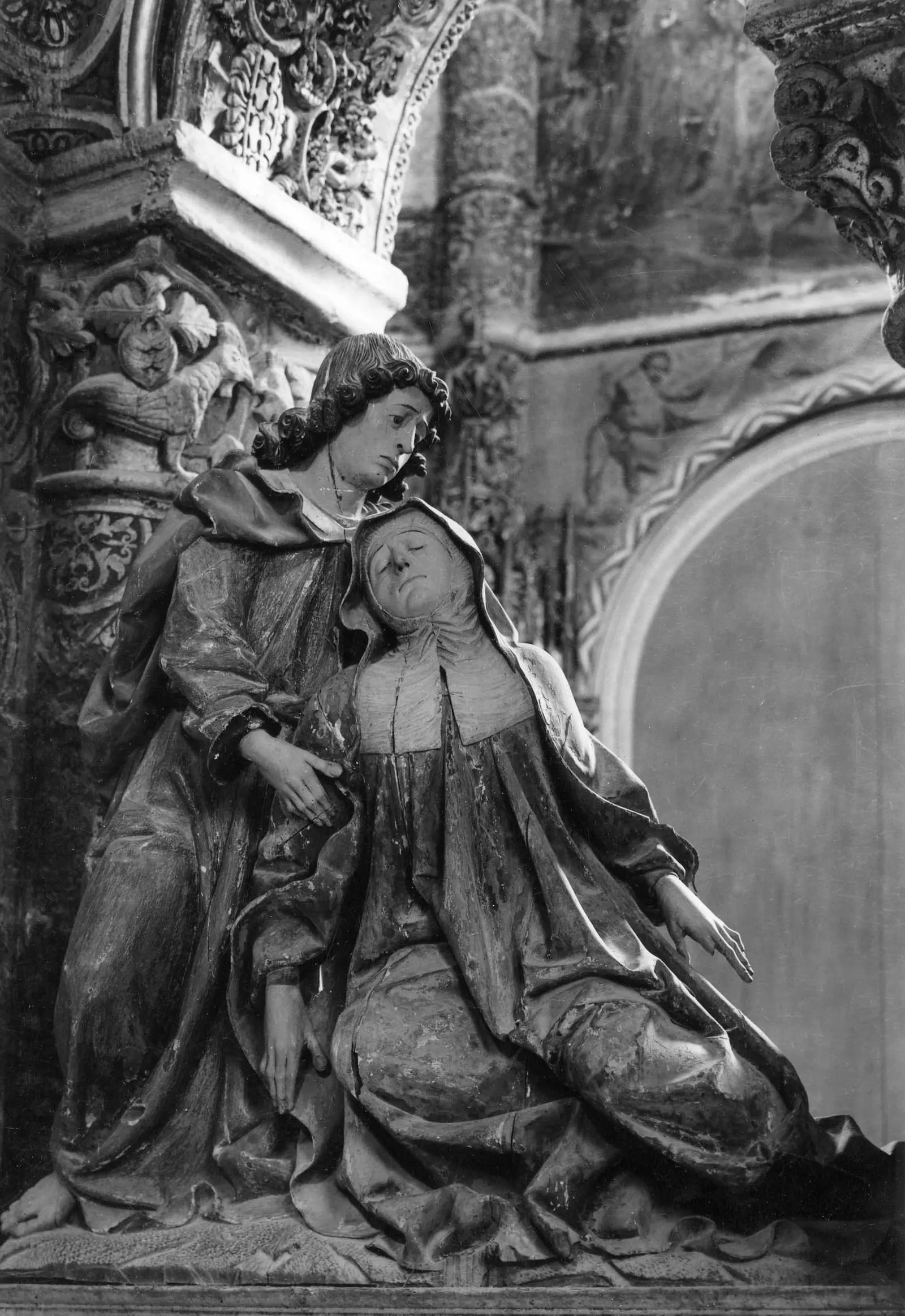
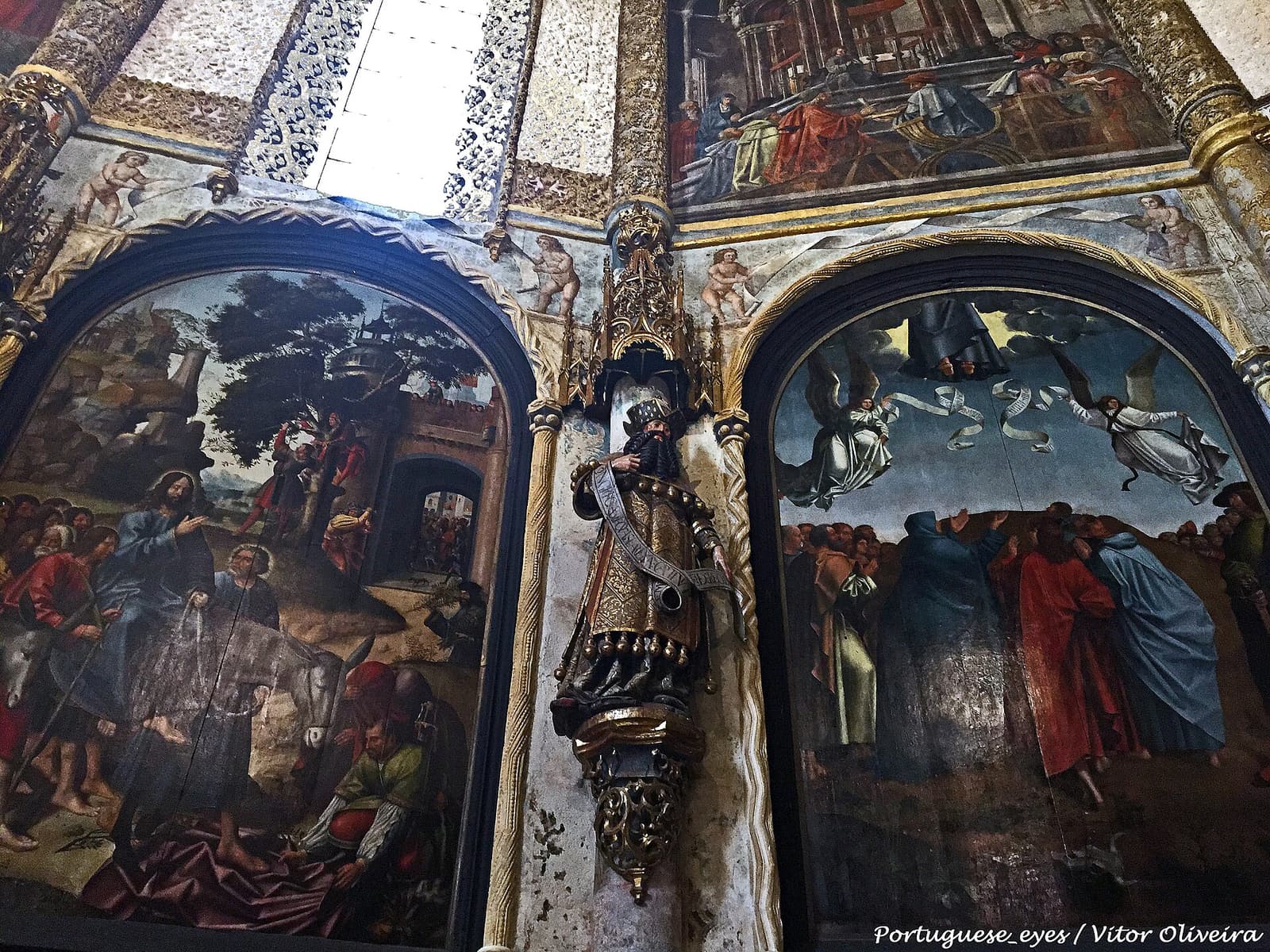
The heritage heart of the city is the Convent of Christ, classified as a National Monument in 1910 and inscribed on the UNESCO World Heritage list in 1983. The complex brings together nearly all styles of Portuguese art, from Romanesque to Mannerism, spanning eight centuries of continuous construction. At its core stands the Templar Charola, a centralized oratory inspired by Eastern models, around which cloisters from various periods are arranged, including the serene Claustro Principal, with its Renaissance classical design.
To supply water to the convent, the monumental Pegões Aqueduct was built in the 16th and 17th centuries, its arches stretching for several kilometers and constituting one of the country’s most remarkable hydraulic engineering works. Within the convent grounds, the Mata Nacional dos Sete Montes extends the Order’s domain into a historic garden of ponds, hermitages, and tree-lined paths.
A living city and festive tradition
Beyond its built heritage, Tomar is also a city of intangible memory. The Festa dos Tabuleiros, celebrated every four years, is one of Portugal’s most spectacular traditions: hundreds of women parade through the city balancing trays of stacked bread, adorned with paper flowers and topped with a dove, in a centuries-old ritual linked to the cult of the Holy Spirit.
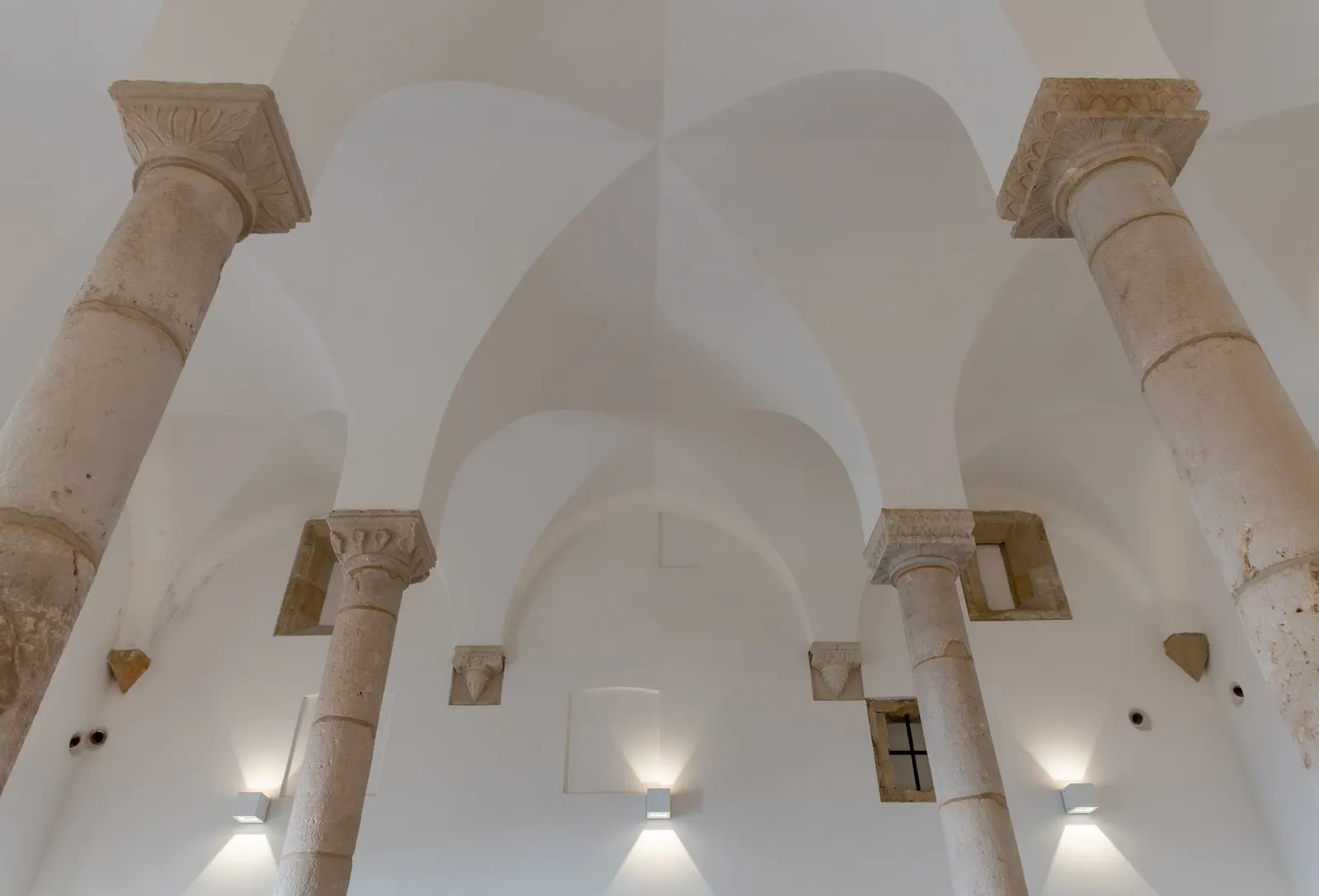
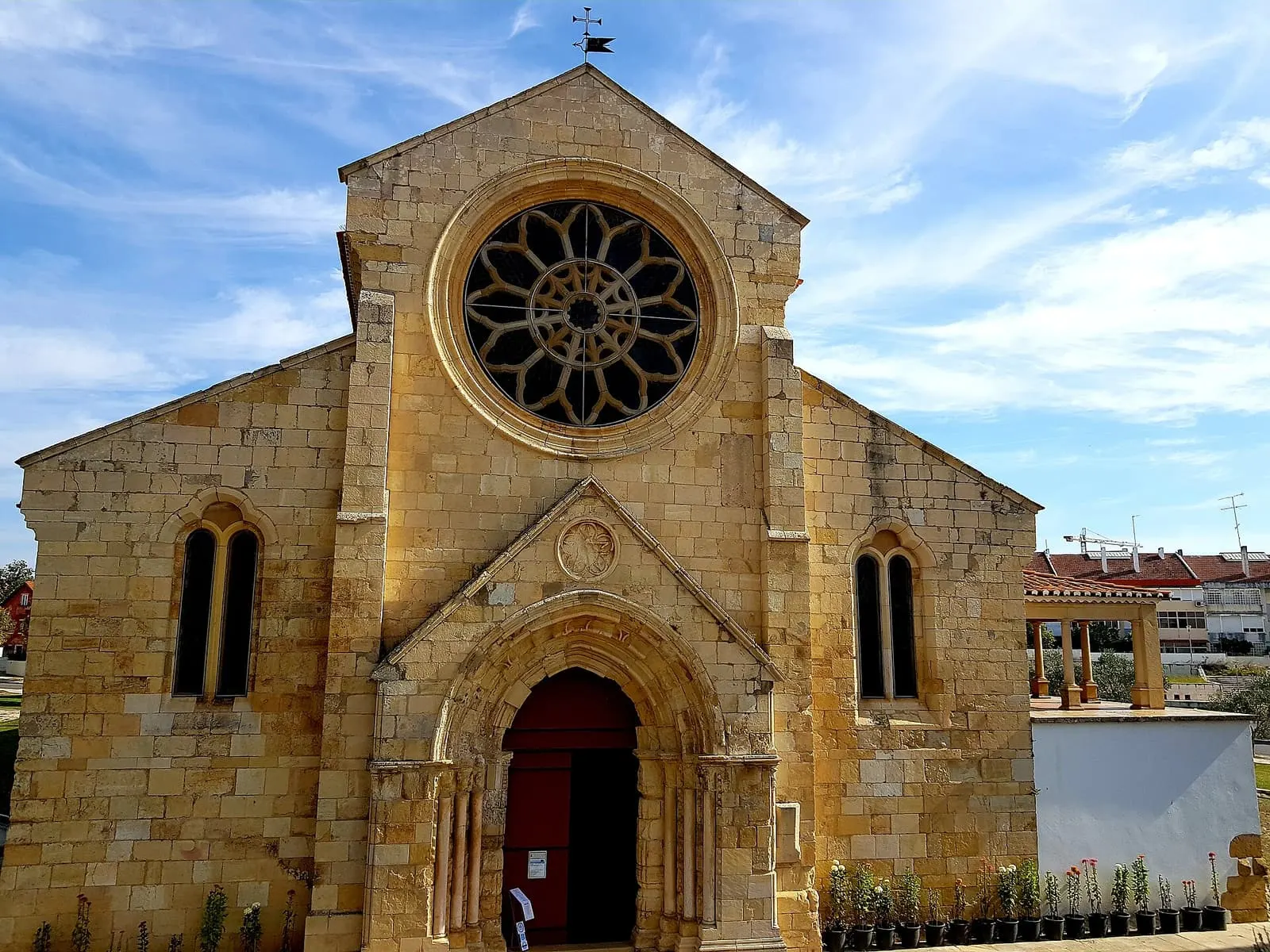
The historic center, laid out in an unusually regular plan for the medieval period, preserves churches, the Synagogue of Tomar, with its fifteenth-century prayer hall and present interpretive centre, and streets that gently descend to the river. Part of the Lisbon and Tagus Valley region, Tomar today stands as a cultural tourism destination, where Templar heritage and the riverside landscape of the Nabão combine into a rare example of historical coherence.
Frequently asked questions
- Why is Tomar known as the city of the Templars?
- Tomar originated from the donation of the Termo de Ceras to the Order of the Temple in 1159. Gualdim Pais, Templar master in Portugal, ordered the construction of the castle and convent here, which became the Order's headquarters in the kingdom, and the town grew under its protection.
- What can you visit in Tomar?
- The Convent of Christ, a UNESCO World Heritage site, the Templar Castle, the Pegões Aqueduct, the Mata Nacional dos Sete Montes, and the medieval historic center by the Nabão River.
- When does the Festa dos Tabuleiros take place?
- The Festa dos Tabuleiros is held every four years in July and is one of Portugal's oldest and most unique festive traditions.
Sources
Keep exploring
Heritage nearby
More places to discover from here. Approximate straight-line distances, within 50 km.