Resources
DGEMN — Directorate-General for National Buildings and Monuments
The DGEMN (1929-2007), the State body responsible for the major restorations of monuments in Portugal and for creating the SIPA archive.
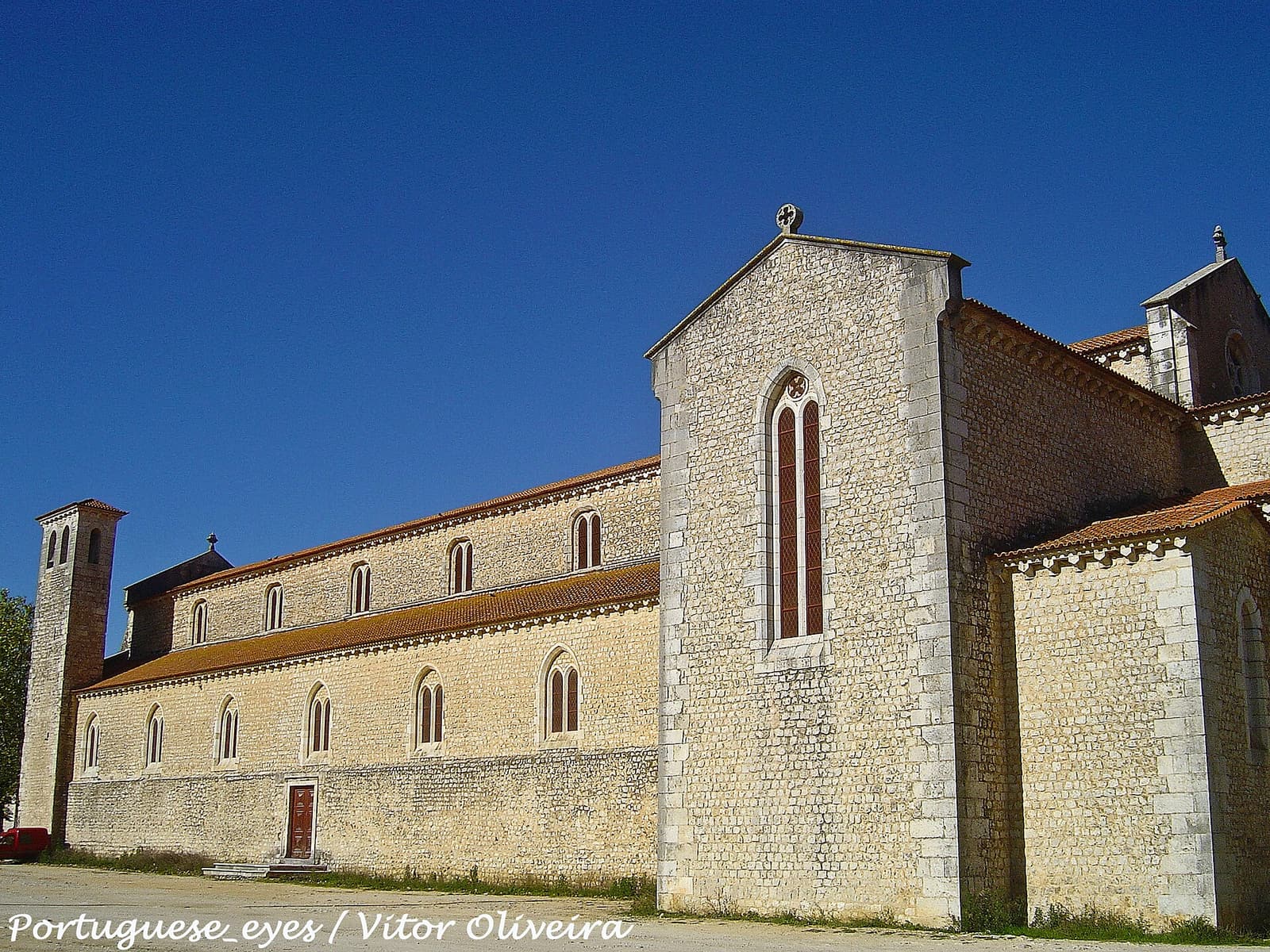
- Built
- 1929-2007
The Directorate-General for National Buildings and Monuments (DGEMN) was, for almost eight decades, the central body of the Portuguese State responsible for the construction, conservation and rehabilitation of public buildings and of classified architectural heritage. Its activity profoundly — and not always consensually — shaped the present-day appearance of many of the country’s principal monuments.
Creation and context
The DGEMN was created in 1929 by Decree no. 16,791, falling within the field of public works. It emerged in the early years of the military dictatorship that preceded the Estado Novo, at a time when the regime sought to assert a nationalist narrative built on the exaltation of Portugal’s great medieval monuments. Under the initial direction of the engineer Henrique Gomes da Silva, the Directorate-General defined a policy of intervention that would become one of its most debated hallmarks.
That doctrine, often referred to as “pure” or stylistic restoration, held that the monument should be returned to its supposed original form, purging later additions deemed to be without artistic value. In practice, this meant the demolition of Baroque elements, the reconstruction of battlements and the creation of landscaped surroundings around castles and convents, producing idealised rather than rigorously historical images.
Interventions and doctrine
Throughout the twentieth century, the DGEMN intervened in hundreds of buildings, from the Monastery of Batalha to countless castles and churches. The criteria evolved over time: the restoration of the Cathedral of Viseu, for example, is cited as the moment when the purely stylistic approach began to be questioned, giving way to greater prudence and attention to the structural stability of buildings. The institution also published the famous DGEMN Bulletins — 126 issues released between 1935 and 1966 — which document the works carried out in minute detail and constitute an essential source for the history of conservation and restoration in Portugal.
A critical reading of these interventions is today inseparable from the debate on the restoration methods of the Estado Novo, frequently contrasted with the international heritage charters that would take hold from the mid-century onwards.
Abolition and legacy
The DGEMN was abolished in 2007, following Decree-Law no. 223/2007, with its functions divided up: the heritage strand was integrated into the institutional framework that would lead to the IPPAR and, later, to the current administration of cultural heritage, while the public-buildings component passed to the Institute for Housing and Urban Rehabilitation.
Its most tangible legacy is documentary. The vast archive assembled by the Directorate-General — drawings, photographs, works files and studies — forms the core of SIPA, housed in the Forte de Sacavém, today one of the most significant architectural repositories in the country. Understanding the DGEMN is therefore indispensable for interpreting both the physical state of many monuments and the history of heritage institutions in Portugal.
Frequently asked questions
- When was the DGEMN created and abolished?
- It was created in 1929 by Decree no. 16,791 and abolished in 2007, following Decree-Law no. 223/2007, which merged it into the Institute for Housing and Urban Rehabilitation (IHRU).
- What was the DGEMN's role in the restoration of monuments?
- For much of the twentieth century it was the main public body for works on national monuments, conducting interventions shaped by the doctrine of 'pure restoration' that sought to return buildings to an idealised medieval form.
- Where is the DGEMN archive held today?
- The documentation produced by the DGEMN forms part of SIPA, housed in the Forte de Sacavém, constituting one of the most important architectural collections in the country.
Sources
Resources for research
Find the sources. Follow the story.
Guides to researching buildings, exploring museum collections and understanding heritage protection.
SIPA
Get to know the architectural inventory, building records and documentary archive.
Read the guideMuseum collectionsMatrizNet
Explore the museum catalogue and records of works, materials, authorship and provenance.
Read the guideHeritage protectionHeritage classification
Understand cultural property categories and the levels of national, public and municipal interest.
Read the guide