Archaeology
Epigraphy
Epigraphy in Portugal: Latin, indigenous and medieval inscriptions as a documentary source for the history of the territory and of Romanisation.
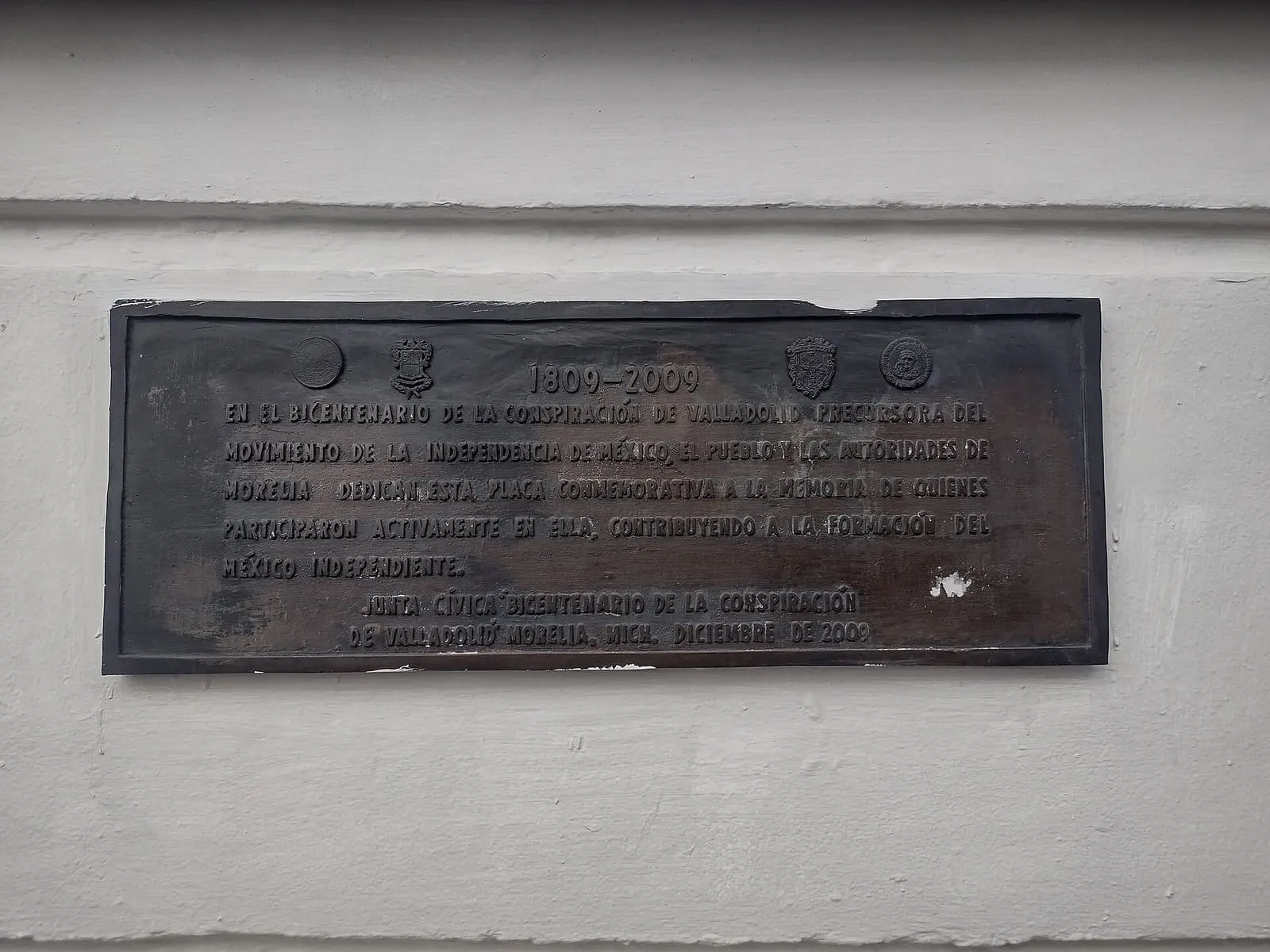
Epigraphy is the science that studies inscriptions engraved on durable supports — stone, bronze, lead, bone or ceramic — from their reading and transcription to their dating, interpretation and classification. A discipline closely related to archaeology, history and philology, it owes its principal raw material to stone: unlike perishable manuscripts, inscriptions have survived in great numbers precisely because they were carved to last. Within Portuguese territory they constitute one of the richest and most direct documentary sources for understanding society, religion and administration between Antiquity and the Middle Ages.
Indigenous inscriptions and the Lusitanian language
Before and during Romanisation, the pre-Roman populations of the western Iberian Peninsula left behind a small but precious body of texts. The most notable are the inscriptions in the Lusitanian language, an Indo-European language of debated affiliation, known from a mere handful of testimonies. In Portugal the most prominent are the rock inscriptions of Lamas de Moledo (Castro Daire), Cabeço das Fráguas (Guarda) and Arronches (Portalegre), to which a votive altar discovered in Viseu in 2009 was added.
Although written in Latin characters, these inscriptions preserve vocabulary, votive formulae and the names of indigenous deities — a rare portrait of the moment when Latin was beginning to replace the local languages.
They are documents of bilingualism: Latin often serves to present the text, while the local language retains the religious core. The intense erosion of many surfaces has divided researchers as to their reading, prompting recourse to modern techniques of digital recording and analysis.
Roman epigraphy
The overwhelming majority of Portuguese inscriptions date from the Roman period. The votive altars, funerary stelae, honorific pedestals, monumental dedications and the road milestones form a corpus that documents the life of the cities, sanctuaries and roads of the territory of ancient Lusitania and of the conventus Bracaraugustanus. These texts reveal the onomastics of families, municipal offices, cults — from Endovelicus to the deities of the Roman pantheon — and the course of the Roman roads that structured the province.
Centres such as Idanha-a-Velha, the ancient Egitânia preserve exceptional epigraphic assemblages, and the great references of the archaeology of Roman Portugal rest largely on these lapidary testimonies. The international systematisation of Latin inscriptions was undertaken in the Corpus Inscriptionum Latinarum (CIL), of which Portuguese territory forms part, complemented by national publications and specialised databases.
Late Antique and medieval epigraphy
The epigraphic tradition did not cease with the end of Roman rule. Between the fifth and eighth centuries, Christian and Visigothic funerary inscriptions multiplied, and the Middle Ages left epitaphs, foundation and consecration dates of churches, and commemorative legends engraved on religious monuments. The systematic survey of these materials — gathered in reference works such as Epigrafia medieval portuguesa — makes it possible to follow the evolution of writing, language and mentalities over more than a millennium.
Conservation and study
A good part of the inscriptions is today housed in museums, with the National Museum of Archaeology, in Lisbon, bringing together one of the most important collections in the country, alongside regional museums and municipal collections. Epigraphic study — which combines autoptic reading, photography, squeezes and, increasingly, digital techniques of three-dimensional recording — continues to renew the interpretation of texts sometimes read and reread over centuries. Set within the whole of Portuguese archaeology, epigraphy confirms itself as a direct bridge between the stones and the words of those who engraved them.
Frequently asked questions
- What does epigraphy study?
- Epigraphy studies inscriptions engraved on durable supports, such as stone, bronze or ceramic, dealing with their reading, dating, interpretation and classification. In Portugal it is an essential source for Roman, Late Antique and medieval history.
- Which inscriptions in the Lusitanian language are known in Portugal?
- The known examples are the rock inscriptions of Lamas de Moledo (Castro Daire), Cabeço das Fráguas (Guarda) and Arronches (Portalegre), as well as a votive altar discovered in Viseu in 2009. They are written in Latin characters and date from the Roman period.
- On what materials do ancient inscriptions appear?
- They appear above all on stone (altars, funerary stelae, milestones, monumental dedications), but also on bronze, lead, ceramic and other durable supports.