Archaeology
Roman Archaeology of Portugal
Roman archaeology of Portugal: cities, villae, roads and mines of Lusitania and Gallaecia, from Bracara Augusta to Conímbriga and the Algarve.
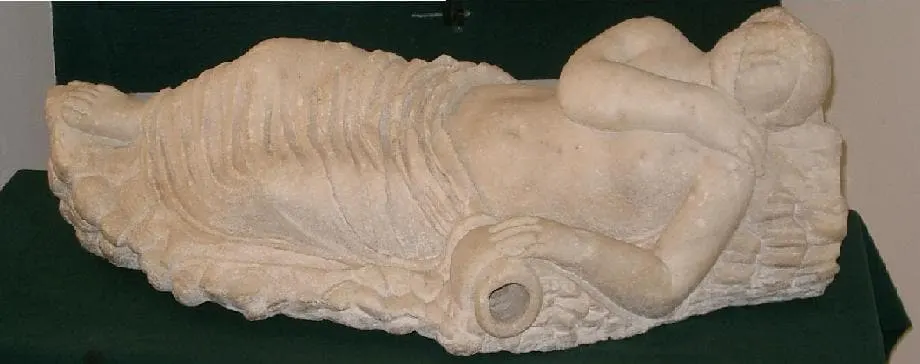
The Roman presence in what would become Portugal spanned over six centuries, from the first military campaigns in the 2nd century BCE to the disintegration of imperial power in the 5th century CE. This long period left a dense and varied archaeological record — cities, rural manor houses, road networks, mining complexes, necropolises, and thousands of inscriptions — forming one of the fundamental chapters of Roman archaeology in the Iberian Peninsula.
From conquest to provincial organization
The Romanization of the western peninsula was a prolonged process, marked by indigenous resistance, with the so-called Lusitanian Wars led by Viriatus in the mid-2nd century BCE being the most famous episode. Only with Augustus’s campaign was dominion stabilized and the territory administratively organized.
The bulk of present-day Portugal, south of the Douro River, was integrated into the province of Lusitania, with its capital at Augusta Emerita (modern Mérida, Spain). The province was divided into three judicial districts, the conventus: Emeritensis, Pacensis (centered on Pax Iulia, Beja), and Scallabitanus (centered on Scallabis, Santarém). The Northwest, north of the Douro, was linked to the Bracarense conventus and later became the autonomous province of Gallaecia, organized around Bracara Augusta, modern Braga.
According to Pliny the Elder, Lusitania had five colonies, one municipality of Roman citizens — Felicitas Iulia Olisipo, the future Lisbon — and dozens of tributary communities, a portrait of the urban hierarchy that structured the territory.
Cities, villae, and the rural world
Roman cities were the engine of the new order. Conímbriga, near Condeixa-a-Nova, is the best-known site in the country: it preserves a forum, baths, houses with courtyards and mosaics, a hastily built 3rd-century wall, and sections of the road to Bracara Augusta. These are joined by sites like Ebora (Évora), Ammaia, Miróbriga, and Egitânia (Idanha-a-Velha), each with its monumental program of temples, forums, and water facilities.
In the countryside, the landscape was marked by villae, agricultural estates combining a manor residence, sometimes luxurious, with productive facilities. The Roman villa of Pisões, near Beja, occupied between the 1st and 4th centuries CE and discovered by chance in 1967, is organized around a peristyle and stands out for its rich mosaics and baths. Other notable complexes include Milreu in Estoi, Algarve, with its temple dedicated to water worship; São Cucufate in Alentejo; and Torre de Palma near Monforte, one of the largest known villae in the Peninsula.
Roads, mines, and the material legacy
The cohesion of this provincial world relied on Roman roads, routes like the road from Olisipo to Bracara Augusta or those serving the inland Beira and Trás-os-Montes regions, still visible today in paved sections, bridges, and milestones. Meanwhile, the imperial economy intensively exploited underground resources: the gold mines of Tresminas in the North and the copper complex of Vipasca in Aljustrel — famous for its bronze tablets with mining legislation — testify to remarkable technical and legal organization.
These remains are not only of academic interest: they fuel museology, territorial planning, and local identity. Understanding Roman architecture in Portugal, from construction techniques to decorative programs, is essential for reading the long duration of national built heritage, where many medieval temples, churches, and castles reused stone, layouts, and memories from antiquity.
Frequently asked questions
- Which Roman provinces did the current Portuguese territory belong to?
- The territory south of the Douro River was part of the province of Lusitania, with its capital at Augusta Emerita (Mérida). The Northwest, north of the Douro, was later organized into the province of Gallaecia, centered around Bracara Augusta (Braga).
- What is the most extensively studied Roman archaeological site in Portugal?
- Conímbriga, near Condeixa-a-Nova, is the most excavated and best-known Roman site in the country, featuring a forum, baths, houses with mosaics, a late-period wall, and a section of the road connecting Olisipo to Bracara Augusta.
- What was a Roman villa?
- It was an aristocratic agricultural estate combining a residential area (pars urbana), often with mosaics and baths, and a productive area (pars rustica). Pisões, Milreu, São Cucufate, and Torre de Palma are notable examples in Portuguese territory.