Places
Funchal
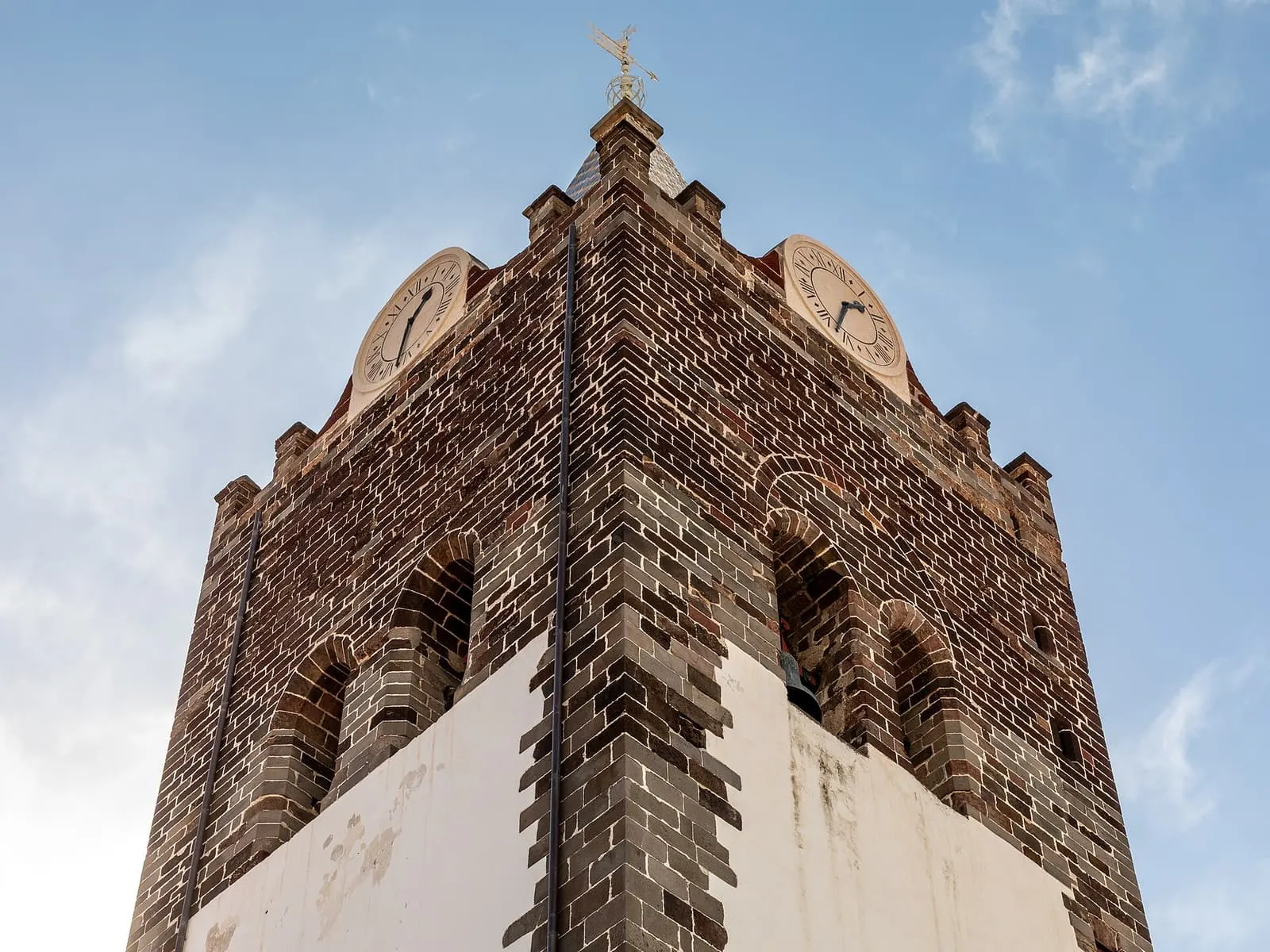
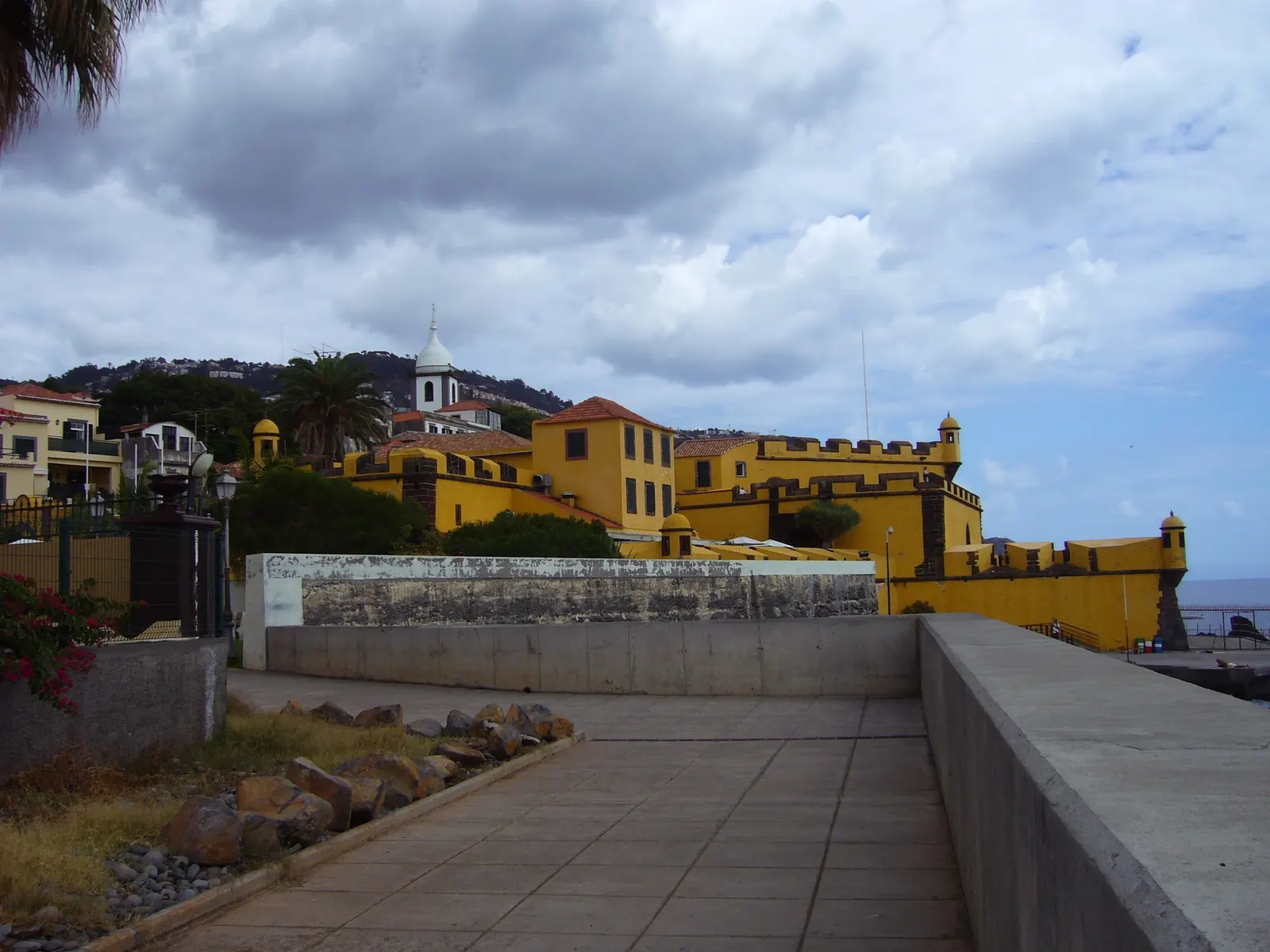
Funchal, capital of Madeira: the sixteenth-century cathedral, the Old Customs House and the coastal forts that guard the oldest Atlantic port in the archipelago.
- Location
- Funchal, Região Autónoma da Madeira
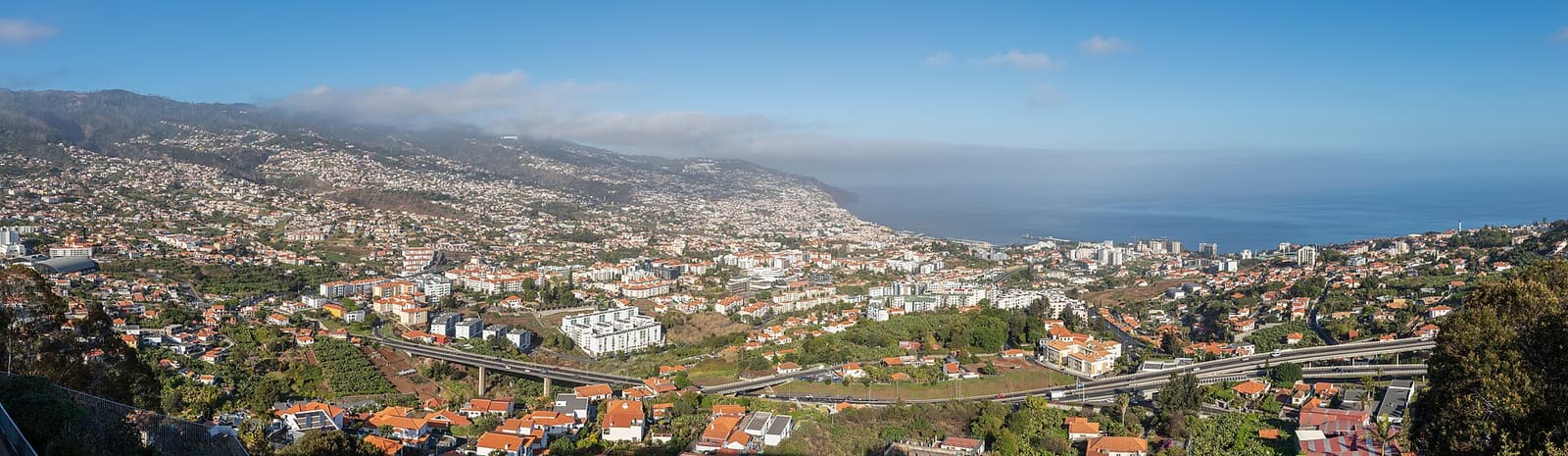
Funchal is the capital and largest city of the Autonomous Region of Madeira, spread out like an amphitheatre over a south-facing bay, amid steep slopes that climb from the quays to the high country. The city was born in the first years of settlement, in the 1420s, and its name preserves the memory of the wild fennel that covered the valley where the first colonists settled. Its sheltered position and mild climate made the place’s fortune: as early as the fifteenth century, the port of Funchal became an obligatory stop on the Atlantic routes and a platform for the sugar trade that then enriched the archipelago.
From captaincy to city
The settlement’s rapid growth was reflected in its status. On 21 August 1508, King Manuel I granted Funchal a city charter — the first Portuguese city outside the mainland and one of the earliest of European expansion in the Atlantic. A few years later, in 1514, the creation of the Diocese of Funchal, whose jurisdiction came to encompass vast overseas territories, confirmed the city’s centrality in the religious geography of the nascent empire. Sugar and, later, Madeira wine were the economic engines that sustained this rise and that still feature on the municipal coat of arms today.
The historic core
Funchal’s monumental heart is organised around the Cathedral of Our Lady of the Assumption, built between the end of the fifteenth century and the second decade of the sixteenth. It is the most intact testimony of the island’s first phase of colonisation and one of the greatest examples of late Gothic and insular Manueline architecture, famous for its remarkable tea-wood ceiling executed in timber from the island itself — a happy synthesis of the art of carpentry and local materials.
Few Portuguese cathedrals have survived so intact since their construction: the Cathedral of Funchal is, in stone and wood, the built archive of Madeira’s foundation.
Around the cathedral unfolds the network of narrow, cobbled streets of the Zona Velha, with sixteenth-century churches, manor houses and convents — among them the Convent and Church of Santa Clara, founded at the end of the fifteenth century. By the waterfront rises the old Customs House, a building of Manueline origin that controlled the port’s mercantile movement, today given over to institutional functions. The city’s civil architecture extends, in many details, the solutions of traditional Madeiran construction, adapted to the island’s relief and basalt.
Defence and the sea
The port’s prosperity also attracted the greed of corsairs, which justified the construction of a coastal defensive system between the sixteenth and eighteenth centuries. The Fortress-Palace of São Lourenço, by the shore, was the residence of the captains-donatary and the governors; further east, the Fort of São Tiago guards the eastern entrance to the bay with its yellowed walls, while other lesser structures dotted the coastline. These bastions still define the city’s maritime silhouette.
Beyond the historic centre, Funchal is the gateway to the island’s interior and to the protected areas that crown it, including the Laurisilva of Madeira forest, classified as World Heritage. The city thus combines the heritage density of a sixteenth-century centre with the role of capital of an Atlantic archipelago, where history, trade and landscape have been intertwined since its founding.
Frequently asked questions
- When was Funchal raised to the status of city?
- Funchal received its city charter from King Manuel I on 21 August 1508, becoming the first Portuguese city outside the European continent and Atlantic Europe.
- What is Funchal's principal religious monument?
- The Cathedral of Our Lady of the Assumption, built between around 1493 and 1517, is the city's most important Manueline monument, famous for its ceiling of tea wood from the island.
- Why is it called Funchal?
- The name derives from fennel (Foeniculum vulgare), the aromatic herb that grew in abundance in the valley where the first settlement was established, in the early fifteenth century.
Sources
Keep exploring
Heritage nearby
More places to discover from here. Approximate straight-line distances, within 50 km.