Places
Madeira
The Madeira archipelago is one of the most remarkable laboratories of Portuguese Atlantic heritage. Within an insular, volcanic setting some 1,000 kilometres from the mainland, it brings together a relict forest millions of years old, a sixteenth-century city that was a hub of European trade, and a landscape shaped by centuries of agricultural ingenuity. To understand Madeira is to understand the inaugural experiment of Portuguese expansion: here, for the first time, the model of settling and exploiting previously uninhabited lands was tried out — a model that would later be replicated in the Azores, in Cape Verde and, eventually, in Brazil.
In Funchal, São Tiago Fortress offers a closer look at the defence of the bay and the conversion of military buildings to cultural uses.
From discovery to sugar
Reached by João Gonçalves Zarco and Tristão Vaz Teixeira around 1419, Madeira was systematically settled from about 1425 onward, with families from the Algarve and, later, from the north of the kingdom. In 1440 the territory was divided into three captaincies — Funchal, Machico and Porto Santo — a structure that organised the occupation of the land and the establishment of the first crops. Wheat was followed by sugar cane, and it was the “white gold” of sugar that projected the island onto the Atlantic trade routes during the fifteenth and sixteenth centuries.
Sugar made Funchal a cosmopolitan trading post: Flemish, Genoese and Portuguese merchants crossed paths in its streets, and the profits financed churches, convents and works of art imported from Flanders.
The prosperity of the sixteenth century left lasting marks. Funchal Cathedral, completed in 1514, is one of the few surviving buildings from the early period of colonisation, combining Gothic and Manueline features beneath an inlaid cedar ceiling that is among the finest of its age. The Convent of Santa Clara, founded at the end of the fifteenth century by the Câmara family, completes this historic core that makes Funchal the archipelago’s museum-city.
A World Heritage forest
Madeira’s most celebrated site is not, however, architectural but natural. The Laurisilva Forest of Madeira was inscribed on the UNESCO World Heritage List in 1999, during the 23rd session of the World Heritage Committee in Marrakesh. Covering some 15,000 hectares — almost a fifth of the island — it is the largest surviving area of this type of laurel forest, once common in southern Europe and the Mediterranean. Regarded as a relic of the Tertiary era, it shelters endemic species that have persisted there for around twenty million years and plays a decisive role in capturing and regulating the island’s water.
The humanised landscape of the levadas
Around this forest developed one of the most original works of rural engineering in Europe: the network of levadas, irrigation channels carved along steep slopes to carry water from the humid northern hillsides to the agricultural lands of the south. Built over centuries and extending for thousands of kilometres, the levadas form part of Portugal’s Tentative List for World Heritage and today structure the archipelago’s most sought-after network of walking trails. To the east, the remote Ilhas Selvagens — a nature reserve of high ornithological value — complete the Madeiran heritage mosaic, confirming the Atlantic and biodiverse vocation of this Autonomous Region.
Between the sixteenth-century legacy of sugar and wine, the ecological singularity of the laurisilva and the ingenuity of the levadas, Madeira offers one of the most cohesive cases of Portuguese heritage, where history, architecture and nature read like chapters of a single insular adventure.
Two biosphere reserves
UNESCO designated Santana in 2011 and Porto Santo in 2020. They are distinct land-and-sea territories: Santana covers the municipality on Madeira island, while Porto Santo combines its island, islets and surrounding sea. Man and the Biosphere is separate from the Laurisilva World Heritage inscription. Compare the territories in our national reserve index.
2 entries to explore
No matches in this collection. Try another word or clear your search.
In this section — 2
Lugares
2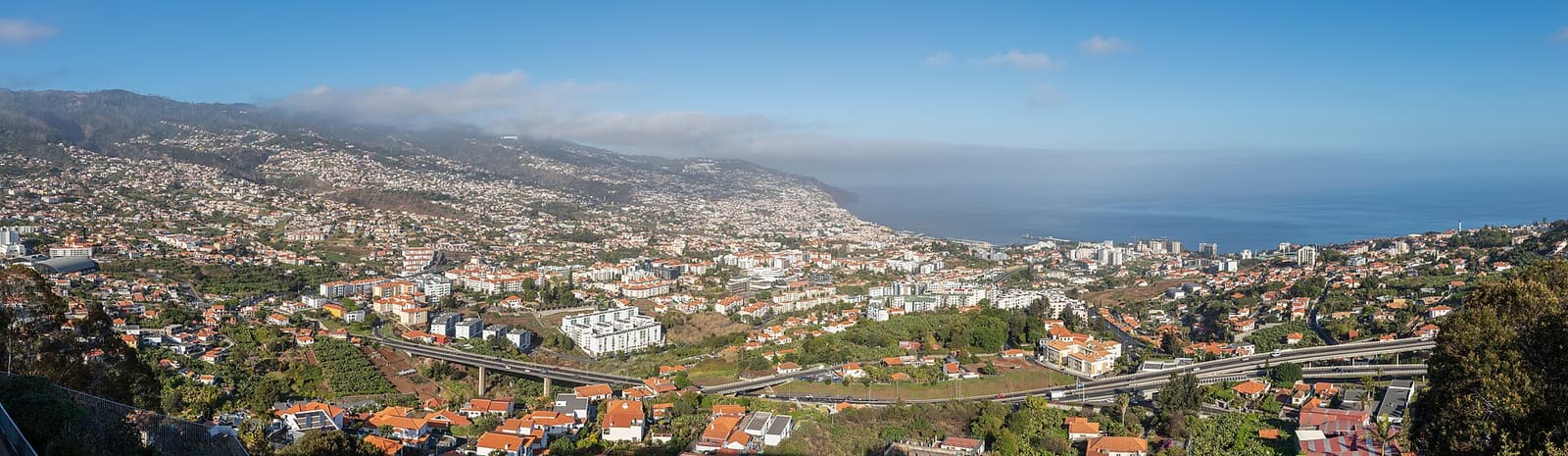 FunchalFunchal, capital of Madeira: the sixteenth-century cathedral, the Old Customs House and the coastal forts that guard the oldest Atlantic port in the archipelago.
 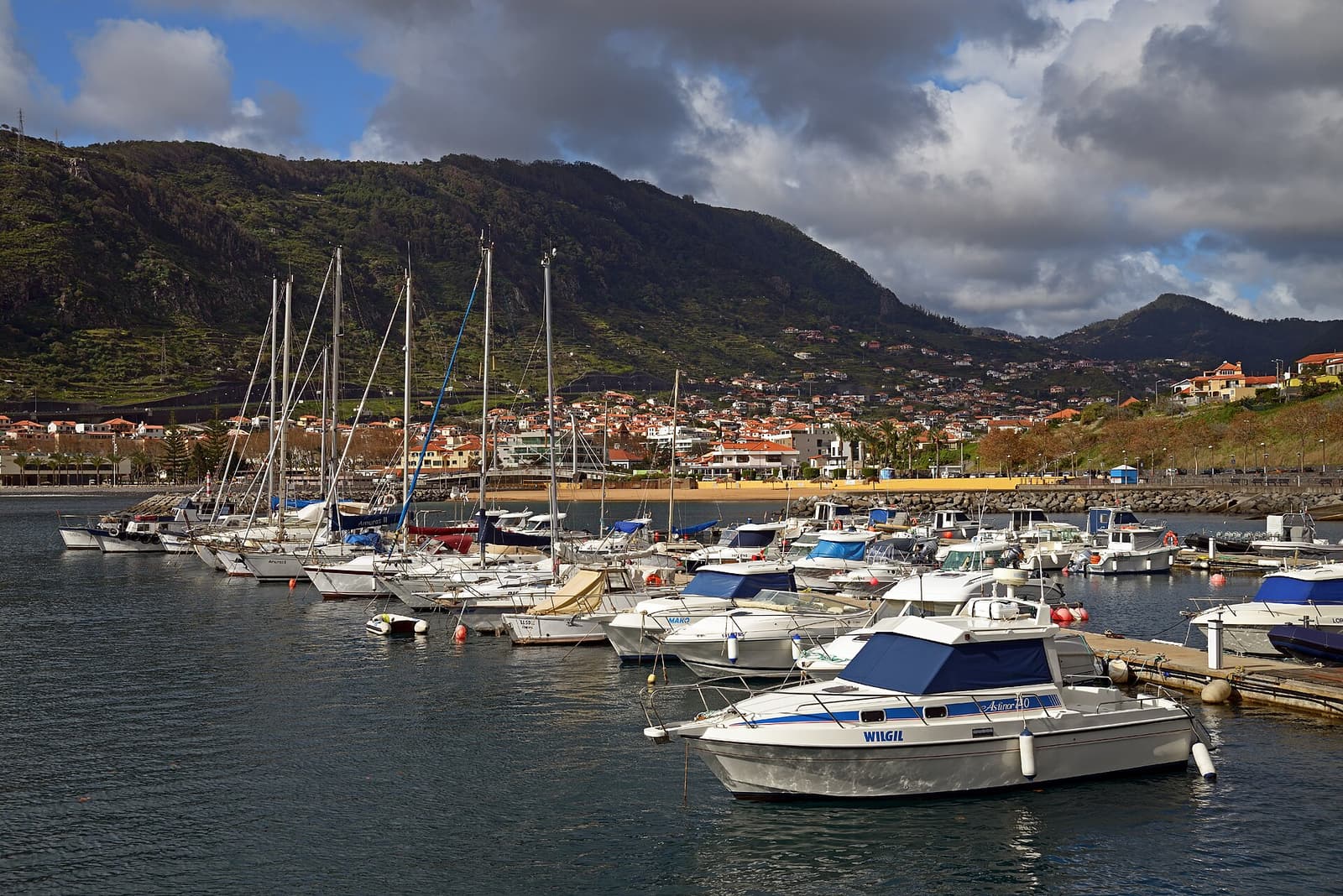 MachicoMachico, the first settlement on Madeira and seat of the first captaincy, with the Chapel of Miracles, coastal forts and a fifteenth-century mother church.
 Frequently asked questions
- Which Madeira heritage site is classified by UNESCO?
- The Laurisilva Forest of Madeira was inscribed on the UNESCO World Heritage List in 1999 as a natural property. It is the largest surviving expanse of this laurel forest, a relic of the Tertiary period.
- When was Madeira discovered and settled?
- The archipelago was reached by Portuguese navigators around 1419, and settlement began about 1425. By 1440 it was organised into three captaincies: Funchal, Machico and Porto Santo.
- Which monuments should be visited in Funchal?
- Notable among them are Funchal Cathedral, completed in 1514 in Gothic-Manueline style, and the Convent of Santa Clara, built at the end of the fifteenth century. The city also preserves estates and cellars linked to Madeira wine.