Monuments
Funchal Cathedral
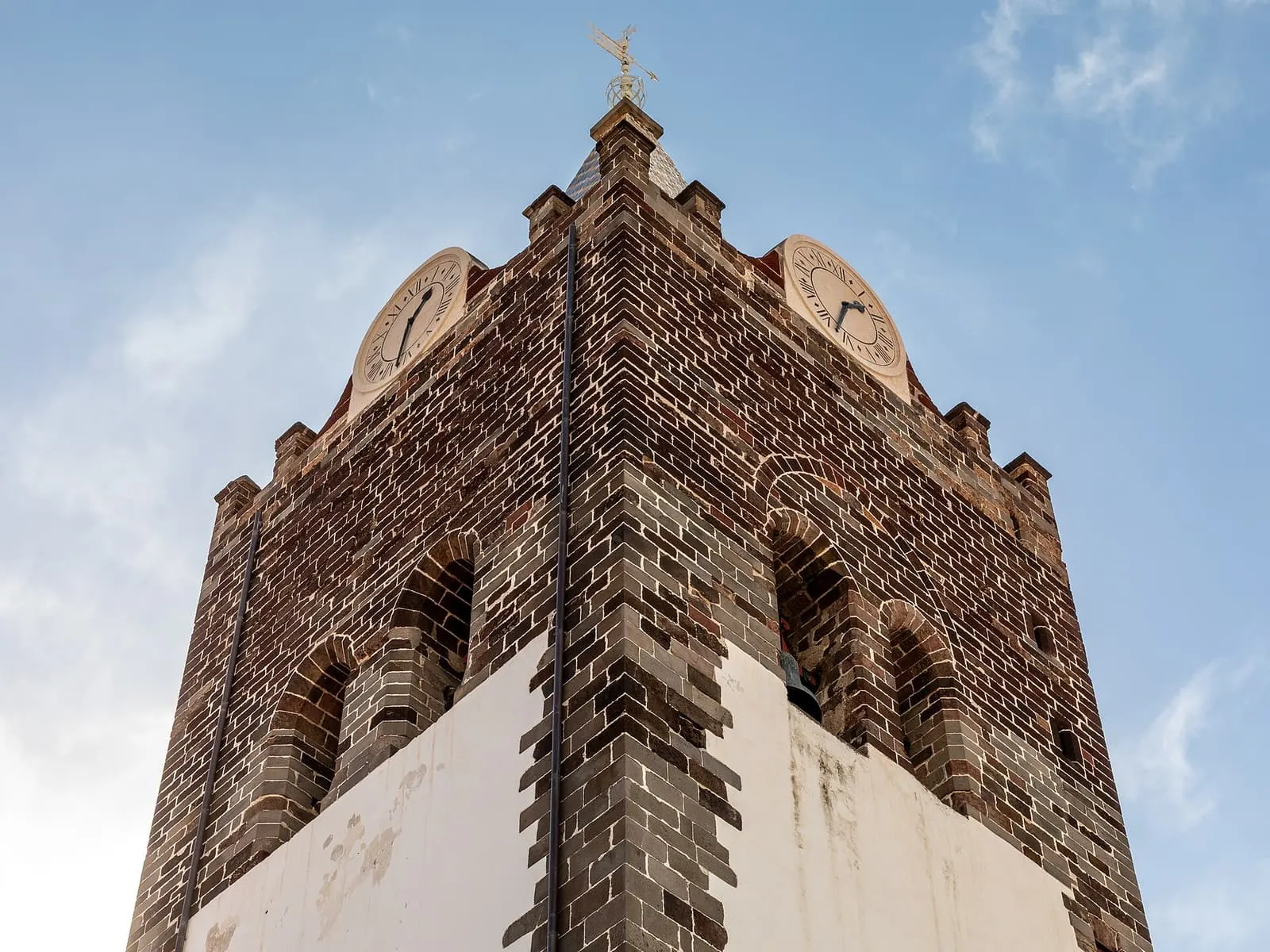
Funchal Cathedral in Madeira, the first cathedral built outside continental Europe, renowned for its cedar Mudéjar ceiling and Manueline design.
- Location
- Funchal, Madeira
- Built
- 1493–1514
- Style
- Gótico tardio e Manuelino
Funchal Cathedral, dedicated to Our Lady of the Assumption, stands at the heart of Madeira’s capital and holds a unique place in Portuguese religious history: completed in 1514, it was the first cathedral built under the Portuguese Crown’s initiative outside continental Europe. Its construction coincided with Funchal’s rapid growth, then enriched by the sugar trade, and embodied in stone the archipelago’s strategic importance in Atlantic expansion.
Foundation and Context
The building was ordered by King Manuel I around 1493, at a time when Funchal was growing alongside the sugar economy. The monarch sent architect Gil Eanes to design the temple, with construction mainly taking place in the first decade of the 1500s; the project was substantially completed by 1514, the year Pope Leo X established the Diocese of Funchal, elevating the church to cathedral status. The finishing touches on the bell tower and some ornamental details extended until 1517–1518, and the high altar was consecrated on October 18, 1517.
The new diocese would, for some time, have an extensive jurisdiction, covering territories in the newly opened overseas world. This scope made Funchal a significant ecclesiastical hub at the dawn of the Age of Discoveries, linking the fate of the island city to that of Madeira as an Atlantic platform.
Architecture and the Mudéjar Ceiling
Structurally, the cathedral follows a Gothic mendicant tradition, with a sober basilica plan, overlaid with elements of the Manueline style—visible in the portal, windows, and the bell tower’s spire, clad in tiles. Over the centuries, Mannerist, Baroque, and Rococo additions were made, particularly in the gilded altarpieces, giving the interior a layered chronology.
The temple’s most celebrated feature, however, is the Mudéjar ceiling, crafted from island cedar by master builder Pêro Anes. Covering over 1500 m² with intricate carpentry work (alfarje), it is considered the largest ensemble of its kind in Portugal and one of the most remarkable in Europe.
In its carved panels, cherubs hold bunches of bananas and wineskins—a decorative vocabulary that roots sacred iconography in the island’s material reality.
The wood supporting this ceiling reflects the territory’s own resources: island cedar and juniper came from the dense forests that once covered the island, now protected in Madeira’s Laurissilva Forest.
Heritage and Visit
Among the cathedral’s treasures is a silver processional cross donated by King Manuel I, considered a masterpiece of Portuguese Manueline goldsmithing, along with a valuable Renaissance choir stall featuring saints, prophets, and apostles dressed in 16th-century fashion. The ensemble, classified as a National Monument since 1910, remains the archipelago’s principal temple and one of Funchal’s most visited landmarks.
As part of the Portuguese cathedrals collection, Funchal Cathedral stands out for blending a peninsular design with an Atlantic ornamental sensibility, a testament to how Portuguese religious architecture reinvented itself in the newly settled islands.
Frequently asked questions
- Why is Funchal Cathedral historically unique?
- Completed in 1514, it was the first cathedral built under Portuguese initiative outside continental Europe, marking the ecclesiastical consolidation of the Atlantic archipelago.
- What makes Funchal Cathedral's ceiling remarkable?
- The Mudéjar ceiling, made of island cedar, covers over 1500 m² with intricate carpentry work (alfarje), considered the largest of its kind in Portugal.
- Who commissioned Funchal Cathedral?
- It was commissioned by King Manuel I starting in 1493; the king sent architect Gil Eanes to design the temple, completed in 1514.
Sources
Keep exploring
Heritage nearby
More places to discover from here. Approximate straight-line distances, within 50 km.