Places
Leiria
Leiria, a city in the Centro region: a medieval castle of palatial character above the River Lis, the Renaissance cathedral and a historic centre linked to the…
- Location
- Leiria, Leiria
- Built
- 1142 (primeiro foral)
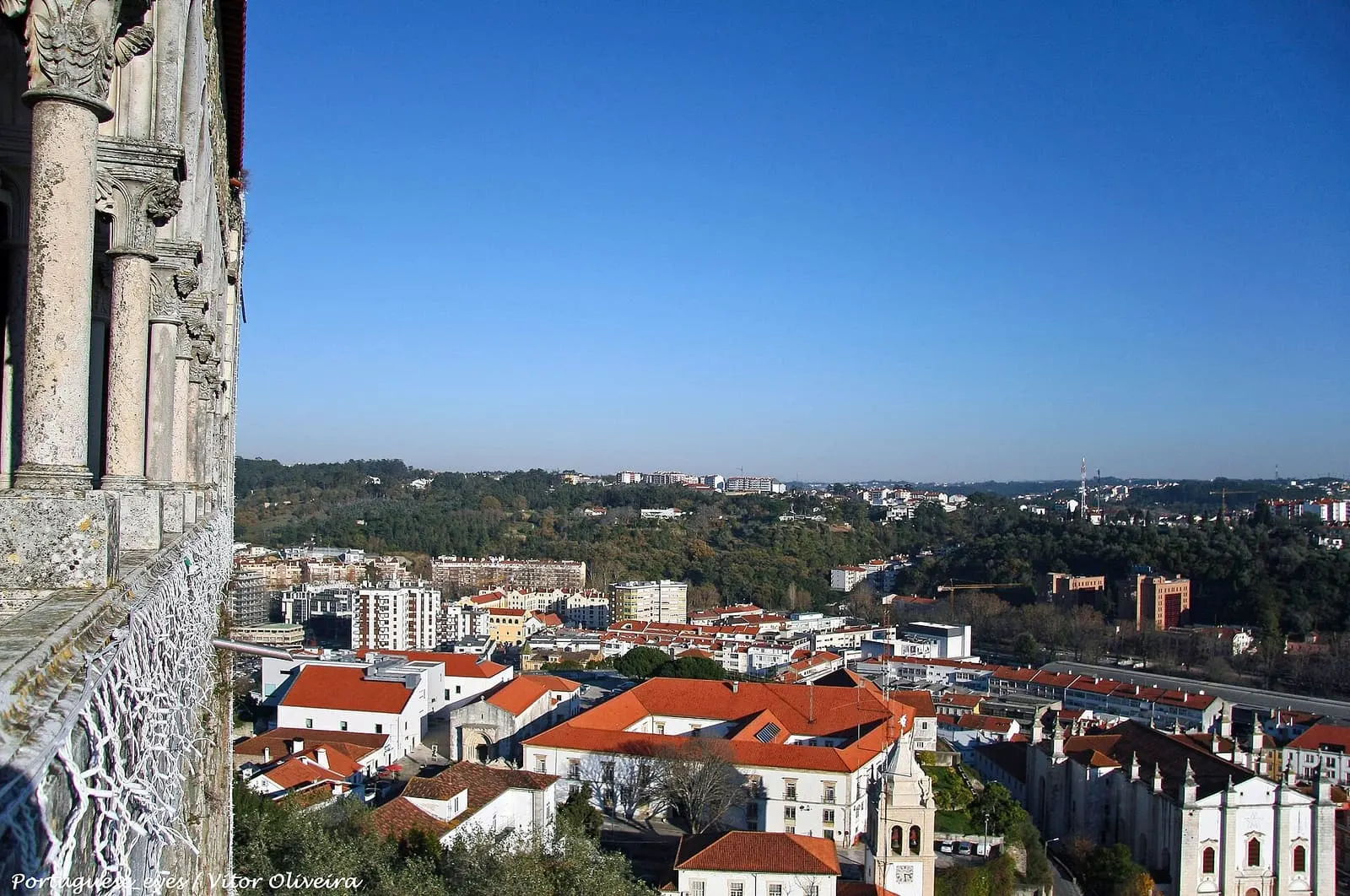
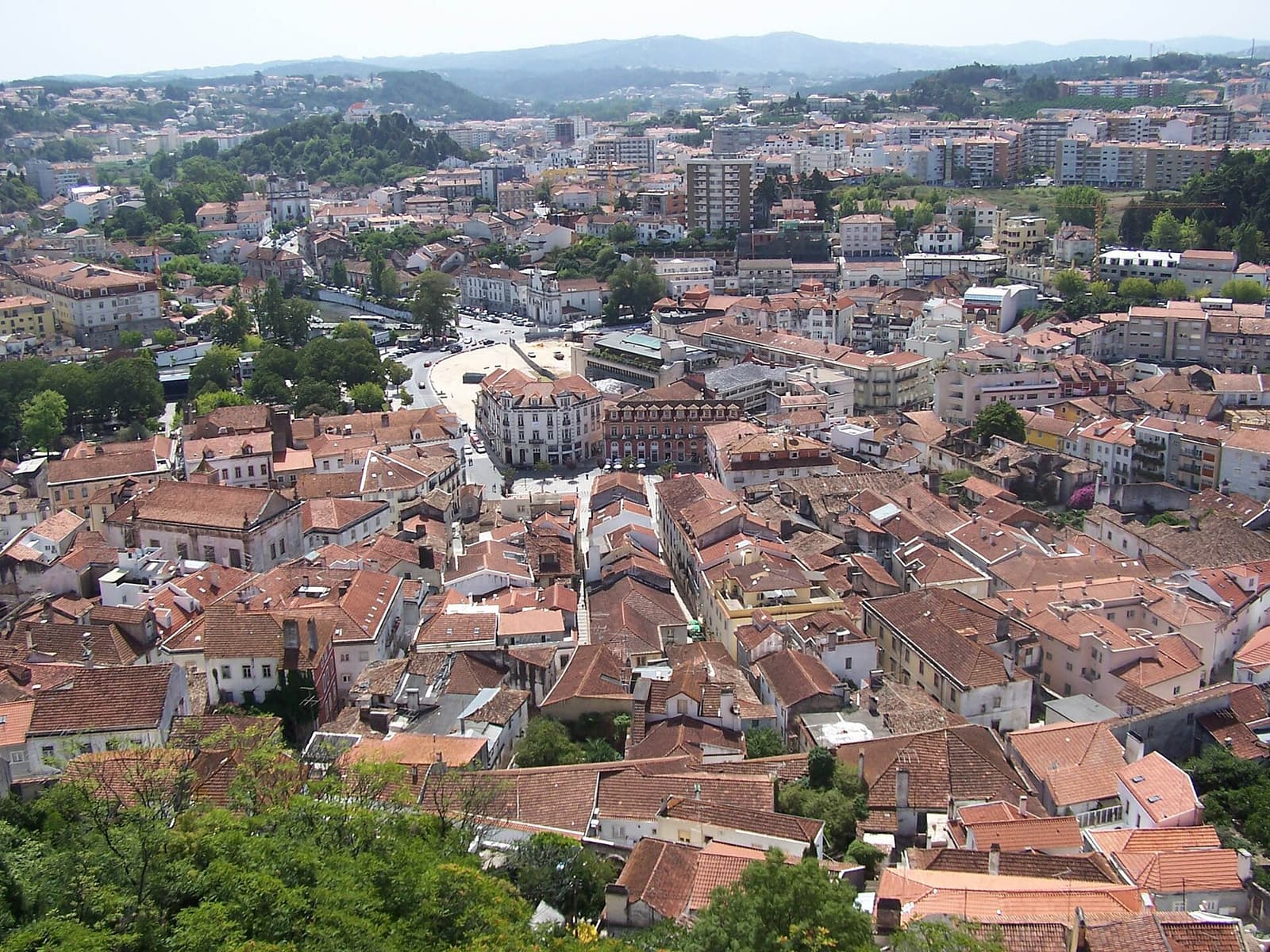
A district capital and one of the principal cities of the Centro region, Leiria grew up in the shadow of a castle that crowns a steep hill above the valley of the River Lis. Halfway between Lisbon and Coimbra, the city was born as a frontier stronghold of the emerging kingdom and, over the centuries, became an episcopal see, a pioneering centre of printing and the capital of a vast forested territory — the famous Pinhal de Leiria. Its white houses, stepped between the river and the fortress, preserve the memory of that long historical stratification.
From frontier to royal palace
The history of Leiria is bound up with that of the kingdom itself. In 1142 — even before the definitive conquest of Lisbon — Afonso Henriques granted the first charter to the settlement, then known as Leirena, making it an advanced bastion against the Muslim south. The fortified hill guarded the passage between the Mondego and the Tagus, at a time when the survival of Christian territory depended on this line of castles. The Castelo de Leiria, classified as a National Monument in 1910, was the heart of that defensive system.
Few Portuguese fortresses changed their function so completely: from a stern twelfth-century military redoubt, Leiria was transformed, under Dinis I, into a royal palace where Queen Saint Isabel resided.
In the fourteenth century, Dinis I turned the austere fortress into a royal palace, ordering the chapel of Nossa Senhora da Pena to be rebuilt and the imposing keep to be begun. It was also this monarch who promoted the planting of the Pinhal de Leiria, the great coastal woodland whose maritime pine would later supply timber for the shipbuilding of the Age of Discovery. The famous gallery of arches of the new palace wings, which gives the castle its unmistakable silhouette above the city, results largely from the restoration campaign carried out in the first decades of the twentieth century by the Swiss architect Ernesto Korrodi, who studied and partly reconstructed the complex in an interpretation inspired by late Gothic architecture.
City, diocese and printing
The town prospered as the seat of a wide territory and a meeting point of roads. In 1254, Afonso III convened in Leiria one of the first Cortes of the kingdom to include representation of the municipalities, a milestone in the history of Portuguese institutions. At the end of the fifteenth century, Leiria was one of the first places in Portugal where books were printed, with the Hebrew workshop that produced remarkable works here — an episode that links the city to the beginnings of national typography.
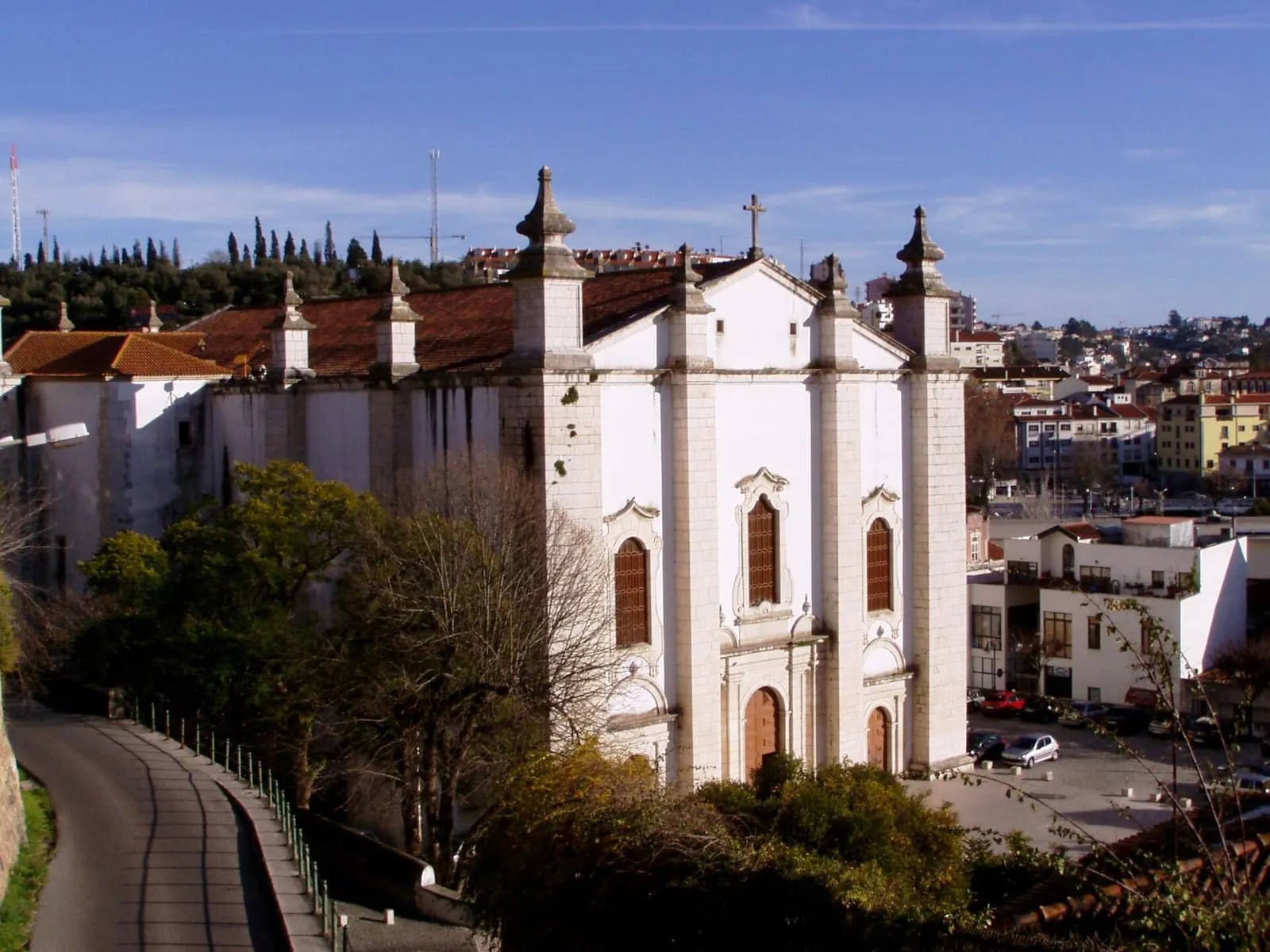
Institutional recognition came in 1545, when João III raised Leiria to the status of a city and had its diocese created. From that Renaissance impulse arose the Sé de Leiria, a temple of sober and ample plan built from the mid-sixteenth century, with a design attributed to the artistic circle of Afonso Álvares. The cathedral, Mannerist in character, anchors the historic centre that extends between the castle hill and the bank of the Lis.
Capital of a region of heritage
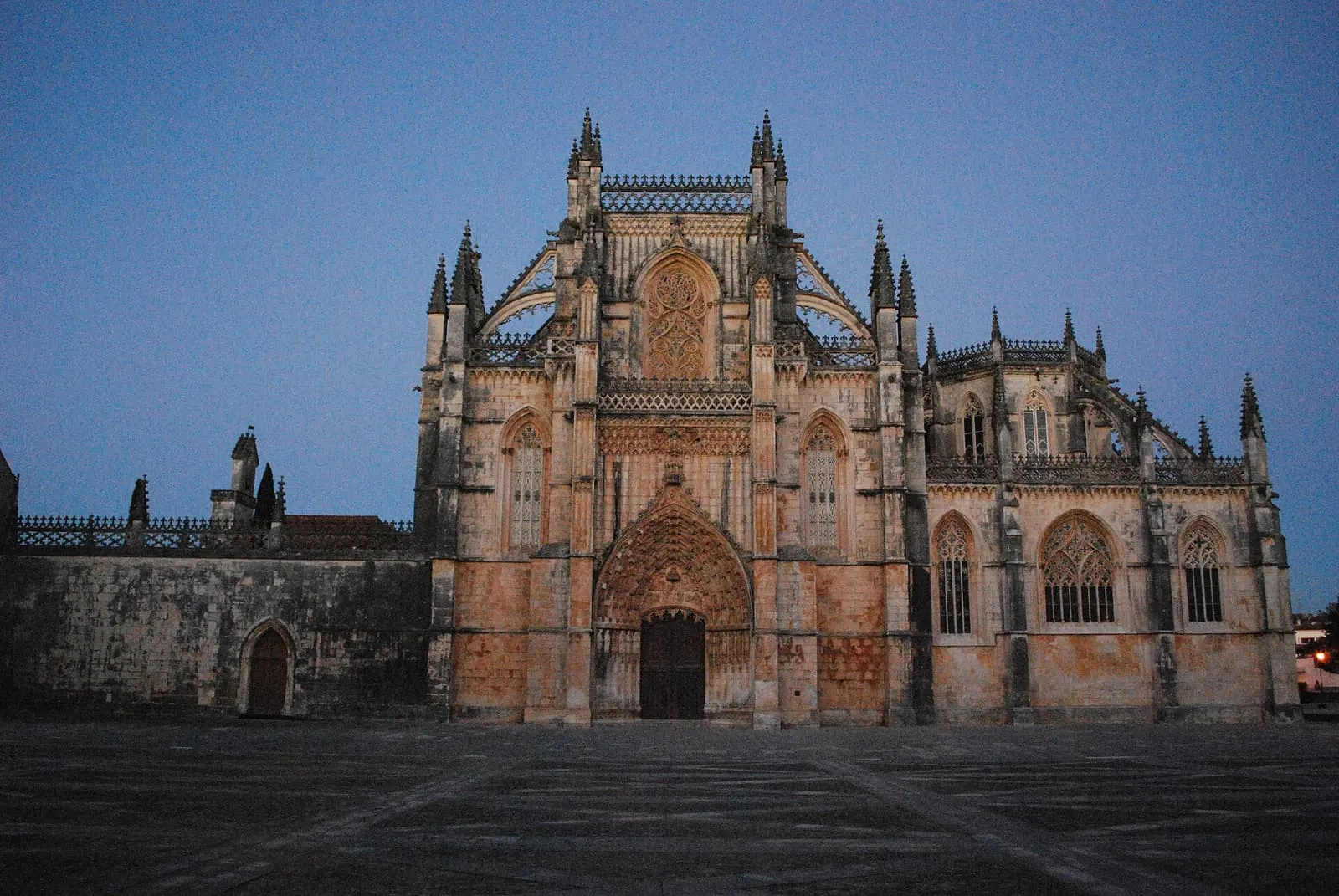
Leiria’s position made it a gateway to some of the country’s most remarkable monuments. A few kilometres away rises the Mosteiro da Batalha, a masterpiece of the Flamboyant Gothic commissioned by João I to celebrate the victory of Aljubarrota and classified as a World Heritage Site. The town of Batalha, which grew up around the monastery, belongs to the same sphere of Leiria’s influence, as do the monastic ensemble and the sanctuary that mark the interior of the district.
Crossed by the Lis and its tributary the Lena, Leiria today combines the attributes of a dynamic medium-sized city: university, industry and services coexist with a heritage that ranges from the castle restored by Korrodi to the riverside bridges and gardens. As a district capital, it is one of the structuring poles of the heritage of the Centro region, connecting the Atlantic coast, the highlands and the lands of the great monasteries that define the identity of this part of Portugal.
Frequently asked questions
- Where is Leiria?
- Leiria lies in the Centro region of Portugal, capital of the district of the same name, roughly halfway between Lisbon and Coimbra. The city spreads across the valley of the River Lis and its tributary, the Lena, beneath the hill on which the castle stands.
- Who founded Leiria?
- Leiria was established as a frontier settlement by Afonso Henriques, who granted it its first charter in 1142, even before the definitive conquest of Lisbon. Its position was intended to defend the line between the Mondego and the Tagus during the Reconquista.
- When was Leiria raised to the status of a city?
- Leiria was raised to city status in 1545 by João III, in the same year its diocese was created. It is also known for being the place where, in the fifteenth century, some of the first books in Portugal were printed.
Sources
Keep exploring
Heritage nearby
More places to discover from here. Approximate straight-line distances, within 50 km.