Monuments
Leiria Cathedral
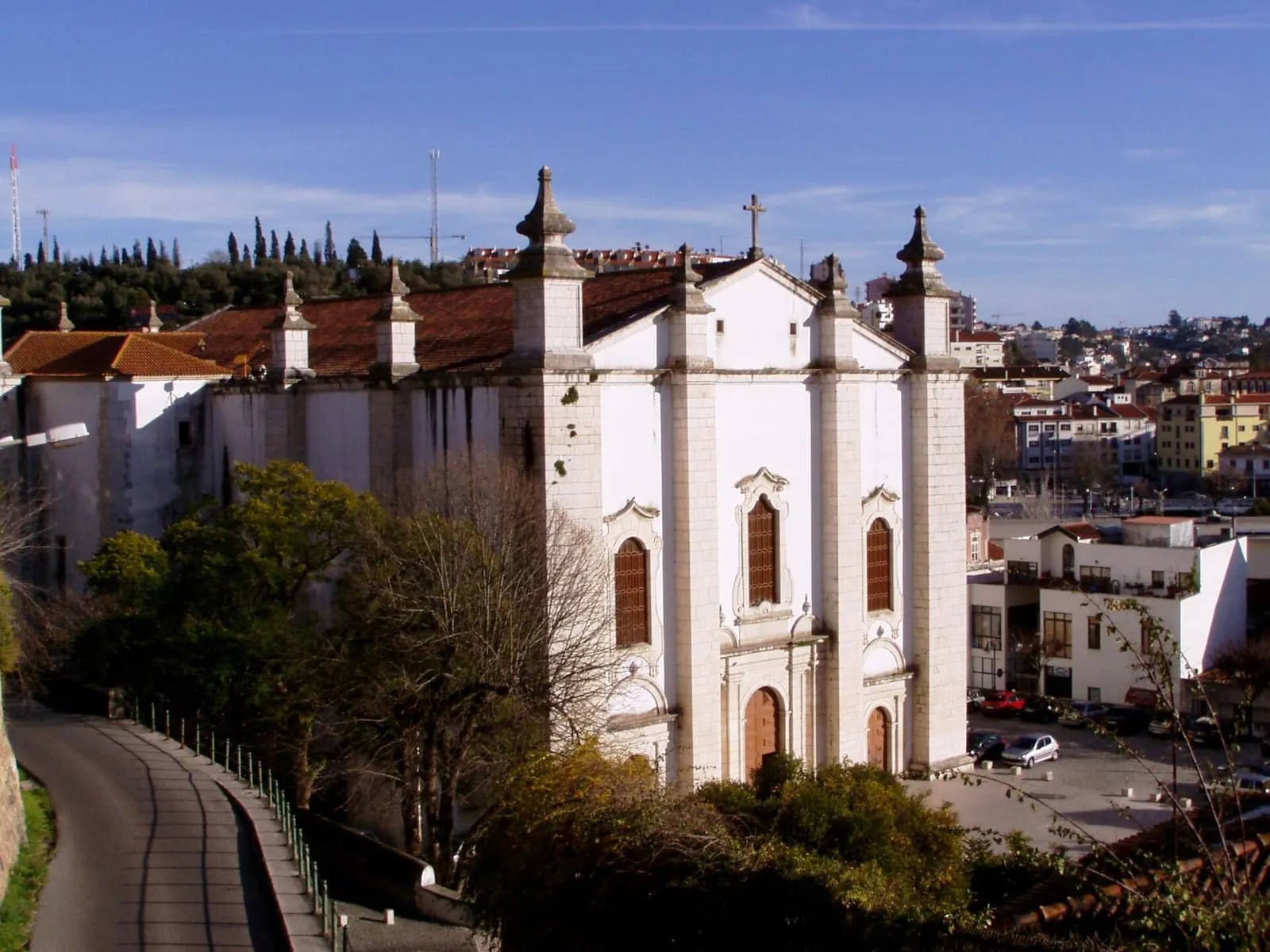
Leiria Cathedral, a Mannerist hall-church built in the 16th century, is one of the most significant examples of the 'plain style' in Portugal.
- Location
- Leiria, Leiria
- Built
- 1559–1574
- Style
- Maneirismo (estilo chão)
Leiria Cathedral, formally the Church of Our Lady of the Assumption, stands in the historic heart of the city, a short distance from the hill crowned by the medieval castle of Leiria. Serving as the diocesan cathedral since the mid-16th century, it is one of the most coherent and influential examples of Portuguese Mannerist religious architecture—sober on the outside and luminous within.
From the creation of the diocese to consecration
On 22 May 1545, at the request of King John III, Pope Paul III established the Diocese of Leiria through the papal bull Pro Excellenti. The existing churches in the town proved too modest for the new episcopal functions, necessitating the construction of a fitting temple. The foundation stone was likely laid in 1550, but construction only progressed substantially from 1559 onward, following designs by royal architect Afonso Álvares—a central figure in the architecture of King John III’s reign, responsible for other military and religious projects in the kingdom. The cathedral was consecrated in 1574, still lacking a sacristy and several dependencies, which would be completed over the following decades.
A hall-church in the plain style
Architecturally, Leiria Cathedral is a manifesto of the so-called plain style (the plain style of Anglo-Saxon historiography), a trend that prioritized geometric clarity, decorative economy, and structural robustness. The exterior, severe and almost austere, deliberately contrasts with the spacious interior, conceived as a hall-church (Hallenkirche): three naves of equal height, separated by pillars and covered by vaults that give the space a rare sense of unity and light.
The sober exterior is not a lack of means but an aesthetic choice: the plain style made restraint its own language, where proportion and structure replace ornament.
The chancel, Mannerist and dating to the 17th century, is attributed to Baltasar Álvares and Friar João Turriano, introducing a more erudite register to the ensemble. This grammar of equipotent naves and purified lines distinguishes the cathedral from earlier Romanesque cathedrals, such as the Old Cathedral of Coimbra, and aligns it with the reformed spirit of post-Tridentine architecture.
Earthquakes, invasions, and rebirth
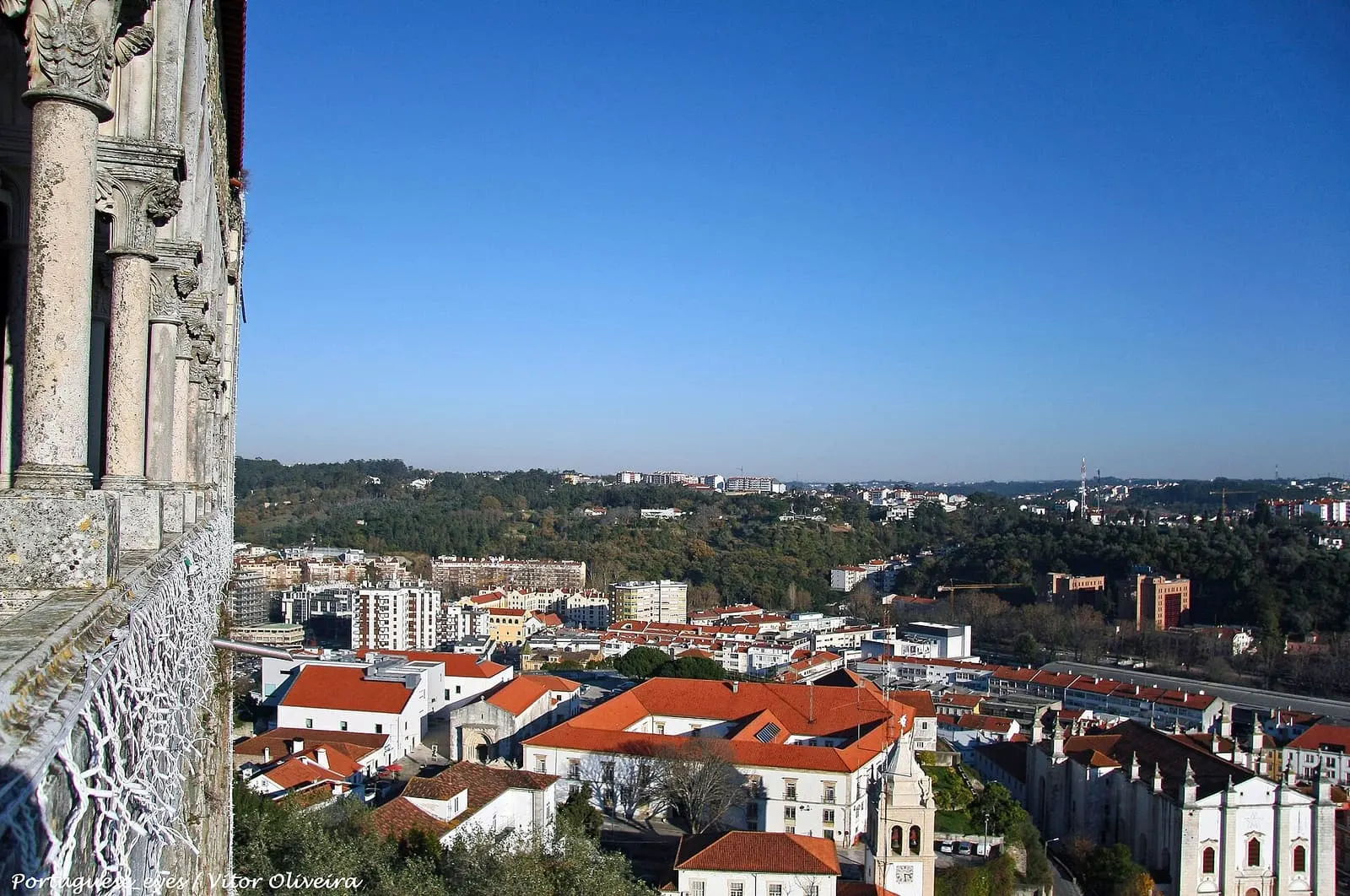
The building’s history has been marked by adversity. The 1755 earthquake severely damaged the main façade, whose reconstruction began the following year; in 1770, the construction of a new bell tower was ordered on an old bastion of the Portas do Sol, physically separate from the church—a peculiarity that gave rise to the well-known saying, ‘Leiria has a tower without a cathedral and a cathedral without a tower.’ The French invasions in the early 19th century caused further destruction. The diocese itself was suppressed between 1882 and 1918, later restored, and in 1984 reconfigured as the Diocese of Leiria-Fátima.
Today, the cathedral remains the city’s principal church and an identity landmark of Leiria’s historic center, forming part of the ensemble of Portugal’s great cathedrals and sees. Its classification as a National Monument, approved in 2014, has enshrined the value of a work that, more than an isolated monument, encapsulates a decisive moment in 16th-century Portuguese architecture and religious life.
Frequently asked questions
- When was Leiria Cathedral built?
- The foundation stone was laid in 1550, but construction effectively began in 1559, according to plans by royal architect Afonso Álvares. The church was consecrated in 1574.
- Why is the bell tower separate from the cathedral?
- The bell tower was erected in 1770 on an old bastion of the Portas do Sol, detached from the main church body. Hence the popular saying that 'Leiria has a tower without a cathedral and a cathedral without a tower.'
- Is Leiria Cathedral a National Monument?
- Yes. It was classified as a National Monument by a resolution of the Council of Ministers approved in 2014.
Sources
Keep exploring
Heritage nearby
More places to discover from here. Approximate straight-line distances, within 50 km.