Typologies
Municipal Markets
Portugal's municipal markets: produce halls of iron, glass and concrete raised between the nineteenth century and the mid-twentieth, from the Bolhão to the Ribeira.
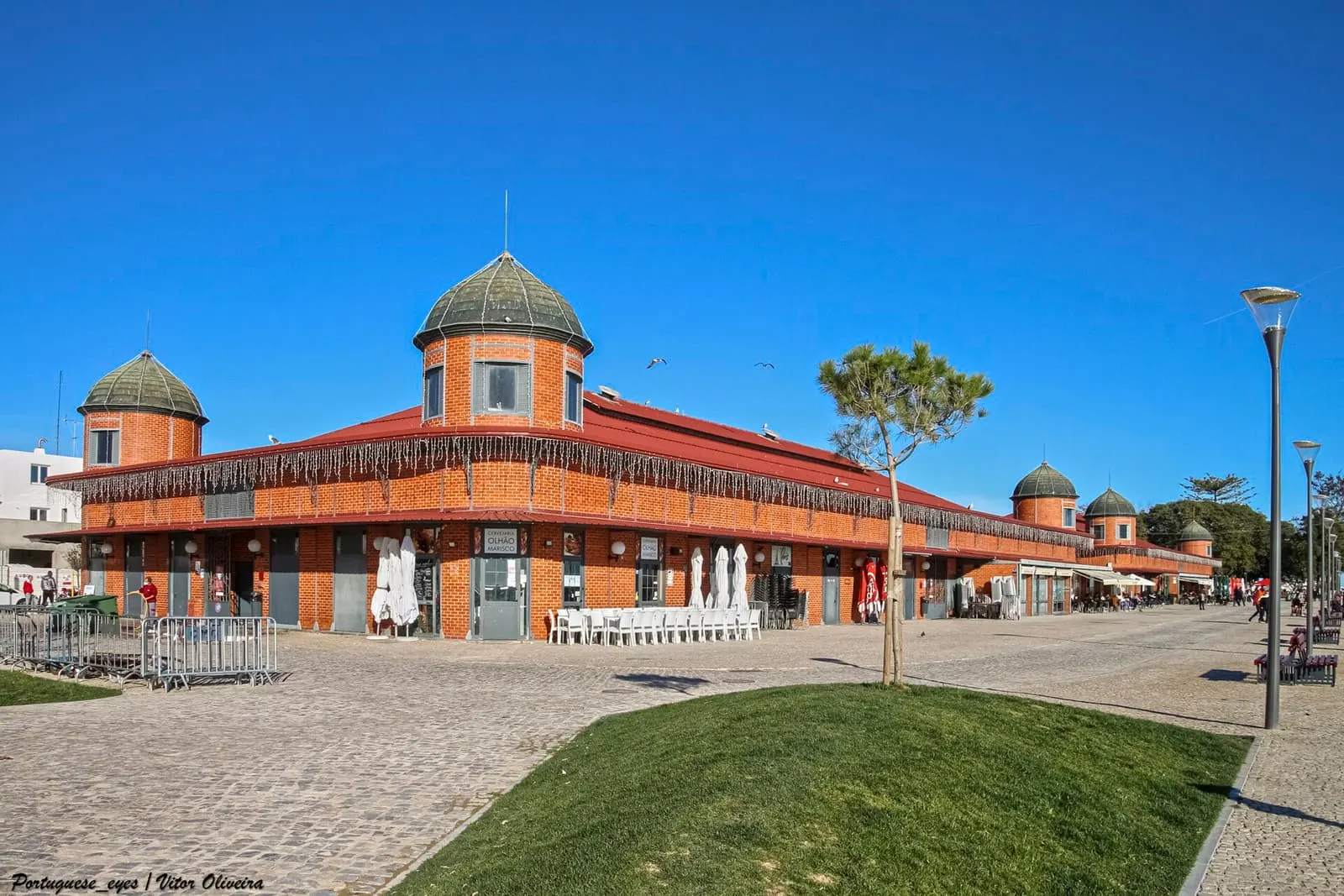
- Built
- c. 1875–1950
- Style
- Arquitetura do ferro; Beaux-Arts; Modernismo
The municipal market is one of the typologies that best expresses the transformation of Portuguese cities between the nineteenth century and the mid-twentieth. Replacing open-air fairs, street vending and improvised produce squares, these permanent buildings gathered in a single place the trade in fresh produce — fish, meat, vegetables, fruit and flowers — under the oversight of the municipal councils. More than commercial infrastructure, they became urban landmarks: they occupied central positions, ordered the avenues and squares around them and lodged themselves in collective memory as places of sociability and local identity.
From nineteenth-century iron to modern concrete
The rise of the covered market closely followed industrialisation and the availability of new materials. In the second half of the nineteenth century, Lisbon equipped itself with a network of municipal markets — Santa Clara (1877), São Bento (1881), Ribeira (1882) and the Praça da Figueira and Belém markets (1885) — while towns and villages followed the example of the capitals. In these first generations, cast and wrought iron, married to glass and set on bases of granite or ashlar, offered what traditional masonry could not: wide spans, slenderness and abundant light, indispensable to spaces that demanded ventilation and hygiene. They are, in this sense, one of the most characteristic chapters of iron architecture in Portugal, alongside railway sheds and metal bridges.
Few typologies reveal so clearly the passage from iron to concrete: for decades, the market was the laboratory in which the construction techniques that would come to define twentieth-century architecture were tested.
The first half of the twentieth century shifted experimentation towards cement and reinforced concrete. The Mercado do Bolhão in Porto, designed by Correia da Silva and built between 1914 and 1917, illustrates the transition: rectangular in plan with a central courtyard, eclectic in taste and Beaux-Arts in influence, it combined metal structures, reinforced concrete, timber and granite. The modernist renovation of markets such as the Ribeira and Arroios in Lisbon, or those of Tavira, Lagos, Barcelos and Viana do Castelo, made concrete the material of avant-garde roofs, integrating these buildings into the heritage of modern Portuguese architecture.
A typology between commerce and the city
The value of municipal markets does not lie in their architecture alone. As supply facilities, they structured urban daily life and the relationship between producers and consumers; as public spaces, they generated streets, squares and flows that shaped the design of cities. Their central location and the monumentality of their façades gave them a civic standing that few commercial buildings attained. For this reason, several are today included in heritage-classification lists — the Bolhão was designated a property of public interest in 2006 — and form part of the country’s industrial heritage and built heritage.
Today, municipal markets remain present across almost the entire national territory. Many have undergone rehabilitation that sought to reconcile the original function with new uses — dining, events, tourism — in a delicate balance between the memory of traditional supply and the demands of the contemporary city. As a typology, they converse with other forms of urban built heritage and share with the railway stations the same genealogy of iron, glass and light that defines the utilitarian architecture of the nineteenth century.
Permanence and reinvention
The trajectory of municipal markets sums up, on a small scale, the history of modern Portuguese construction: from imported iron to home-made concrete, from the nineteenth-century hygienist programme to the heritage valorisation of our own day. Rehabilitated, rediscovered and reinvented, they remain places in which the city recognises itself — spaces where architecture, commerce and everyday life remain inseparable.
Frequently asked questions
- What is a municipal market?
- It is a supply and retail facility, managed or regulated by the municipality, intended for the sale of fresh produce. In Portugal it took hold between the nineteenth century and the mid-twentieth, replacing open-air fairs with permanent buildings that became urban landmarks.
- Which are the best-known Portuguese municipal markets?
- Among the nineteenth-century examples, the Mercado do Bolhão in Porto and the Ribeira and Santa Clara markets in Lisbon stand out; among those of the twentieth century are the Ribeira (renovated), Arroios, Tavira, Lagos, Barcelos and Viana do Castelo markets, several of them landmarks of modern architecture.
- Which materials characterise these buildings?
- Nineteenth-century markets relied above all on cast and wrought iron combined with glass and granite masonry; those of the twentieth century explored reinforced cement and concrete, which made wide roofs and clear spans possible.