Resources
National Museum of Conimbriga
The National Museum of Conimbriga, founded in 1962 near the Roman ruins of Condeixa-a-Nova, Coimbra district: Portugal's largest Roman city.
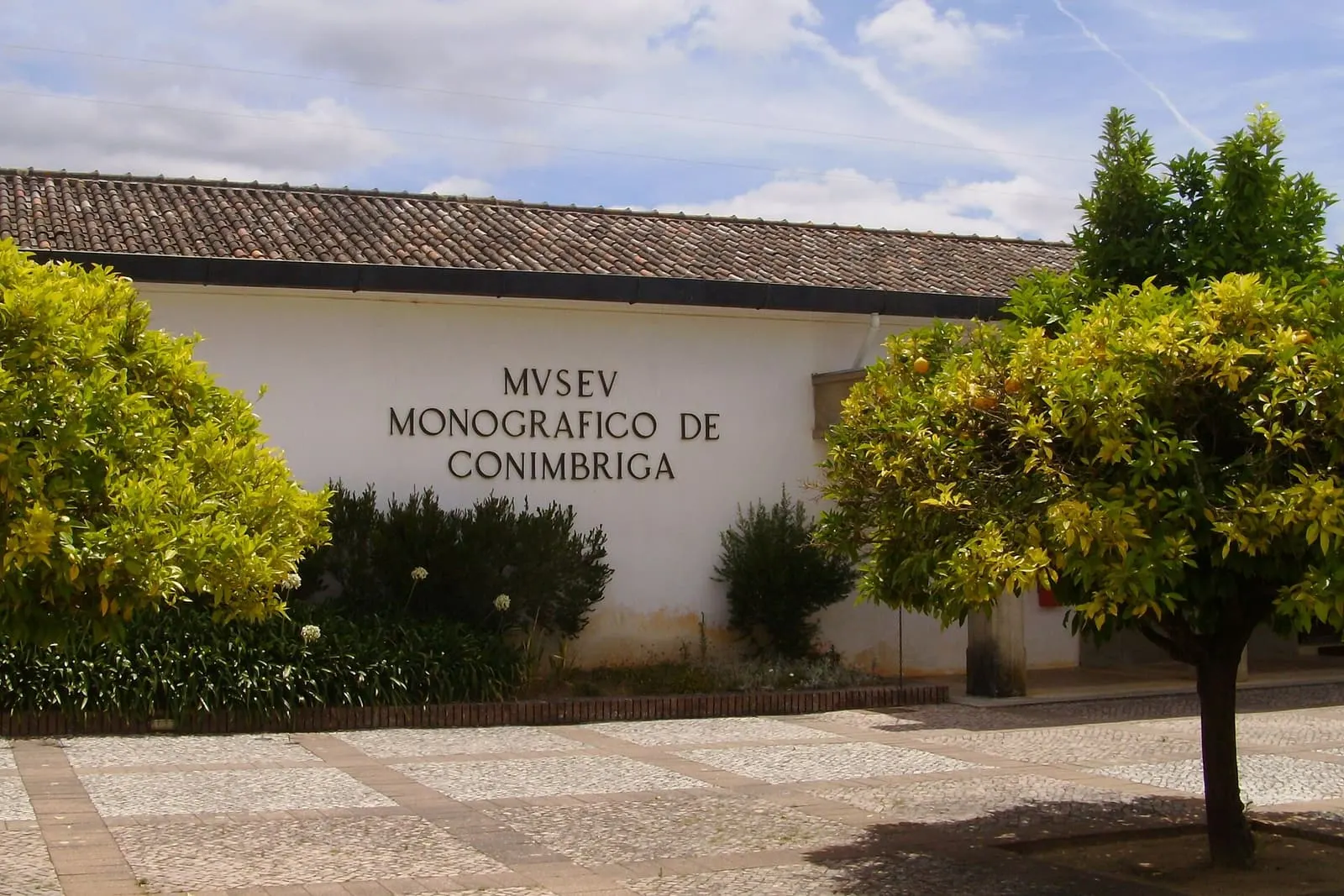
- Location
- Condeixa-a-Nova, Coimbra
- Built
- 1962
At the entrance to the Roman ruins of Conimbriga in Condeixa-a-Velha stands an unassuming building that is an inseparable part of the archaeological site itself. The National Museum of Conimbriga is the monographic museum of the largest excavated Roman city in Portugal: it was created to preserve, study and display finds from a site that has been under excavation for over a century and continues to reveal itself. Unlike large encyclopedic museums, it defines itself through its connection to the ground it serves — visitors first explore the galleries before stepping out onto the floors of houses, the forum and baths that once stood here.
From monographic museum to national museum
The institution was inaugurated in 1962 as the Monographic Museum of Conimbriga, following major excavation campaigns conducted from the 1930s onwards, particularly the Luso-French mission that systematically explored the city between 1964 and 1971. The building was purpose-designed to house the collected material and coordinate visits to the ruins, a function it maintains to this day.
For decades, the monographic designation emphasized the museum’s nature: dedicated to a single site, without the geographical or thematic dispersion of other collections. In 2017, the museum was elevated to national museum status, joining the network of Portugal’s national museums and recognizing the scientific importance of its holdings. This status change forms part of the long history of heritage institutions in Portugal, marked by the progressive professionalization of archaeology and museology throughout the 20th century.
The collection and reading the city
The permanent exhibition is organized to reconstruct daily life in the city from the end of the second millennium BC to the 6th century AD. A first section focuses on aspects of everyday life — glassware, ceramics, stonework, spinning, writing, games, weights and measures. This is followed by an evocation of the forum, with a model of the imperial cult sanctuary, and a collection of sculptures, stucco fragments and frescoes documenting the refined environment of wealthier families. A final section gathers objects related to religion (both pagan and Christian), superstitions and funerary practices.
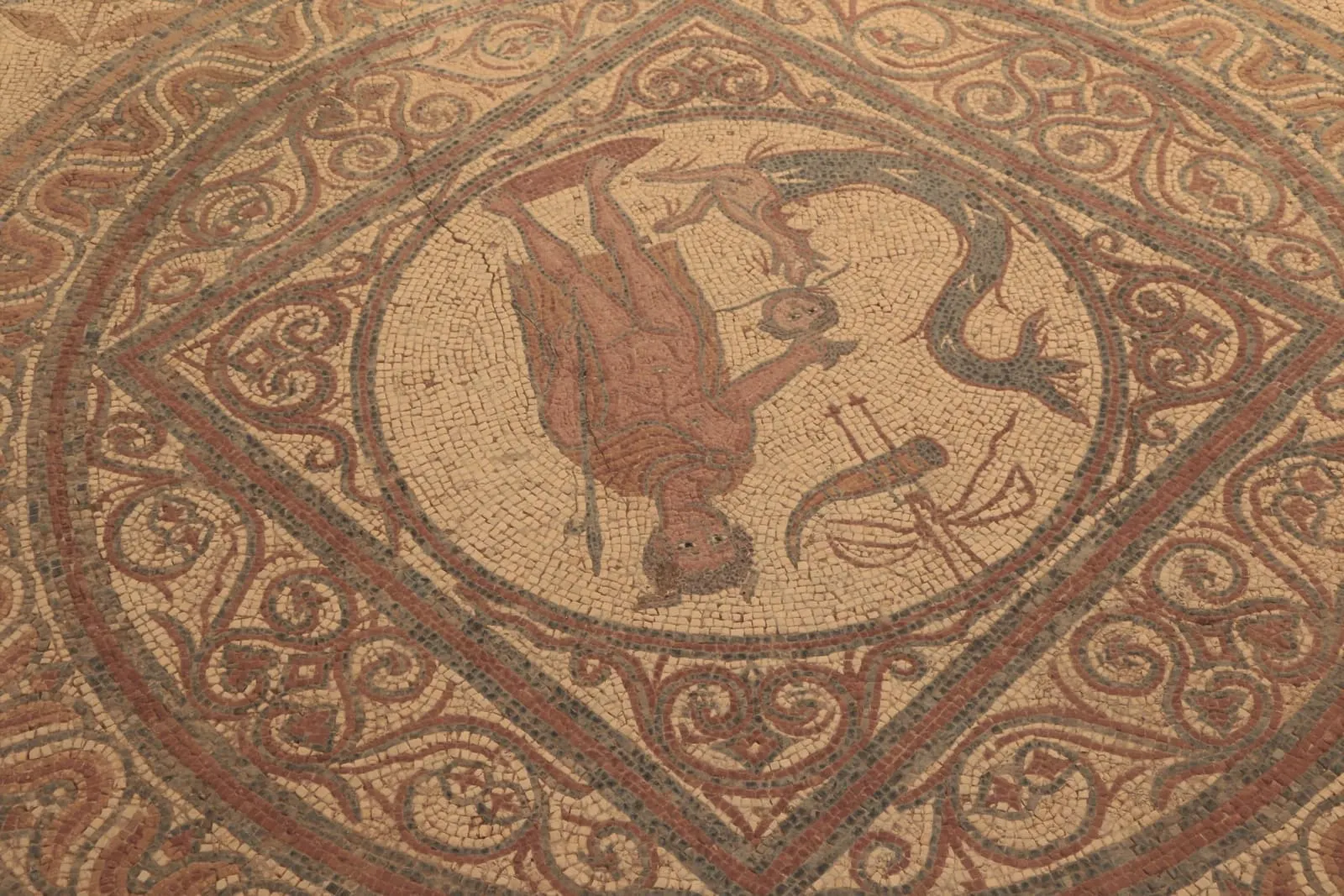
The highlight of the collection is the group of mosaics and luxury objects from excavated domus, which demonstrate the Romanization of this Lusitanian city. As a reference point for Roman archaeology in Portuguese territory, Conimbriga offers a rare case: museum and site function as a single interpretive unit, where exhibited pieces are reunited, just steps away, in their exact original contexts.
Visiting and researching
Beyond the exhibition, the museum maintains storage facilities, a laboratory and research/conservation functions, ensuring ongoing study of the site and support for excavation campaigns. In 2022 it recorded over 132,000 visitors, ranking among the country’s most visited monuments. In recent years it has undergone building renovation and ruin conservation projects, a process with advances and setbacks but maintaining the goal of modernizing the presentation of one of the Iberian Peninsula’s most significant archaeological complexes.
Frequently asked questions
- When was the Museum of Conimbriga founded?
- It was inaugurated in 1962 as the Monographic Museum of Conimbriga, adjacent to the Roman ruins. In 2017 it was elevated to national museum status, becoming the National Museum of Conimbriga.
- Where is the National Museum of Conimbriga located?
- It is situated in Condeixa-a-Velha, municipality of Condeixa-a-Nova, Coimbra district, about 16 km south of the city of Coimbra, near the entrance to the ruins of the ancient Roman city of Conimbriga.
- What can be seen in the museum?
- The collection showcases the evolution of settlement at the site from the end of the second millennium BC to the 6th century AD, featuring mosaics, sculpture, glassware, ceramics, everyday objects and religious artifacts, primarily from excavations of the Roman city.
Sources
Keep exploring
Heritage nearby
More places to discover from here. Approximate straight-line distances, within 50 km.
Resources for research
Find the sources. Follow the story.
Guides to researching buildings, exploring museum collections and understanding heritage protection.
SIPA
Get to know the architectural inventory, building records and documentary archive.
Read the guideMuseum collectionsMatrizNet
Explore the museum catalogue and records of works, materials, authorship and provenance.
Read the guideHeritage protectionHeritage classification
Understand cultural property categories and the levels of national, public and municipal interest.
Read the guide