Archaeology
Conímbriga
Conímbriga, in Condeixa-a-Nova, is the largest and most thoroughly studied Roman town in Portugal, with a forum, baths, walls and remarkable mosaics.
- Location
- Condeixa-a-Velha, Coimbra
- Built
- Século I a.C. – século V d.C.
- Style
- Romano
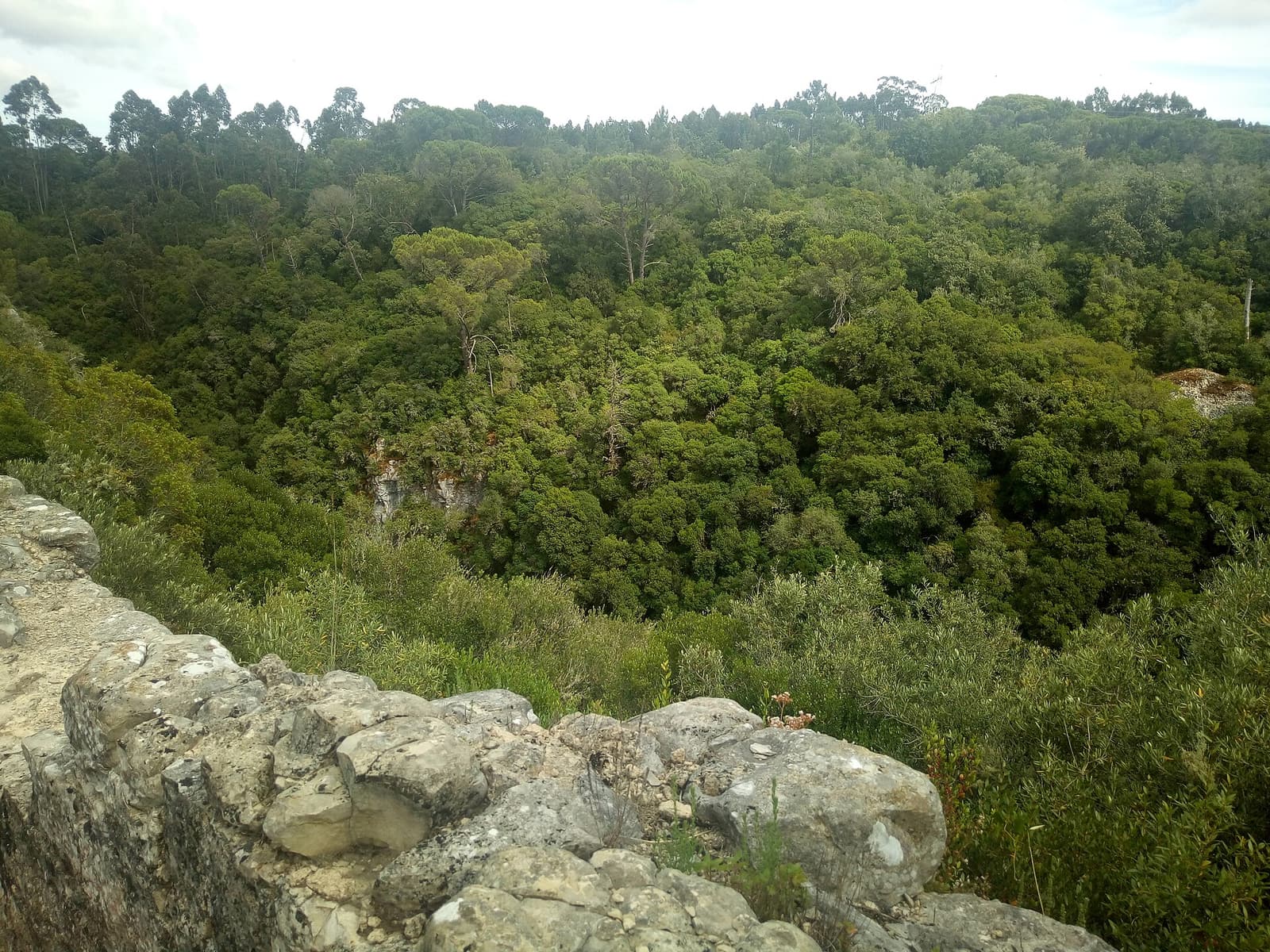
Conímbriga is the largest and most thoroughly studied Roman town in Portugal. Set on a spur above the valleys of the Mouros and Ferreira streams, in the present-day parish of Condeixa-a-Velha, a few kilometres south of Coimbra, the site brings together more than a century of continuous archaeological research and offers one of the most complete views of Roman urban life in the western Iberian Peninsula.
From indigenous oppidum to Roman town
The place name, ending in the Celtic suffix -briga, betrays the pre-Roman occupation of the site. When the legions of Decimus Junius Brutus reached the region, around 138 BC, Conímbriga was already a fortified settlement of indigenous population. Its integration into the Roman world was gradual: the town progressively adopted the urban, legal and cultural models of Rome, in a process that archaeology documents with rare clarity.
The great transformation came under Augustus, at the end of the 1st century BC, with a thorough urban renewal. It was then that the forum, the baths, the basilica and new water-supply and sanitation infrastructure were built. In the reign of Vespasian (around AD 70–80), Conímbriga rose to the status of a municipium under Latin law, a milestone that consolidated its standing in the province of Lusitania.
The exceptional preservation of Conímbriga is due, in part, to its own fall: in hastily raising a powerful late wall, in the 3rd or 4th century, entire buildings were sacrificed as a quarry, sealing beneath the foundations remains that would otherwise have been lost.
Forum, baths and the great domus
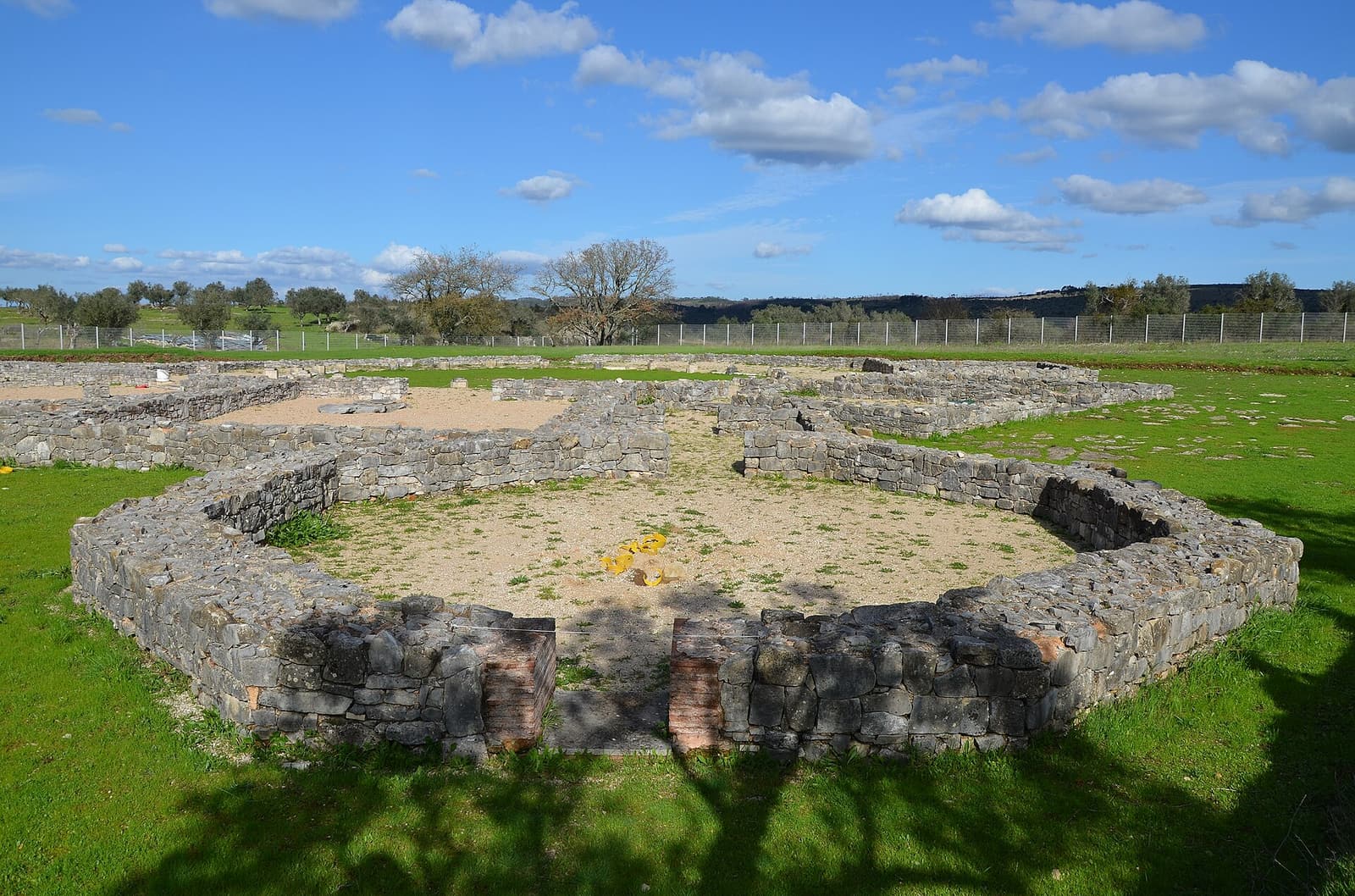
The monumental complex is organised around the forum, a civic and religious precinct that underwent successive reshapings. To it are added bath complexes, a water-supply system fed by an aqueduct, and districts of commerce, industry and housing, as well as an inn beside the road that crossed the town.
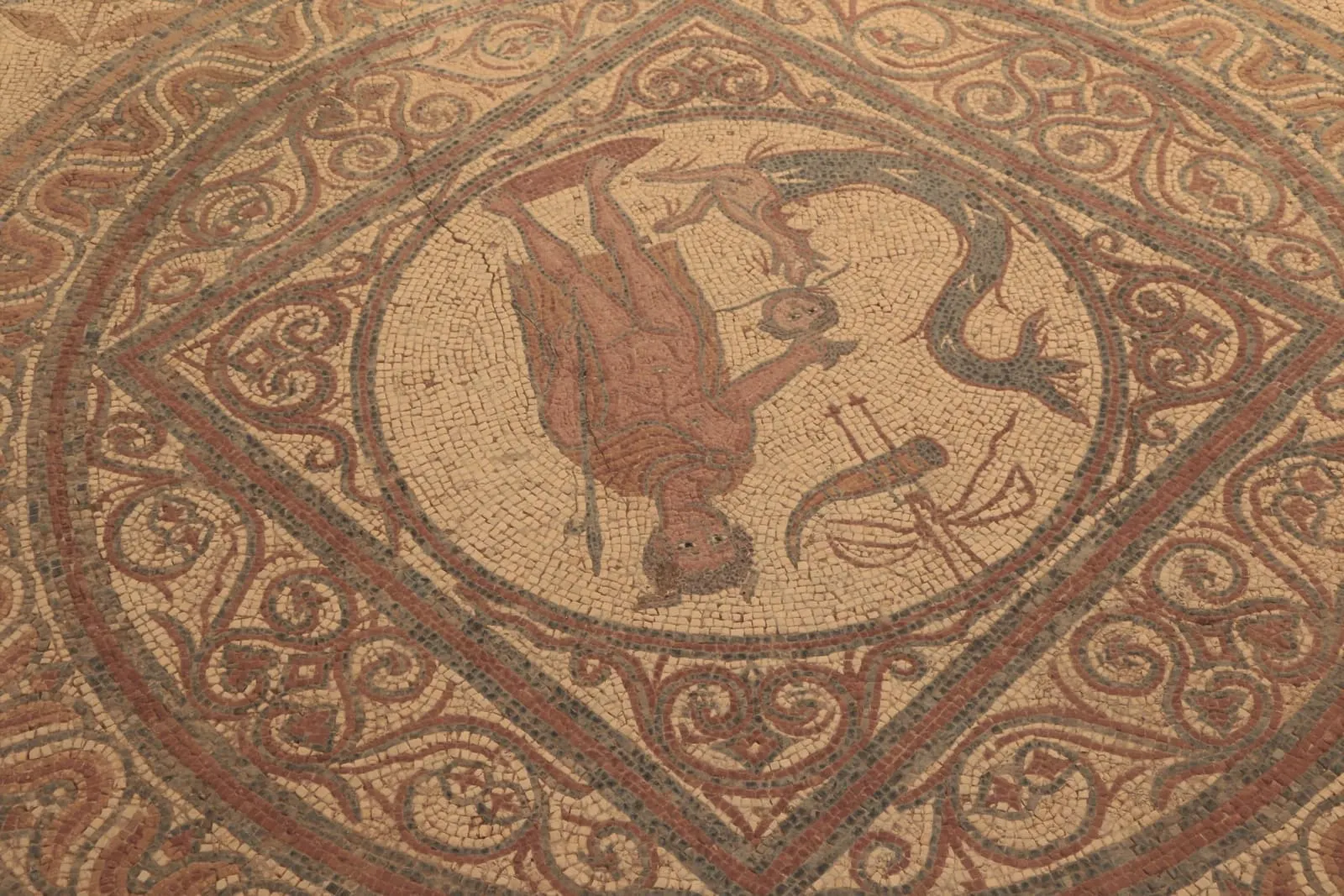
The splendour of Conímbriga is revealed above all in the aristocratic residences. The House of Cantaber, one of the largest known domus in the western Empire, and the House of the Fountains, with its garden peristyle enlivened by dozens of water jets, preserve floors of polychrome mosaics of remarkable quality, with mythological, geometric and hunting scenes. These remains make Conímbriga an essential reference for Roman archaeology in Portugal and for the study of Roman Portugal.
Decline, rediscovery and museum display
The pressure of Germanic incursions and the instability of the Late Empire prompted the construction of the late wall, which reduced the defended perimeter. In AD 468, late sources record the sacking of the town by the Suevi. Conímbriga was not abandoned immediately, but the regional centre of power shifted to Aeminium — the future Coimbra, which would even inherit its name — and the settlement entered into decline over the course of the Early Middle Ages.
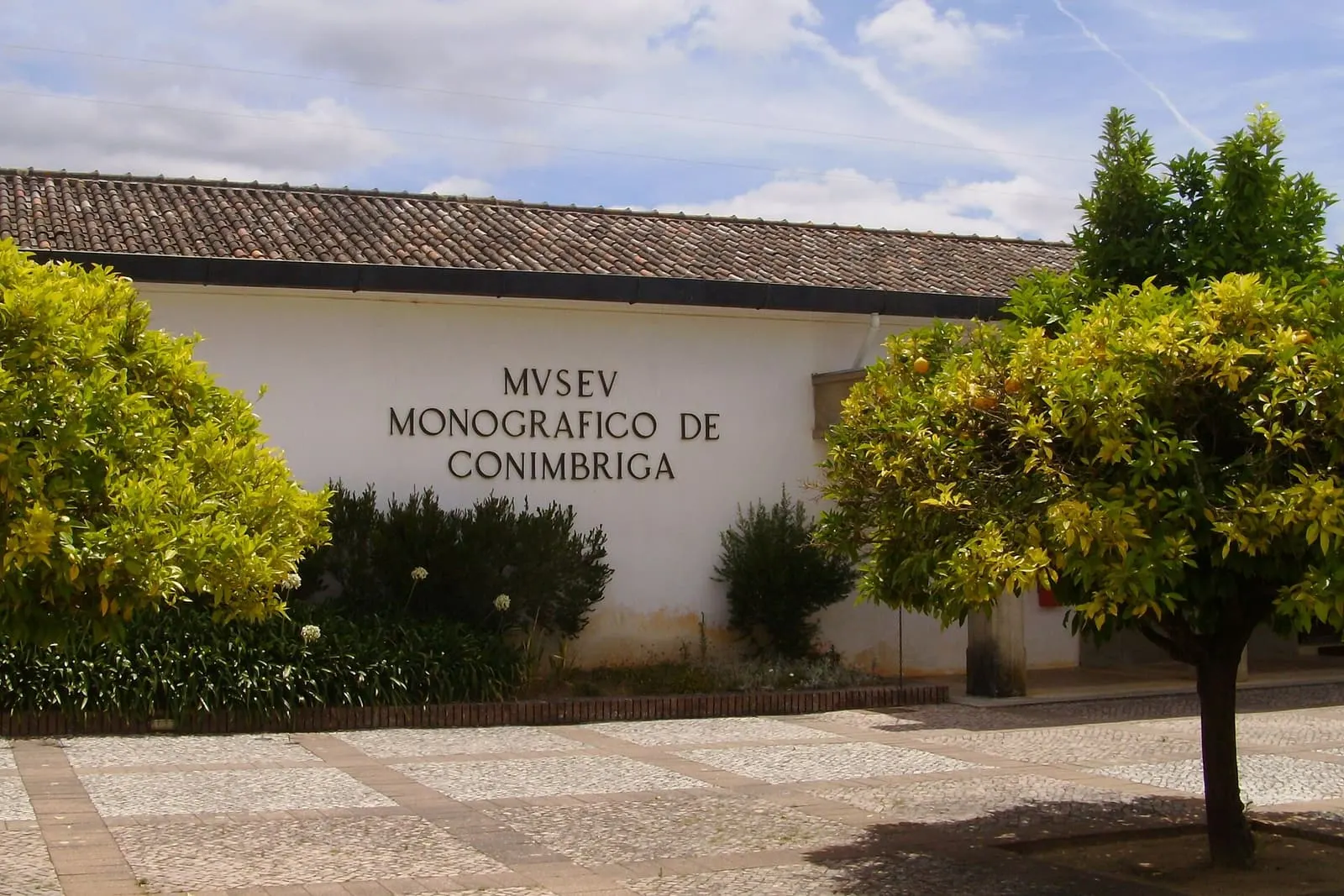
Forgotten for centuries, the town once again became the object of scholarly attention in 1873, with the work of the Instituto de Coimbra. Classified as a National Monument in 1910 and the subject of systematic campaigns since 1928, it is today managed together with its site museum. To explore the structures and excavated finds in more depth, see the pages dedicated to the Roman ruins of Conímbriga and the Museu Nacional de Conímbriga, an institution opened in 1962 and responsible for the conservation and study of the site.
Frequently asked questions
- Where is Conímbriga?
- Conímbriga lies in the parish of Condeixa-a-Velha, municipality of Condeixa-a-Nova, district of Coimbra, about 16 km south of the city of Coimbra.
- Why is Conímbriga so important to Portuguese archaeology?
- It is the largest Roman town excavated in Portugal and one of the best studied on the Iberian Peninsula, with a forum, baths, walls and aristocratic houses decorated with high-quality polychrome mosaics.
- When did excavations at Conímbriga begin?
- The first archaeological work dates from 1873, carried out by the Instituto de Coimbra, with systematic campaigns advancing from 1928 onwards. The site was classified as a National Monument in 1910.
Sources
Keep exploring
Heritage nearby
More places to discover from here. Approximate straight-line distances, within 50 km.