Resources
National Coach Museum
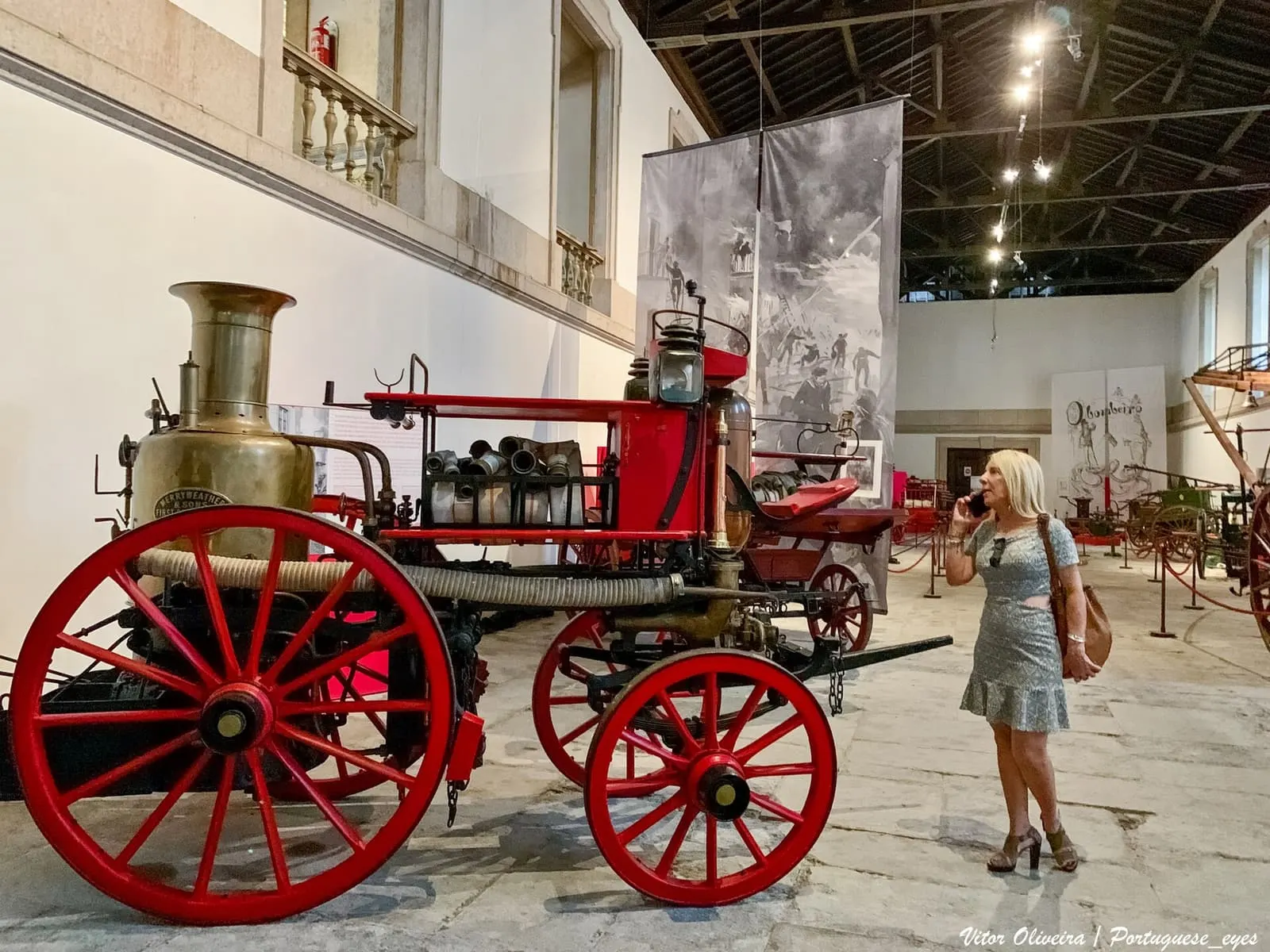
The National Coach Museum in Belém, Lisbon, houses the world's most remarkable collection of royal ceremonial vehicles from the Portuguese Royal Household…
- Location
- Lisboa, Lisboa
- Built
- 1905
The National Coach Museum in Belém safeguards what is considered the world’s most remarkable collection of ceremonial vehicles. It brings together coaches, berlins, chaises, litters, and ceremonial carriages from the 16th to the 19th centuries, mostly originating from the stables of the Portuguese Royal Household and other European noble and ecclesiastical houses. It is simultaneously one of Portugal’s most visited museums and an exceptional document on the history of transportation, decorative arts, and the representation of power.
Royal Origins and the Belém Riding Hall
The museum was founded in 1905 through the initiative of Queen D. Amélia of Orléans and Bragança, who, attentive to the heritage value of the royal vehicles then dispersed and at risk, decided to gather, preserve, and open them to the public. The “Museum of Royal Coaches” was inaugurated on May 23, 1905, in the hall of the former Royal Riding Hall, a neoclassical space built in the late 18th century near the Belém Palace. The choice of location was not accidental: the riding hall was linked to the equestrian tradition of the court, a theme that remains alive in Portuguese culture, as documented in the history of equestrian art in Portugal.
It was the first museum in the world entirely dedicated to coaches—a pioneering decision that transformed ceremonial objects into museological testimonies.
The installation in the former riding hall involved the adaptation of the space by architects and artists of the time, who endowed it with pictorial decoration befitting the solemn character of the collection. For over a century, this vaulted interior was the museum’s hallmark.
The New Building of 2015
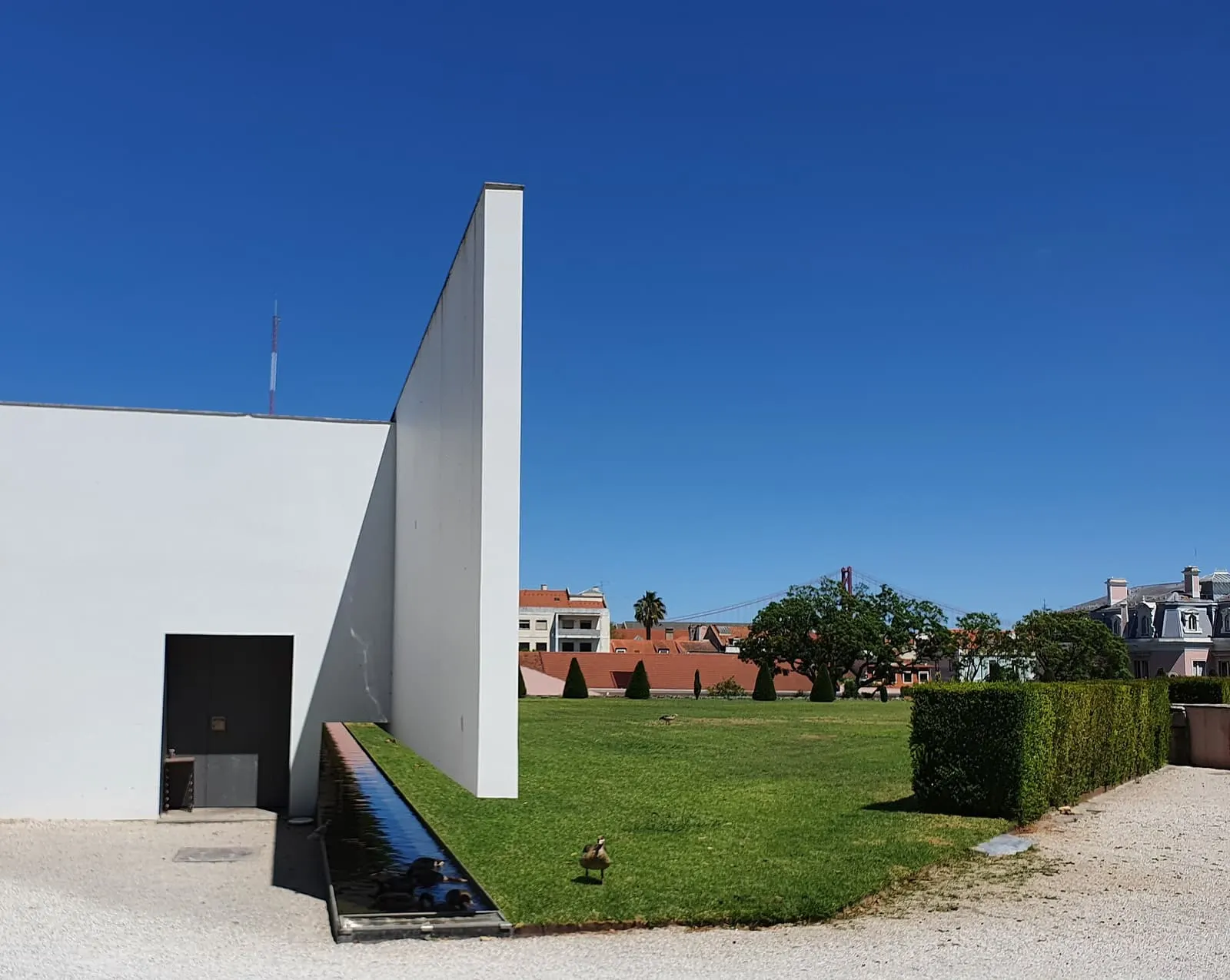
The growth of the collection and conservation requirements made the riding hall insufficient. In 2015, the museum moved to a new building on Avenida da Índia, designed by the Brazilian architect Paulo Mendes da Rocha (Pritzker Prize winner in 2006), in partnership with Ricardo Bak Gordon and engineer Rui Furtado. The new headquarters, with exposed concrete and suspended on pilotis, offers a vast continuous gallery that allows visitors to observe the vehicles up close under controlled environmental conditions. The former Royal Riding Hall remains as the museum’s core, preserving the memory of its foundation.
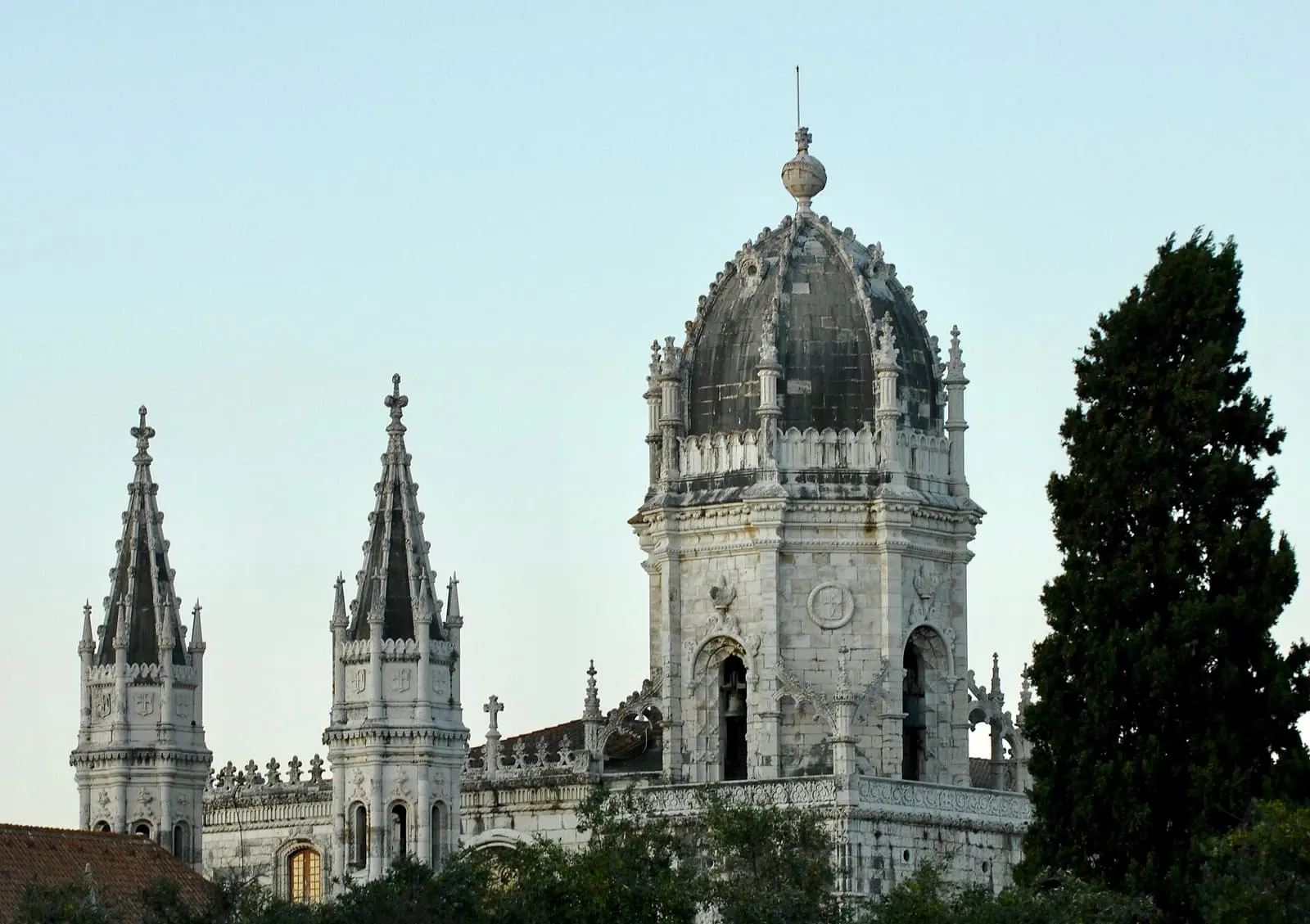
The building’s relationship with the riverside integrates it into the remarkable monumental ensemble of Belém, just steps away from the Jerónimos Monastery and the Belém Tower, both classified as World Heritage sites.
Significance and Institutional Role
The collection, comprising around 9,000 objects, includes vehicles of extraordinary artistic quality, among them the famous Baroque coaches of King João V’s embassy to Rome—true golden sculptures on wheels. Alongside the carriages, the collection includes harnesses, uniforms, court musical instruments, and portraits, forming a set that documents European royal ceremonial.
As an institution overseen by the state, the museum is part of the national museums of Portugal network and holds a central place in the history of Portuguese heritage musealization, a topic explored in the history of heritage institutions. Its creation in 1905 anticipated, by several decades, many public policies for safeguarding movable heritage, making the National Coach Museum a foundational milestone of museology in Portugal.
Frequently asked questions
- Who founded the National Coach Museum?
- The museum was established through the initiative of Queen D. Amélia of Orléans and Bragança, who gathered the royal ceremonial vehicles to safeguard them and open them to the public. It was inaugurated on May 23, 1905, in the former Royal Riding Hall of Belém.
- Where is the National Coach Museum located?
- It is situated in Belém, Lisbon. Since 2015, it has occupied a new building on Avenida da Índia, next to the former Royal Riding Hall, which remains part of the museum's itinerary.
- What can be seen in the museum?
- A unique collection in the world, with around 9,000 objects, primarily coaches, berlins, chaises, and ceremonial litters from the 16th to the 19th centuries, as well as harnesses, uniforms, and cavalry accessories.
Sources
Keep exploring
Heritage nearby
More places to discover from here. Approximate straight-line distances, within 50 km.
Resources for research
Find the sources. Follow the story.
Guides to researching buildings, exploring museum collections and understanding heritage protection.
SIPA
Get to know the architectural inventory, building records and documentary archive.
Read the guideMuseum collectionsMatrizNet
Explore the museum catalogue and records of works, materials, authorship and provenance.
Read the guideHeritage protectionHeritage classification
Understand cultural property categories and the levels of national, public and municipal interest.
Read the guide