Typologies
Town Halls and Municipal Buildings
Town halls and municipal buildings in Portugal: typology, history, and architecture of municipal power seats, from medieval council houses to 19th-century chambers.
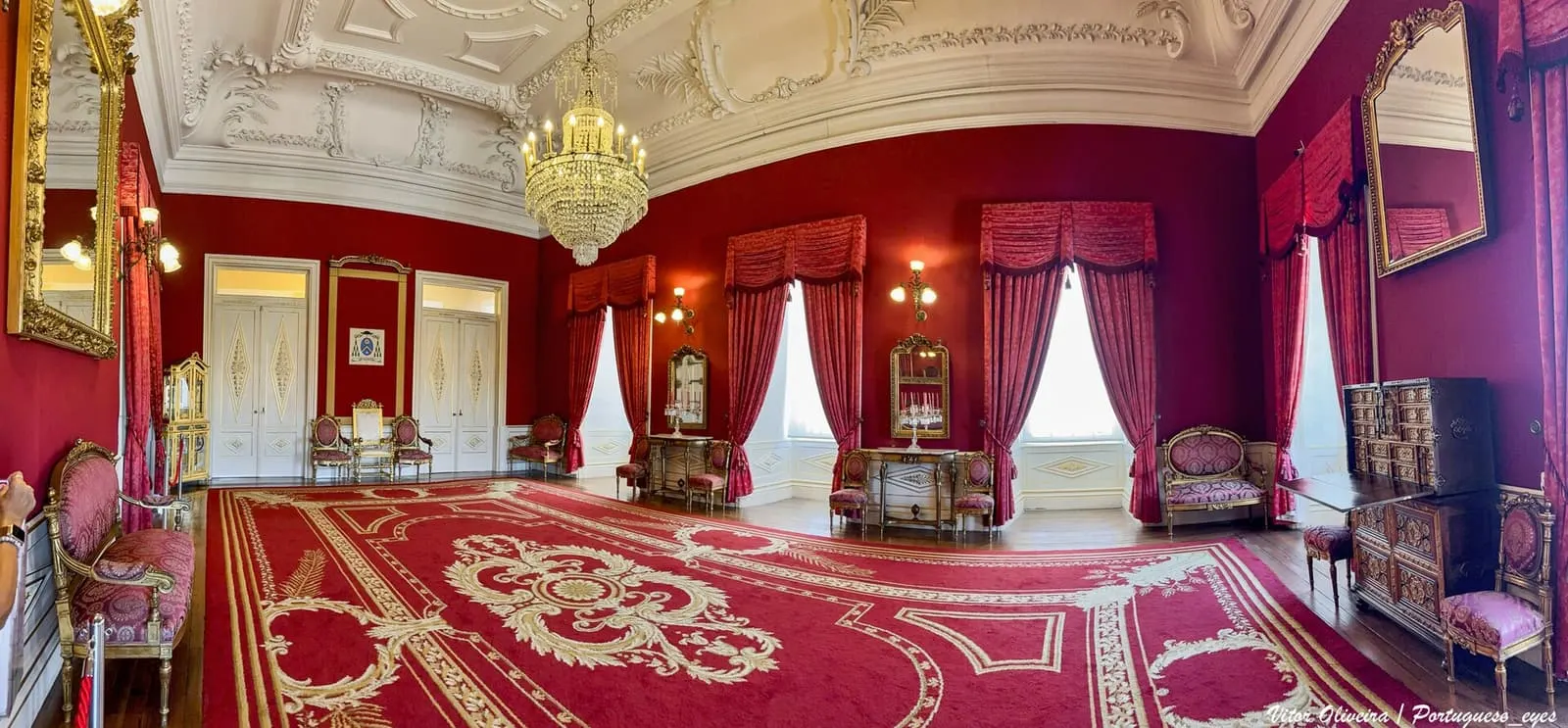
Town halls — the traditional designation for buildings housing the local administration of each municipality — constitute one of the most expressive typologies of Portuguese civil architecture. They house the municipal chamber as a collegiate executive body, and the building may also accommodate other municipal services and organs. More than mere administrative spaces, town halls are places of symbolic assertion of municipal power, often located in the civic center of the settlement, near the main square and, in many cases, adjacent to the pillory, the old symbol of municipal autonomy.
From the council house to the town hall
Until the 19th century, the preferred designation was council house. The term reflects a modest reality: most municipal seats occupied small buildings, not true town halls. The term town hall was thus reserved for more important cities, endowed with more imposing constructions. The most famous medieval example is the Domus Municipalis of Bragança, with its pentagonal plan inscribed in Romanesque architecture, featuring round arches and a cornice on decorated corbels. Its dating has divided scholars, ranging from the late 12th century to the 14th century; the very name “Domus Municipalis” only became widespread in the late 19th century.
The medieval council house was not just a space of governance: the upper floor served as a meeting place for the “good men” of the municipality, embodying in stone the idea of communal deliberation.
Throughout the Early Modern period, a recurring typology became established. The building was typically articulated in two floors: at ground level, an open gallery or arcade, which could house a market, prison, and jail; on the noble floor, the council chamber and the balcony from which edicts and sentences were proclaimed. The clock or bell tower, marking public time, and the municipal coat of arms on the facade completed the symbolic language of this program.
From austere simplicity to 19th-century monumentality
In the 16th and 17th centuries, many town halls adopted the sobriety of plain architecture, with restrained lines and sparse ornamentation, in line with the dominant aesthetic. The elevation of settlements to city status often triggered construction campaigns: in Aveiro, following its promotion to city in 1759, the municipal building was erected from the old jail, completed in the late 18th century.
The 19th century brought a decisive shift. With liberalism and administrative reorganization, municipal buildings gained monumental ambition, drawing on the grammars of neoclassicism and historicisms. The Lisbon Town Hall, rebuilt between 1865 and 1880 according to Domingos Parente da Silva’s design, displays a neoclassical facade with a colonnade and sculpted pediment, close to the language of grand urban palaces. Meanwhile, the Porto Town Hall, begun in 1920 from Correia da Silva’s design, drew inspiration from the communal palaces of northern France and Flanders, culminating in an imposing tower dominating Avenida dos Aliados.
A typology in constant reconversion
Until the early 20th century, town halls concentrated almost all public services of the municipality — administration, court, civil registry, jail, and tax office. The progressive autonomy of these functions stripped the building of many of its historical roles, fixing it primarily as the seat of the municipal executive. This long lifespan explains why so many town halls result from successive repurposing — former convents, manor houses, or jails adapted to new functions — making each building a palimpsest of local history. As a heritage category, it integrates the set of built heritage typologies that structure the reading of Portuguese architecture, and many examples are now classified as monuments of public or national interest.
Frequently asked questions
- What are town halls?
- They are the buildings housing the local administration of a municipality, accommodating the municipal chamber as the executive body. Traditionally, they also hosted other public services of the municipality.
- What is the oldest municipal building in Portugal?
- The Domus Municipalis of Bragança, with its pentagonal plan and Romanesque architecture, is often cited as the oldest known example of a medieval council house in Portugal, classified as a National Monument.
- What is the difference between a council house and a town hall?
- Until the 19th century, the term 'council house' was predominantly used, as most municipal seats occupied modest buildings. The expression 'town hall' was reserved for cities endowed with more monumental constructions.