Places
Penela
Penela, a town in the Coimbra district with a medieval castle from the Mondego defensive line and the historic village and Roman villa of Rabaçal.
- Location
- Penela, Coimbra
Penela is a town and municipal seat in the Coimbra district, in the Centro region of Portugal, located on the northern flank of the Serra de Sicó, about thirty kilometers south of the city of Coimbra. The municipality, covering just over one hundred and thirty square kilometers with a few thousand inhabitants, encompasses a landscape of limestone, steep valleys, and scattered villages, where medieval heritage and Roman legacy overlap in a rare manner.
The town and its castle
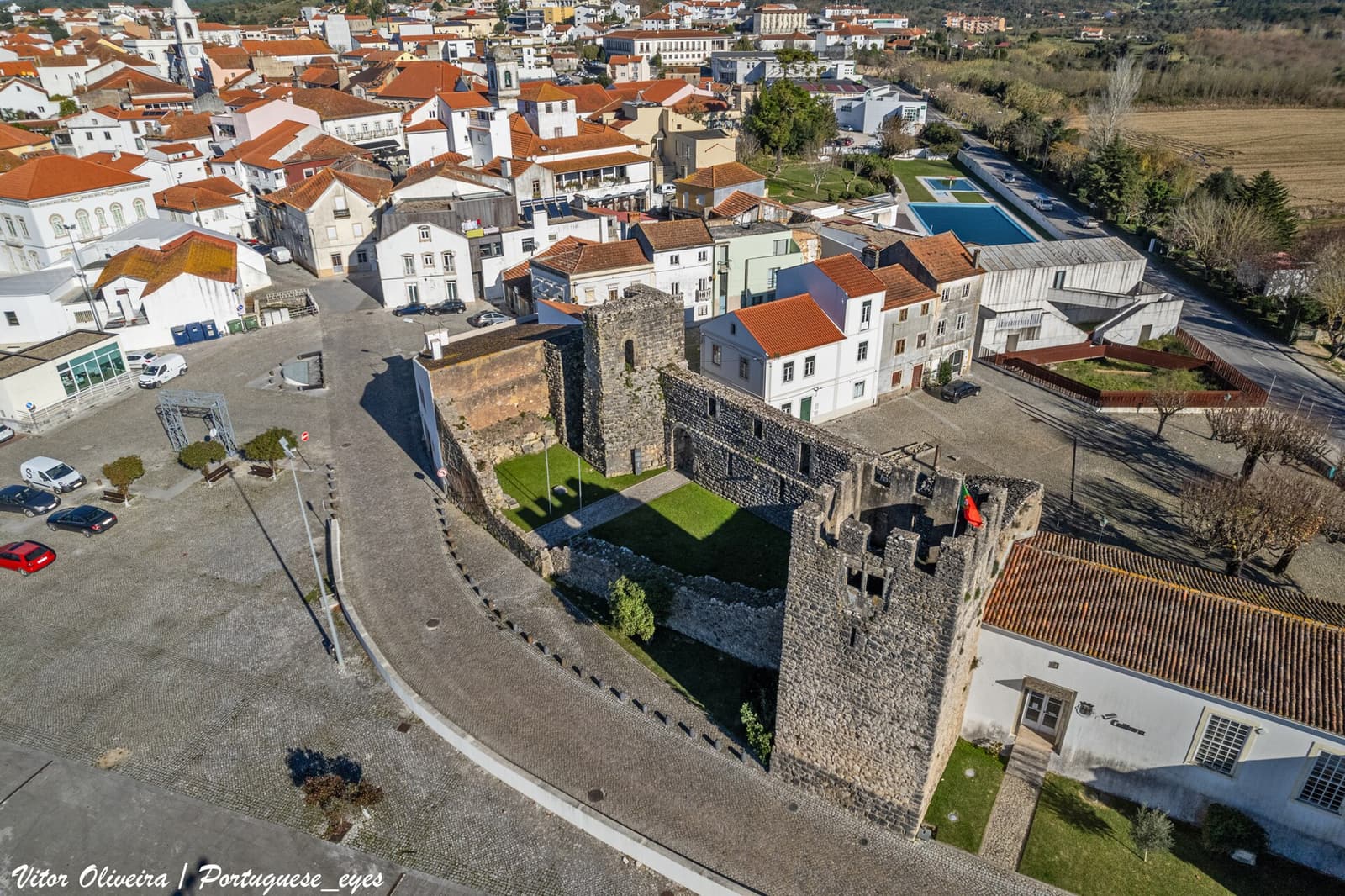
The profile of Penela is dominated by its castle, perched on a rocky spur above the white houses. The oldest material evidence dates back to the 11th century: D. Sesnando Davides, a Mozarab who governed Coimbra after its reconquest in 1064, stated in his 1087 will that he had settled the lands of Penela. The fortress gained decisive strategic importance in the following century, becoming part of the so-called Afonsine Mondego defensive line—a system of strongholds protecting the southern border of the nascent kingdom.
D. Afonso Henriques granted a charter to Penela in 1137, sanctioning the town as a population hub and military stronghold. Later campaigns under D. Sancho I and D. Dinis reinforced the walls and erected the keep; in the 15th century, the lordship of D. Pedro, Duke of Coimbra, left palatial and religious marks within the enclosure. The complex, classified as a National Monument in 1910, combines Romanesque, Gothic, and Manueline elements.
More than an isolated wall, Penela should be read as part of a network: its defense only makes sense in dialogue with the neighboring fortresses of Sicó, which collectively guarded the routes to Coimbra.
Penela’s border function was linked to other strongholds of the same line, including the Castle of Soure, also entrusted to military orders to guard the territory south of the Mondego.
Rabaçal and the Roman legacy
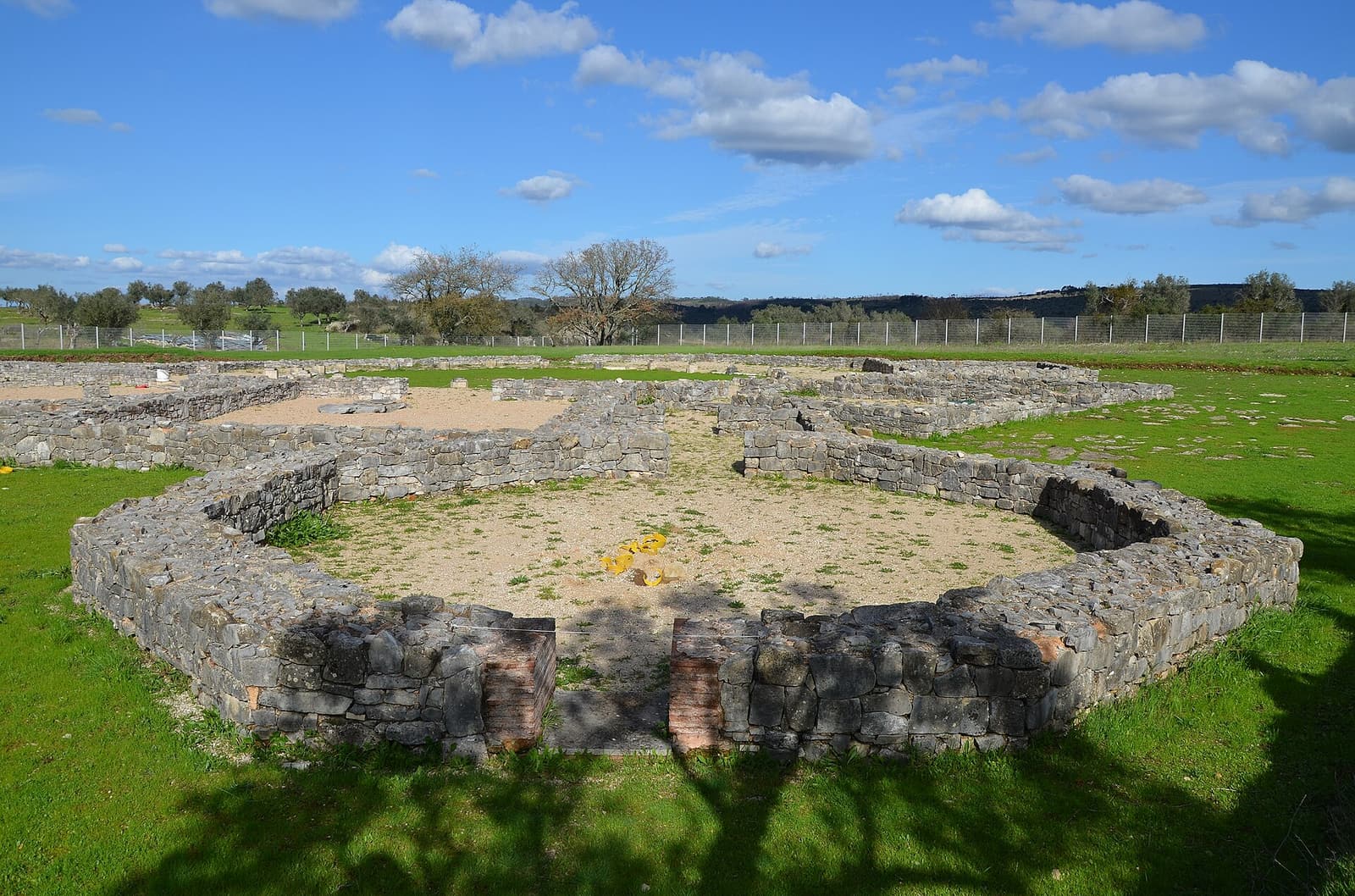
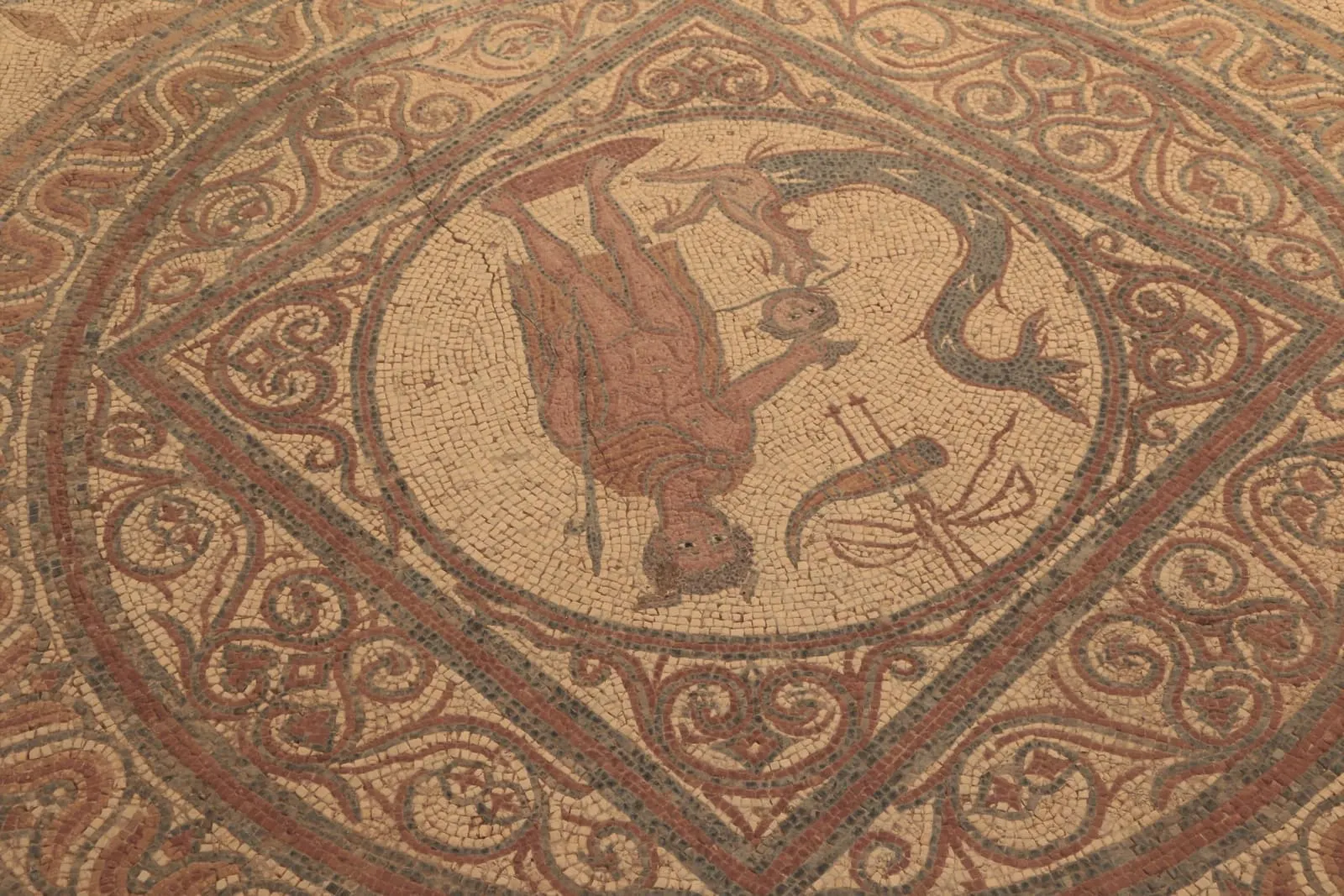
Long before the castle, the territory of Penela was deeply marked by Roman presence. In the parish of Rabaçal, about twelve kilometers south of Conímbriga, a villa of remarkable wealth was built in the 4th century, integrated into the territory of the Conimbriga civitas and close to the major road linking Olisipo to Bracara Augusta. Continuously excavated since 1984, it revealed a manor house organized around an unusual octagonal peristyle, with radially arranged rooms and floors adorned with figurative mosaics—depicting seasons, a quadriga, and vegetal compositions—without direct parallels elsewhere in the country.
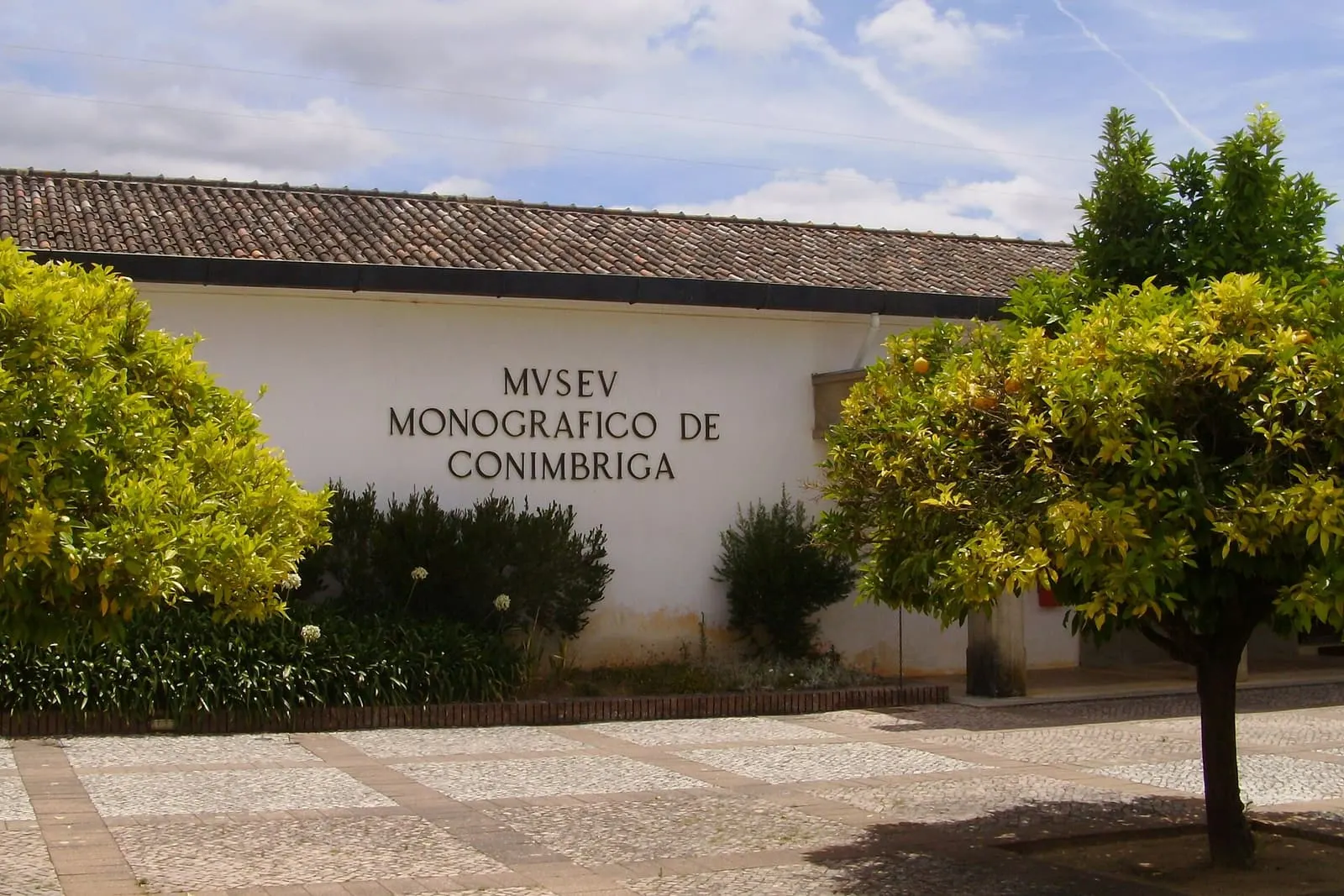
The proximity and dependence on the Roman ruins of Conímbriga make Rabaçal a precious document for understanding rural occupation in late Roman Lusitania. The villa is now museumified, with an interpretive center in the village that contextualizes the findings and the agricultural life that sustained this household.
Heritage and landscape
Beyond the castle and Rabaçal, the municipality preserves the Church of Santa Eufémia, the Church of Misericórdia, medieval and Manueline pillories, and remnants of a second castle, Germanelo, an outpost of the same defensive line. The Serra de Sicó, with its caves, sinkholes, and hiking trails, frames the town within a karst landscape of strong identity, where traditional shepherding and pottery have persisted for centuries.
Penela thus stands at a symbolic midpoint between the capital of the ancient county and the heart of Beira: those traveling the axis from Coimbra will find here an eloquent synthesis of the long historical duration of the Centro region, from the Roman mosaic to the Romanesque stone.
Frequently asked questions
- Where is Penela located?
- Penela is a town and municipal seat in the Coimbra district, in the Centro region, situated about 30 km south of the city of Coimbra, on the northern flank of the Serra de Sicó.
- Who founded the Castle of Penela?
- The settlement was consolidated by D. Sesnando Davides, governor of Coimbra, in the late 11th century; the castle later became part of the Afonsine Mondego defensive line in the 12th century.
- What is the Roman Villa of Rabaçal?
- It is a luxurious 4th-century Roman manor house in the territory of the civitas of Conímbriga, renowned for its figurative mosaics and octagonal peristyle, now museumified.
Sources
Keep exploring
Heritage nearby
More places to discover from here. Approximate straight-line distances, within 50 km.