Intangible Heritage
Pilgrimage of Our Lady of Agony
The Pilgrimage of Our Lady of Agony in Viana do Castelo is the largest festival in Minho: traditional costumes, gold filigree, flower carpets, and a sea…
- Location
- Viana do Castelo, Viana do Castelo
The Pilgrimage of Our Lady of Agony, popularly known as “the Agony Festivities,” is the largest and most celebrated festival in Minho and one of the most impressive in the entire northwestern Iberian Peninsula. Held annually in August in Viana do Castelo, around the municipal holiday on the 20th, it combines religious devotion, ethnographic exuberance, and popular celebration in a single program.
Origin and Devotion
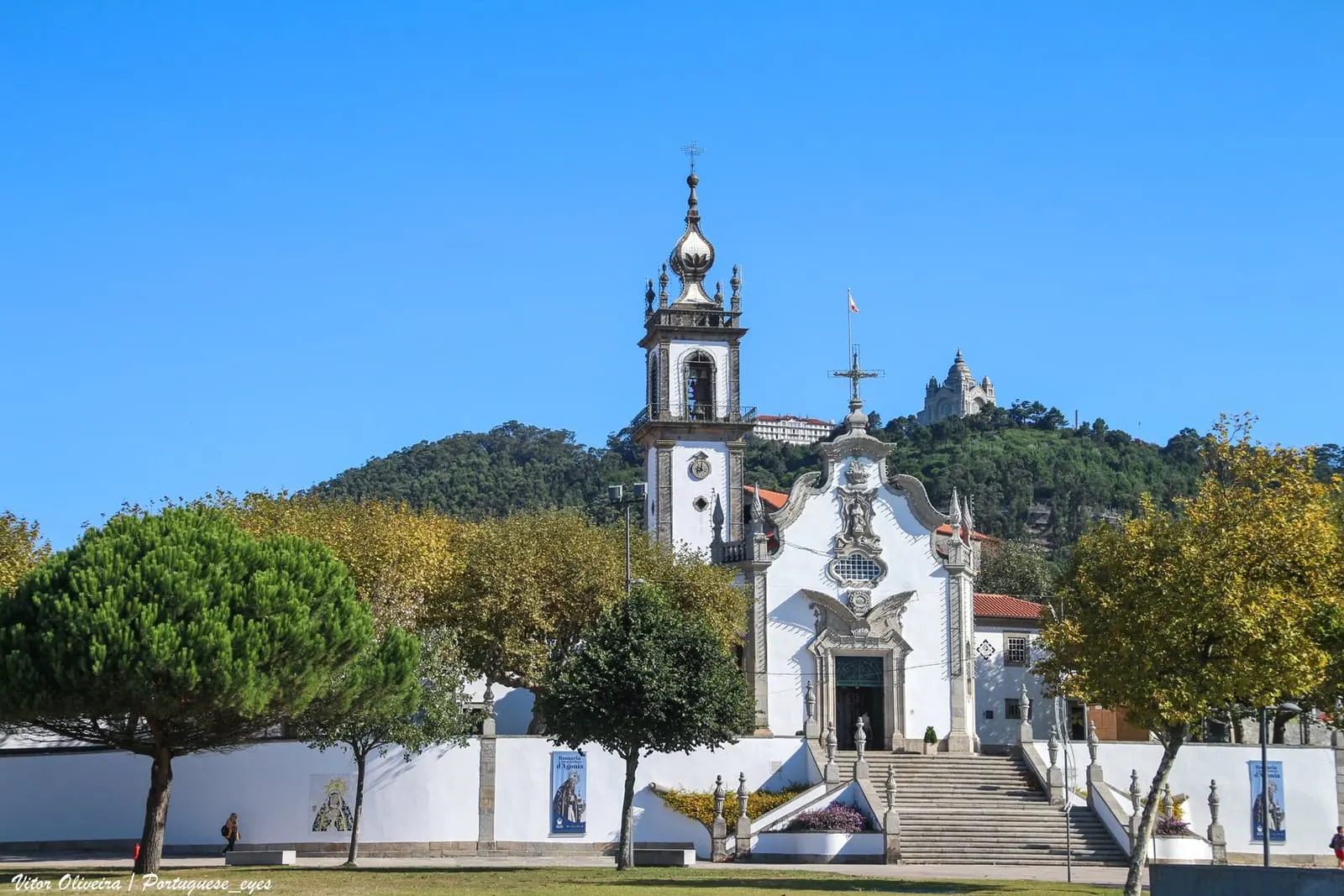
The devotion to Our Lady of Agony took root in Viana do Castelo in 1674 when the image of the Virgin was placed in the Chapel of Bom Jesus do Santo Sepulcro do Calvário, near the seafront. The devotion, nurtured by the coastal communities of Minho and Galicia, grew rapidly: the annual pilgrimage is believed to have begun around 1772, and in 1783, the Sacred Congregation of Rites authorized the solemn celebration on August 20, a date that has since anchored the festival calendar. The current sanctuary, with its Baroque design, twin-towered façade, and emblematic staircase, is the devotional heart of the pilgrimage.
Key Moments
The pilgrimage program features several processions and ceremonies that have become hallmarks of the city. The Sea Procession, first held in 1968, is perhaps the most moving: the image of Our Lady travels through the streets of Ribeira, lined with salt and flower carpets created by locals, before sailing on the waters of the Lima River accompanied by dozens of decorated fishing boats.
The Ethnographic Parade and Costume Festival showcase the richness of Minho’s regional attire—bridal, ‘mordoma,’ and ‘lavradeira’ costumes—displaying chest pieces adorned with gold filigree. This goldsmithing, ranging from the Viana heart to chains and queen-style earrings, extends the tradition of Portuguese filigree, an art form that reaches its festive pinnacle here.
Few places in Europe transform folk costume into such a symbol of collective pride: the gold worn by the ‘mordomas’ is not mere adornment but family heritage passed down through generations.
Nightfall brings fireworks over the Lima, concertina competitions, improvised singing duels, fairgrounds, and parades of giant figures and big-heads, all moving through the streets to the sound of philharmonic bands.
Significance and Recognition
The Agony Pilgrimage encapsulates the most distinctive traits of Minho’s identity: maritime religiosity, regional costumes, goldsmithing, folk music, and street decorations. In 2013, it was declared of Public Interest for tourism, highlighting its cultural and economic importance to the region.
It thus belongs to the vast universe of shrines and pilgrimage sites that shape Portuguese popular religiosity and stands among the most expressive manifestations of Portugal’s intangible cultural heritage. Alongside other major northern festivals like Porto’s São João celebrations, the Agony demonstrates how pilgrimages remain, even in the 21st century, a powerful instrument of community cohesion and regional tradition.
Frequently asked questions
- When does the Pilgrimage of Our Lady of Agony take place?
- It is held annually in August in Viana do Castelo, around the 20th, a municipal holiday. The festivities span several days and include religious, ethnographic, and popular celebrations.
- What is the Sea Procession?
- One of the pilgrimage's most striking moments, first held in 1968. The image of Our Lady of Agony travels through the streets of Ribeira, decorated with salt and flower carpets, before sailing on the Lima River accompanied by dozens of boats.
- Why is the gold of the Agony Pilgrimage famous?
- During the Ethnographic Parade and Costume Festival, the 'mordomas' and 'lavradeiras' wear chest pieces covered in gold filigree—hearts, queen-style earrings, and chains—a legacy of Minho's traditional goldsmithing.