Places
Viana do Castelo
Heritage of Viana do Castelo, a Renaissance city in Minho at the mouth of the Lima River, featuring Praça da República, the Cathedral, and the Santa Luzia Sanctuary.
- Location
- Viana do Castelo, Viana do Castelo
- Built
- 1258
- Style
- Renascentista
Perched on the right bank of the Lima River estuary, between the Atlantic and Santa Luzia Hill, Viana do Castelo is one of the most elegant cities in Minho. Its character blends the memory of a prosperous trading port, the wealth of the Renaissance and Baroque periods, and the vibrancy of folk traditions, making it one of the most recognizable faces of Northern Portugal.
From foundation to maritime zenith
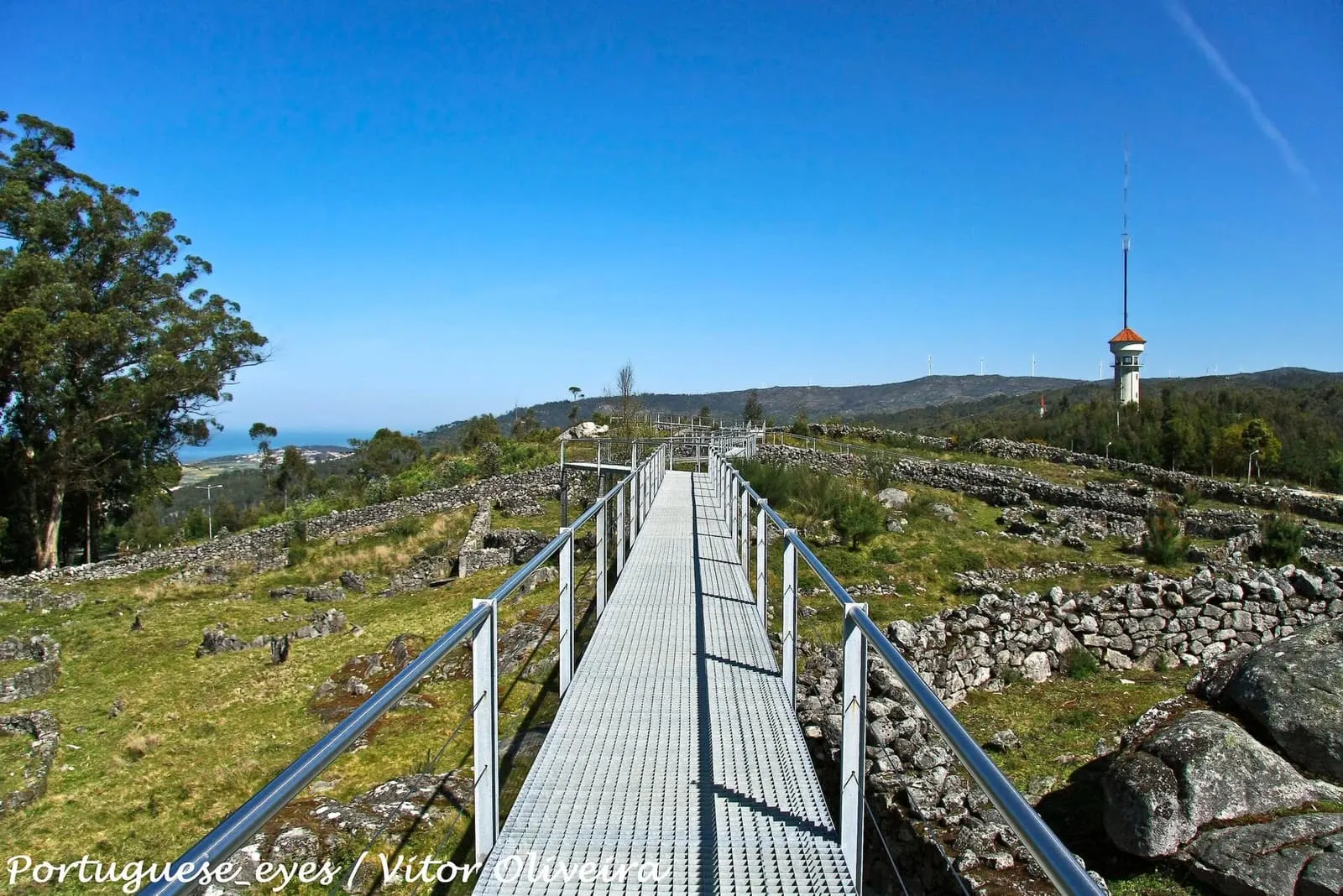
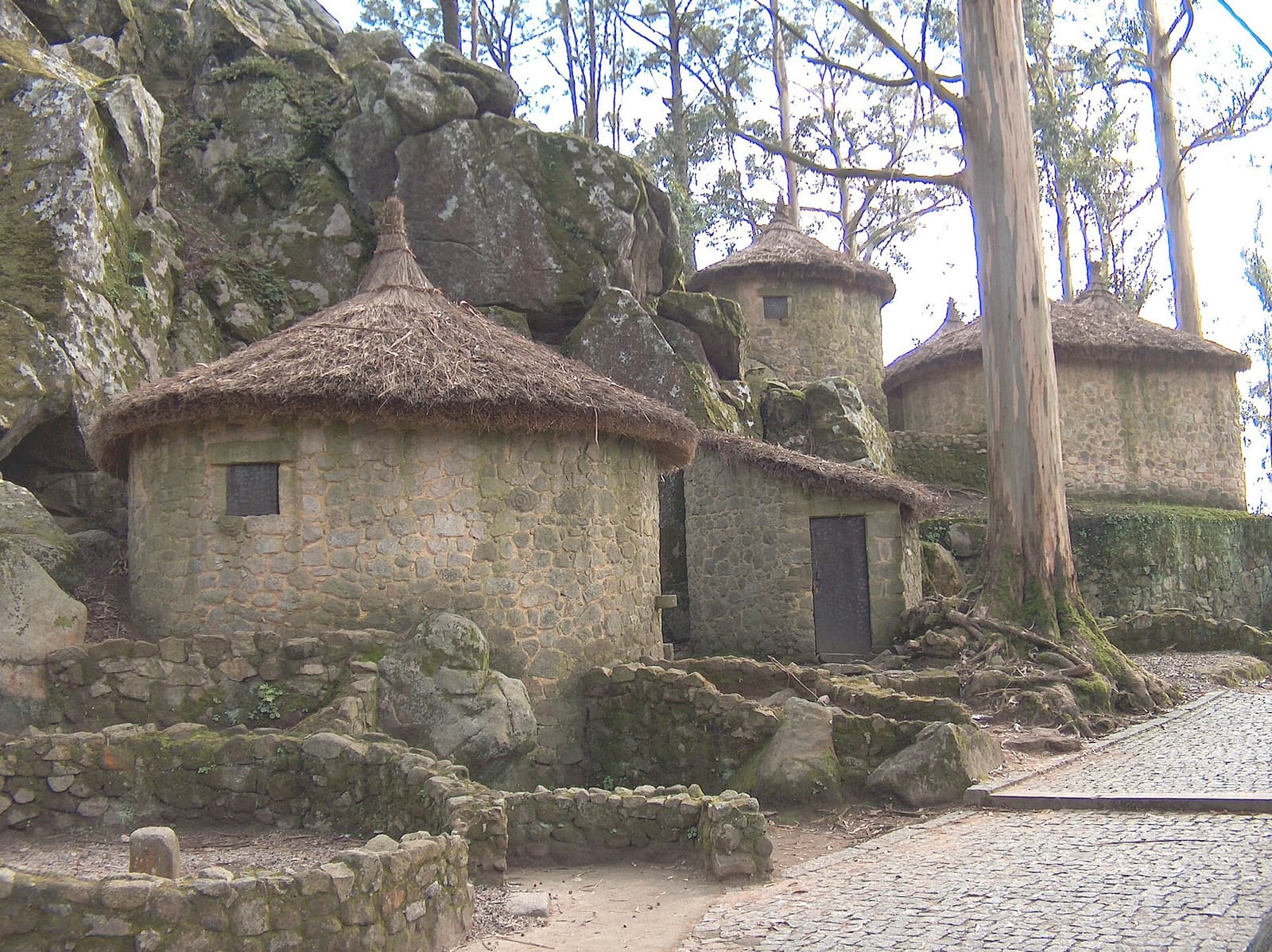
Human occupation of the area is ancient: the hilltop overlooking the city preserves the remains of the Santa Luzia Hillfort, an Iron Age fortified settlement reoccupied in Roman times. The medieval town, however, emerged from the charter granted by King Afonso III in 1258 to Viana da Foz do Lima, a document that immediately reveals the maritime vocation of the land and its people.
This vocation defined its golden age. Between the 15th and 17th centuries, Viana established itself as one of the kingdom’s major ports, exporting wine, fruit, and salt to Northern Europe and participating in Atlantic expansion. The wealth accumulated by merchants led to a remarkable urban renewal in Renaissance style, with palaces, churches, and fountains that still structure the historic center today.
Few Portuguese cities preserve such a legible 16th-century urban fabric: in Viana, Renaissance architecture is not an isolated episode but the language of an entire square.
Praça da República and the historic center
The heart of the city is Praça da República, a rare harmonious ensemble featuring three landmarks from the 16th century. The Renaissance fountain, completed in 1554 to designs by João Lopes, the Elder, rises in stacked basins crowned by the armillary sphere and the Cross of Christ. At its far end stand the old Town Hall, with its gallery of pointed arches, and the Manueline-Renaissance facade of the Misericórdia building, attributed to João Lopes, the Younger.
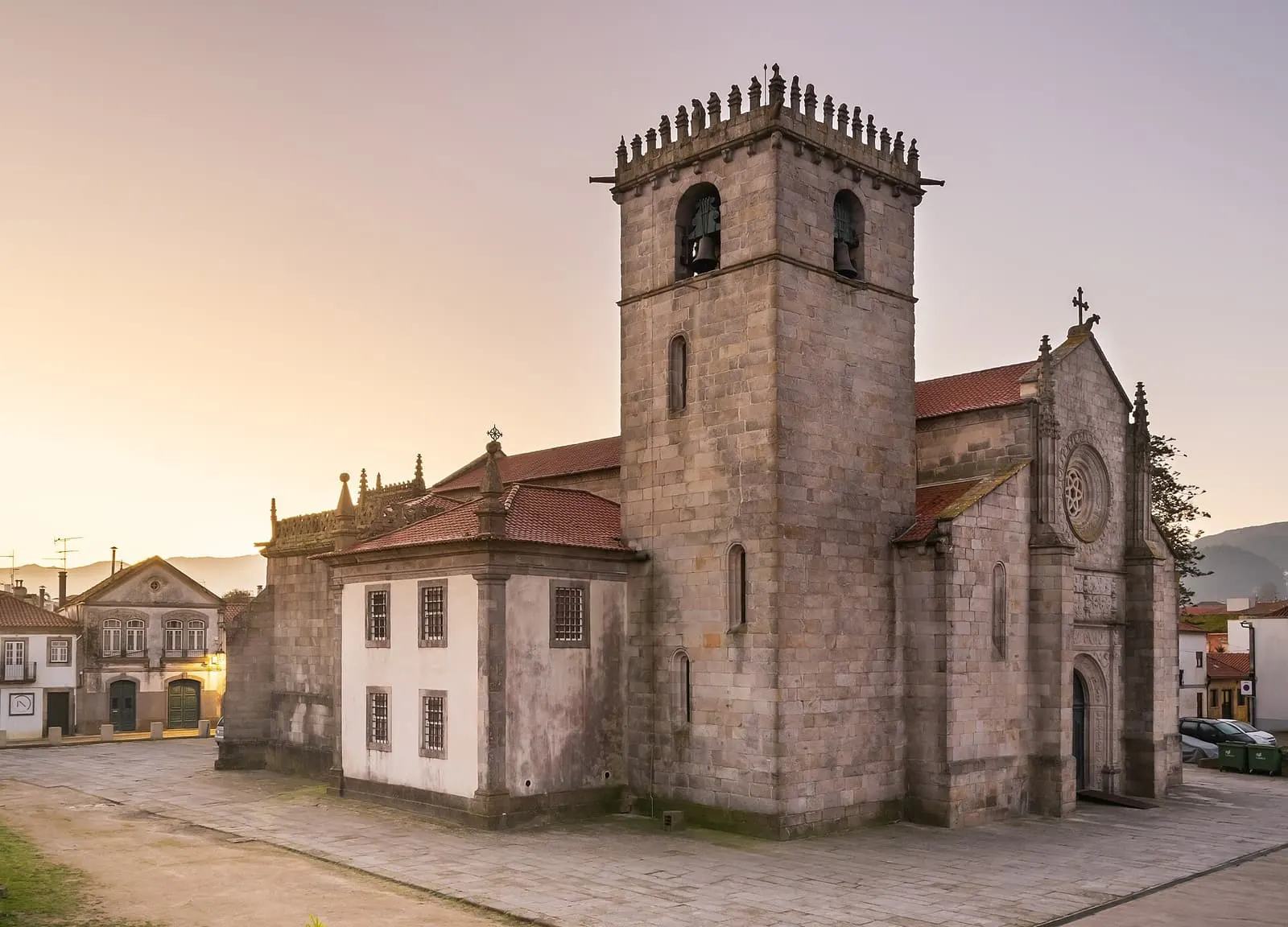
Surrounding it unfolds a network of streets where heraldic houses survive, along with the Cathedral—originally a 15th-century parish church elevated to cathedral status in 1977—and numerous manor houses. The omnipresent granite stone links Viana to other granite houses of Minho, though here it gains an ornamental refinement characteristic of merchant elites.
Santa Luzia, a viewpoint over the Atlantic
Crowning the city stands the Sanctuary of the Sacred Heart of Jesus, popularly known as Santa Luzia, its most famous landmark. Designed by Miguel Ventura Terra from 1899 onwards, the temple is a major example of Portuguese revivalism: a centralized Greek cross plan, exposed granite, and a synthesis of Neo-Romanesque and Neo-Byzantine models evoking Paris’s Sacré-Cœur. Construction began in 1904, spanned decades with interruptions, and was only completed by the mid-20th century. From its dome unfolds one of the most extensive panoramas of the Portuguese Atlantic coast.
Festivals, costume, and identity
Viana is also the symbolic capital of Minho folklore. The city comes alive annually with the Romaria de Nossa Senhora da Agonia in August, featuring processions of women in regional dress, filigree gold, and floral carpets. This festive identity, tied to devotion and the sea, makes Viana a privileged stop for those exploring Minho, from Ponte de Lima to the river mouth, among vineyards, houses, and estuary.
Frequently asked questions
- When did Viana do Castelo receive its charter?
- The settlement of Viana da Foz do Lima was granted a charter by King Afonso III in 1258. It was only elevated to city status on 20 January 1848, when it officially became known as Viana do Castelo.
- What is the architectural style of the Santa Luzia Sanctuary?
- The Sanctuary of the Sacred Heart of Jesus, on Santa Luzia Hill, is a revivalist granite temple blending Neo-Romanesque and Neo-Byzantine styles, designed by Miguel Ventura Terra from 1899 onwards.
- What stands out in Praça da República?
- The square features the Renaissance fountain (1554), the Old Town Hall, and the Misericórdia building, forming one of the most cohesive 16th-century urban ensembles in Northern Portugal.
Sources
Keep exploring
Heritage nearby
More places to discover from here. Approximate straight-line distances, within 50 km.