Places
Buçaco Forest and Palace
The Buçaco National Forest in Luso (Mealhada) combines Carmelite woodland, a convent, and a neo-Manueline palace - a romantic jewel in central Portugal.
- Location
- Luso (Mealhada), Aveiro
- Built
- 1628–1907
- Style
- Neomanuelino
The Buçaco National Forest is one of the most unique heritage sites in Portugal: a 105-hectare walled enclosure in the Buçaco Mountain Range, Luso, Mealhada municipality, where a historic forest of European dendrological value intertwines with Carmelite convent ruins and an exceptional romantic palace. Classified as a National Monument in 2018, the forest is simultaneously a natural site and cultural construct - a landscape entirely shaped by human hands over four centuries.
The Carmelites’ Forest
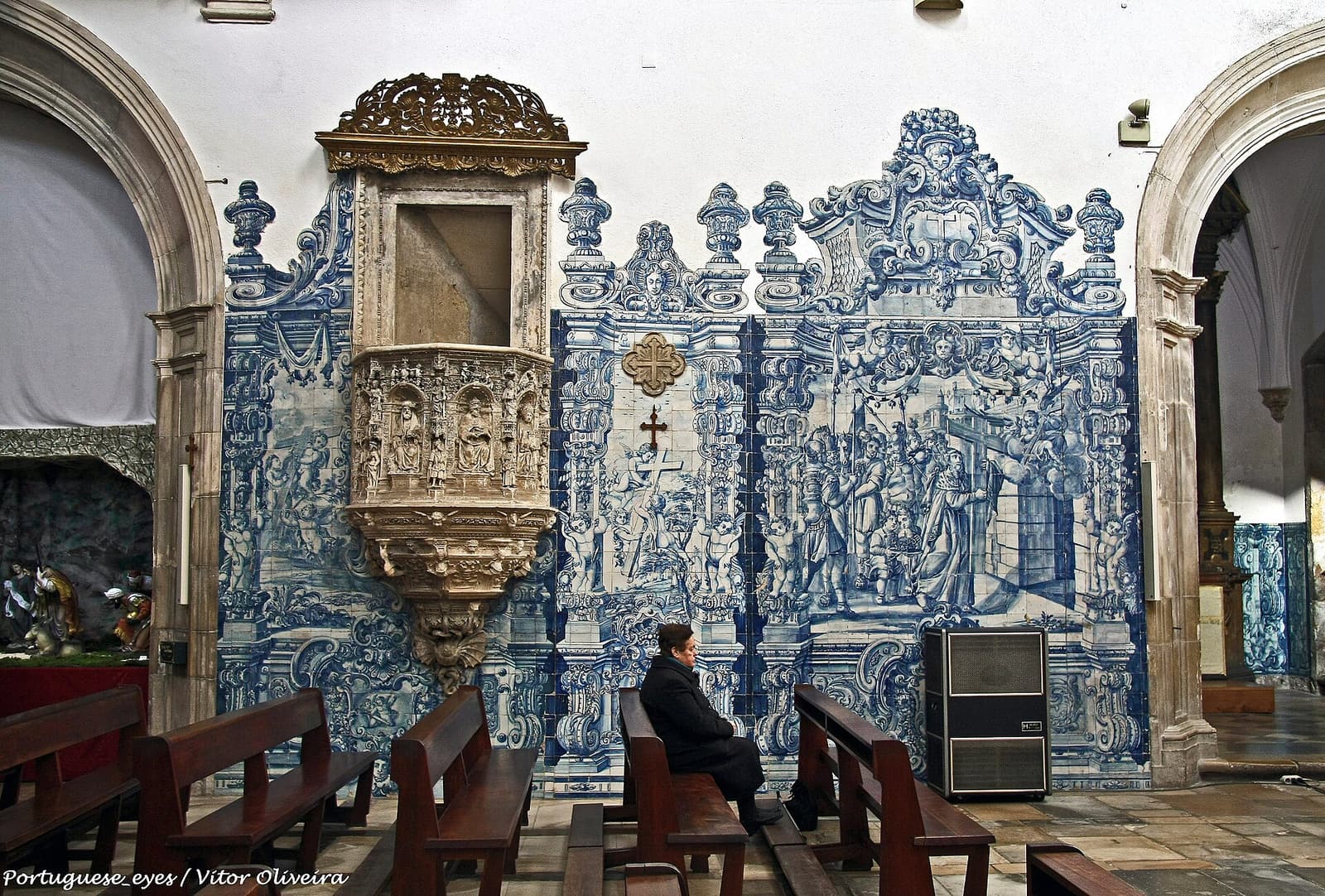
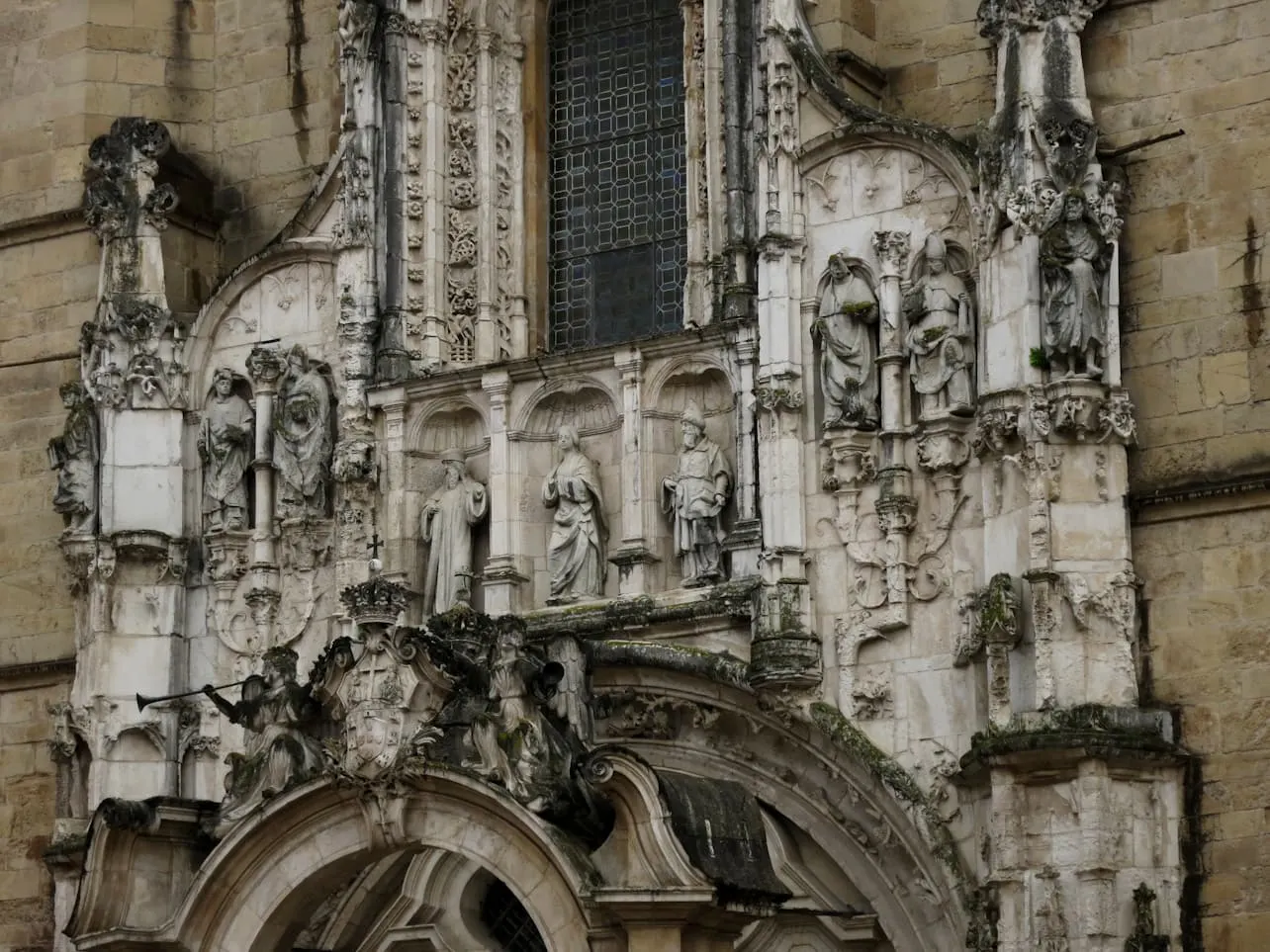
The forest’s origins trace back to the first quarter of the 17th century when Discalced Carmelites settled in the mountains and founded the Santa Cruz do Buçaco Convent in 1628. The friars enclosed the property with a wall that still defines its boundaries today and devoted themselves to a task extending beyond their cloister: the methodical planting of a contemplative forest. They brought species from various parts of the world, creating one of Europe’s most remarkable tree collections with over 250 cataloged species, including the famous Buçaco cedar. The papal bull protecting the trees, threatening excommunication for anyone who cut them down, remains one of the most curious episodes in its history.
Buçaco is rare for a paradoxical reason: it is a “natural” forest entirely designed by devotion and science - first monastic, then romantic.
The dissolution of religious orders in 1834 ended the conventual era. The convent emptied and part of its dependencies would be demolished decades later to make way for the palace.
The Neo-Manueline Palace
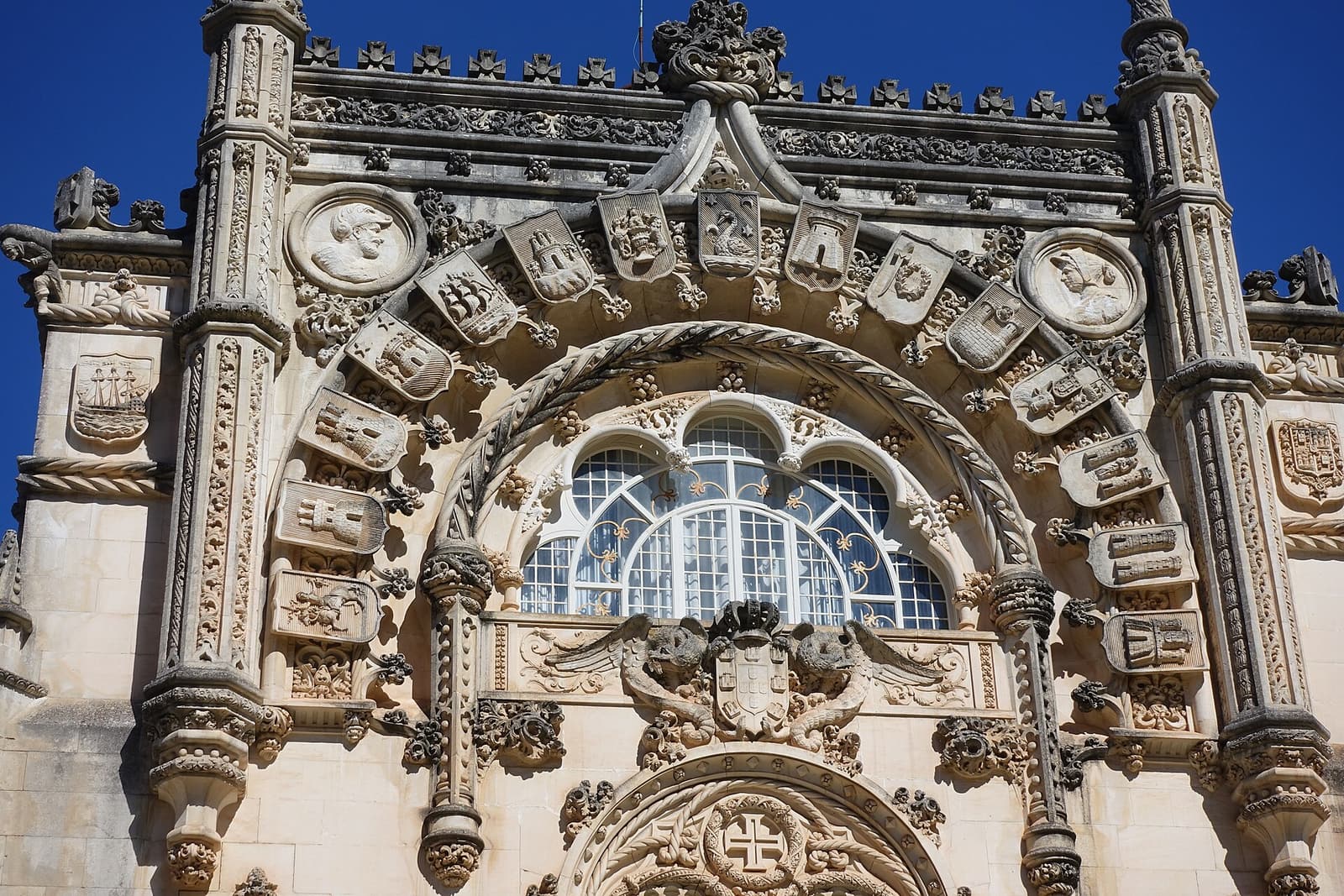
In 1888, construction began on the former convent grounds for a hunting pavilion and summer residence for the Royal House. The project was entrusted to Italian scenographer and architect Luigi Manini, who designed a building deliberately evocative of the Age of Discoveries. Completed in 1907 during King Carlos I’s reign, it stands as the pinnacle of neo-Manueline style in Portugal: towers, lace-like balconies, stone ropes, armillary spheres, and crosses of Christ in a historicist exercise that dialogues with 16th-century monuments without copying them.
Conceived just before the monarchy’s fall, the palace barely served its intended purpose. Converted into a hotel in 1917, it now embodies the visual culture of 19th-century Romanticism and revivalisms and stands as one of central Portugal’s most visited landmarks. The forest-palace ensemble has been on the UNESCO Tentative List since 2004 as “Carmelite Desert and Buçaco”.
Military Memory and Gardens
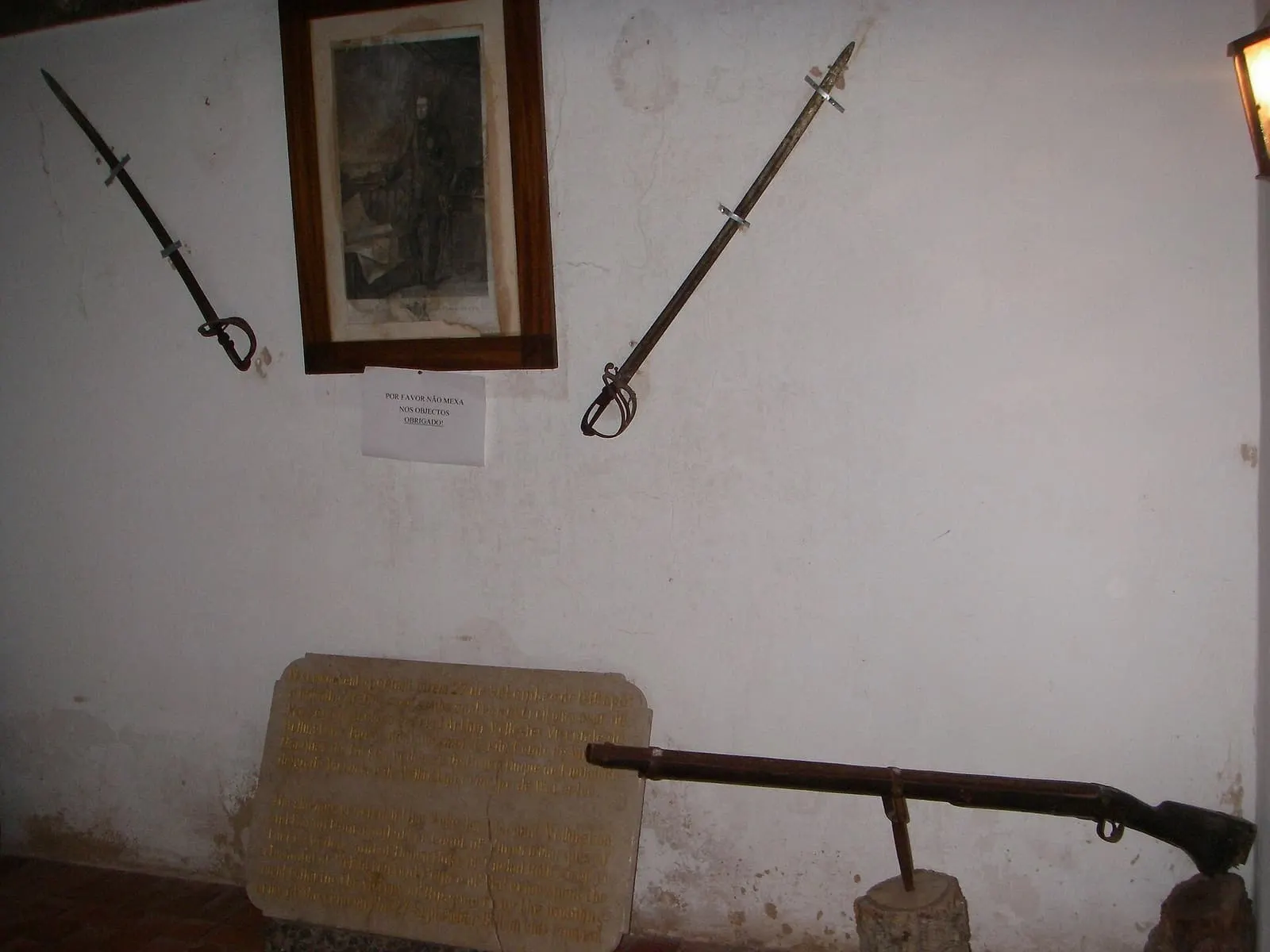
The mountains also preserve the memory of the Battle of Buçaco (September 27, 1810) during the Peninsular War, where Wellington’s Anglo-Portuguese army defeated Masséna’s French forces. Tradition holds that the future Duke of Wellington stayed at the convent itself the night before the battle. Thus, the site combines three layers of meaning - spiritual, military, and aesthetic - that few Portuguese places condense with equal intensity.
Beyond the convent and palace, the forest features walking paths, fountains, Stations of the Cross chapels, lakes, and viewpoints culminating at Cruz Alta (549m altitude) overlooking the coastal plain. Visitors to Buçaco Palace encounter formal gardens and a monumental staircase that extend the building’s neo-Manueline decorative grammar outdoors.
Frequently asked questions
- Where is the Buçaco National Forest located?
- It is situated in the Buçaco Mountain Range, in the parish of Luso, municipality of Mealhada, Aveiro district, in central Portugal.
- Who planted the Buçaco forest?
- It was planted by the Discalced Carmelites starting from the first quarter of the 17th century around the Santa Cruz Convent, within a perimeter wall that still demarcates the forest today.
- Is Buçaco Palace a hotel?
- Yes. Designed as a royal pavilion for Carlos I and completed in 1907, the neo-Manueline palace has operated as a hotel since 1917 while preserving its original architecture and gardens.
Sources
Keep exploring
Heritage nearby
More places to discover from here. Approximate straight-line distances, within 50 km.