Places
Vila Real
Vila Real, capital of Trás-os-Montes and Alto Douro, combines the Mateus Palace, the Gothic Cathedral, and the Roman sanctuary of Panóias near the Corgo River.
- Location
- Vila Real, Vila Real
Capital of Trás-os-Montes and Alto Douro, Vila Real rises on a plateau at about 450 meters above sea level, nestled between the Alvão and Marão mountain ranges and overlooking the Corgo River valley, a tributary of the Douro, at its confluence with the Cabril. This border position—between the cold highlands of Trás-os-Montes and the warmth of the Douro Valley—has shaped its history, architecture, and role as the gateway to the wine region.
From medieval foundation to the court of Trás-os-Montes
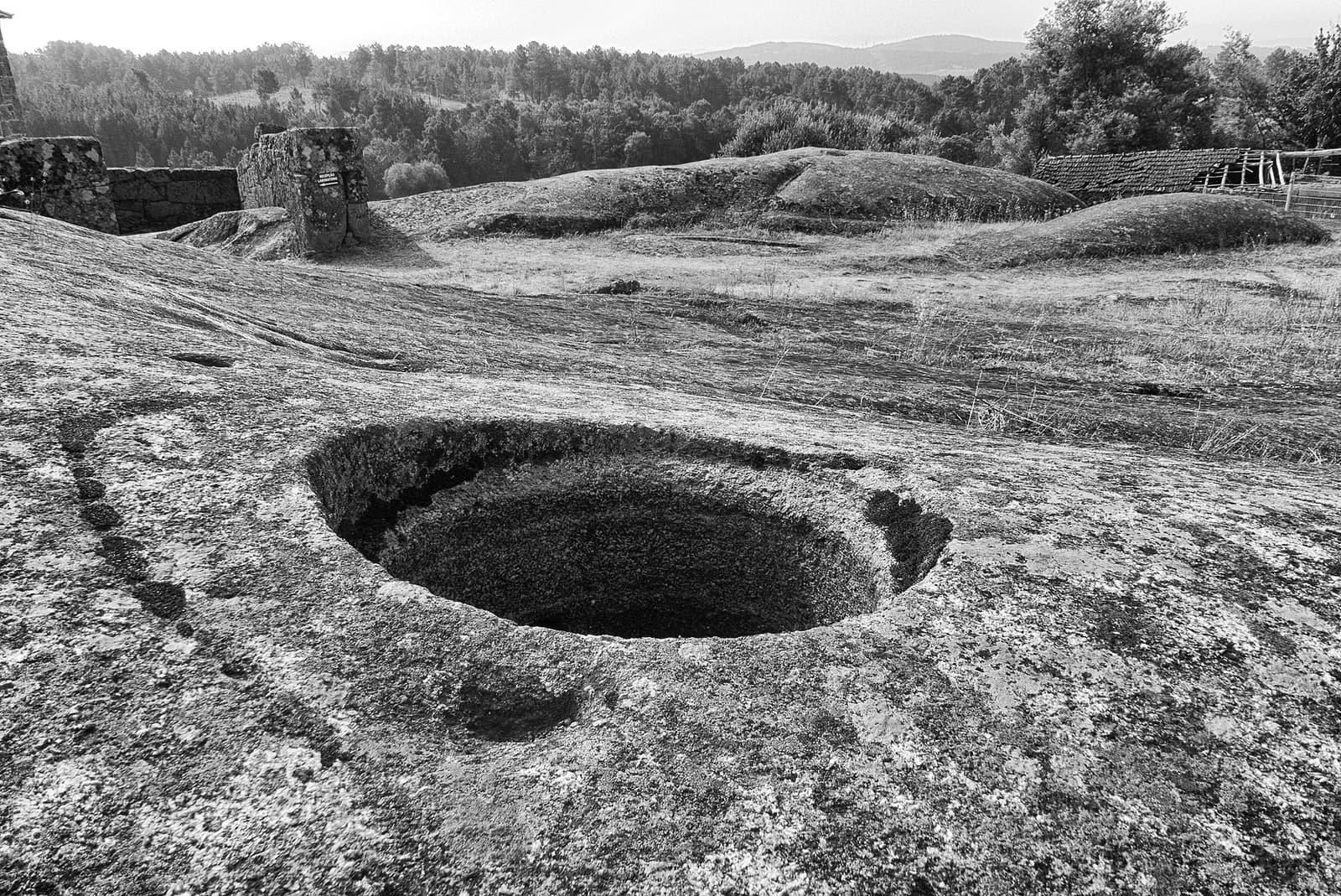
The area’s settlement is ancient: the name Panóias, which accompanied the town for centuries, refers to a Roman territory whose most significant testimony is the rock sanctuary dedicated to Serapis and infernal deities, carved by Senator Caius Calpurnius Rufinus at the turn of the 2nd to the 3rd century. The foundation of the modern settlement, however, is attributed to King Dinis, who granted it a charter on January 4, 1289, under the name Vila Real de Panóias.
From the 17th century onward, Vila Real earned the epithet “court of Trás-os-Montes.” The attraction it held for the nobility was such that the town housed more members of aristocratic families than any other locality in the kingdom outside Lisbon. The coats of arms carved on the façades of the historic center, along Avenida Carvalho Araújo, remain today as the stone memory of this concentration of manor houses and estates.
Few Portuguese cities display, in such a confined space, so many heraldic stones: the noble houses of Vila Real are an open-air heraldic archive.
Monumental heritage
The city’s landmark lies a few kilometers away, in the parish of Mateus: the Mateus Palace, considered one of the most expressive examples of Baroque architecture in northern Portugal and classified as a national monument in 1910. Its granite façade, reflected in the water mirror, has become one of the most reproduced images of 18th-century Portuguese civil architecture.
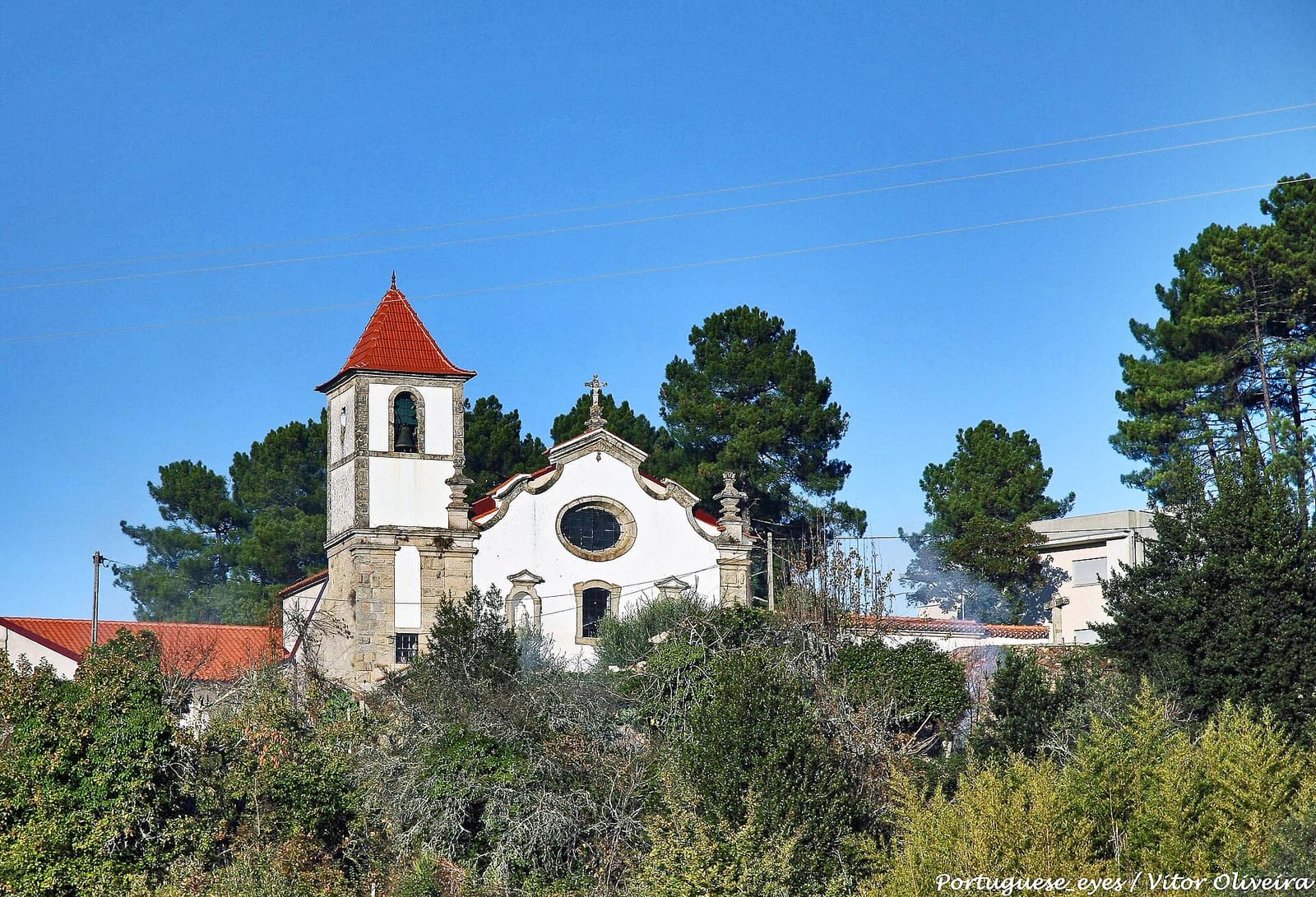
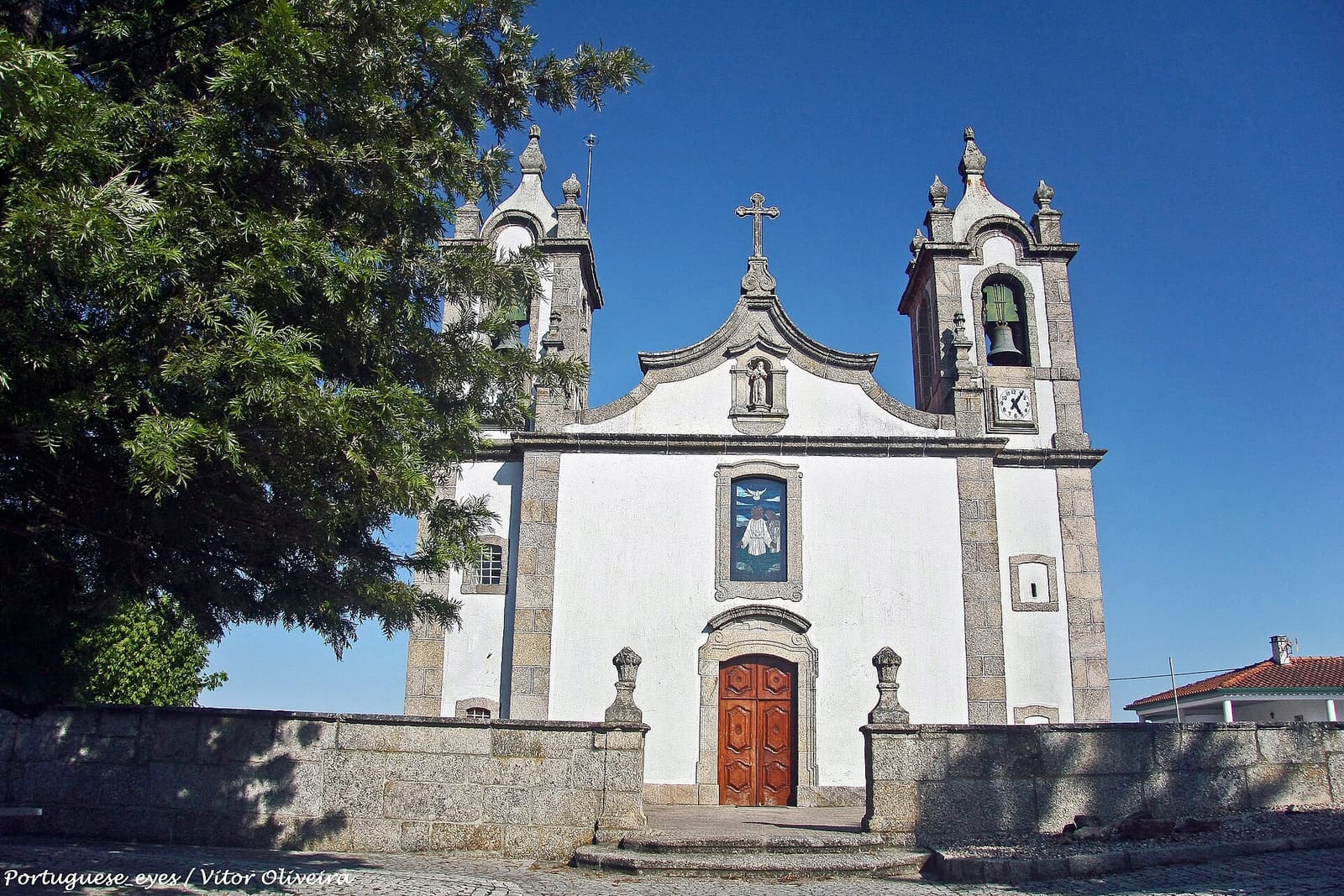
In the urban center, the Cathedral of Vila Real stands out, the former church of the Convent of São Domingos, built by Dominican friars from the early 15th century and elevated to cathedral status in 1924 when the diocese was created. It is one of the finest examples of late Gothic architecture in the region, with Romanesque persistences. A short distance away, the Capela Nova—also known as the Church of the Clerics or São Paulo—features a Baroque façade attributed to Nicolau Nasoni, the same architect linked to Mateus.
Land, craft, and wine
Vila Real’s identity extends into the knowledge of its territory. The pottery tradition of Bisalhães, a locality in the municipality, gave rise to Bisalhães black pottery, fired in pits and blackened by smoke, recognized as Intangible Cultural Heritage of Humanity. A few kilometers away, the terraced slopes already belong to the landscape of the Alto Douro Wine Region, classified by UNESCO, making the city a natural link between the Trás-os-Montes plateau and the world’s oldest demarcated wine region.
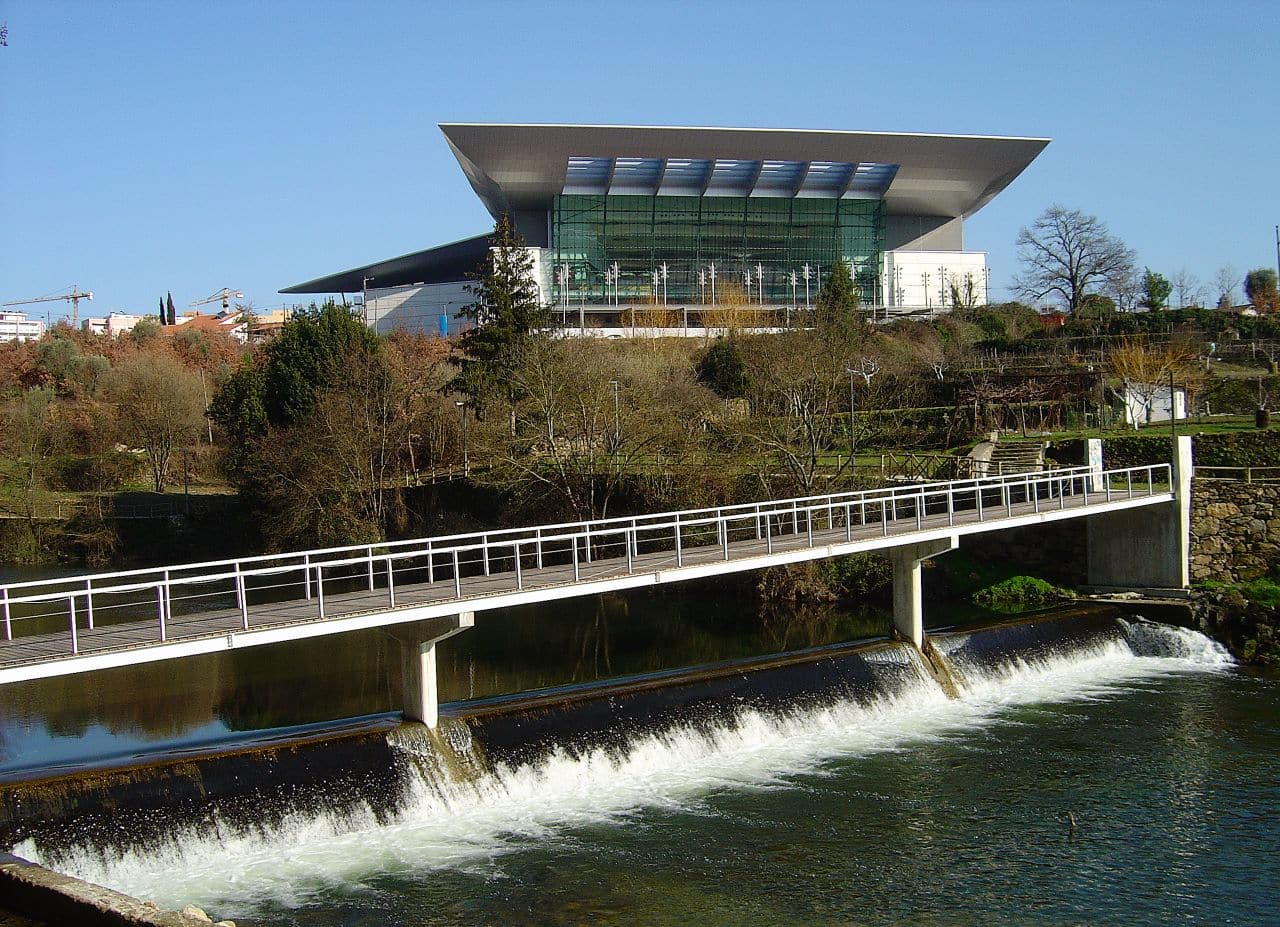
Home to the University of Trás-os-Montes and Alto Douro and a crossroads for major routes between the coast and the northern interior, Vila Real today combines the vitality of a university town with the weight of a noble past, integrating into the vast heritage of the Norte region.
Frequently asked questions
- Where is Vila Real located?
- Vila Real is situated in northern Portugal, the capital of the district of the same name and the historic province of Trás-os-Montes and Alto Douro, on a plateau at about 450 meters above sea level, overlooking the Corgo River.
- When was Vila Real founded?
- It received its charter from King Dinis on January 4, 1289, under the name Vila Real de Panóias. It became the district capital in 1835 and a city in 1925.
- What is the main monument in Vila Real?
- The Mateus Palace, a Baroque masterpiece from the mid-18th century associated with Nicolau Nasoni, is the most famous monument, but the city also boasts the Cathedral (former Church of São Domingos) and the Roman rock sanctuary of Panóias.
Sources
Keep exploring
Heritage nearby
More places to discover from here. Approximate straight-line distances, within 50 km.