Monuments
Vila Real Cathedral (Church of São Domingos)
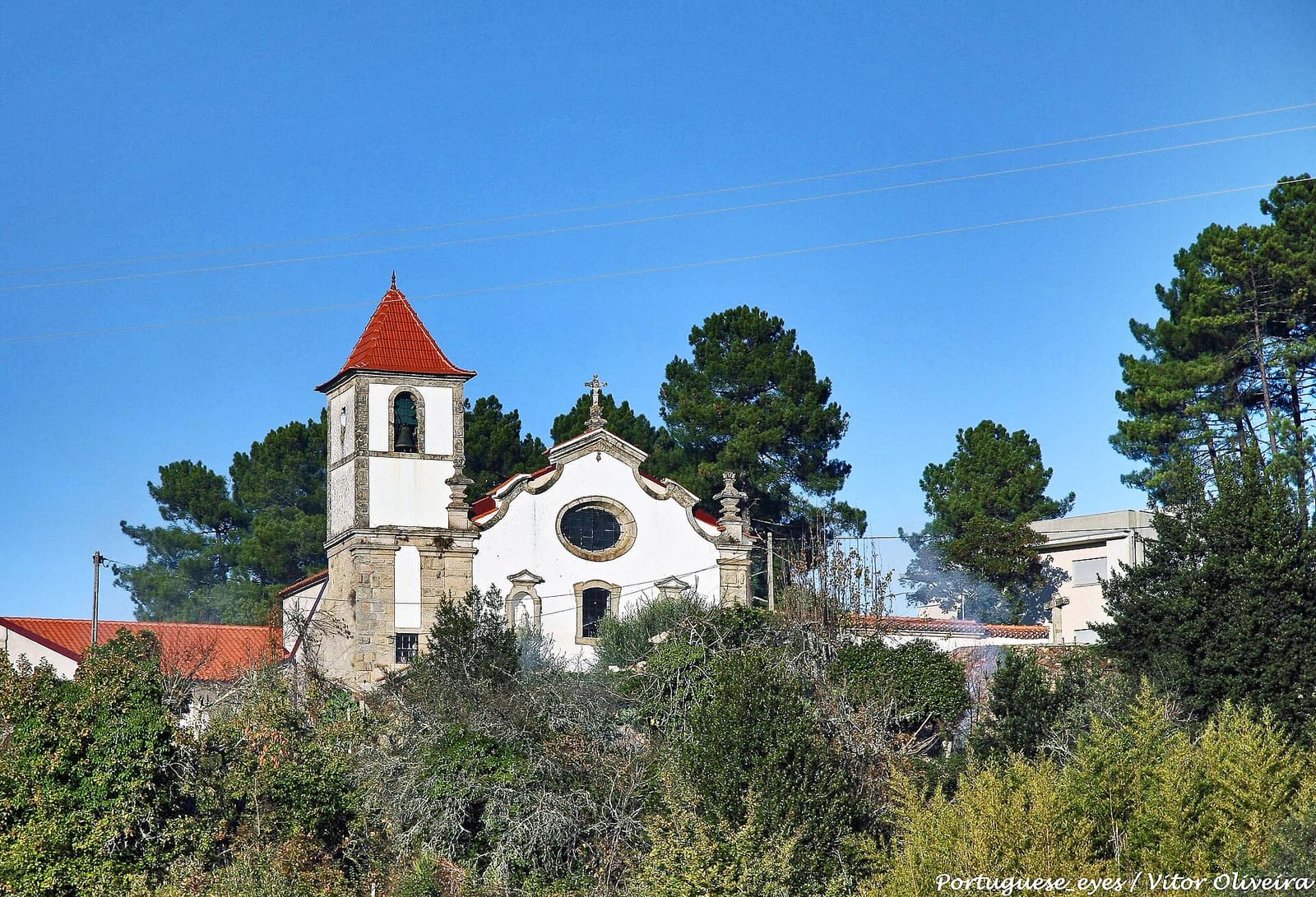
Vila Real Cathedral, former Gothic conventual church of São Domingos, cathedral of the Diocese of Vila Real since 1924 and National Monument in Trás-os-Montes.
- Location
- Vila Real, Vila Real
- Built
- século XV (1424-)
- Style
- Gótico mendicante; capela-mor e torre-sineira barrocas
Vila Real Cathedral, also known as the Church of São Domingos, is the cathedral of the Diocese of Vila Real and one of the most notable examples of Gothic architecture in Trás-os-Montes. Classified as a National Monument in 1926, it stands in the historic center of the city, in the former extramural area of Campo do Tavolado, where the Dominican convent from which it descends once stood.
Conventual origins
The temple began as the church of a convent of the Order of Preachers, founded in the 15th century by Dominican friars from Guimarães. King João I donated land for the establishment of the community in 1421 and 1422, with construction beginning around 1424. The building was sponsored by the Marquises of Vila Real, whose residence was nearby, strengthening the bond between the noble house and the conventual complex.
Construction extended over time, and the complex was successively renovated, particularly in the 16th and 18th centuries. After the dissolution of religious orders in the 19th century, the building lost its monastic function. In 1922, Pope Pius XI created the Diocese of Vila Real, and in 1924, the former Church of São Domingos was consecrated as the cathedral, a role it maintains to this day.
Architecture and art
The church preserves a structure linked to mendicant Gothic, with a Latin cross plan and three naves separated by arcades, the central nave being higher than the side ones. The extreme robustness of the walls and the sparse interior lighting reveal solutions with Romanesque roots, persistent in northern Portugal during the Late Middle Ages—a characteristic that led historian António Nogueira Gonçalves to speak of a “late Gothic of Vila Real.” Above the triumphal arch are a rose window and an oculus, elements that punctuate the sobriety of the ensemble. This language connects the Cathedral to other Gothic churches studied in the context of Gothic architecture in Portugal.
The current chancel and bell tower, with their Baroque appearance, result from 18th-century renovations. The interior, stripped of decoration since the 1930s restoration, retains several medieval arcosolia. The Mannerist altarpiece of the chancel comes from the Monastery of Odivelas, having been transferred to Vila Real in 1938. In 2003, during an intervention by IPPAR, modern stained-glass windows by artist João Rodrigues Vieira (1934-2009) were installed.
Significance and context
The Cathedral is the main temple of Vila Real city and the center of diocesan religious life in a vast region of northern Portugal. Its heritage importance is twofold: on one hand, it represents a rare testimony to the establishment of mendicant orders in Trás-os-Montes; on the other, it is part of the ensemble of Portuguese cathedrals, constituting one of the examples where a former conventual church was elevated to cathedral status in the 20th century.
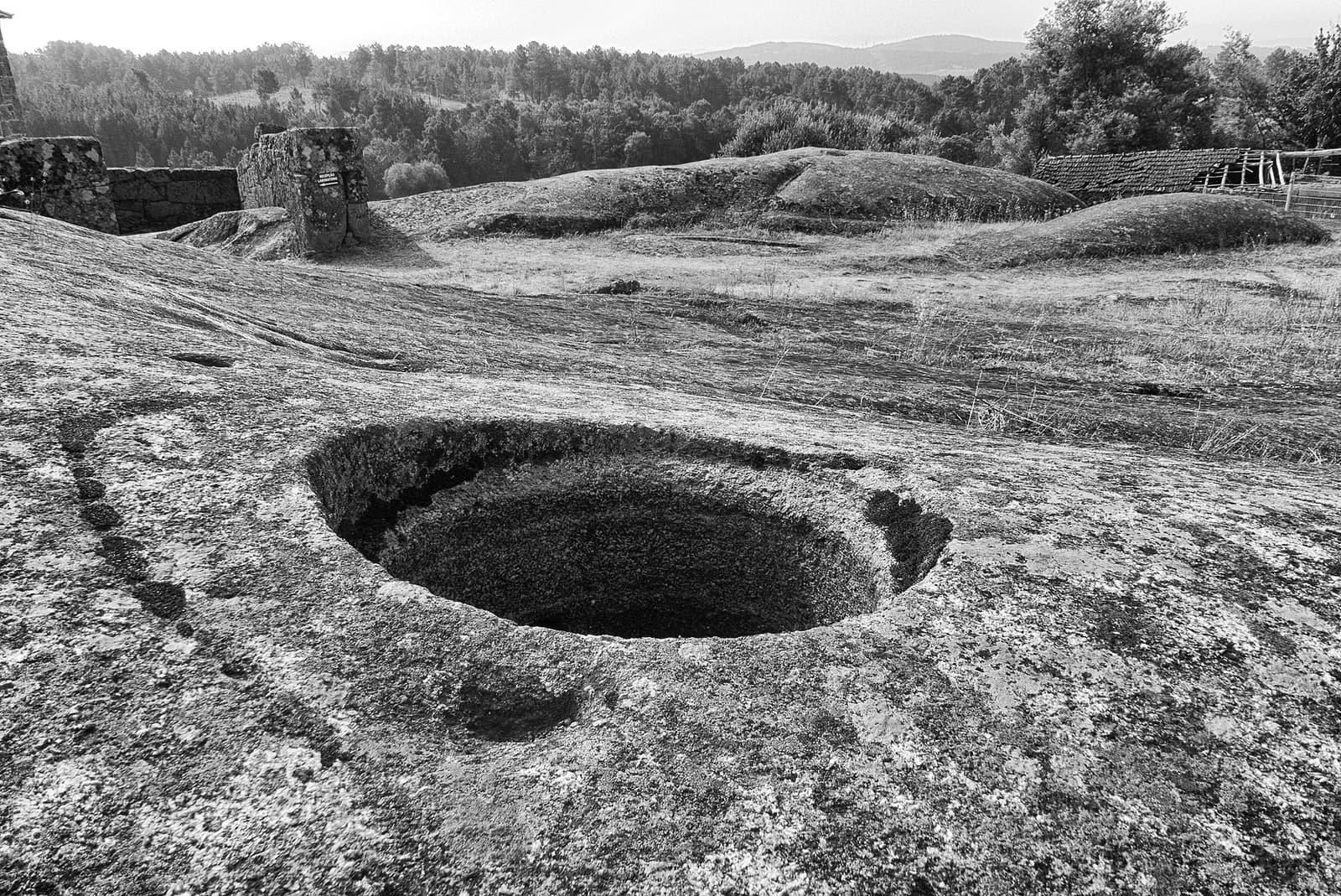
Nearby, the territory of Vila Real includes other significant heritage landmarks, such as the rupestrian sanctuary of Panóias, making the city a starting point for discovering the historical and archaeological heritage of the Norte region.
Frequently asked questions
- Is Vila Real Cathedral a co-cathedral?
- No. It is the sole cathedral of the Diocese of Vila Real, established in 1922 with its seat in this former Church of São Domingos from 1924. The term co-cathedral applies to dioceses with two seats, which is not the case for Vila Real.
- Why is it called Church of São Domingos?
- The temple was originally the church of a Dominican convent founded in the 15th century by friars from Guimarães. After the dissolution of religious orders and later the creation of the diocese, the former conventual church became the cathedral.
- What architectural style does Vila Real Cathedral have?
- The church is an example of sober, robust mendicant Gothic, considered among the finest in Trás-os-Montes. The chancel and bell tower are Baroque additions from the 18th century.
Sources
Keep exploring
Heritage nearby
More places to discover from here. Approximate straight-line distances, within 50 km.