Places
Alcácer do Sal
Alcácer do Sal, in the district of Setúbal: one of the oldest settlements in Europe, with a castle overlooking the Sado and more than 27 centuries of history.
- Location
- Alcácer do Sal, Setúbal
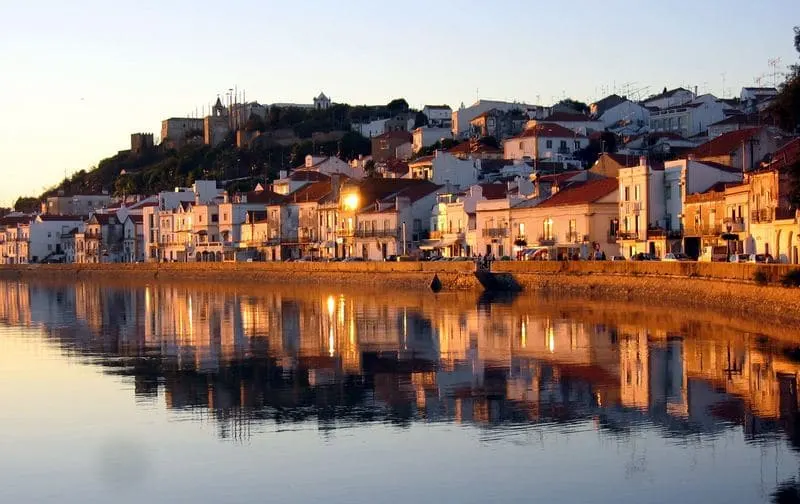
Overlooking the right bank of the river Sado, Alcácer do Sal is one of the oldest cities in the Iberian Peninsula and in western Europe. Its silhouette — white houses rising in terraces to the hill crowned by the castle — sums up more than twenty-seven centuries of continuous occupation, in a place where Phoenicians, Romans, Muslims and Christians crossed paths. The seat of a municipality in the district of Setúbal but culturally part of the Alentejo, the town preserves on its acropolis one of the densest archaeological records in the country.
Salacia, from the Iron Age to Rome
The hill above the Sado was occupied from prehistory, but it is with the arrival of the Phoenician navigators, around the first millennium BC, that the settlement enters written history. The trading post, then known by names such as Bevipo or Keition, lived off salt, salted fish and the export of horses, controlling the river route that linked the Sado estuary to the Alentejo interior.
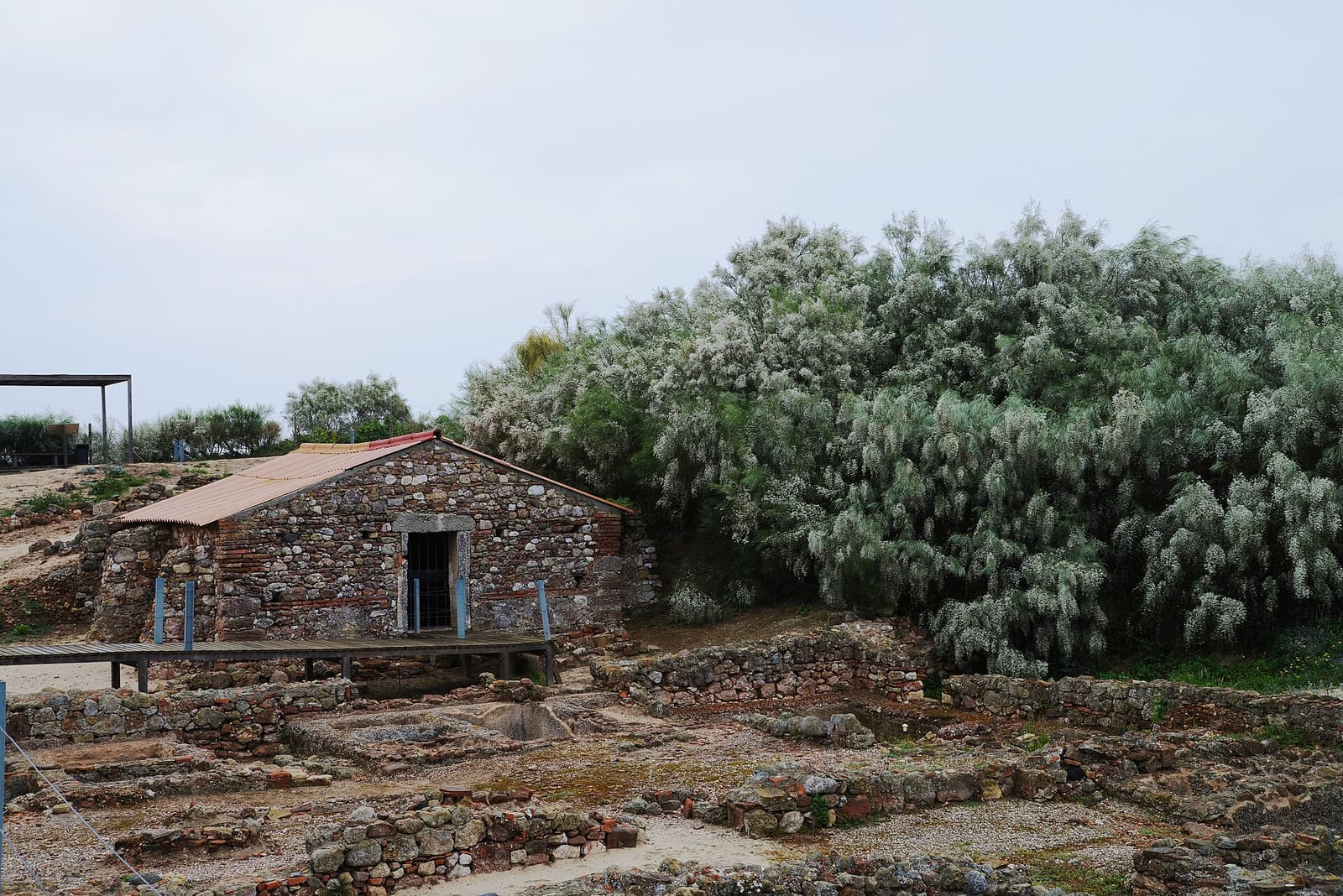
Under Roman rule, the city became Salacia and even minted its own coinage bearing the inscription Imperatoria Salacia, in reference to Salacia, the wife of Neptune. It was a commercial hub of the first order, channelling products from the interior and the estuary towards the Atlantic. The importance of that port network extended downriver, where the industrial fish-salting complex of the Roman ruins of Tróia bears witness to the scale of the Roman economy of the Sado.
Few places in Portugal allow one to read, on a single hilltop, the physical superimposition of Phoenicians, Romans, Muslims and Christians — each civilisation built upon the ruins of the previous one, making the hill of Alcácer a true stratigraphic archive.
The castle and the archaeological crypt
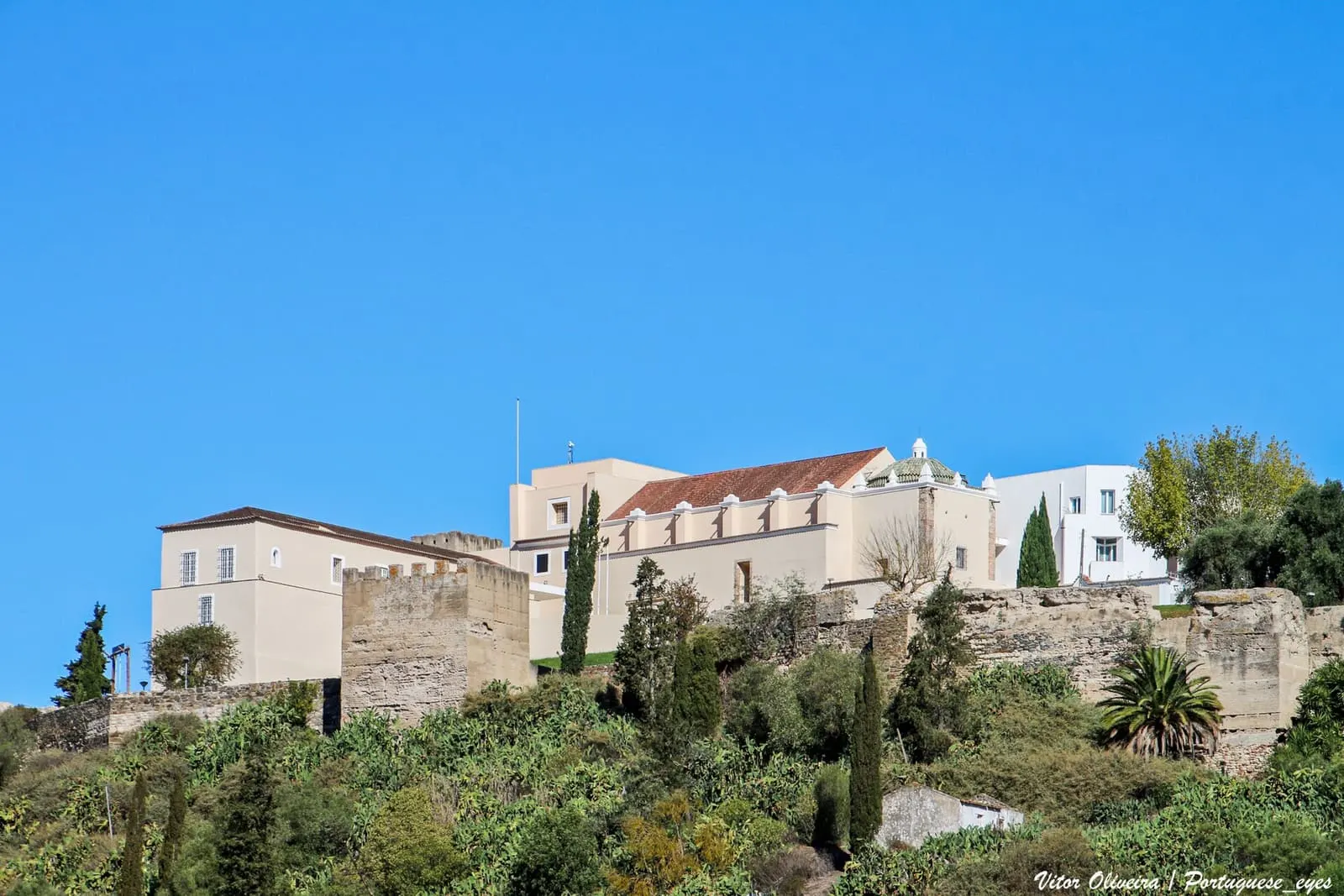
The historical heart of the town is the castle of Alcácer do Sal, a former Muslim citadel that gave the settlement its name: al-Qaṣr Abī Dānis, shortened to al-Qaṣr, “the castle”. During the Islamic period, Alcácer was a fundamental stronghold in the control of the Gharb al-Andalus, linked to the network of fortifications that forms part of the vast Moorish and Islamic heritage of the southern peninsula.
The Christian conquest was hard-fought. Taken by King Afonso II in October 1217, with the help of crusaders bound for the Holy Land, the town received its charter the following year, and the fortress was handed over to the Order of Santiago, which established here an important military and administrative centre. Within the enclosure, beneath the former convent of Nossa Senhora de Aracaeli — today a pousada —, the archaeological crypt reveals successive layers of walls, necropolises and structures spanning from the Iron Age to the medieval period.
Salt, salt marshes and the Sado estuary
The very name of the town evokes the wealth that sustained the local economy for centuries: salt. The salt pans and saltworks of the Sado estuary, with their geometric beds and the ebb and flow of the tides, shaped the landscape and the identity of Alcácer. The estuary, today a nature reserve, is also a refuge for storks, flamingos and a resident population of bottlenose dolphins, rare in the European Atlantic.
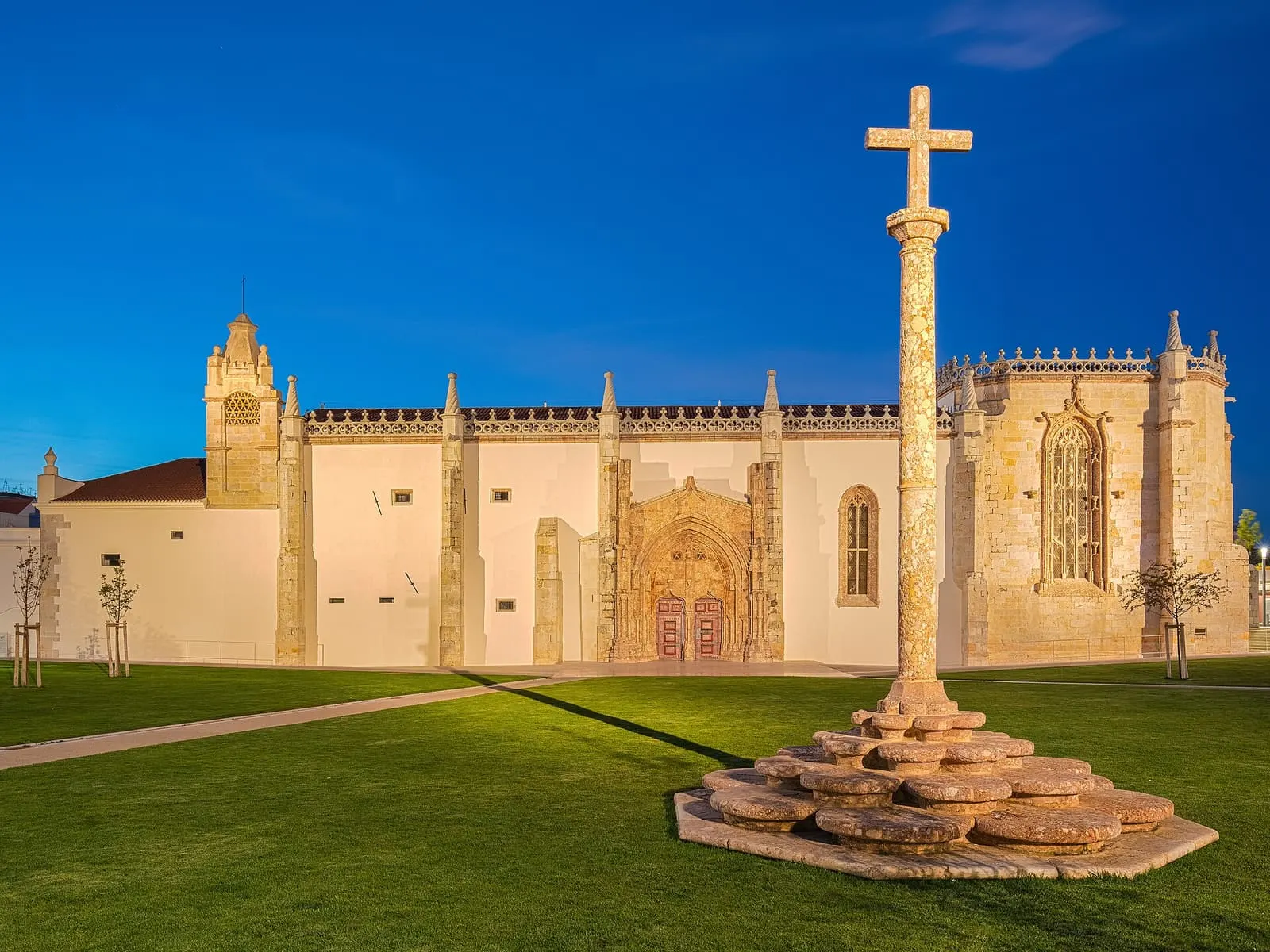
The town thus combines a historic centre of great value — medieval streets, churches, the riverside houses — with surroundings of rice fields, montados and pine woods that stretch to the coast of Comporta. To visit Alcácer do Sal is to traverse, in a single place, the long span of Iberian history, from the first navigators of the Mediterranean to the Reconquest and the productive landscape that still defines the lower Sado today.
Frequently asked questions
- Why is Alcácer do Sal considered one of the oldest settlements in Europe?
- The site has been inhabited almost continuously for several millennia, with remains dating back to the Neolithic and successive occupations by Phoenicians, Romans and Muslims on the same acropolis beside the Sado.
- What was the Roman name of Alcácer do Sal?
- In Roman times it was called Salacia, receiving the status of Urbs Imperatoria Salacia. The present place name derives from the Arabic al-Qaṣr, 'the castle', to which a reference to the salt trade was added.
- When was Alcácer do Sal reconquered from the Muslims?
- The definitive conquest took place in October 1217, during the reign of King Afonso II, with the support of crusaders; the king would grant the town a charter (foral) in 1218.
Sources
Keep exploring
Heritage nearby
More places to discover from here. Approximate straight-line distances, within 50 km.