Places
Azores
In the middle of the Atlantic, some 1,500 kilometres from the mainland, the Azores bring together a heritage built to the rhythm of the ocean routes and the volcanic life of their nine islands. A historic capital of Atlantic expansion and a laboratory for an architecture adapted to black stone and the sea, the archipelago offers two World Heritage properties and a singular ensemble of churches, fortresses and cultural landscapes.
An Atlantic crossroads
Settled from the fifteenth century onwards, the Azores became an obligatory port of call for the fleets that linked Europe to the Indies and the New World. It was this centrality that made Angra do Heroísmo, on the island of Terceira, one of the most important ports in the Atlantic during the sixteenth and seventeenth centuries. Its Renaissance urban fabric, protected by fortresses such as that of São João Baptista, earned it in 1983 inscription on the World Heritage List — the historic centre of Angra do Heroísmo.
The inscription of Angra in 1983 opened the Portuguese path to World Heritage, recognising not an isolated monument but an entire port city shaped by ocean navigation.
The vineyard on the lava
On Pico Island, the second Azorean World Heritage property reveals a very different face of heritage: the landscape of the Pico Island vineyard culture, inscribed in 2004. Here, generations of winegrowers raised thousands of small currais — enclosures of dry basalt stone walls that shelter the vines from the wind and sea spray, allowing the vineyard to grow directly on the lava. The result is a geometric grid of walls stretching along the coast, an exceptional testimony to an agricultural tradition adapted to an extreme environment.
An archipelago of heritages
Beyond the two World Heritage sites, Azorean heritage is spread across Baroque churches and convents, Holy Spirit impérios, coastal fortifications and volcanic interpretation centres. Like the neighbouring archipelago of Madeira, the Azores combine built heritage and natural landscape in an Atlantic identity all their own, distinct from that of the mainland.
Geology and heritage
Explore the Azores Geopark, designated by UNESCO in 2015, for geological heritage across nine islands and their surrounding marine area. This programme differs from the World Heritage inscriptions of Angra and Pico’s vineyards.
Biosphere reserves
The reserves of Corvo, Graciosa, Flores and Fajãs de São Jorge connect biodiversity, inhabited landscapes and local traditions. UNESCO designated them in 2007, 2007, 2009 and 2016 respectively, including marine zones. Compare them in the index of Portuguese reserves.
5 entries to explore
No matches in this collection. Try another word or clear your search.
In this section — 5
Lugares
5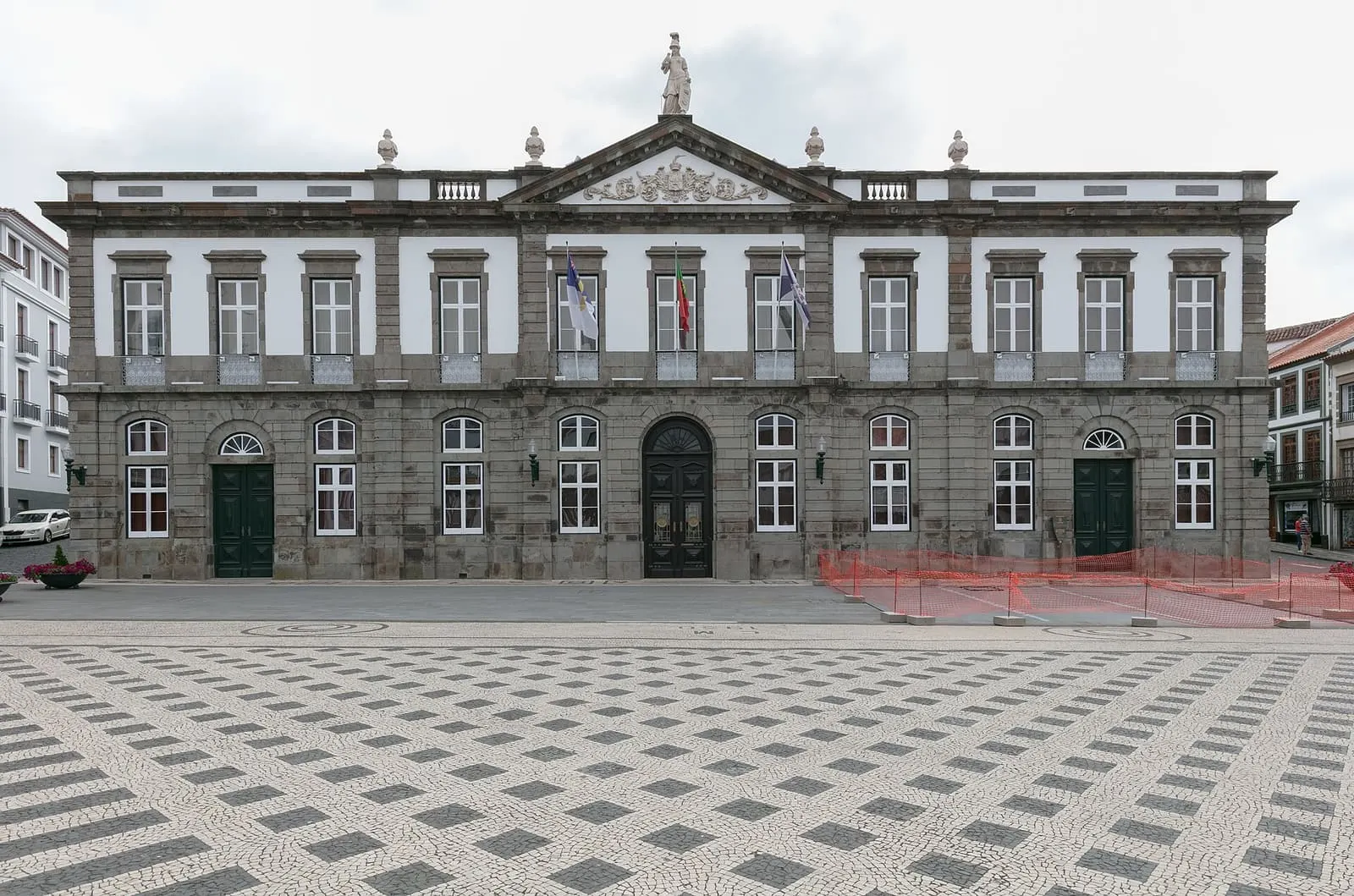 Angra do HeroísmoAngra do Heroísmo, on Terceira Island in the Azores: an Atlantic port city and UNESCO World Heritage Site, with fortresses, a cathedral and a sixteenth-century…
 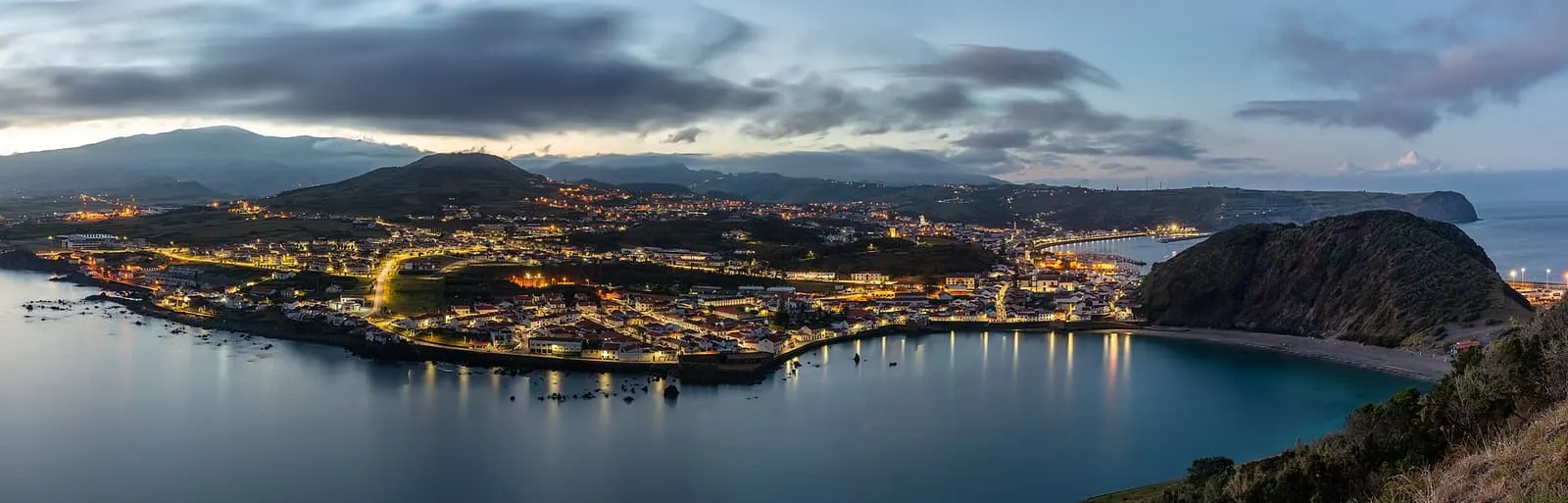 HortaHorta, the main town of Faial Island in the Azores: sixteenth-century forts, baroque churches, the navigators' marina and the whaling memory of the Pico channel.
 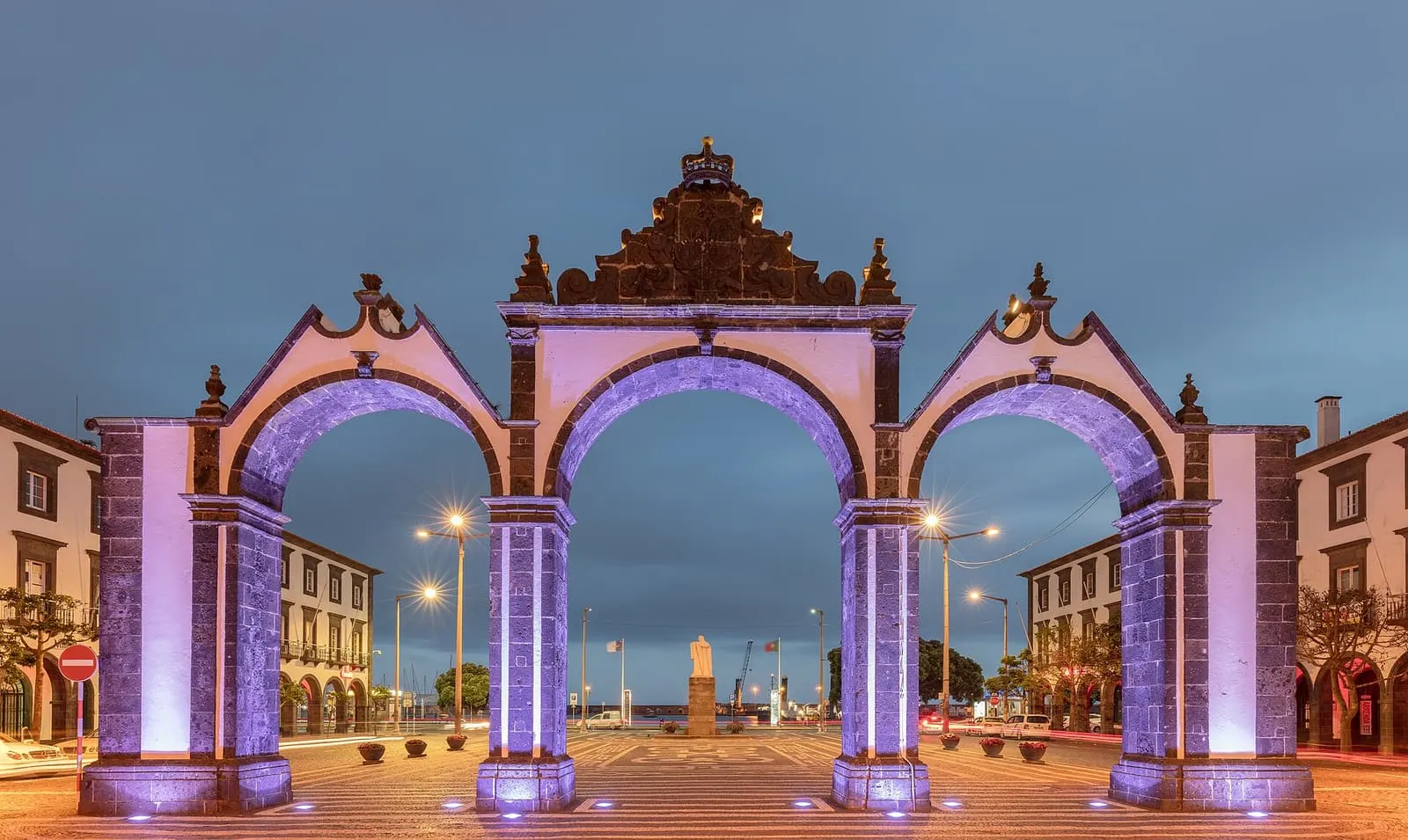 Ponta DelgadaPonta Delgada, the Azorean capital on São Miguel Island: City Gates, Baroque churches, São Brás Fortress, and the Convent of Hope of Santo Cristo.
 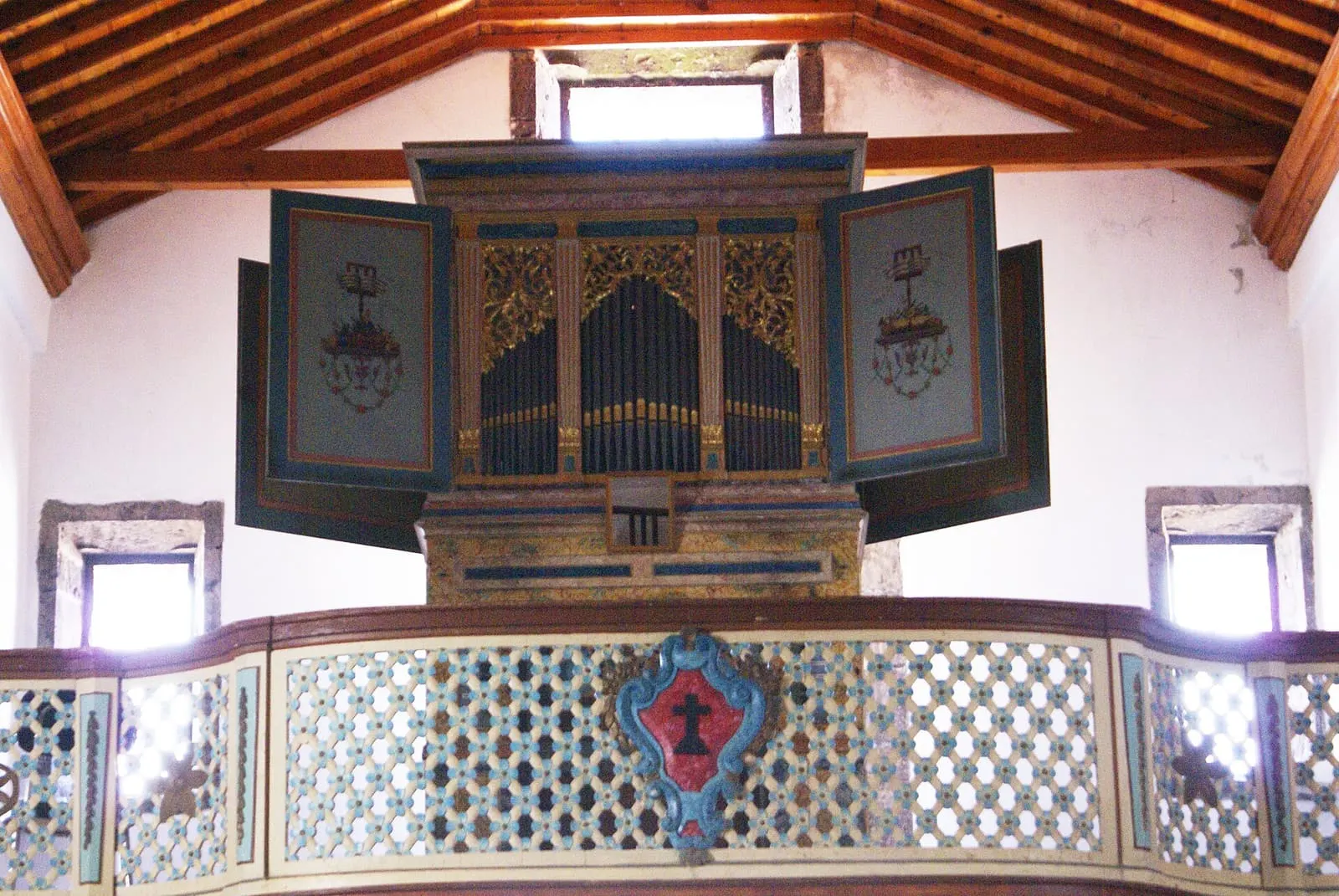 Santa Cruz da GraciosaSanta Cruz da Graciosa, a town and municipal seat on Graciosa Island in the Azores, featuring its parish church, hermitages, Flemish windmills, and the Furna…
 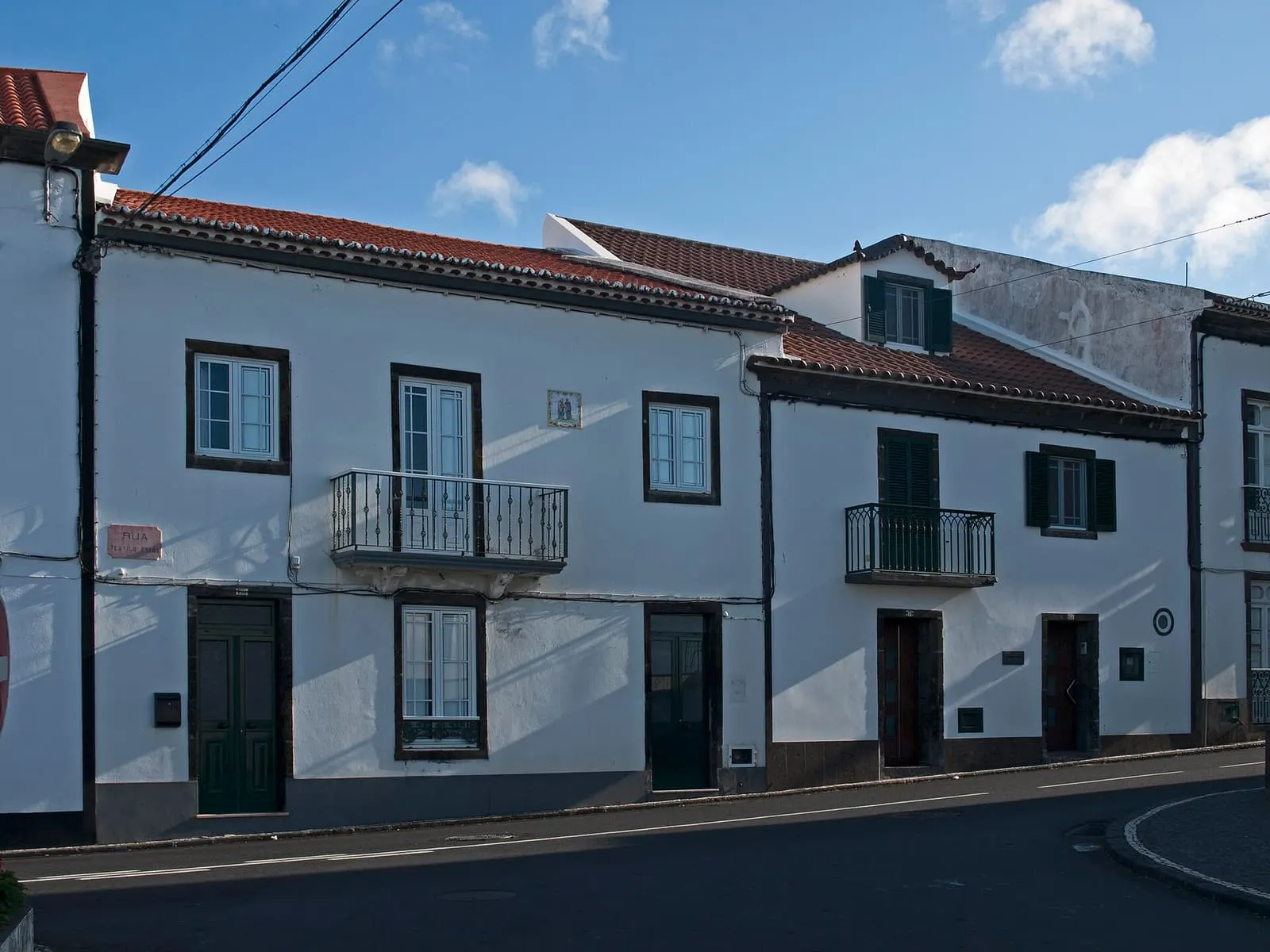 Vila Franca do CampoVila Franca do Campo, on the island of São Miguel, Azores: the first island capital, devastated by the 1522 earthquake, with a historic center, parish church…
 Frequently asked questions
- Which Azores properties are on the World Heritage List?
- The archipelago has two properties on the World Heritage List: the Central Zone of the town of Angra do Heroísmo, on the island of Terceira, inscribed in 1983, and the Landscape of the Pico Island Vineyard Culture, inscribed in 2004.
- How many islands do the Azores have?
- The Azores are made up of nine inhabited islands, distributed across the Eastern group (Santa Maria and São Miguel), the Central group (Terceira, Graciosa, São Jorge, Pico and Faial) and the Western group (Flores and Corvo).