Places
Avis
Avis, a town in the district of Portalegre in the Alto Alentejo, birthplace of the Order of Avis: castle, medieval towers, the Queen's Tower and the Convent of…
- Location
- Avis, Portalegre
- Built
- 1214–1223
- Style
- Medieval / gótico
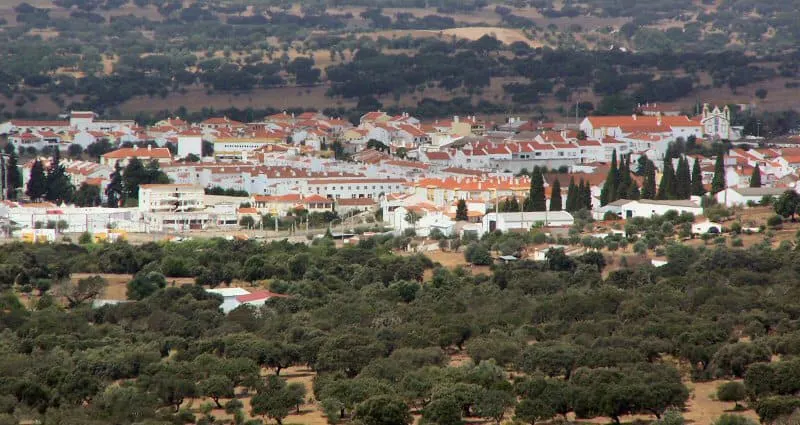
Avis is a town and the seat of a municipality in the district of Portalegre, in the heart of the Alto Alentejo. Built on a hill that dominates the plain and the Avis stream, it owes both its name and its destiny to the military order that established its seat here at the beginning of the thirteenth century — a connection that, two centuries later, would give its name to one of the most important Portuguese royal dynasties.
Origins and the Order of Avis
The foundation of Avis is inseparably linked to the establishment of an order of chivalry. In 1211, Afonso II donated these lands to the Militia of the Friars of Évora — a military brotherhood founded around 1175 — on condition that they settle them and build a castle for their defence. The works were carried out between 1214 and 1223 under the direction of the first Grand Master, Fernão Anes, and the militia transferred its seat here, coming to be called the Military Order of São Bento de Avis, or simply the Order of Avis. The town received its charter in 1218.
By establishing its mother house here, the Order turned a frontier settlement of the Alentejo into the centre of a network of power that would extend across the whole kingdom.
The importance of Avis reached its height — and began its decline — in 1385, when the 20th Master of the Order, João, was acclaimed king as João I, inaugurating the so-called House of Avis. From that moment on, the Order came to be governed from Lisbon and the town gradually lost prominence.
The castle and the towers
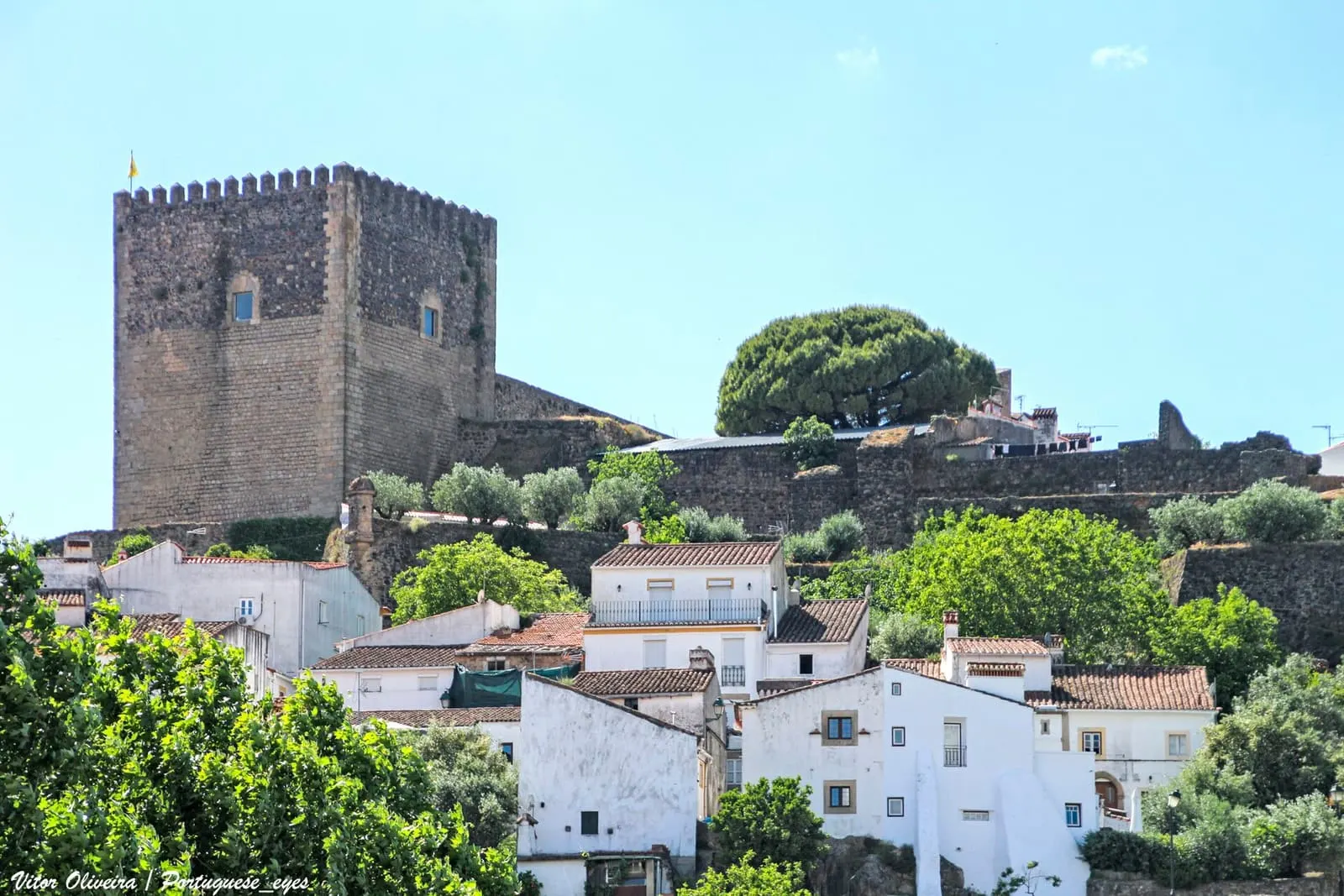
Of the medieval castle that crowns the hill, sections of wall and three of its original six towers survive, among them the imposing Queen’s Tower, the emblem of the Avis skyline. The Tower of São Roque and the Tower of Santo António also remain, testimony to the military and frontier role that the Order played in the defence of the territory. The complex was classified as a National Monument in 1910 and remains the town’s principal visual landmark, in a register that converses with other fortifications of the Alentejo and the Alto Alentejo gathered in the itinerary of Portuguese castles.
Convent of São Bento and urban heritage
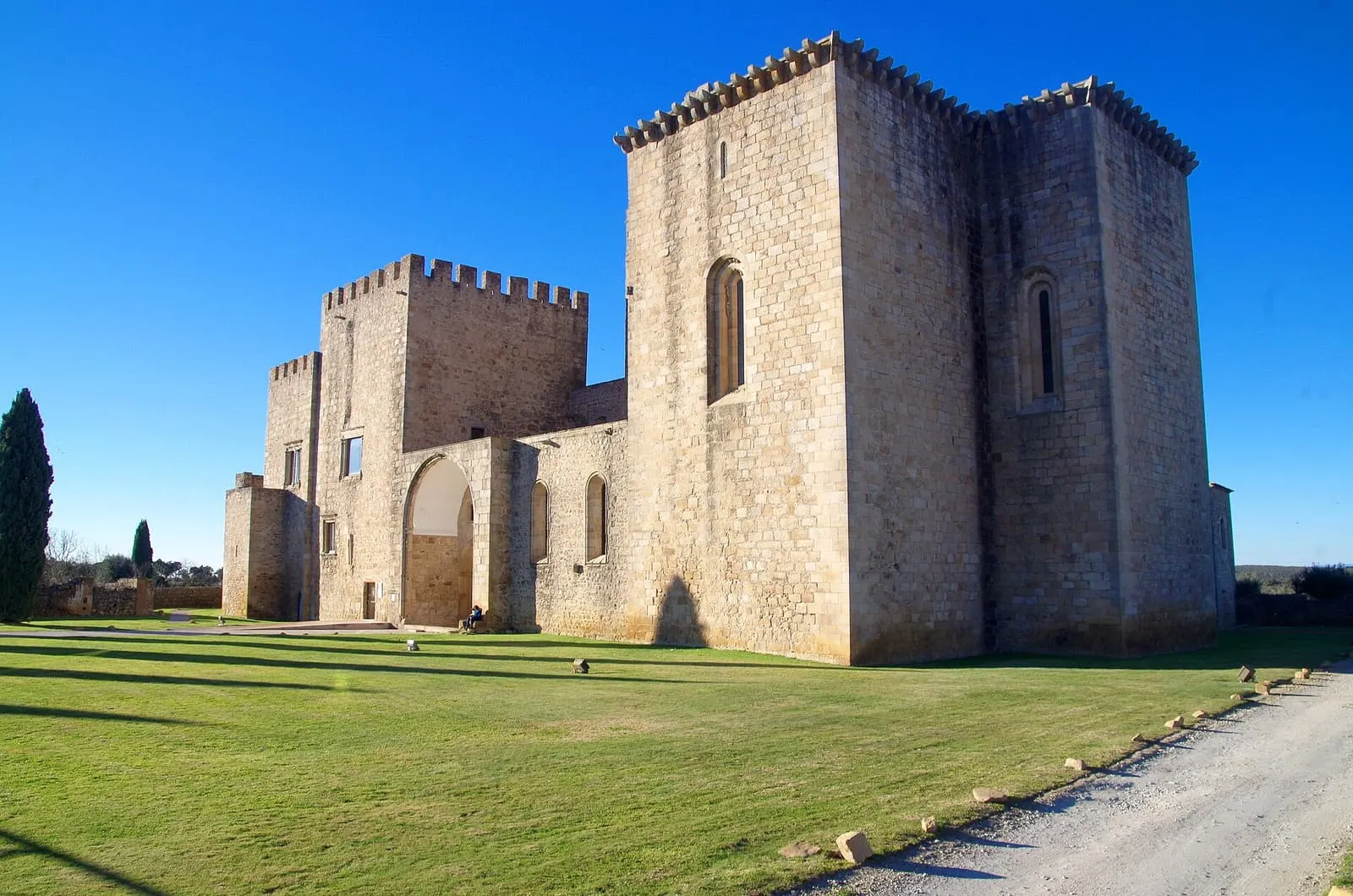
At the top of the town stands the former Convent of São Bento de Avis, a monumental building that served as the Order’s conventual house and that preserves rooms such as the Chapter House. With the suppression of the religious orders in 1834, the convent was sold off and adapted to other uses; today it houses the Museum of the Alentejo Countryside, which brings together archaeology, ethnography and the memory of the region’s rural life. The building belongs to the rich tradition of religious houses that mark the south of the country, in dialogue with the world of Portuguese convents and monasteries.
The legacy of the Order extends beyond the boundaries of the municipality: neighbouring Crato, seat of the Order of the Hospital, and the city of Portalegre, the district capital, together with Avis form a territory where the memory of the military orders and the agrarian landscape of the Alentejo intertwine. Now a quiet town on the shore of the great Maranhão reservoir, Avis preserves in its houses, its towers and its very name one of the founding pages of the history of Portugal.
Frequently asked questions
- Why did Avis give its name to a Portuguese dynasty?
- In 1385, João, 20th Master of the Military Order of São Bento de Avis, was acclaimed king as João I. Because he was the lord of the Order, the new dynasty became known as the House of Avis.
- What can be visited in Avis?
- Highlights include the Castle of Avis with its medieval towers, above all the Queen's Tower, the former Convent of São Bento de Avis, and the Museum of the Alentejo Countryside housed in the conventual building.
- In which district and region is Avis located?
- Avis is a town and the seat of a municipality in the district of Portalegre, part of the Alto Alentejo, in the southern interior of Portugal.
Sources
Keep exploring
Heritage nearby
More places to discover from here. Approximate straight-line distances, within 50 km.