Places
Crato
Crato, a town in the Alto Alentejo in the district of Portalegre, was the seat of the Hospitallers in Portugal and is home to the Monastery of Flor da Rosa.
- Location
- Crato, Portalegre
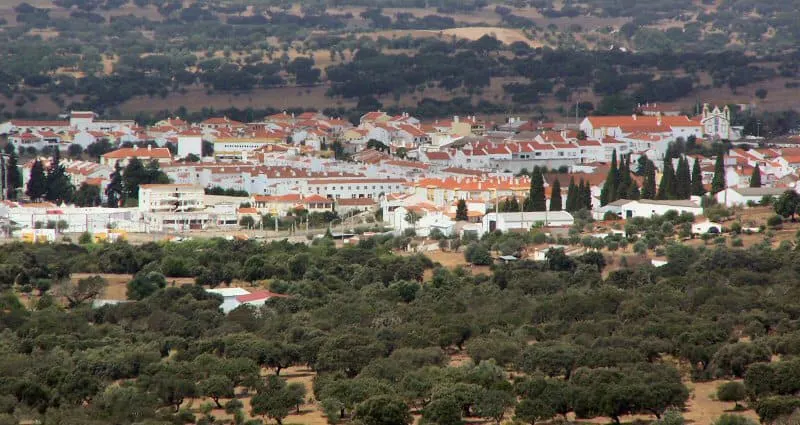
Crato is a town in the Alto Alentejo, the seat of a municipality in the district of Portalegre, set on the plain some 22 kilometres west of the district capital. Despite its modest size, the town holds a singular place in Portuguese history: for centuries it was the head of the chief priory of the Order of the Hospital, which brought it prestige, revenues and a monumental ensemble that still sets it apart in the landscape of the Alentejo.
From royal grant to seat of the Hospitallers
The territory of Crato was granted to the Order of the Hospital of Saint John of Jerusalem in 1232, by charter of King Sancho II. The Hospitaller presence would decisively shape the town’s destiny. In 1340, after the Order’s seat had been transferred from Leça do Balio to the south, Crato became the centre of the so-called Priory of Crato — the most important representation of the Knights of the Hospital in Portugal. The dignity of Prior of Crato, presiding over vast domains and revenues, was one of the most coveted in the kingdom.
The towering figure of this period is Dom Álvaro Gonçalves Pereira, first Prior of Crato and father of the Holy Constable Dom Nuno Álvares Pereira. It was he who endowed the region with its most remarkable legacy.
The title of Prior of Crato came to intertwine with the high politics of the kingdom: it was a pretender of the house of Crato, Dom António, who in 1580 disputed the Portuguese crown in the succession crisis.
The Monastery of Flor da Rosa
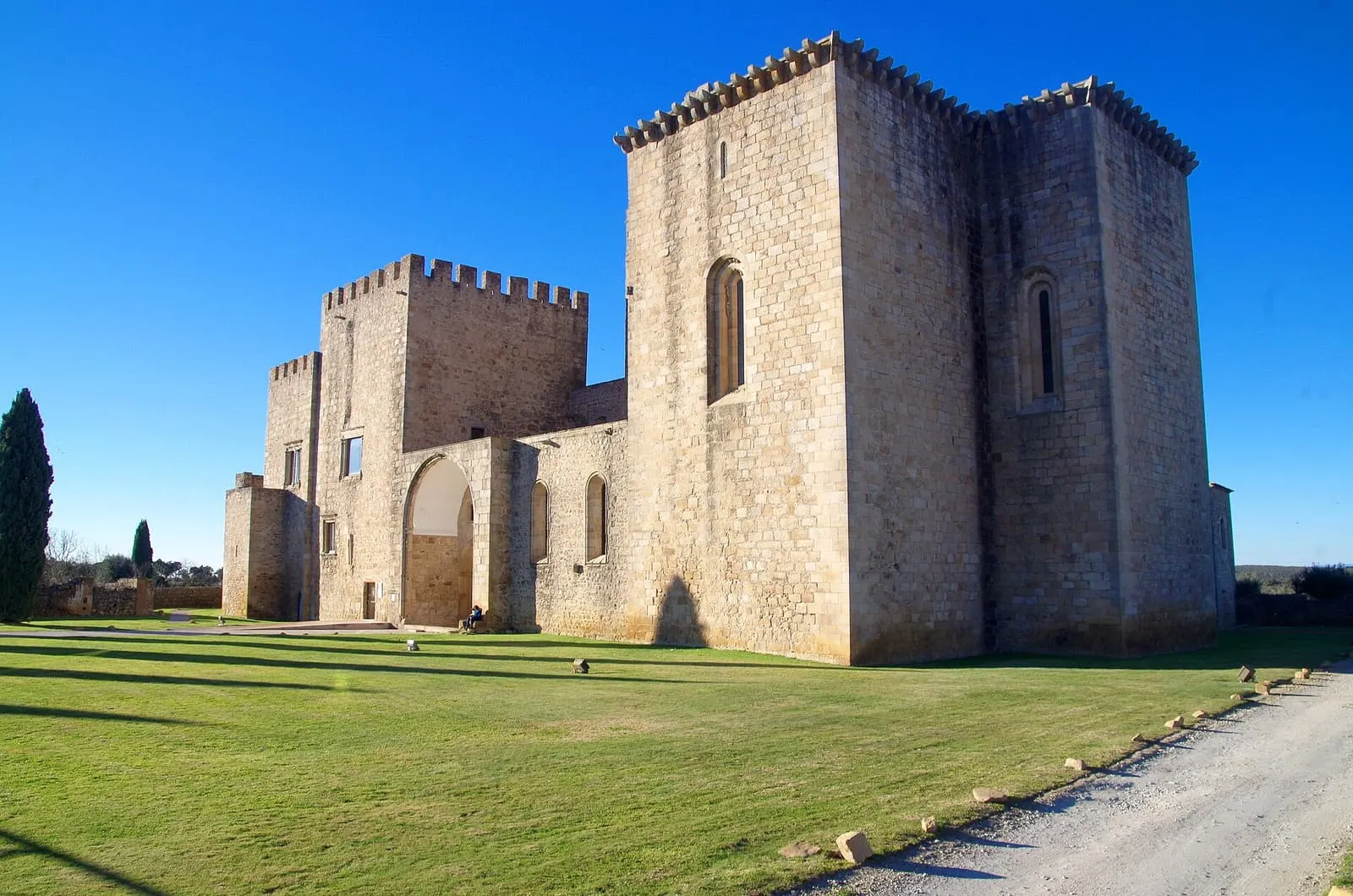
A short distance from the town, in the parish of Flor da Rosa, rises the Monastery of Santa Maria de Flor da Rosa, ordered built in 1356 by Dom Álvaro Gonçalves Pereira to serve as the Order’s mother house in Portugal. The ensemble — a fortified church, cloister and prior’s palace — fuses the austerity of the Gothic with the military vocation of the Hospitallers, dominated by an imposing tower. The church has been classified as a National Monument since 1910.
Between 1991 and 1995, the complex was rehabilitated to a design by the architect João Luís Carrilho da Graça and incorporated into the network of the Pousadas de Portugal. The intervention, sober and contemporary, became a reference point for Portuguese architecture for engaging with the medieval fabric without masking it.
The town and its heritage
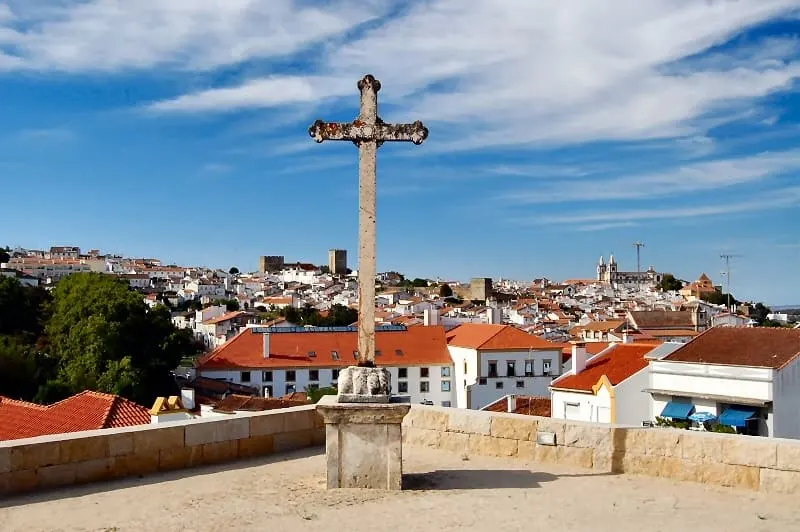
In Crato’s old core, vestiges of the various layers of its history survive. The Castle of Crato, also known as the Castle of Azinheira, recalls the town’s defensive role, severely affected during the Restoration Wars in the seventeenth century. The white houses, the narrow streets and the scattered manor houses reflect the long period during which the town lived under the tutelage and prestige of the priory.
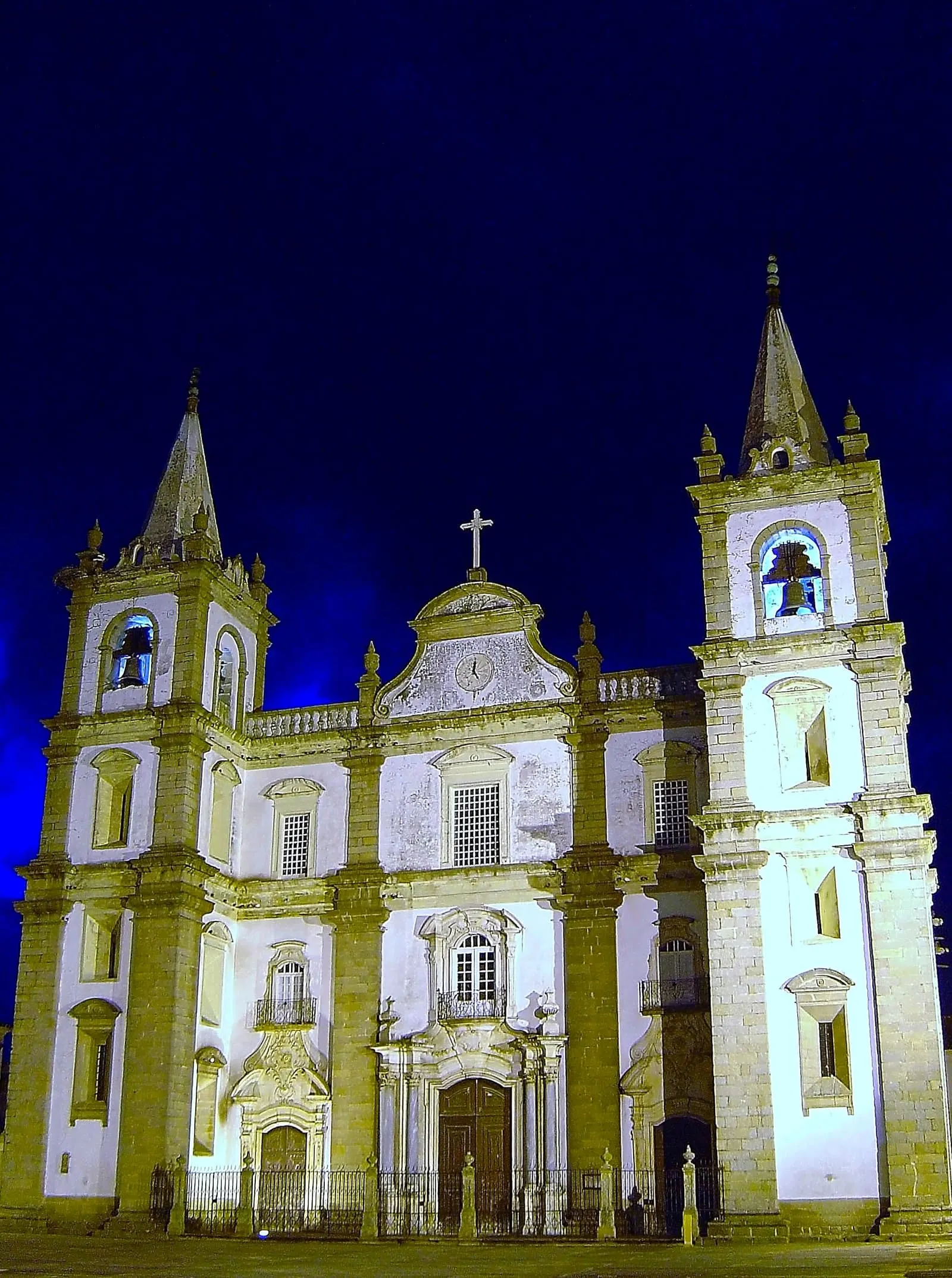
For its history and location, Crato forms part of a circuit of historic towns of the Alto Alentejo well worth exploring, among them Marvão and Castelo de Vide, perched on the Serra de São Mamede, and Alter do Chão, famed for its royal stud farm. Together they trace a territory where the military orders, the frontier and horse breeding shaped the landscape and identity for centuries.
Today, Crato combines a discreet but deeply rooted heritage with a rural economy of the plain. The memory of the Hospitallers, embodied above all in Flor da Rosa, remains the chief reason of interest for those who visit this town of the Alentejo interior.
Frequently asked questions
- Where is Crato?
- Crato is a town and the seat of a municipality in the Alto Alentejo, in the district of Portalegre, about 22 km west of the city of Portalegre.
- Why is Crato associated with the Order of the Hospital?
- The Order of the Hospital (later the Order of Malta) received the lordship of Crato in 1232 and established its chief priory in Portugal here, which became known as the Priory of Crato.
- What is the Monastery of Flor da Rosa?
- It is the mother house of the Hospitallers in Portugal, ordered built in 1356 by Dom Álvaro Gonçalves Pereira in the neighbouring parish of Flor da Rosa, today adapted into a pousada.
Sources
Keep exploring
Heritage nearby
More places to discover from here. Approximate straight-line distances, within 50 km.