Monuments
Marvão Castle
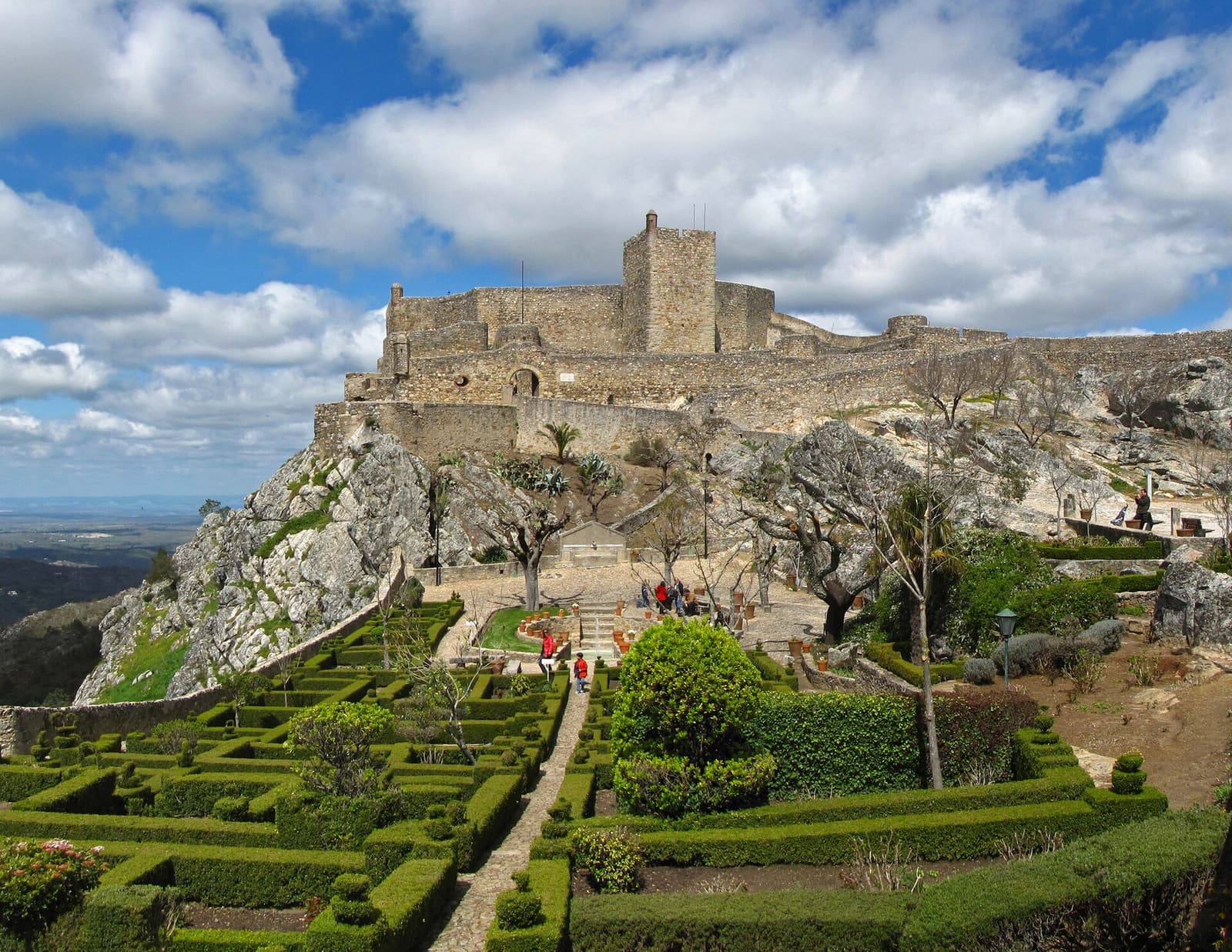
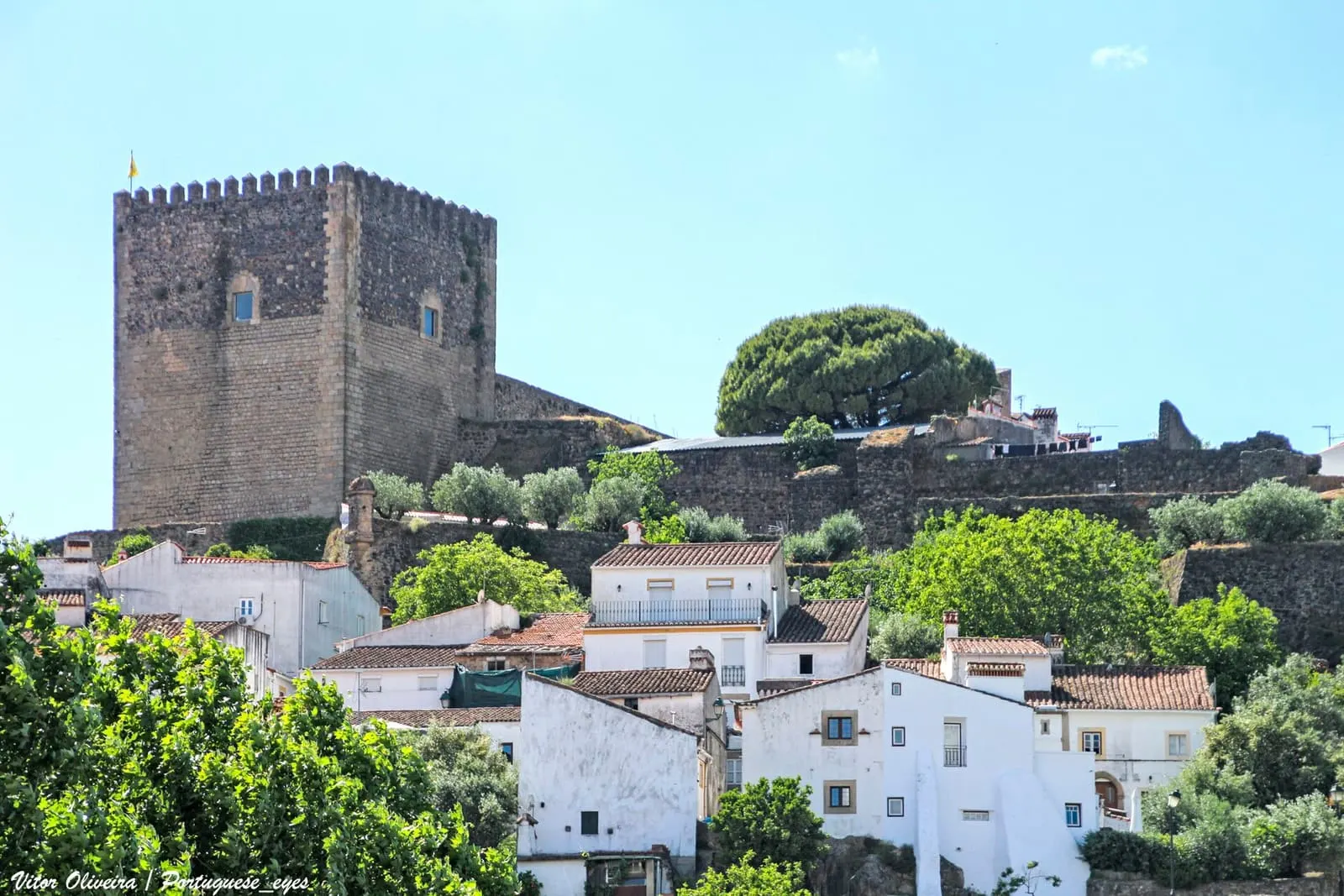
Marvão Castle, a frontier fortress standing more than 800 metres above sea level in the Serra de São Mamede, a medieval sentinel of the Alto Alentejo, in the…
- Location
- Marvão, Portalegre
- Built
- século IX (origens); reedificação a partir de 1299
- Style
- Gótico
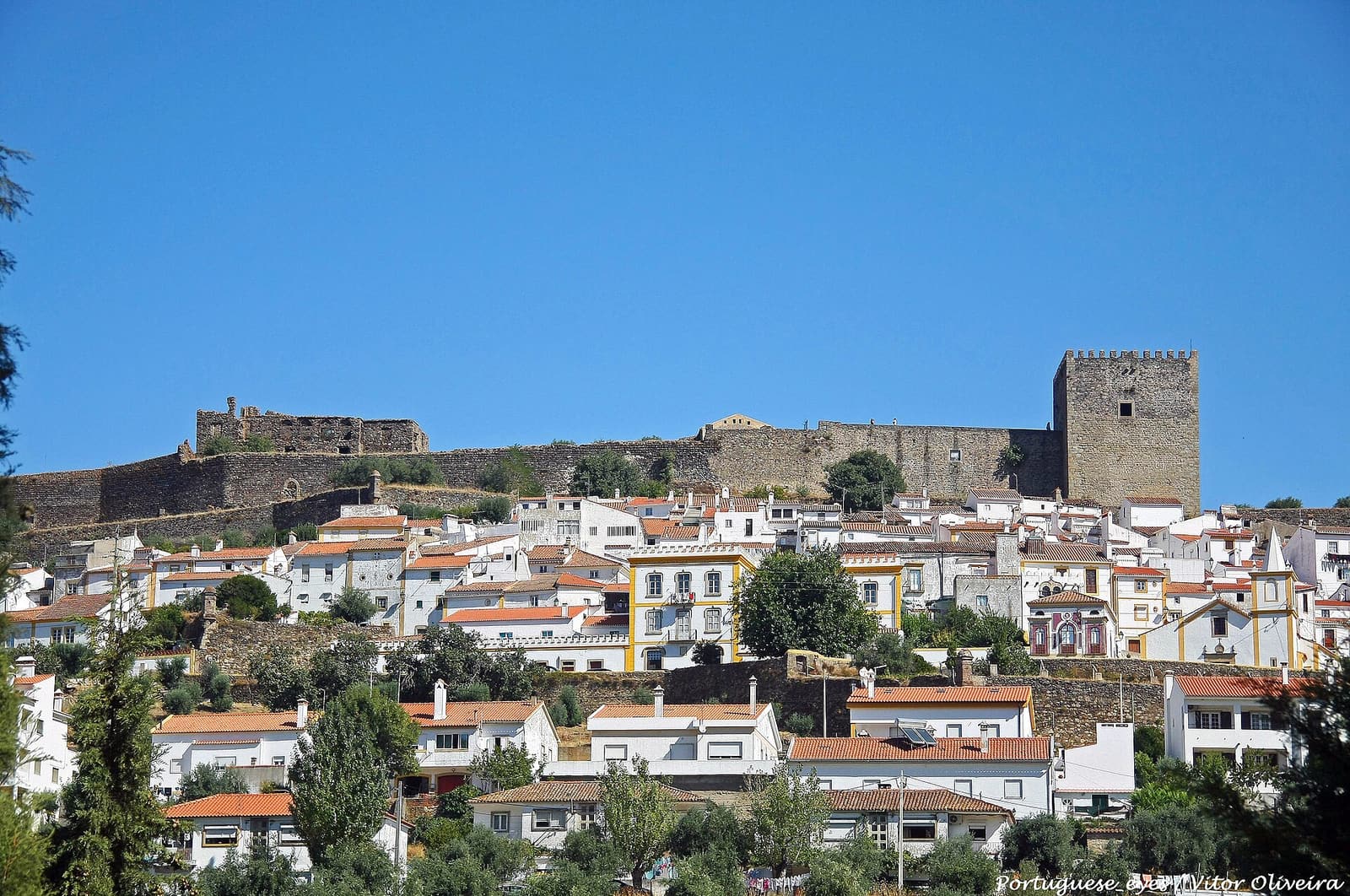
At the far north-east of the Alentejo, where the Serra de São Mamede breaks into a rocky spur facing Spain, Marvão Castle crowns one of the highest and best-guarded settlements in Portugal. The entire village, tightly enclosed within its walls at around 850 metres above sea level, acts as an extension of the fortress: narrow streets, white houses and, at the highest point, the keep that dominates the whole frontier line. From here one looks out over a vastness of plain and mountain that explains, better than any document, why it was decided to fortify this place.
From Muslim origins to the Christian conquest
The place name preserves the memory of the first significant fortification: the Muslim lord Ibn Marwan, who at the end of the 9th century made this hilltop a stronghold. The site, however, is far older — occupation by a pre-Roman castro is accepted, and some associate it with the Medóbriga mentioned by classical authors. The forces of Afonso Henriques took the settlement from the Moors between 1160 and 1166, incorporating it into the effort to consolidate the frontier of the nascent kingdom.
Marvão’s true military assertion is owed to King Dinis. Having seized the stronghold in 1299, the monarch launched a wide-ranging programme of reconstruction that gave the castle the Gothic appearance that still characterises it today, with the keep begun around 1300, reinforced curtain walls and a system of gates and barbicans adapted to the rugged terrain.
A sentinel of the frontier
Owing to its position, Marvão was a permanent piece in the Peninsular wars. It served in the medieval campaigns against Castile, held out during the Restoration War in the 17th century and saw foreign occupations in the conflicts of the early 18th century and during the French Invasions. Its defences were gradually adapted to the evolution of artillery, which makes the ensemble a legible witness to the various phases of Portuguese military architecture, from the Gothic to the bastioned solutions of the modern age — a journey it shares with other fortifications raised along the frontier.
Marvão’s strength never lay in its walls, but in its altitude: whoever commands the spur sees the enemy approaching long before they are at the gate.
Visiting the castle and the village
The experience of Marvão is inseparable from the landscape. The walk along the wall-walk allows one to circle the village from above, with views over the Serra de São Mamede and, on clear days, over the neighbouring Spanish territory. Within the enclosure survive the vaulted cistern, the parade ground and the keep, today open to visitors. Part of the ensemble of the great castles of Portugal, Marvão stands out for the rare fusion between fortress and settlement — a feature that brings it close to other walled towns such as Óbidos and that rewards those who seek it out in the heart of the Alentejo.
Classified as a National Monument since 1922, Marvão Castle is at once a landmark of the country’s military history and one of the most impressive viewpoints in Portuguese territory.
Frequently asked questions
- Where is Marvão Castle?
- It rises at the highest point of the village of Marvão, in the district of Portalegre, at around 850 metres above sea level, within the Serra de São Mamede Natural Park, in the Alto Alentejo.
- When was Marvão Castle built?
- The first fortification dates back to the 9th century, linked to the Muslim lord Ibn Marwan. The Gothic structure seen today results above all from the works begun by King Dinis from 1299 onwards.
- Is Marvão Castle a National Monument?
- Yes. It has been classified as a National Monument since 1922.
Sources
Keep exploring
Heritage nearby
More places to discover from here. Approximate straight-line distances, within 50 km.