Monuments
Pombal Castle
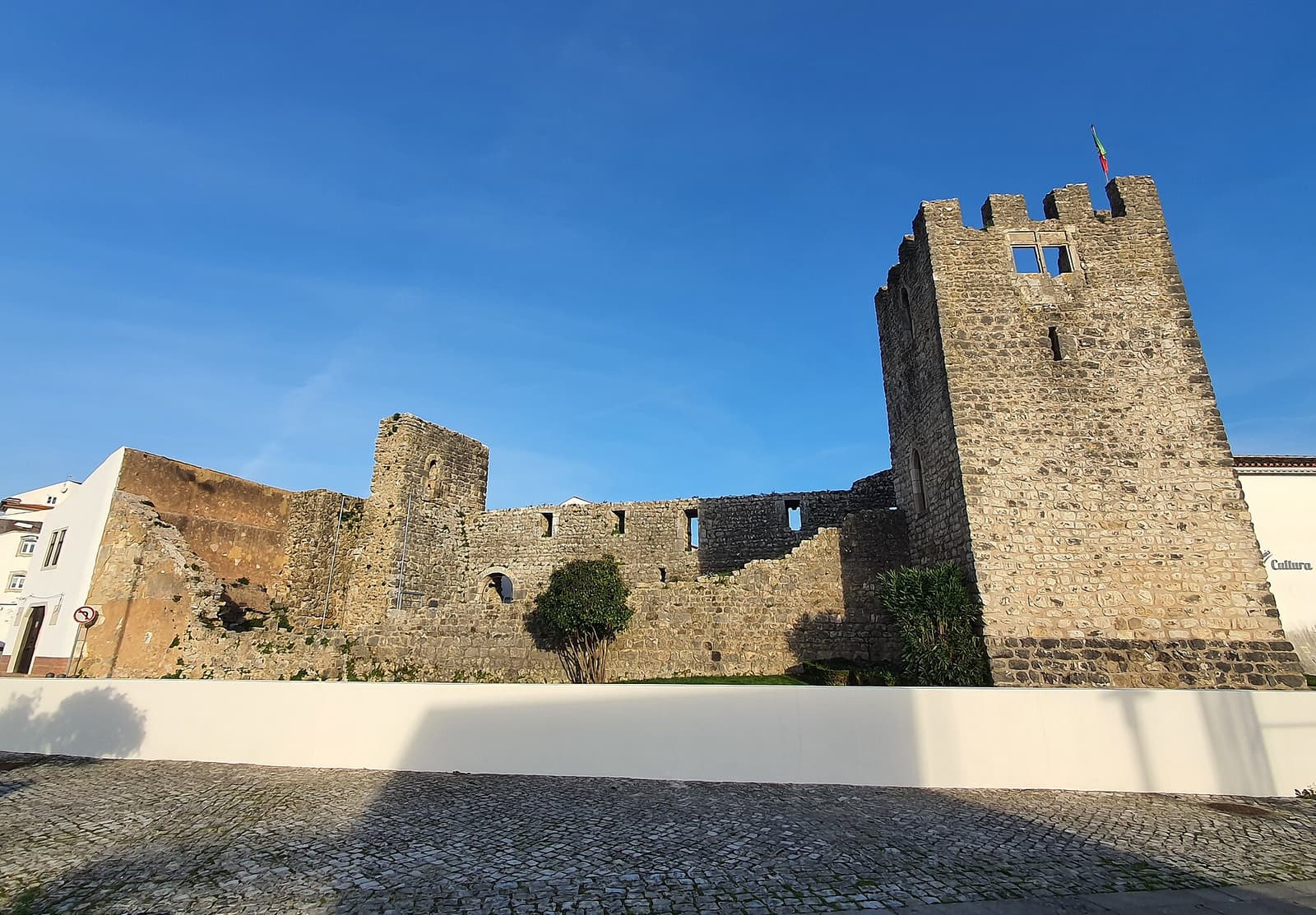
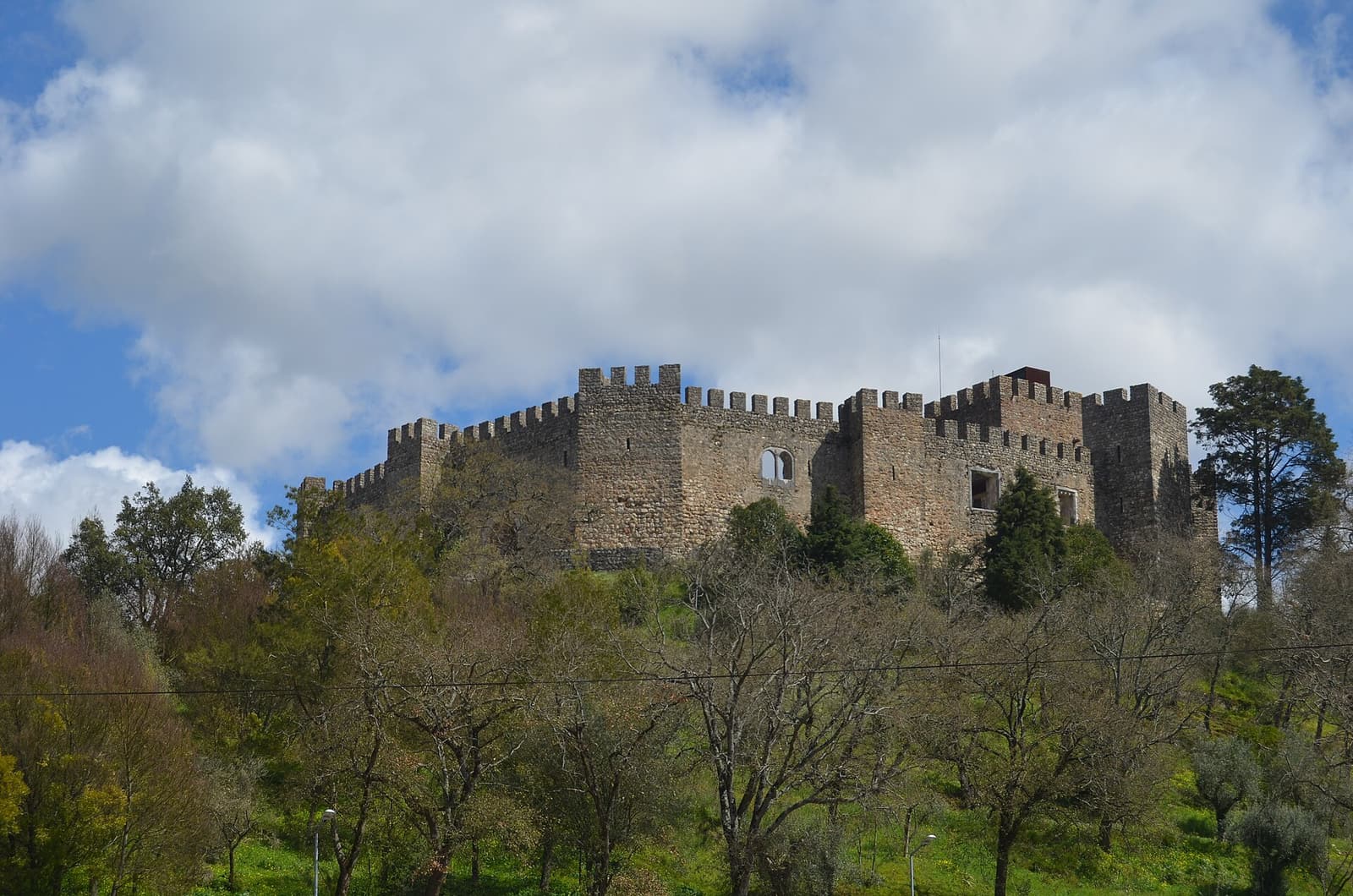
Pombal Castle, a Templar fortress raised by Gualdim Pais above the River Arunca, in Pombal, Leiria district, classified as a National Monument.
- Location
- Pombal, Leiria
- Built
- c. 1156–1171
- Style
- Românico
Pombal Castle stands on a rocky massif that dominates the town of Pombal and the valley of the River Arunca, in the district of Leiria. It is one of the most expressive testimonies to Templar military architecture in Portugal, the direct result of the work of Dom Gualdim Pais, the master who adapted to the kingdom the defensive innovations he had encountered in the Holy Land.
Templar foundation
Construction began around 1156, in the context of fixing the Christian frontier south of the Mondego during the reign of Dom Afonso Henriques. The king had granted the Order of the Temple vast territories between the Mondego and the Tagus, with Gualdim Pais charged with organising their defence. Pombal thus formed part of a system of military strongholds that included Soure, Penela, Germanelo, Miranda do Corvo and Arouce, intended to watch over the approaches to Coimbra and to sustain the advance of the Reconquest. This logic of a network brings Pombal close to other Templar undertakings coordinated from the same period, such as the Soure Castle and, above all, the great construction site of Tomar.
The most notable feature of the complex is the keep, completed in 1171, endowed with an alambor — the sloping talus at the base of the walls that hindered assault and the digging of mines. This element, rare in Portugal, was introduced by the Templars and constitutes a technical signature that links Pombal to Tomar Castle, the seat of the Order. The walled enclosure, reinforced by an unusual number of turrets, reflects the pioneering character of the military engineering that Gualdim Pais sought to implant.
From the Order of the Temple to the Order of Christ
With the suppression of the Order of the Temple by the pope, between 1311 and 1312, the Templar holdings in Portugal were transferred to the newly created Order of Christ, in 1317, at the initiative of Dom Dinis. The castle retained political importance: in 1323 it hosted peace negotiations between Dom Dinis and his son, the future Dom Afonso IV, and during the dynastic crisis of 1383–1385 it aligned with the cause of the Master of Avis, the future Dom João I.
Over the following centuries the fortress lost its strictly military function, receiving Manueline interventions in the sixteenth century. It suffered significant damage during the French Invasions, in 1811, in the framework of the Peninsular campaign that ravaged the region of Leiria, close to Leiria Castle.
Classification and visit
Pombal Castle has been classified as a National Monument since 1910, forming part of the vast set of fortifications recognised within the panorama of Portuguese castles. It was the subject of restoration campaigns in the 1940s, under the Directorate-General for National Buildings and Monuments, and of a further intervention in the early twenty-first century, which provided the site with interpretive trails and improved access to the enclosure.
The town of Pombal gained additional renown through its association with the noble title of Marquis of Pombal, granted in 1770 to Sebastião José de Carvalho e Melo, minister of Dom José I, who lived here in exile during his final years and died in 1782. Today the castle is one of the principal markers of identity for the municipality and a starting point for discovering the Templar legacy in central Portugal.
Frequently asked questions
- Who ordered the construction of Pombal Castle?
- The castle was raised by Dom Gualdim Pais, master of the Order of the Temple in Portugal, from around 1156, as part of the network of Templar strongholds that defended the line of the Mondego.
- Does Pombal Castle have a connection to the Marquis of Pombal?
- Yes, but an indirect one. The town gave its name to the title of Marquis of Pombal, granted in 1770 to Sebastião José de Carvalho e Melo, who spent his final years and died in Pombal, in 1782.
- What is the talus of the keep?
- The talus is the sloping base of the walls, introduced by the Templars to hinder the approach of siege engines and the advance of mines. The keep of Pombal, with its talus, was completed in 1171.
Sources
Keep exploring
Heritage nearby
More places to discover from here. Approximate straight-line distances, within 50 km.