Monuments
Monastery of São Vicente de Fora
Monastery of São Vicente de Fora in Lisbon: a foundational landmark of Mannerism, the pantheon of the House of Braganza, and one of the country's greatest…
- Location
- Lisboa, Lisboa
- Built
- 1582–1629
- Style
- Maneirismo
The Monastery of São Vicente de Fora stands on the hill of Graça in Lisbon and is one of the foundational landmarks of Mannerist architecture in Portugal. Its origins date back to 1147, when D. Afonso Henriques ordered the construction of a house in honor of Saint Vincent, proclaimed the city’s patron saint after the conquest of Lisbon, near the city walls—hence “de Fora” (outside the walls). The building we admire today, however, is the result of a complete reconstruction begun in 1582 during the Philippine Dynasty and completed in the first third of the 17th century.
A Foundational Work of Mannerism
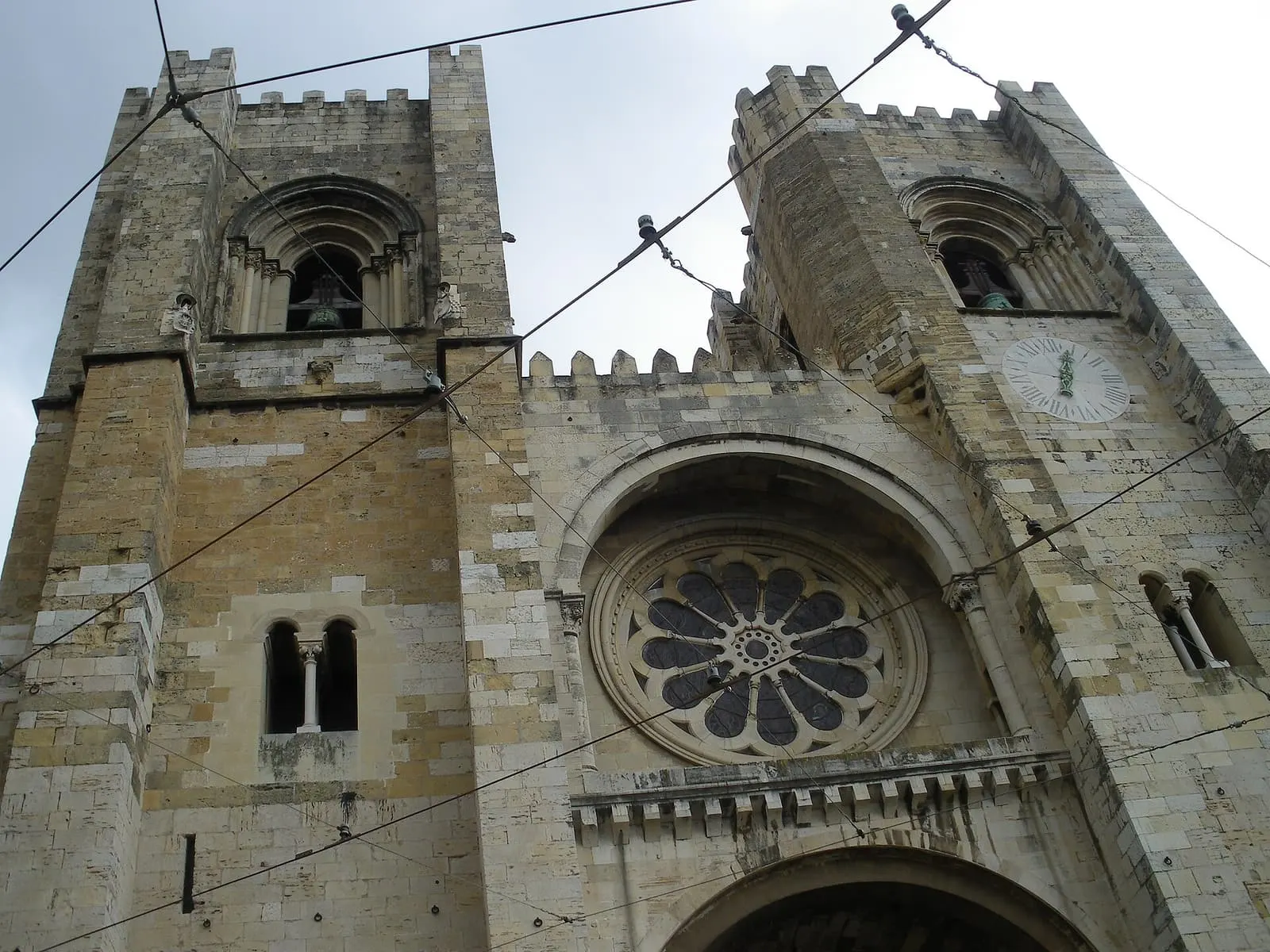
The new church, built between 1582 and 1629, broke with the still-dominant Manueline grammar and introduced a severe, balanced, and Italian-inspired language to Portugal. The design is associated with engineer Filippo Terzi and the circle of royal architect Juan de Herrera, designer of El Escorial, while the famous façade—featuring two towers and a pediment crowned with statues of Saint Augustine, Saint Sebastian, and Saint Vincent—is attributed to Baltasar Álvares. The interior, with its vaulted single nave and dome over the transept, organizes space with a geometric clarity that would influence Portuguese religious architecture in the following decades, foreshadowing solutions found in other major temples of the capital, such as the Lisbon Cathedral.
The floor plan of São Vicente, with its vaulted nave and interconnected side chapels, became a model replicated throughout the order and marks the transition between Manueline exuberance and the restraint of the Counter-Reformation.
The Pantheon of the House of Braganza
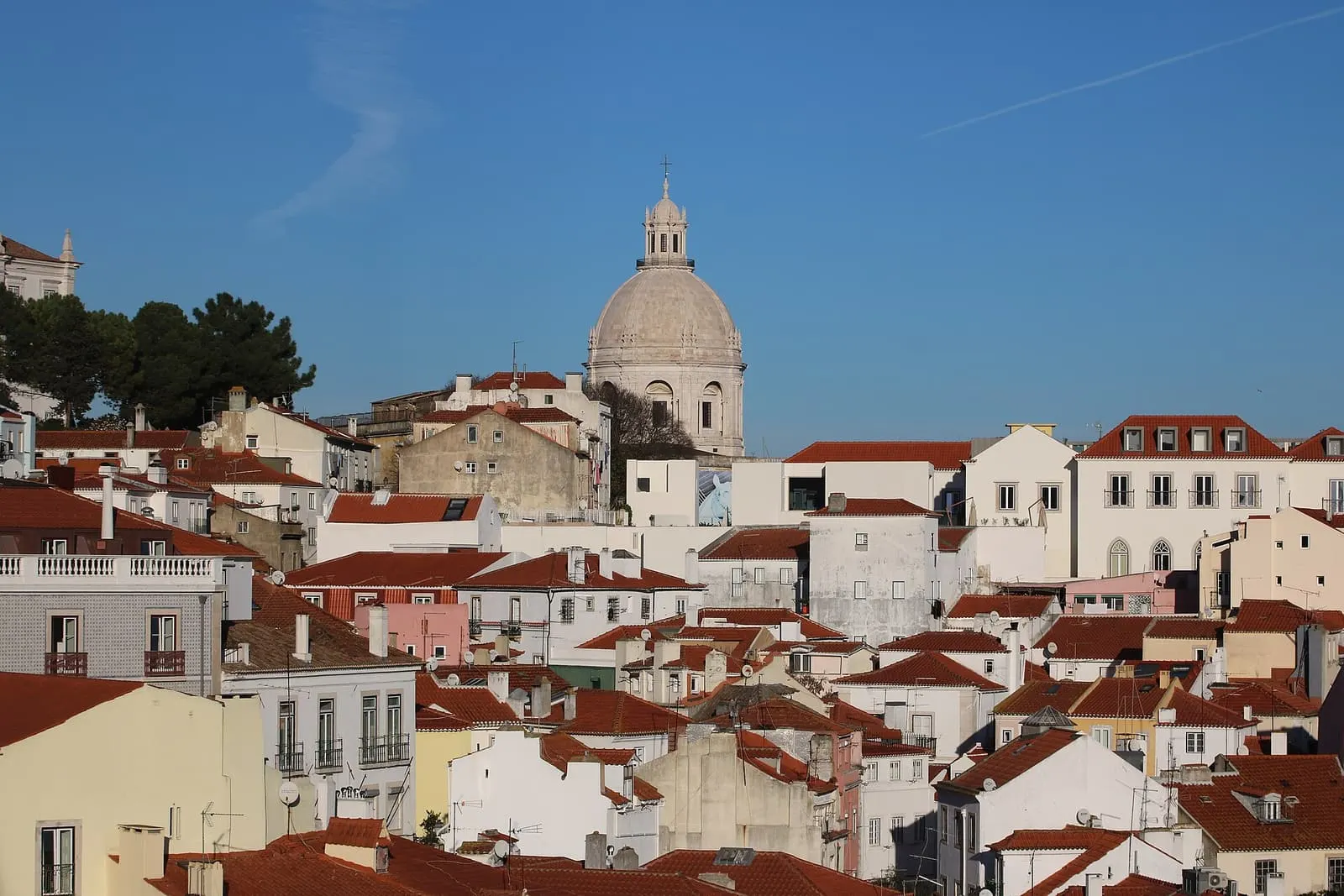
It was D. João IV, restorer of independence in 1640 and founder of the Braganza dynasty, who linked the monastery to dynastic memory. Between 1854 and 1855, the royal tombs were transferred to the former refectory, transformed into a pantheon. Here lies nearly the entire last reigning Portuguese house, from D. João IV to D. Manuel II, including D. Carlos I and Prince Luís Filipe, assassinated in the 1908 regicide. This funerary vocation aligns the complex with another great Lisbon pantheon, the Church of Santa Engrácia, now the National Pantheon, though São Vicente has retained its royal and familial character.
Azulejos, Cloisters, and Panoramic Views
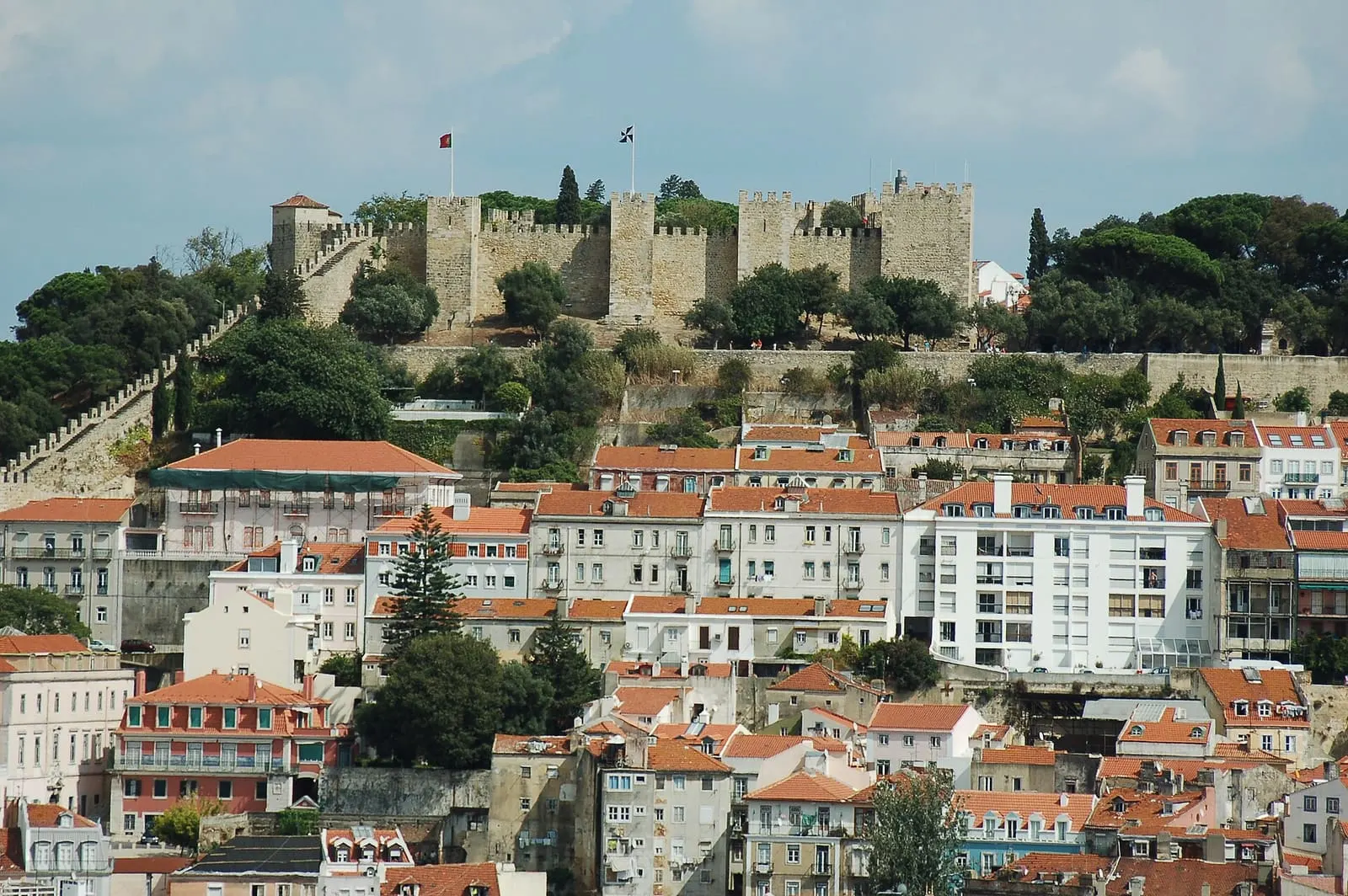
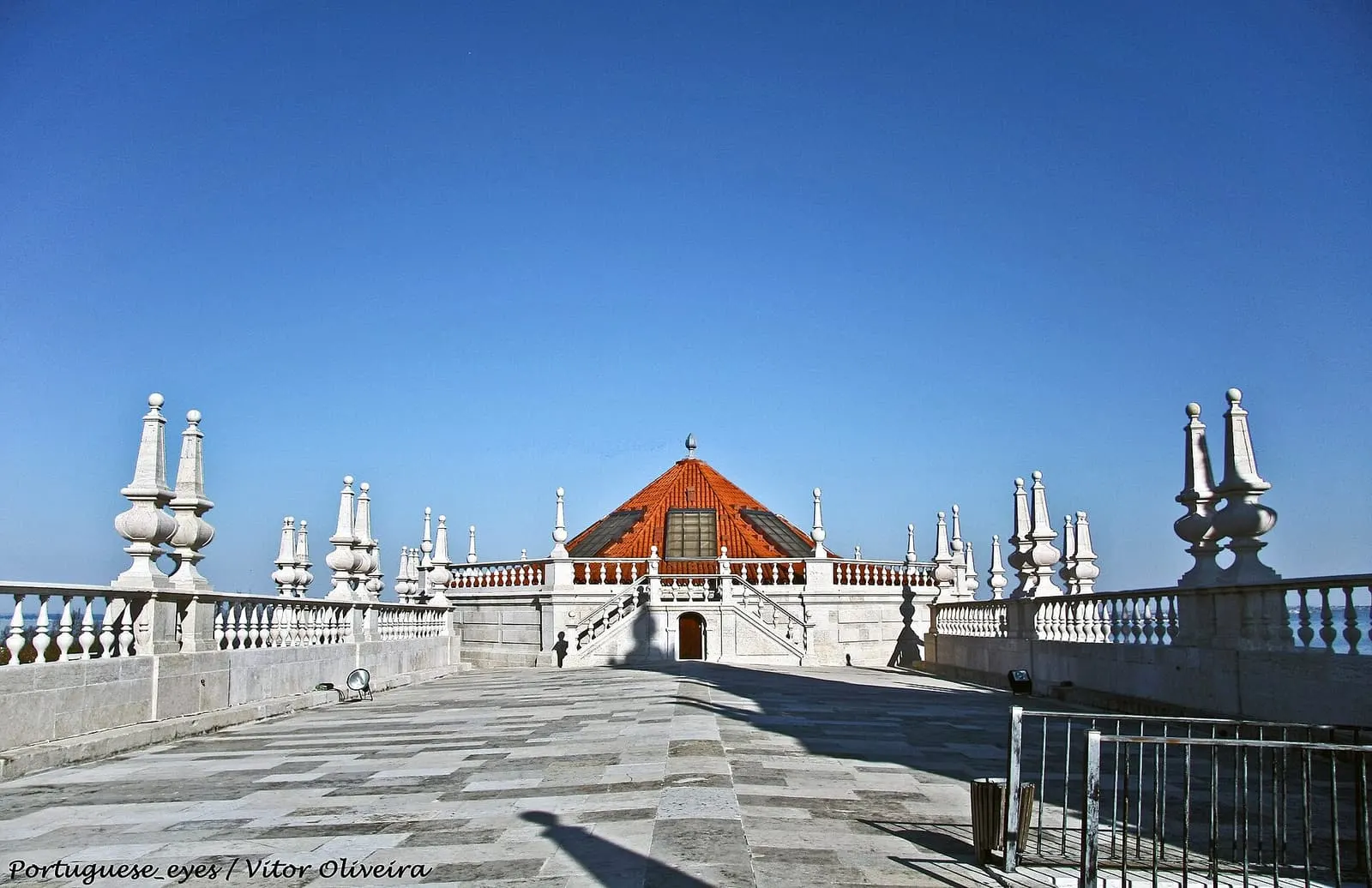
The monastery’s richness extends to its cloisters and galleries, adorned with one of the most remarkable collections of Baroque azulejo tiles in the country. Notable are the 18th-century panels illustrating La Fontaine’s fables—a rare example of secular iconography in a monastic setting—and the historical compositions evoking the conquests of D. Afonso Henriques. From the upper terrace, one of the broadest views of the city unfolds, encompassing the Alfama district, the Castle of São Jorge, and the Tagus estuary.
Classified as a National Monument in 1910, the complex is part of the network of major monasteries that structure Portugal’s monastic heritage. Combining Mannerist architecture, a dynastic pantheon, and exceptional azulejo artistry, the Monastery of São Vicente de Fora remains one of the most profound testimonies to Lisbon’s religious and political history.
Frequently asked questions
- Who is buried in the Monastery of São Vicente de Fora?
- The former refectory houses the Pantheon of the House of Braganza, containing the tombs of nearly all monarchs of the dynasty, from D. João IV to D. Manuel II, as well as several queens and royal infants.
- What architectural style does the monastery have?
- It is one of the first major Mannerist works in Portugal, with a façade attributed to Baltasar Álvares and a design associated with Filippo Terzi and the circle of Juan de Herrera.
- Can the monastery's terrace be visited?
- Yes. The tour route includes the azulejo-tiled cloisters, the sacristy, the pantheon, and the terrace, which offers a sweeping panoramic view over Lisbon and the Tagus River.
Sources
Keep exploring
Heritage nearby
More places to discover from here. Approximate straight-line distances, within 50 km.