Monuments
Angra do Heroísmo Cathedral
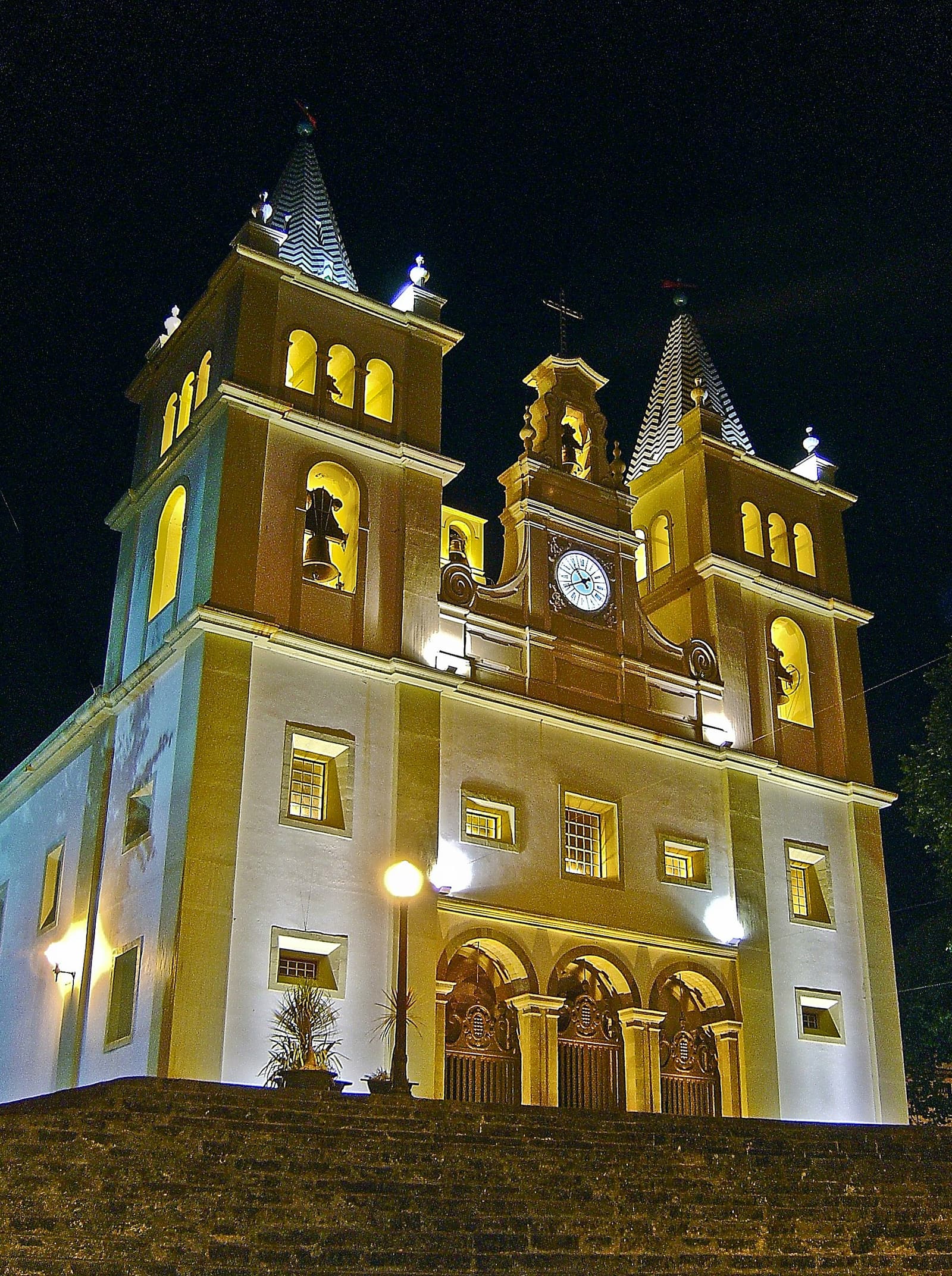
Angra do Heroísmo Cathedral, on Terceira Island, is the largest church in the Azores and the cathedral of the Diocese of Angra, located in the UNESCO World…
- Location
- Angra do Heroísmo, Açores
- Built
- 1570–1618
- Style
- Maneirismo (arquitetura chã)
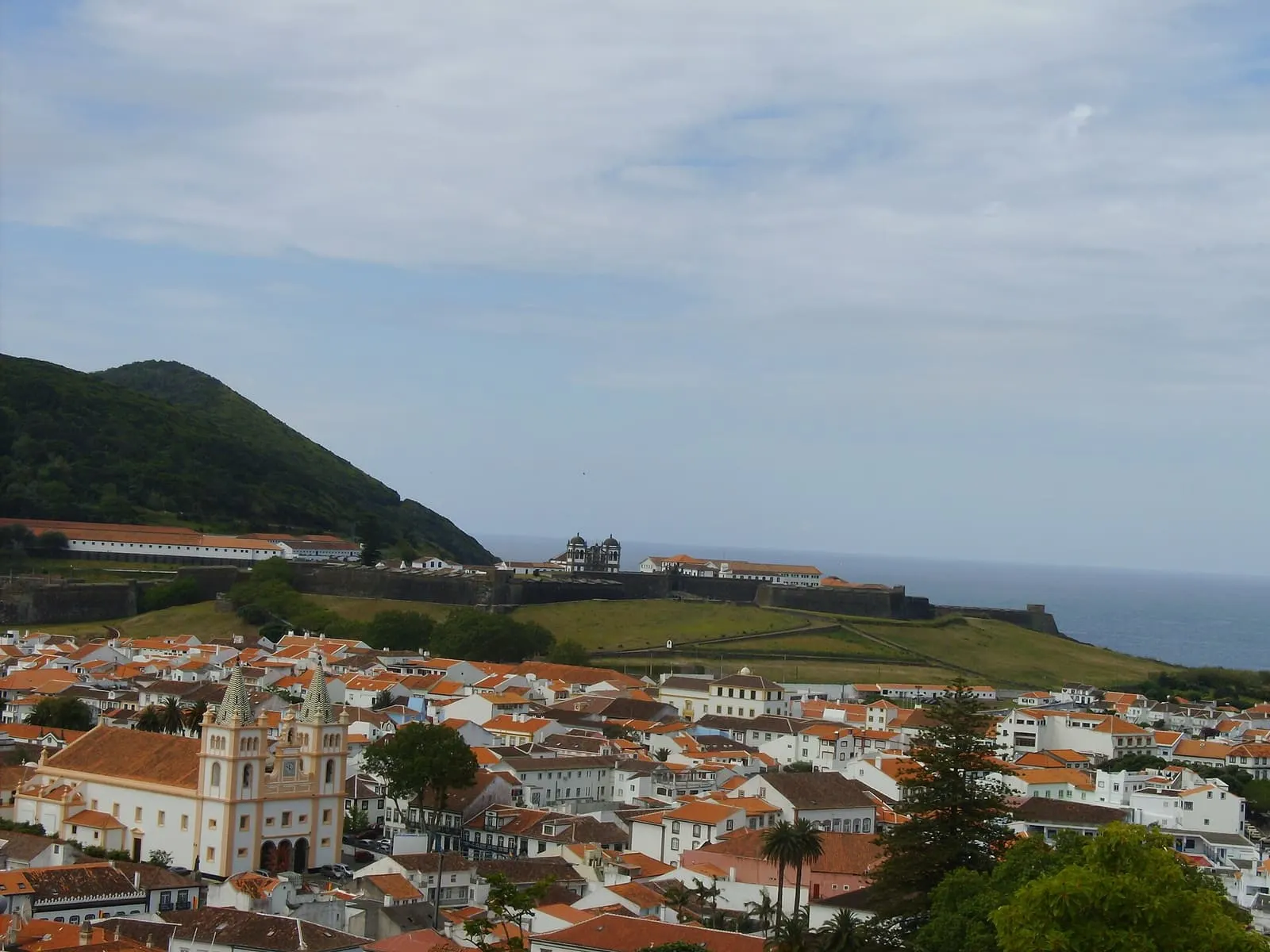
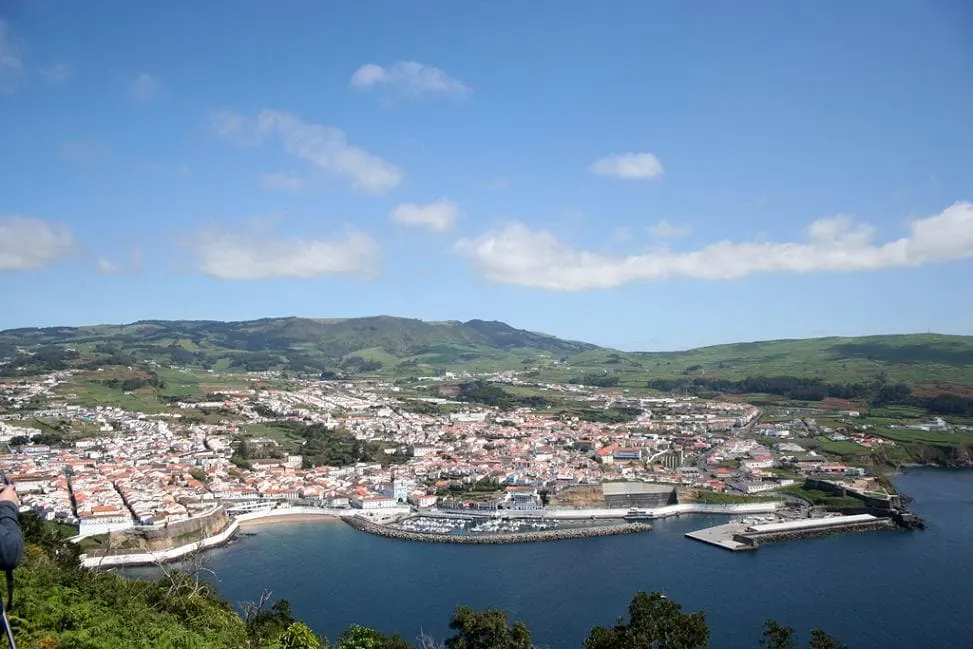
Angra do Heroísmo Cathedral, officially the Church of the Holy Saviour, is the cathedral of the Diocese of Angra and the largest religious temple in the Azores. It stands in the Sé parish, at the heart of Angra do Heroísmo’s historic center on Terceira Island, an urban ensemble classified by UNESCO as World Heritage.
History
The presence of a place of worship on this site predates the current building. A church dedicated to São Salvador previously stood here, founded in the mid-15th century and completed around 1496. With the creation of the Diocese of Angra, established by papal bull from Pope Paul III in 1534 — the first diocese created outside continental Europe during Portuguese expansion — a temple worthy of the new episcopal see became necessary.
Construction of the current cathedral began in 1570 with the laying of the foundation stone and continued over subsequent decades until the first quarter of the 17th century. The initial design is attributed to architect Luís Gonçalves, later adapted by João de Carvalho. The building reflected Angra’s strategic importance as a mandatory stop on Atlantic routes between Europe, the Americas, and the Orient.
Architecture
The Cathedral is a notable example of Mannerism and the so-called plain Portuguese architecture, characterized by sober lines, clear volumes, and the decorative restraint typical of the period. The main facade, flanked by two bell towers, features a highly vertical composition contrasting with the spacious three-nave interior. Over centuries, the temple acquired gilded woodwork, organs, and azulejo tiles that enriched the liturgical space, integrating into the decorative tradition seen across many Portuguese cathedrals.
The Cathedral’s scale and monumentality make it an urban landmark, harmonizing with the 16th-century fabric and regular layout of Angra do Heroísmo’s historic center.
Disasters and Restoration
Its Atlantic location exposed the monument to successive earthquakes and storms. The 1980 earthquake, which severely affected Terceira Island, caused significant structural damage. Just a few years later, in September 1983, a violent fire destroyed most of the gilded woodwork, organs, and interior roofing — one of the most traumatic episodes in the building’s history.
Reconstruction over subsequent years allowed the temple’s reconsecration in 1985. In 1991, during his apostolic visit to the Azores, Pope John Paul II prayed in the cathedral, underscoring its symbolic importance for the island community.
Classified as a monument and integral part of the World Heritage site, the Cathedral remains the city’s principal temple and a reference for the religious identity of the Azores, the spiritual center of an archipelago that finds its oldest historic core in Angra do Heroísmo.
Frequently asked questions
- Where is Angra do Heroísmo Cathedral located?
- It is situated in the Sé parish, in the historic center of Angra do Heroísmo city on Terceira Island in the Azores.
- Which diocese does Angra Cathedral belong to?
- It is the cathedral of the Diocese of Angra, established by papal bull in 1534, which covers the entire Azores archipelago.
- When was it built?
- Construction of the current temple began in 1570 and continued until the early 17th century, built over a previous Church of São Salvador.
- What happened in the 1983 fire?
- In September 1983, a fire destroyed much of the gilded woodwork, organs, and ceiling; the temple was restored and reconsecrated in 1985.
Sources
Keep exploring
Heritage nearby
More places to discover from here. Approximate straight-line distances, within 50 km.