World Heritage
Central Zone of the Town of Angra do Heroísmo (Azores)
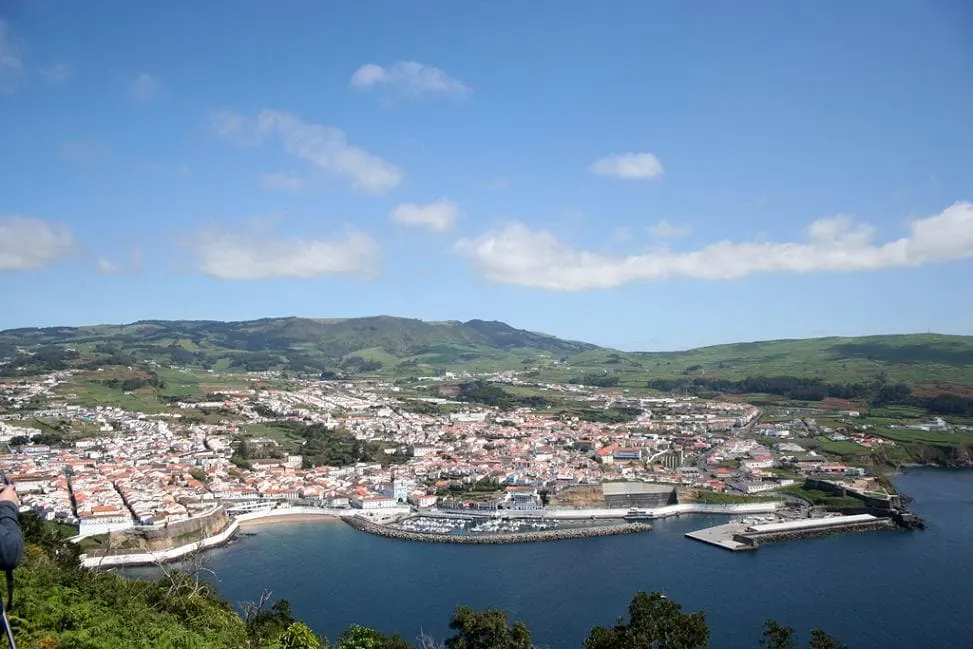
Historic centre of Angra do Heroísmo, on Terceira Island (Azores): a Renaissance Atlantic port and UNESCO World Heritage Site since 1983.
- Location
- Angra do Heroísmo, Açores
- Built
- Século XV–XVI
- Style
- Traçado renascentista; arquitetura militar e barroca
- UNESCO
- World Heritage · since 1983
The Central Zone of the Town of Angra do Heroísmo, on Terceira Island, was inscribed on UNESCO’s World Heritage List in 1983 (reference 206). It is the oldest urban settlement in the Azores and one of the most complete examples of the way Portugal organised, in the Atlantic, a port city in the service of maritime expansion.
A port between two worlds
Founded in the last quarter of the 15th century and raised to the status of a town in 1534, Angra owes its importance to its geographical position. Lying halfway along the route between Europe, America and India, its sheltered bay became an obligatory port of call for the fleets returning laden from their transoceanic voyages. For more than three centuries, until the steamship became widespread in the 19th century, it was here that the ships of the Discoveries and the galleons of the India Run and the Caribbean fleets took on water, firewood and provisions.
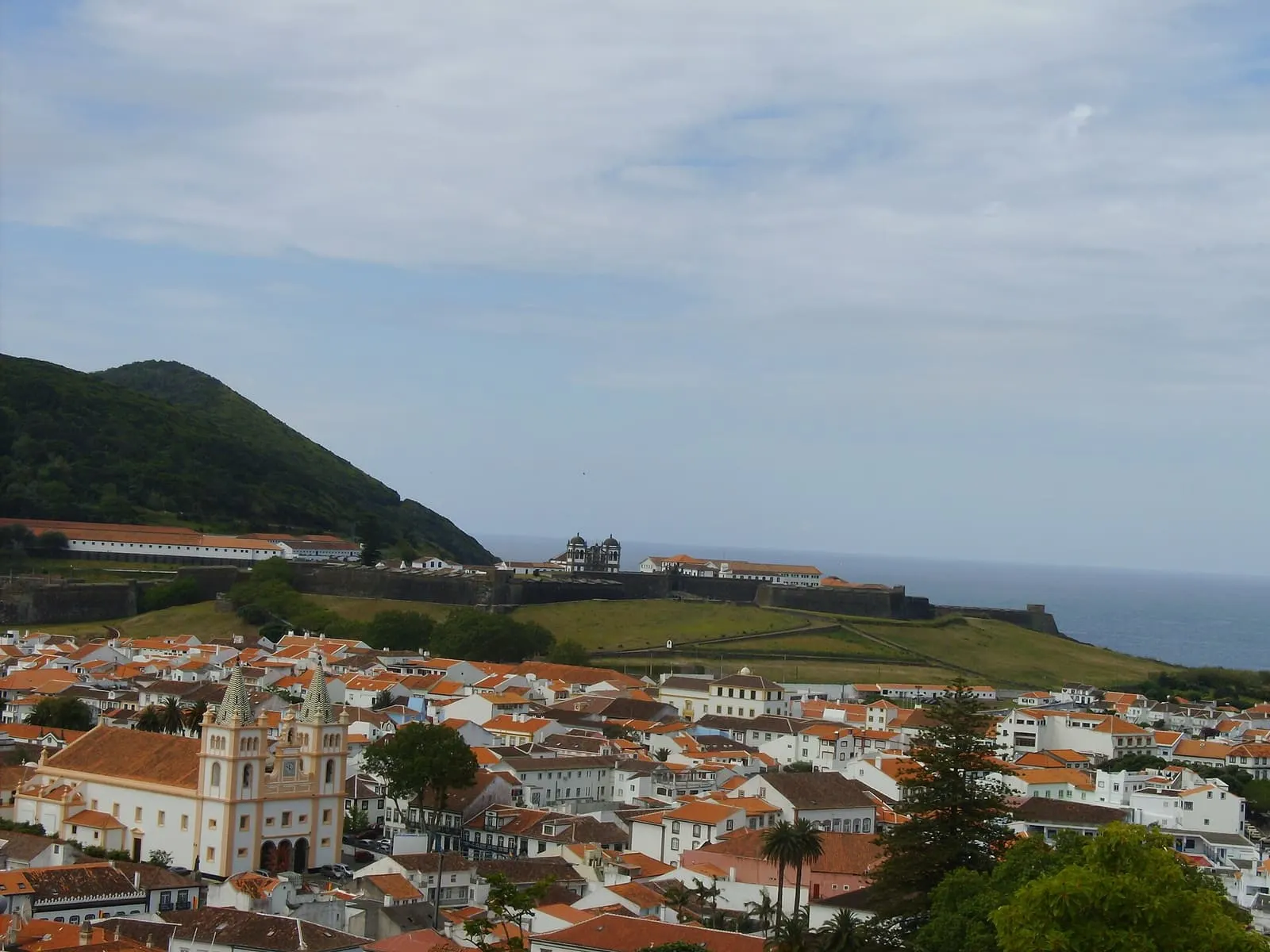
This strategic function explains the town’s layout. Unlike the organically grown settlements of the mainland, Angra was designed according to a regular plan of Renaissance inspiration, with orthogonal streets descending from the hills to the sea. It is this urban design, largely preserved, that constitutes one of the universal values recognised by UNESCO.
The defence of the bay was conceived on the scale of the Atlantic: whoever controlled Angra controlled the resupply of every fleet that crossed the ocean.
Fortifications and religious architecture
The vulnerability of such a coveted port called for a remarkable defensive system. The Fortress of São João Baptista, raised on the isthmus of Monte Brasil during the dynastic union with Spain, is one of the largest ensembles of bastioned military architecture built by Philip II, complemented by the Castle of São Sebastião at the other end of the bay. Together, these works frame and protect the cove.
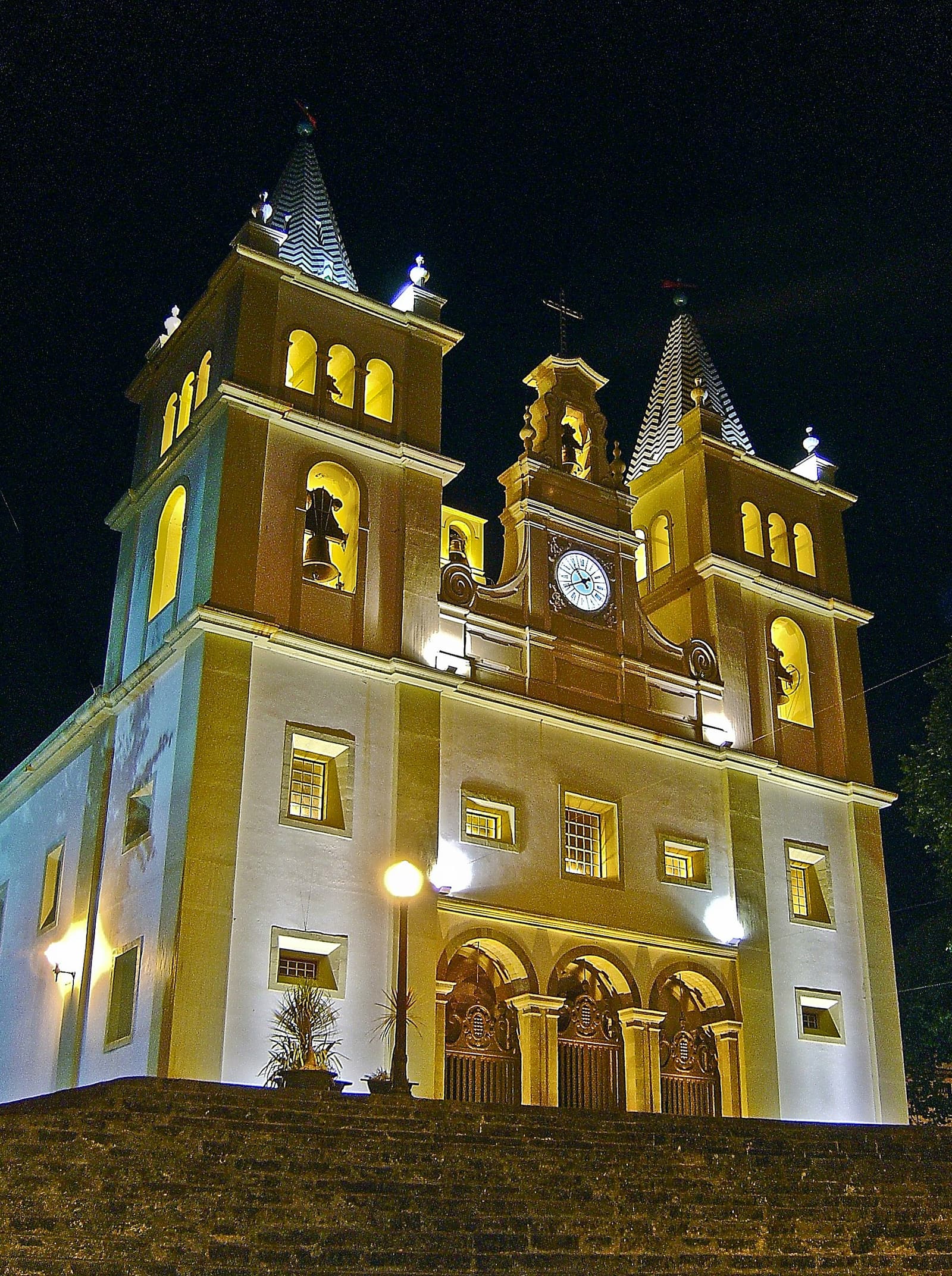
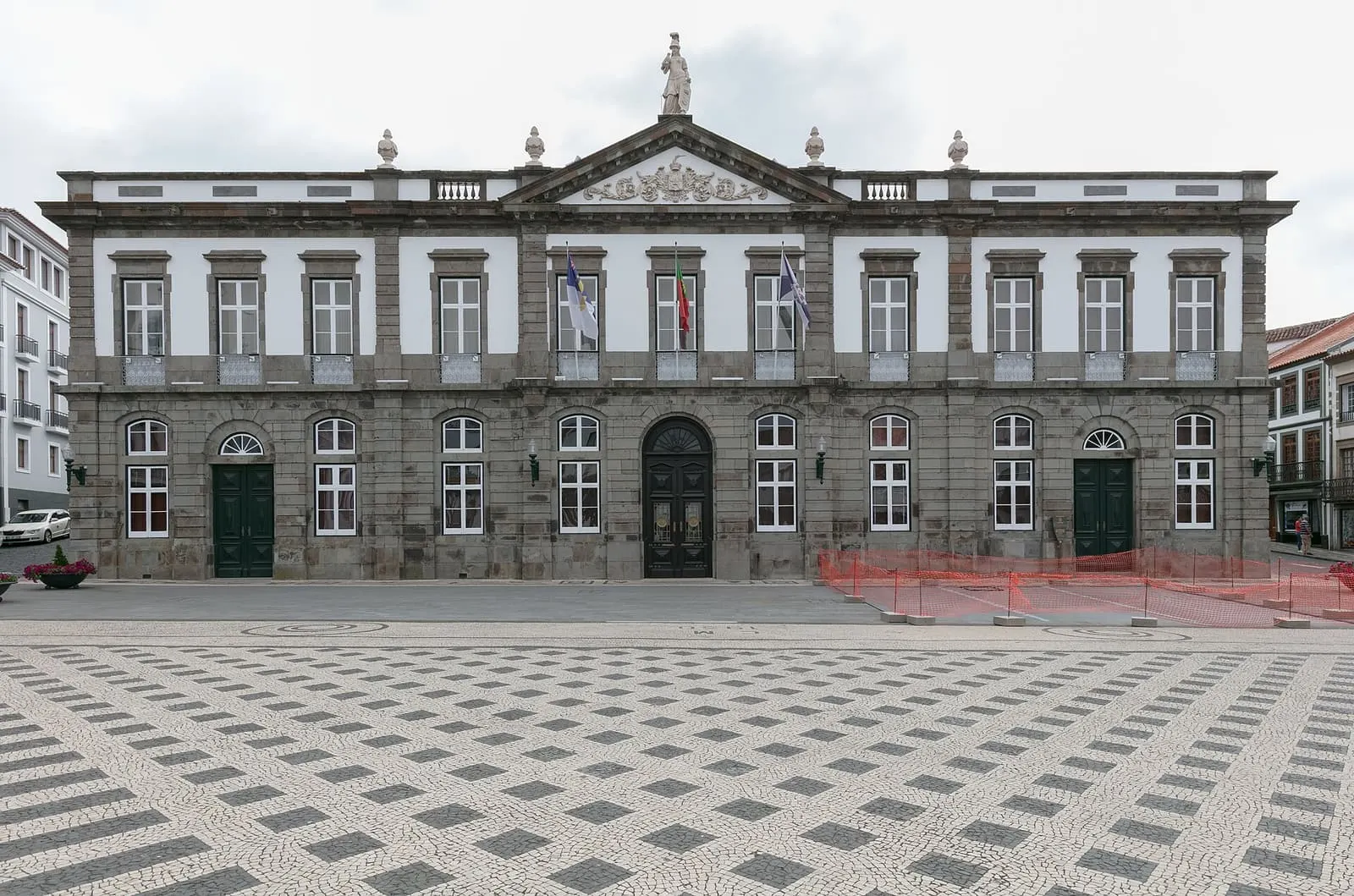
Within the urban fabric stands the Cathedral of the Santíssimo Salvador, seat of the oldest bishopric in the Azores, alongside the churches of the Misericórdia and the Espírito Santo and the Franciscan and Jesuit convents, in Baroque style. The palaces, manor houses and seigneurial dwellings built of volcanic stone masonry give the ensemble an unmistakable material and chromatic unity.
The 1980 earthquake and the reconstruction
On 1 January 1980, a violent earthquake shook the central group of the Azores and struck Angra hard, destroying or damaging much of the historic built fabric. Rather than demolish, the choice was made for a careful reconstruction that preserved the original façades, massing and ground plan. This safeguarding effort, rare for its coherence, was decisive in leading UNESCO, three years later, to recognise the exceptional value of the ensemble.
Today, Angra do Heroísmo is at once a living town and an urban document of the modern Atlantic. Those who travel through the Azores will find on other islands complementary testimonies of this relationship between humankind and the ocean, such as the Landscape of the Pico Island Vineyard Culture, itself a World Heritage Site.
Frequently asked questions
- Why is Angra do Heroísmo a UNESCO World Heritage Site?
- Because it was an Atlantic port of obligatory call between the 15th and 19th centuries, with an intact Renaissance urban layout and a remarkable ensemble of fortifications and Baroque religious architecture.
- Which island of the Azores is Angra do Heroísmo on?
- It lies on the south coast of Terceira Island, in the central group of the Azores archipelago. It was the first town in the Azores and the historic capital of the Captaincy.
- How did the 1980 earthquake affect the historic centre?
- The earthquake of 1 January 1980 severely damaged the town. The reconstruction respected the original street grid and façades and was decisive for the UNESCO listing in 1983.
Sources
Keep exploring
Heritage nearby
More places to discover from here. Approximate straight-line distances, within 50 km.