Monuments
Aveiro Cathedral (São Domingos)
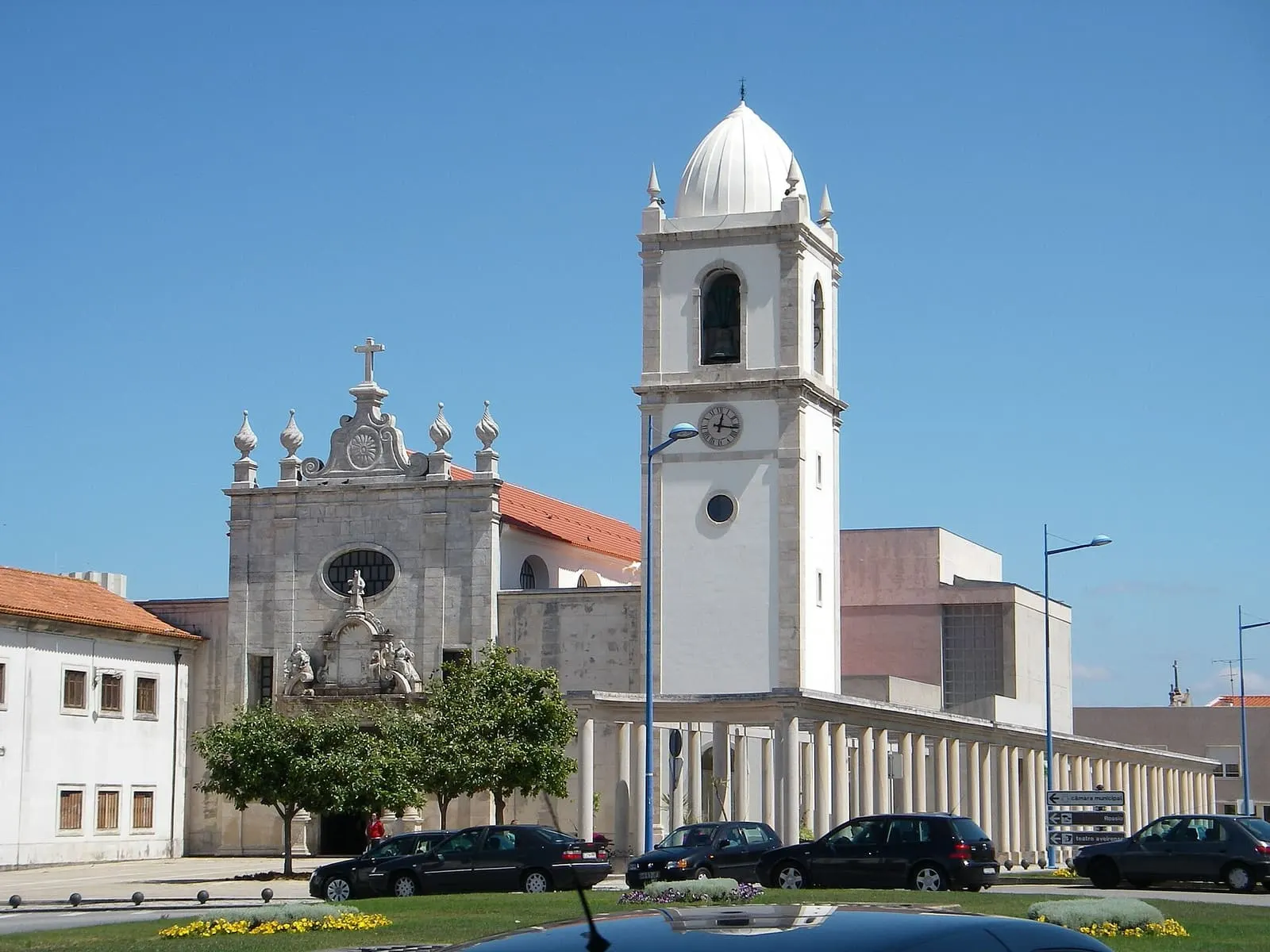
Aveiro Cathedral, formerly the church of the Convent of São Domingos elevated to cathedral status in 1938, featuring a Baroque portal from 1719, located near…
- Location
- Aveiro, Aveiro
- Built
- 1423 (fundação); portal de 1719
- Style
- Maneirista e barroco
Aveiro Cathedral, also known as the Church of São Domingos, is the cathedral of the Diocese of Aveiro and one of the most emblematic monuments of the lagoon city. Situated near the old urban heart, just steps from the canals connecting the city to the lagoon, it results from a long stratification of construction campaigns that began with a medieval convent and culminated in the Baroque façade that identifies it today.
From Dominican convent to cathedral
The origins of the temple date back to 1423, the year the Convent of São Domingos was founded, the first to be erected within the walled perimeter of what was then the town of Aveiro. Throughout the 16th and 17th centuries, the convent church was successively expanded and remodeled, reflecting the growing importance of the Dominican community in the region.
With the dissolution of religious orders in 1834, the convent lost its monastic function, and the church became the parish church under the invocation of Our Lady of Glory. The highlight of its history occurred in 1938, when, with the restoration of the Diocese of Aveiro by papal bull of Pope Pius XI, the former Dominican temple was elevated to the dignity of cathedral. It has been classified as a Property of Public Interest since 1996.
The building’s trajectory — from convent to parish church and finally to cathedral — mirrors the institutional history of Aveiro city, whose affirmation as a religious center only consolidated in the 20th century.
The Baroque façade of 1719
The most notable element of the exterior is the portal, dated 1719 and commonly attributed to French sculptor Claude Laprade. The intervention of this period gave the originally Mannerist façade its Baroque appearance. The central body is organized around a portal framed by pairs of twisted columns and topped by a niche and curved pediment, animated by abundant ornamentation.
Standing out in the ensemble are the images of the three theological virtues — Faith, Hope, and Charity — as well as the coat of arms associated with Infante D. Pedro, enveloped in foliage and framed by Dominican symbolism. In front of the church stands the Cruzeiro de São Domingos, a 17th-century stone landmark that punctuates the forecourt and extends the Baroque reading of the space. This vocabulary places the Cathedral within the broader panorama of Baroque architecture in Portugal, of which the central region preserves high-quality examples.
Interior and significance
Inside, marked by successive restorations after 19th-century fires — the most severe in 1843 — the gilded woodwork of the altars and the tile coverings decorating the nave and the chancel stand out. The high choir and the opening of windows resulted from 18th-century campaigns that reorganized the liturgical space.
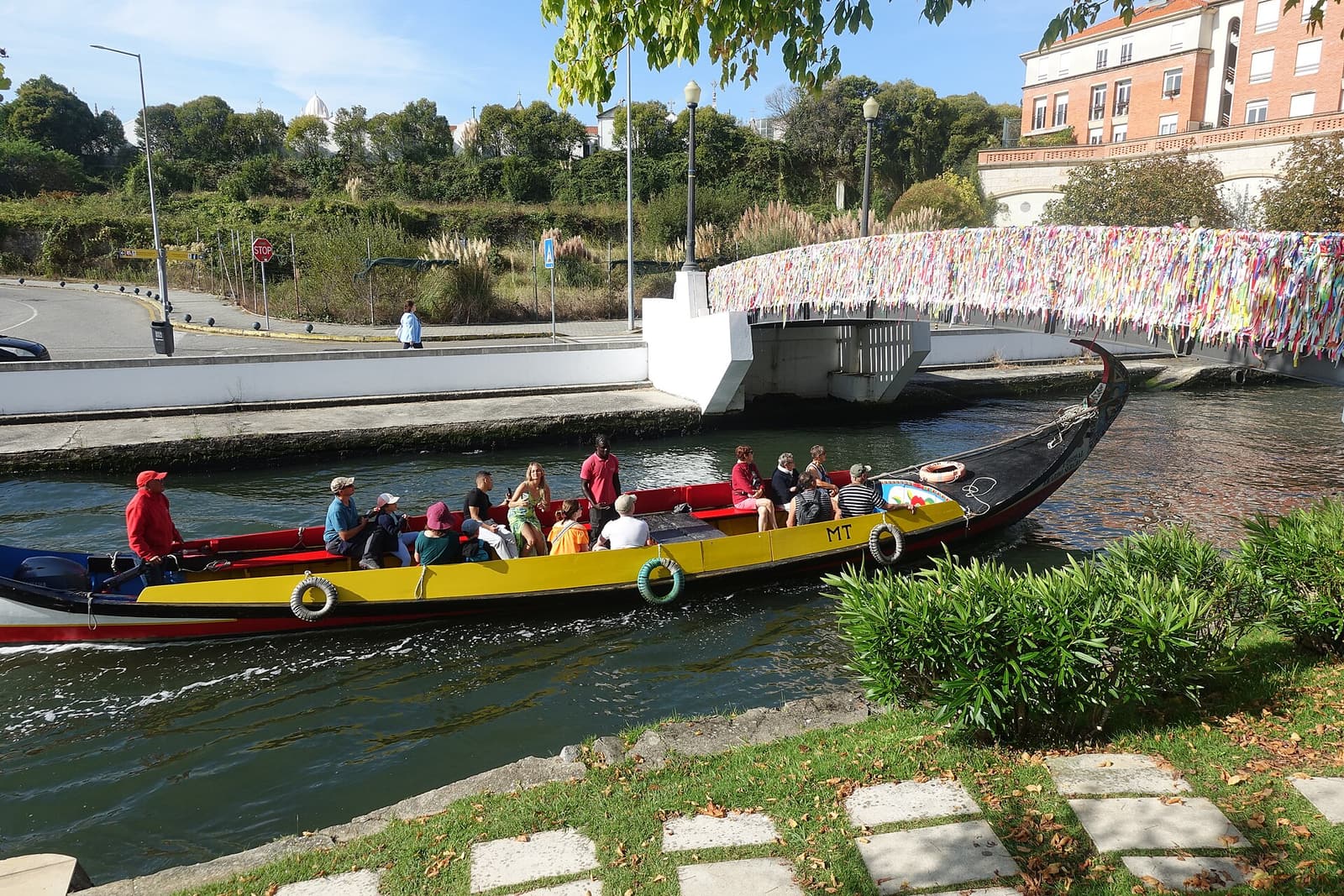
As an episcopal seat, Aveiro Cathedral occupies a unique place among Portuguese cathedrals, distinguished by being one of the few national cathedrals born from a conventual church. Its location, near the lagoon and the canals where traditional moliceiro boats glide, integrates the monument into one of the most unique landscape and heritage ensembles of the Portuguese coast.
Frequently asked questions
- When did Aveiro Cathedral become a cathedral?
- The former church of the Convent of São Domingos was elevated to cathedral status in 1938 with the creation (restoration) of the Diocese of Aveiro, by papal bull of Pope Pius XI dated August 24 of that year.
- Why is it also called the Church of São Domingos?
- Because it originated from a Dominican convent founded in 1423. Even after being elevated to cathedral status, it retains the name of the former Convent of São Domingos.
- Who is responsible for the Baroque portal of Aveiro Cathedral?
- The portal, dated 1719, is commonly attributed to French sculptor Claude Laprade and gave the formerly Mannerist façade its current Baroque appearance.
Sources
Keep exploring
Heritage nearby
More places to discover from here. Approximate straight-line distances, within 50 km.