Places
Sabugal
Sabugal, a border town in the Guarda district, at the heart of Riba-Côa: the castle of the Five Quinas, Dinis's pentagonal tower, and the Côa valley.
- Location
- Sabugal, Guarda
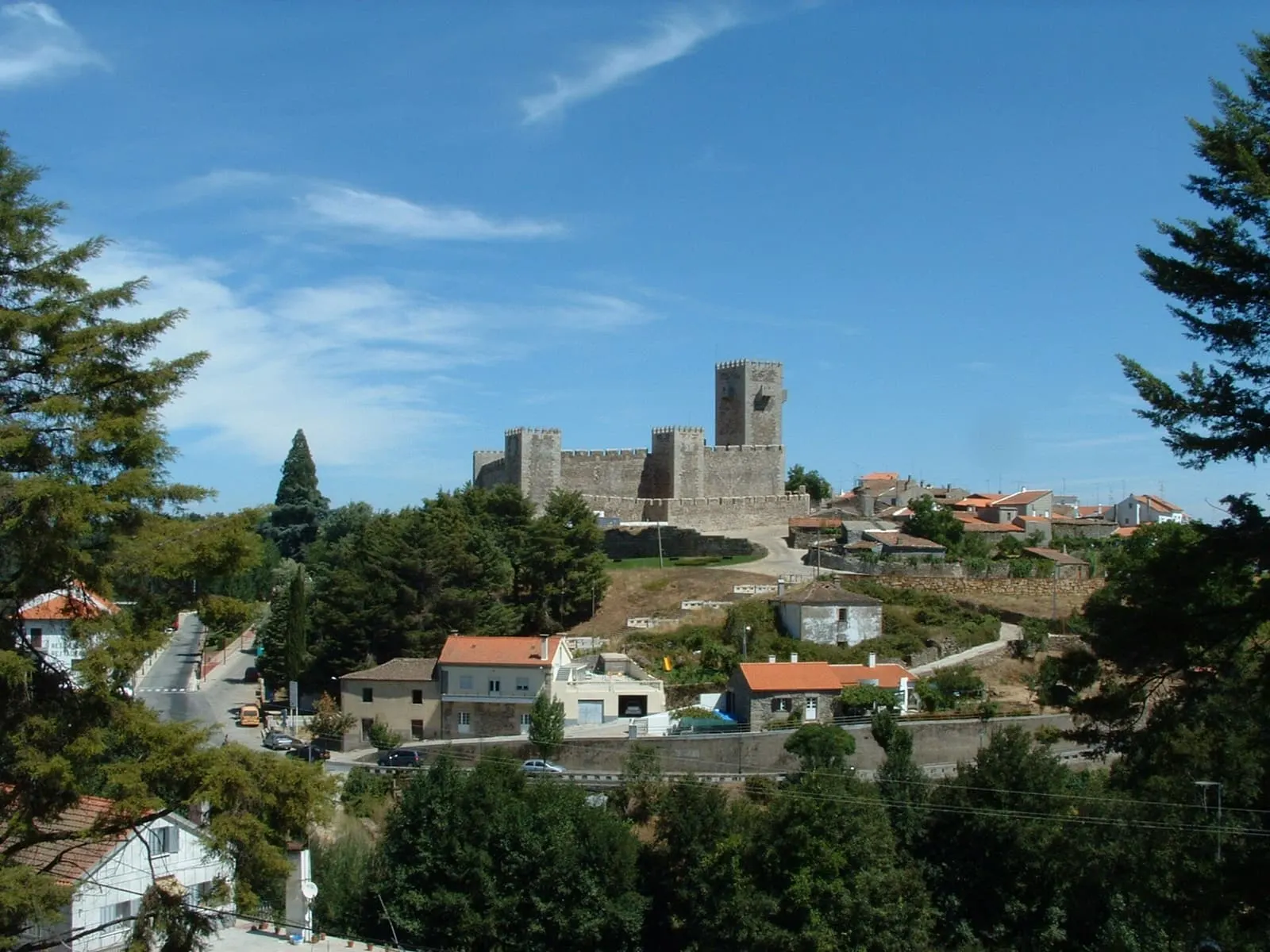
Sabugal rises on the right bank of the Côa River, on a plateau of the Beira borderlands that for centuries was a contested frontier between the kingdoms of León and Portugal. Granted city status in 2005 but with roots as a historic town dating back much earlier, it is now the southern gateway to the territory of Riba-Côa, the lands east of the Côa that were only definitively incorporated into the national territory late in history. The silhouette of its castle, crowned by an unusual five-sided tower, encapsulates the military and symbolic history of this place better than any document.
Riba-Côa and the Alcañices border
The settlement grew around a defensive outpost built in the early 13th century under the crown of León, which established a municipal council here. The decisive turning point came with King Dinis: after conquering the lands of Riba-Côa, the king granted Sabugal its charter in 1296 and secured its possession through the Treaty of Alcañices in 1297. This agreement between Portugal and León fixed the border along the Côa and definitively incorporated towns like Sabugal, Sortelha, Vilar Maior, Alfaiates, and Castelo Mendo into the kingdom. The line drawn then largely remains the Portuguese-Spanish border we know today.
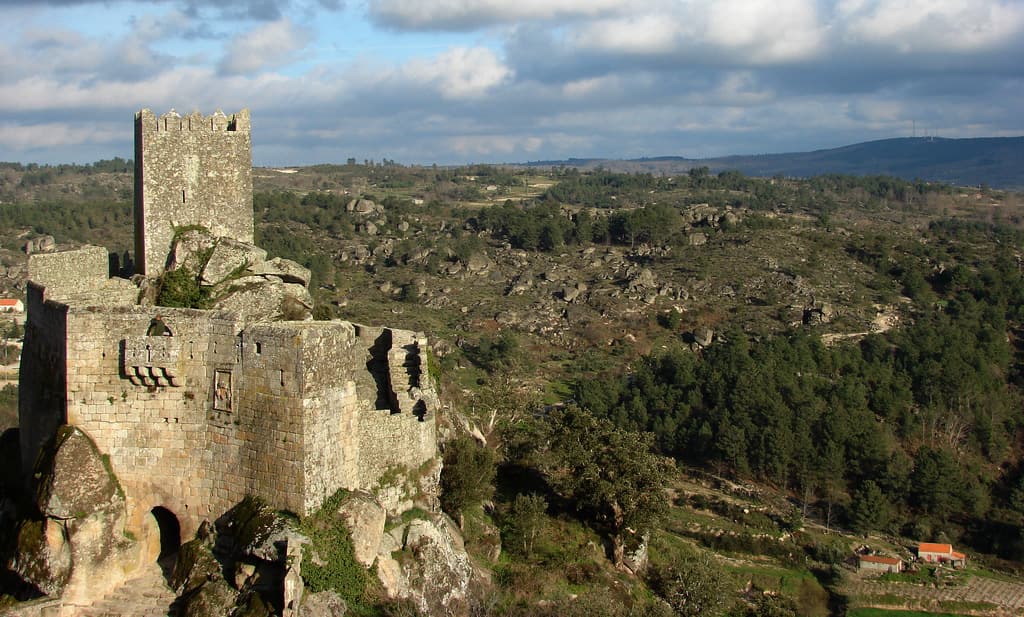
The pentagonal design of the tower is no builder’s whim: each of its five sides echoes the quinas (shields) of the royal coat of arms, making the castle itself an emblem of Portuguese sovereignty over Riba-Côa.
The castle of the Five Quinas
To secure the new border, King Dinis reinforced Sabugal’s castle with an imposing pentagonal keep—unique among Portuguese medieval fortifications, earning the monument its popular name, the castle of the Five Quinas. The Gothic interior of the tower spans three vaulted floors, with keystones adorned with shields bearing the national quinas. Around this core, the walls and gates protecting the town developed, integrating Sabugal into the dense network of castles guarding the Beira borderlands.
Heritage and territory
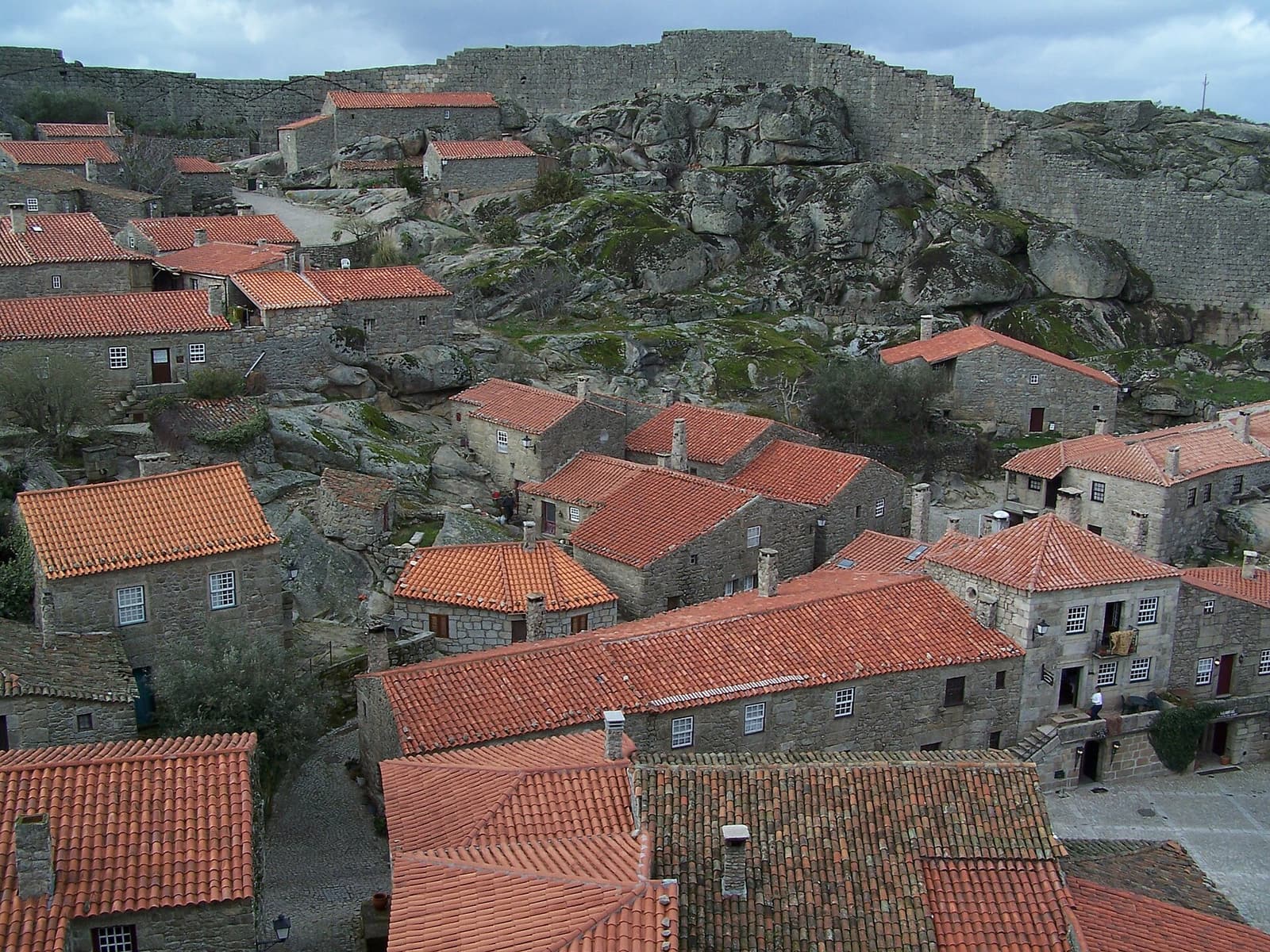
Sabugal is the heart of a vast municipality that includes some of the most notable historic villages of the borderlands, scattered across the plateau between the Serra da Malcata and the Côa valley. The Sabugal Museum, located near the historic center, interprets the long occupation of the territory, from prehistoric and Roman remains to frontier life. Upstream and downstream, the Côa River connects this landscape to the remarkable collection of Paleolithic engravings of the Côa Valley rock art, while the nearby Sé da Guarda, in the district capital, recalls the ecclesiastical and strategic importance of the entire Beira Transmontana region. Pastoralism, granite, and medieval defensive lines form the enduring identity of this border town.
Frequently asked questions
- Where is Sabugal located?
- Sabugal is a border town in the Guarda district, in the Centro region, situated on the right bank of the Côa River, in the historic territory of Riba-Côa, near the border with Spain.
- Why is it called the castle of the Five Quinas?
- Because of its unique pentagonal keep, the only one of its kind in Portugal. The five sides evoke the quinas (shields) of the national coat of arms and symbolize the definitive integration of Riba-Côa into the kingdom after the Treaty of Alcañices in 1297.
- When did Riba-Côa become part of Portugal?
- Riba-Côa was conquered by King Dinis and its possession was secured by the Treaty of Alcañices, signed in 1297 between Portugal and León, establishing a border that has remained almost unchanged to this day.
Sources
Keep exploring
Heritage nearby
More places to discover from here. Approximate straight-line distances, within 50 km.